Clan Ralston
– 3 min read


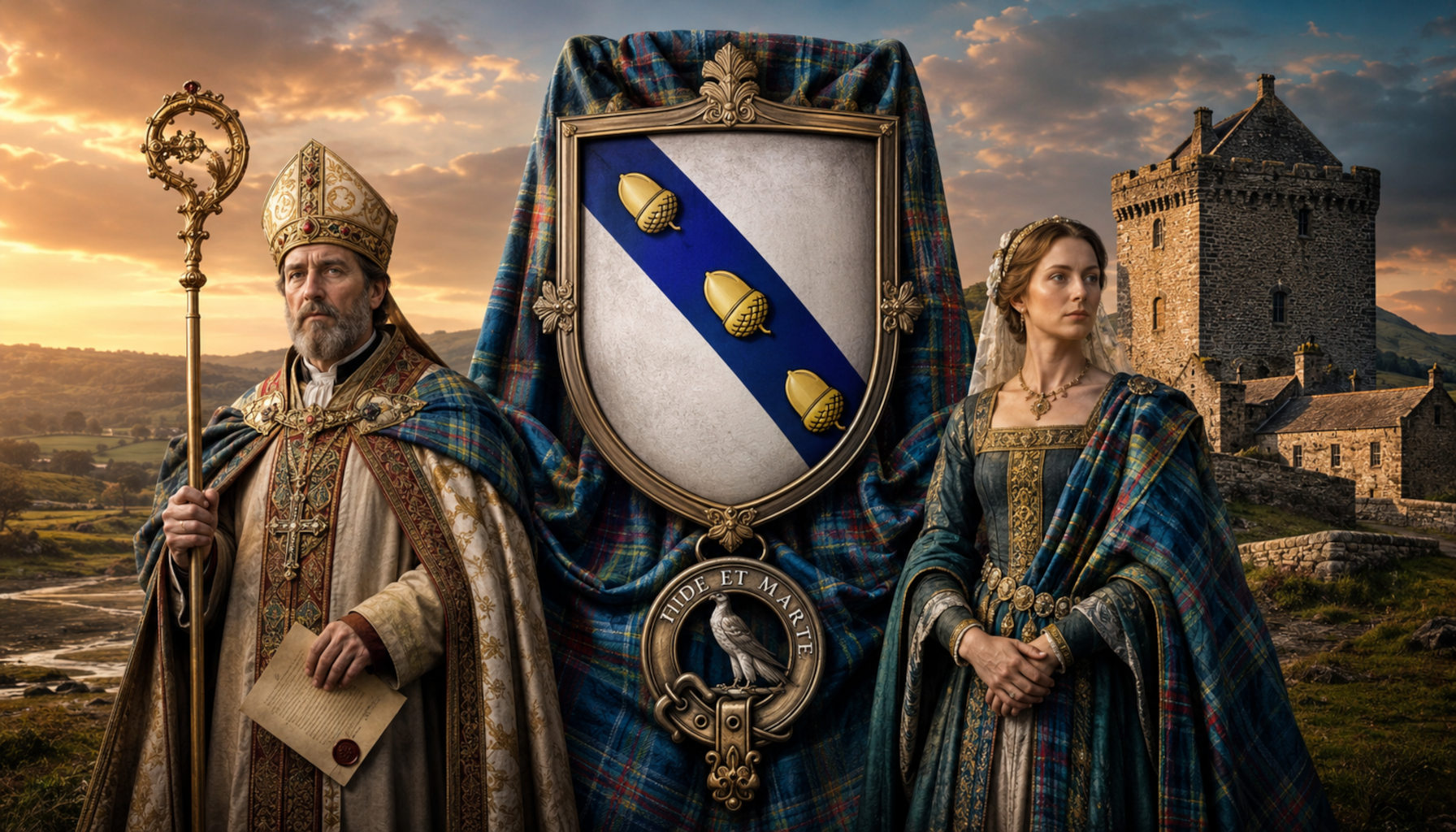
Clan Ralston was a Scottish Lowland armigerous clan rooted above all in the lands of Ralston near Paisley in Renfrewshire, with later branches reaching into Ayrshire as well. Its surname is usually read as "Ralph's town", which is exactly the sort of practical medieval place-name that tells you how families first became fixed in the record: a man, a holding, and then generations of people known by that place. Early spellings such as Rauliston, Ralstoun, and Ralstone appear in medieval documents, reminding us that surnames were once much more fluid than modern family lore likes to pretend. Haplogroup tag: R1b1a1b1a1a2c1a1a1a1a1a1a1. Primary family haplogroup: R1b1a1b1a1a2c1a1a1a1a1a1a1.
The family emerges from the written record in the orbit of Paisley Abbey and the lordship around it, a very typical Lowland setting where church, landholding, and royal politics all overlapped. Jacobus de Rauliston appears in 1219 as a witness to a Paisley record, and Hew de Ralstoun appears in 1296 on the Ragman Roll, that famous list of Scots who submitted to Edward I. These are not just isolated names on parchment; they place the Ralstons squarely in the documentary world of medieval southwestern Scotland. In later centuries the family produced lairds, soldiers, royalists, Covenanters, and emigrant lines, while one of its most notable sons, John de Ralston, rose in the 15th century from clerical service to become Bishop of Dunkeld, royal treasurer, and keeper of the Privy Seal. The chiefly line eventually came to an end with Gavin Ralston of that Ilk in 1819, but the heraldic identity endured: silver field, blue bend, three golden acorns, and the motto Fide Et Marte, by faith and war, or if you like, with fidelity and bravery.
A good place to anchor the wider landscape of west-coast Scottish history linked to families like the Ralstons is Saddell Castle in Kintyre, Argyll. The present tower house was built in the early 16th century, traditionally associated with the Bishop of Argyll, on a site with much older importance near Saddell Abbey and the old sea routes that stitched together the Firth of Clyde, Kintyre, the Hebrides, and Ireland. It is a handsome, compact example of a Scottish tower house, set in a place where ecclesiastical power, lordship, and maritime movement all meet. Though Clan Ralston's heartland lay in Renfrewshire and later Ayrshire rather than Kintyre, Saddell helps evoke the broader western seaboard world in which Lowland and Highland families, churchmen, merchants, and fighting men were constantly connected. The castle still stands and can be visited from the outside, and the surrounding area remains one of those rare places where the physical texture of late medieval Scotland is still very easy to imagine.
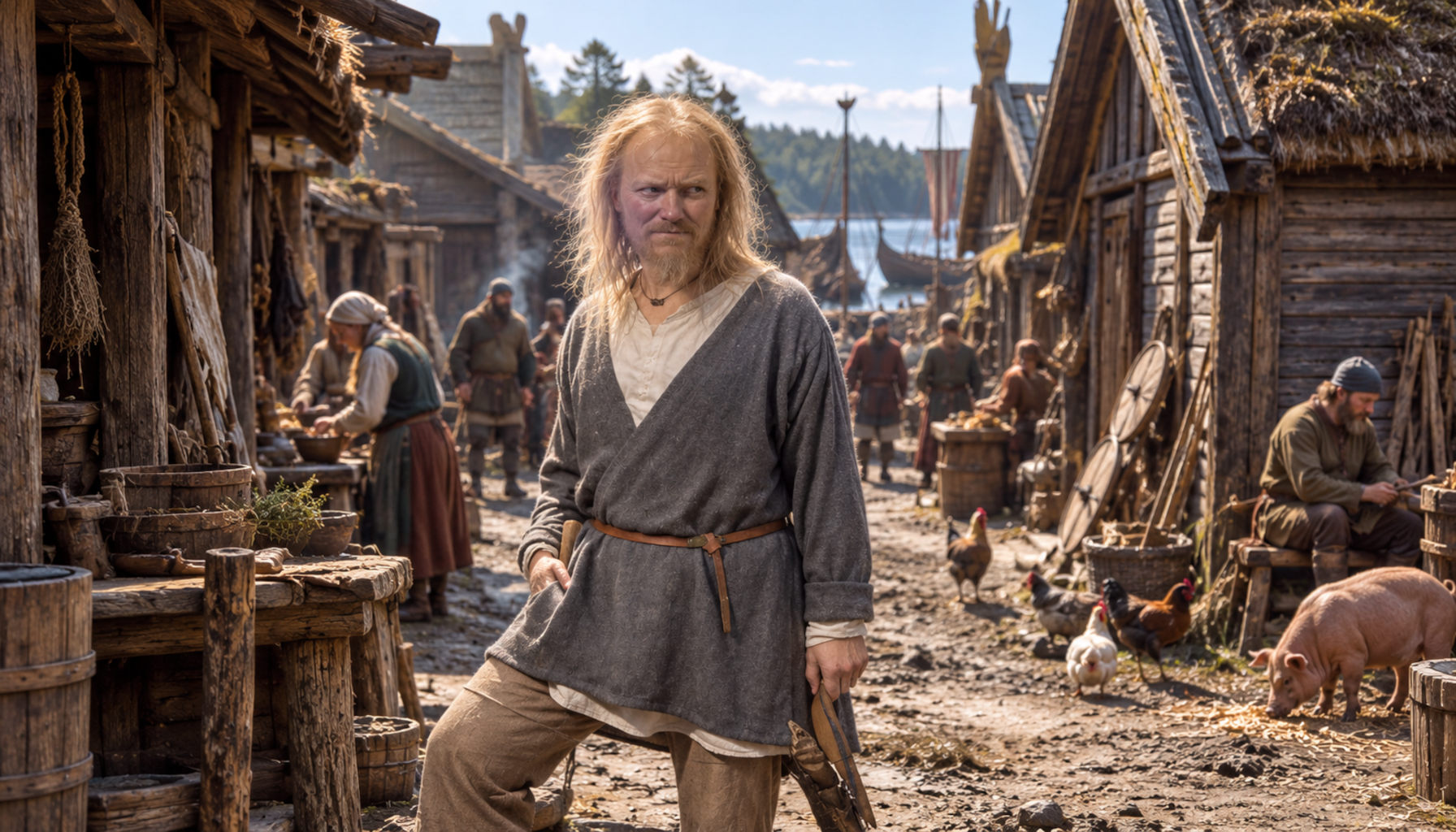
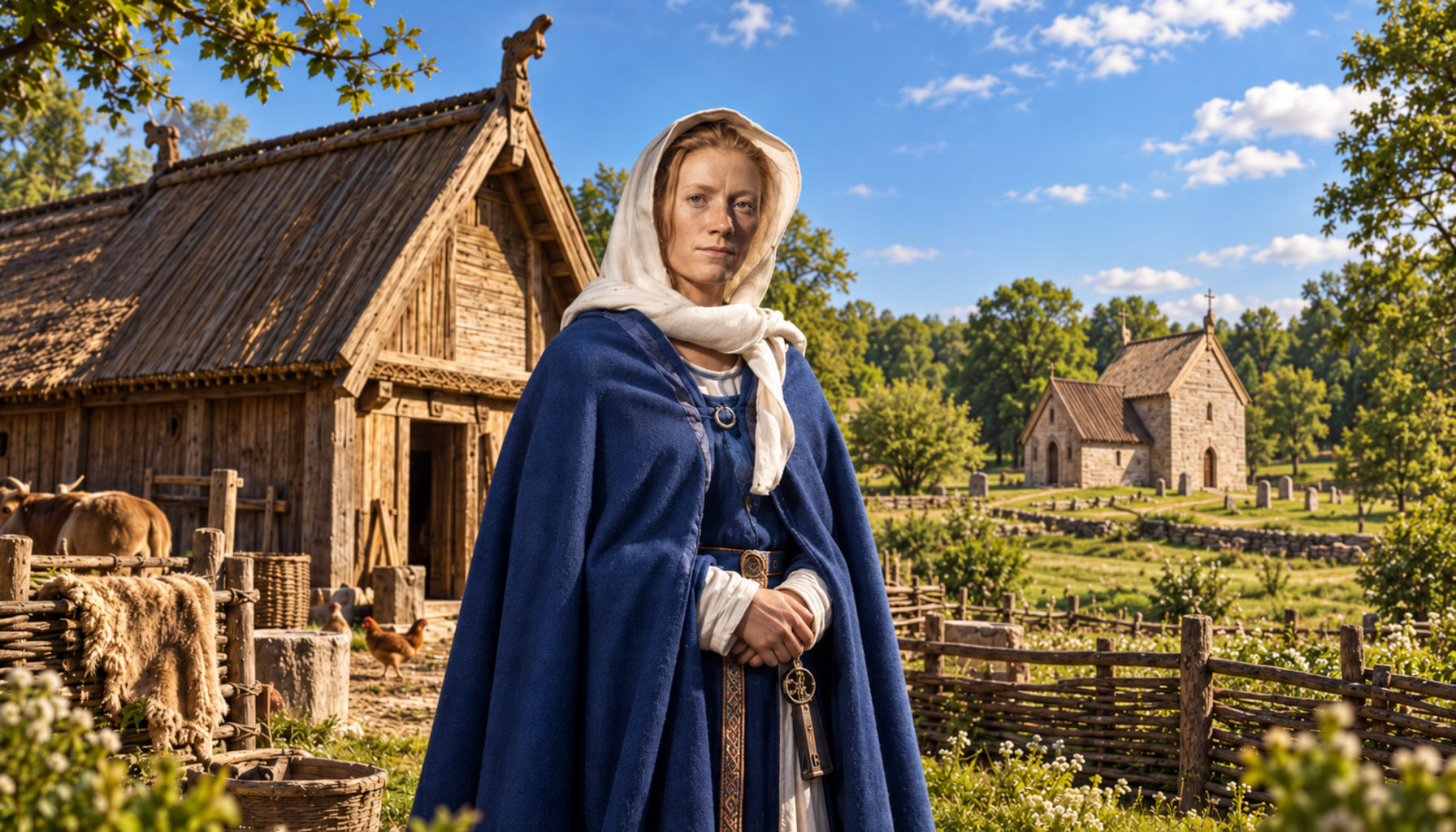
On the DNA side, the Ralston-associated haplogroup tag R1b1a1b1a1a2c1a1a1a1a1a1a1 sits within a paternal landscape that is strongly at home around the Irish Sea world and Atlantic-facing Britain and Ireland. Related or linked ancient samples in this broader haplogroup cluster include a large group from Medieval Ireland at Ballyhanna, County Donegal, such as Sk197an, Sk197y, Sk197q, Sk197am, Sk197s, Sk197ab, Sk197u, Sk197t, Sk197r, Sk197ad, Sk197x, Sk197n, Sk197aa, Sk197z, Sk197ak, Sk197w, Sk197ai, Sk197m, Sk197ah, Sk197ag, Sk197v, Sk197ac, Sk197al, Sk197af, Sk197ae, Sk197o, Sk197aj, HAN197x, Sk197a through Sk197p, and HAN197. Other linked medieval and North Atlantic examples include Kilteasheen samples KIL041, KIL044, KIL033, KIL037, KIL009, and KIL014 in Ireland, Viking Age Hofstadir Iceland sample VK95, and Medieval Age Faroe Islands Sandoy Church sample VK44. These do not prove direct descent from or to Clan Ralston, and we should not pretend otherwise, but they do place the family's reported paternal signature within a wider genetic story shared across medieval Gaelic, Norse-Gaelic, and Atlantic communities.
Read more about Clan Cunningham
If you carry the Ralston surname, have roots in Renfrewshire, Paisley, Beith, or the wider Scottish Lowlands, this is exactly the kind of family story that becomes richer when documents and DNA are read together. Upload your DNA to MyTrueAncestry to see whether you match Clan Ralston, this R1b1a1b1a1a2c1a1a1a1a1a1a1 line, or any of the related ancient samples from medieval Ireland and the North Atlantic world.
Comments