Clan Oliphant
– 2 min read


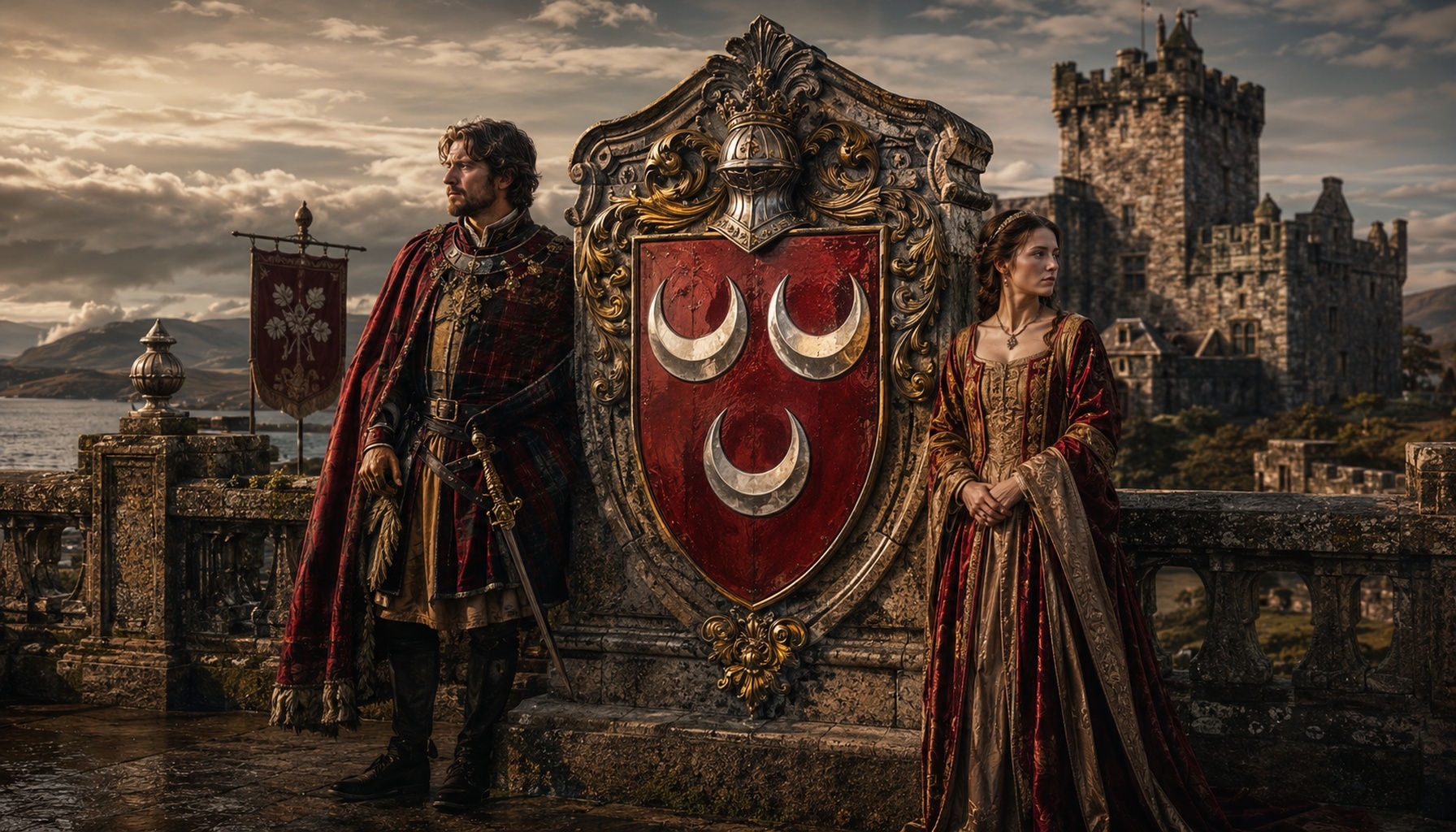
Clan Oliphant was one of Scotland's notable noble kindreds, rooted above all in Perthshire and closely tied to the world of landholding, royal service, and Lowland aristocratic politics. In family and DNA terms, the primary haplogroup linked here is R1b1a1b1a1a2c1a6c, a branch within the great R1b line that appears widely across Britain and western Europe. Historically, the Oliphants belong to that familiar but still fascinating Scottish pattern: a family that rose not through mythic isolation, but through service, reward, marriage, charters, estates, and the stubborn ability to remain important across generations.
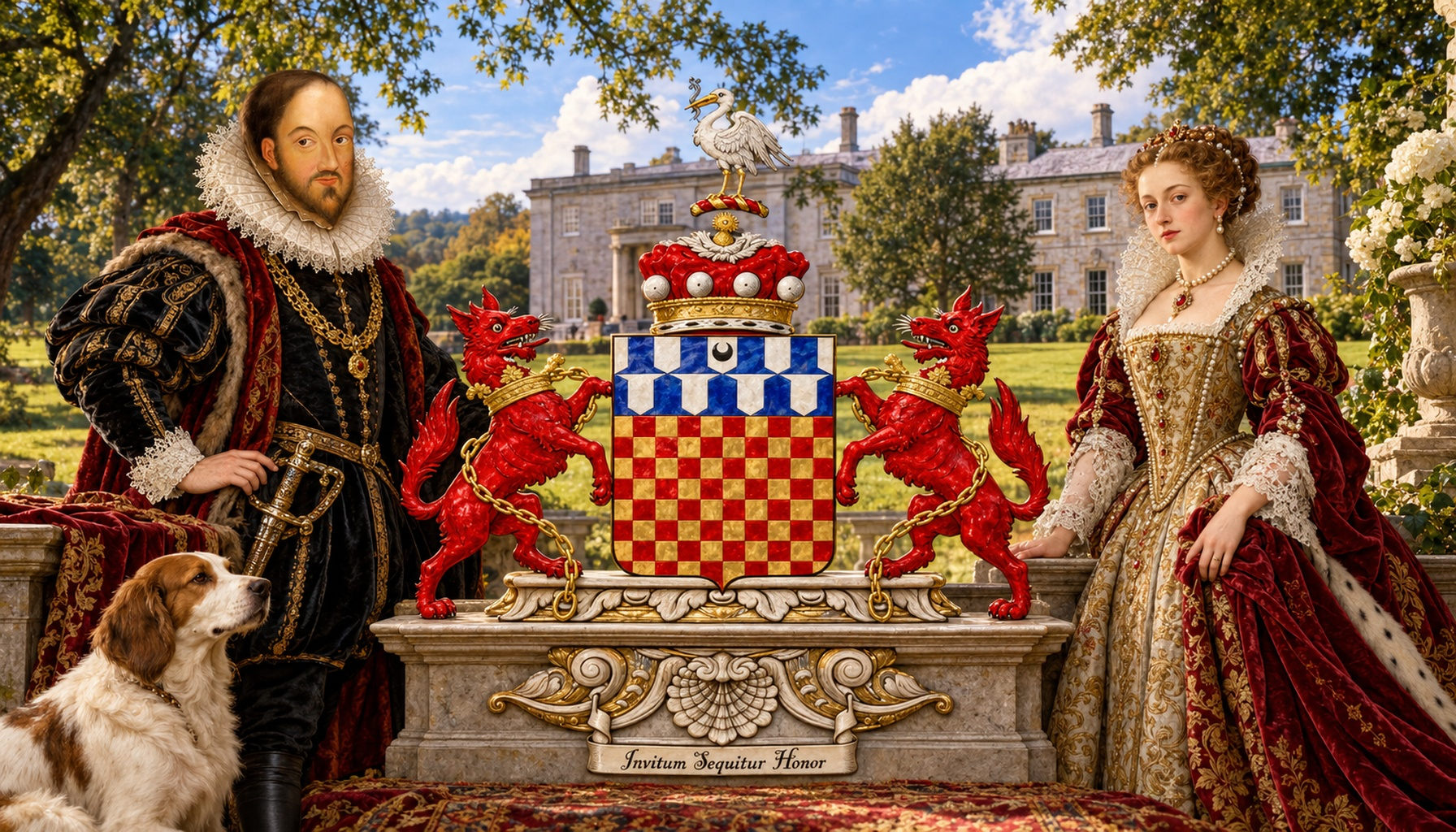
The family emerges in the record in the twelfth-century feudal world that followed the reshaping of the Scottish kingdom under kings who welcomed knightly service and continental styles of lordship. One early figure is Roger Olifard, recorded in 1093, often treated as an ancestor of the line that would become firmly established in Scotland. From there the Oliphants built prestige through crown connections, military and political usefulness, and careful management of landed identity. Their story is not just about one castle or one title, but about continuity: heraldry, estates, noble status, and the memory of a name that remained recognisable in Scottish public life for centuries.
A key location anchor for Oliphant heritage is Kellie Castle in Fife, a site that captures the layered, lived-in character of Scottish noble history. The castle began as a medieval tower house and was expanded over centuries, with later additions giving it the look of a house that adapted rather than starting again from scratch. That is often how aristocratic Scotland really worked: not one grand moment of creation, but repeated rebuilding, marriage, inheritance, repair, and reinvention. Kellie became associated with the Oliphants in the later medieval period, and its fabric still tells that long story of status, defence, domestic life, and display. It is also known for its fine interiors and gardens, and yes, it can still be visited today, making it one of those rare places where clan memory is not just written in a charter but set in stone for modern visitors to walk through.
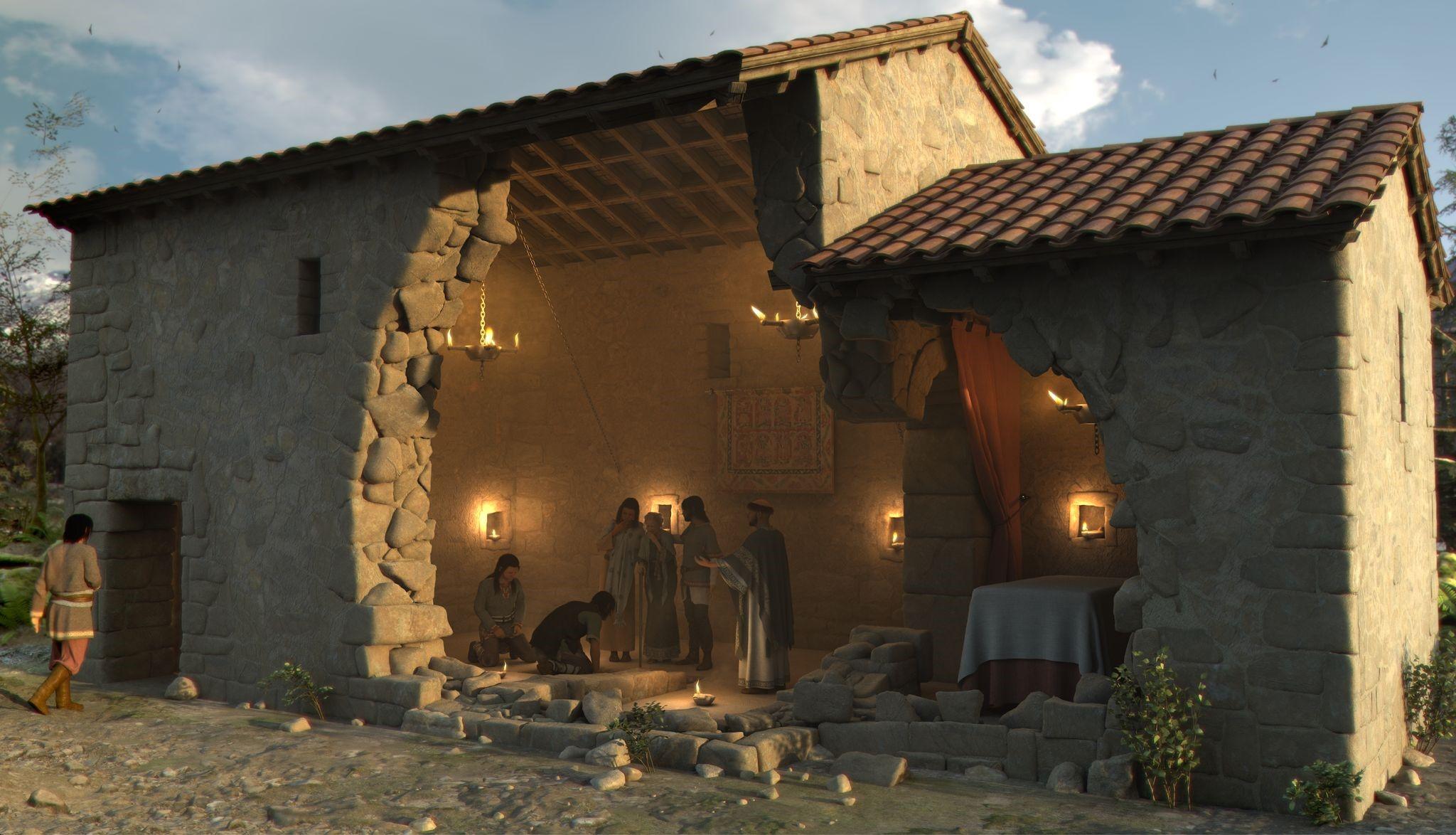
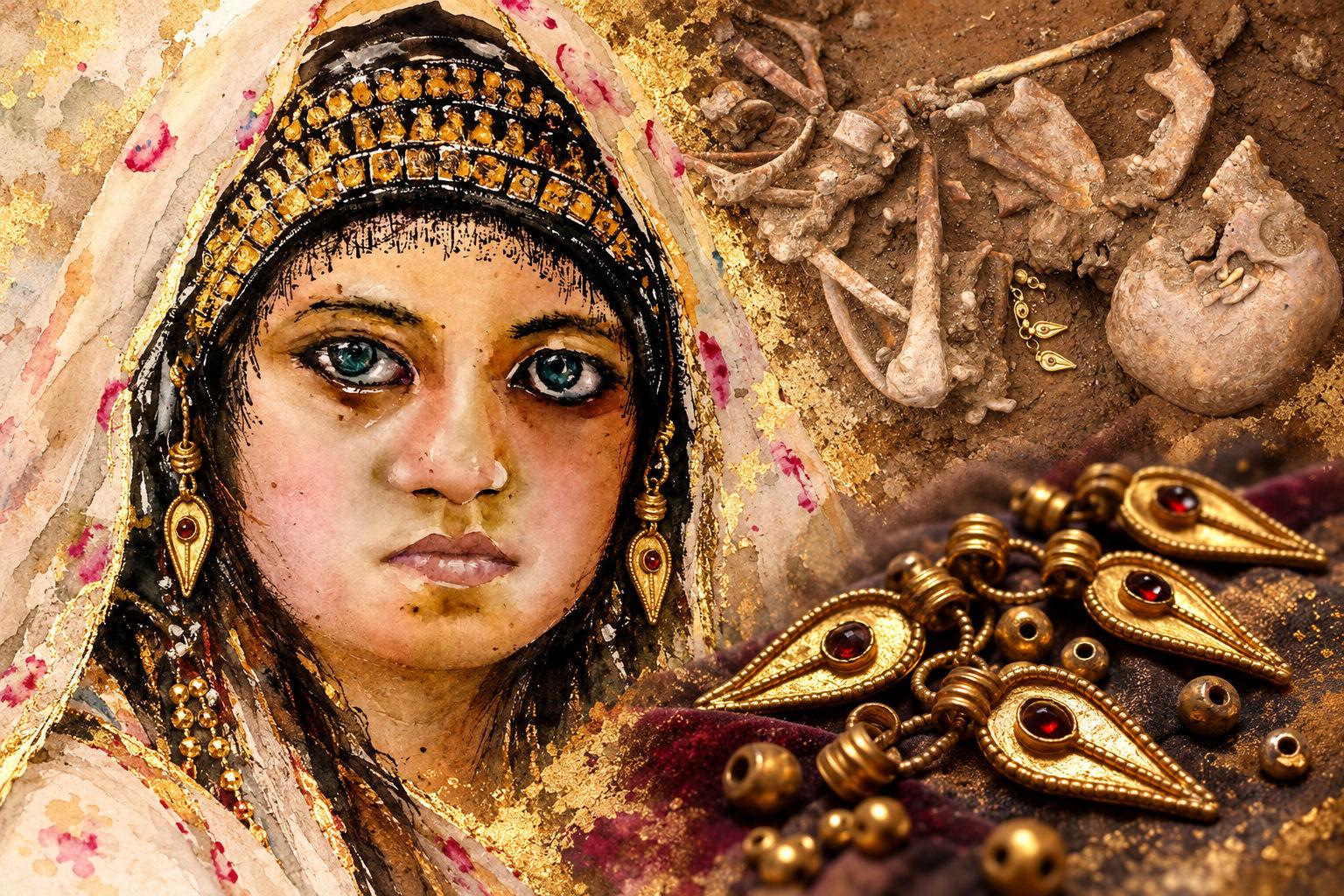
From an ancient-DNA perspective, the Oliphant-linked haplogroup R1b1a1b1a1a2c1a6c sits within a broad and very old western European story. Related or linked samples appear across Iron Age, Roman, early medieval, and medieval contexts, which is exactly what one might expect from a lineage with deep roots in Britain and connections across the wider Atlantic and North Sea world. Among the linked examples are several Celtic Durotriges burials from Duropolis at Winterborne Kingston in England, including WBK12, WBK20, WBK29, WBK41, WBK05, WBK30, WBK43, WBK06, WBK08, WBK18, and WBK191; Pict-era and Scottish-linked finds such as Mine Howe in Orkney and Broxmouth in East Lothian; and a spread of later individuals from places such as Las Gobas in northern Spain, Sint-Truiden in Belgium, Hinxton and Eastry in Anglo-Saxon England, Kilteasheen in medieval Ireland, and Hedeby in southern Jutland. These do not prove direct descent from Clan Oliphant, of course, but they do place the haplogroup within a recognisable long-term population history stretching from Bronze Age Britain through Celtic, Pictish, Roman, and medieval societies.
If you have Oliphant heritage, or simply suspect your family belonged to the broad world of Scottish landed and noble kin, DNA can add another layer to the story. Upload your DNA to MyTrueAncestry to see whether you match Clan Oliphant, the haplogroup R1b1a1b1a1a2c1a6c, or any of the related ancient samples linked to this wider British and European past.
Comments