Clan Erskine
– 3 min read


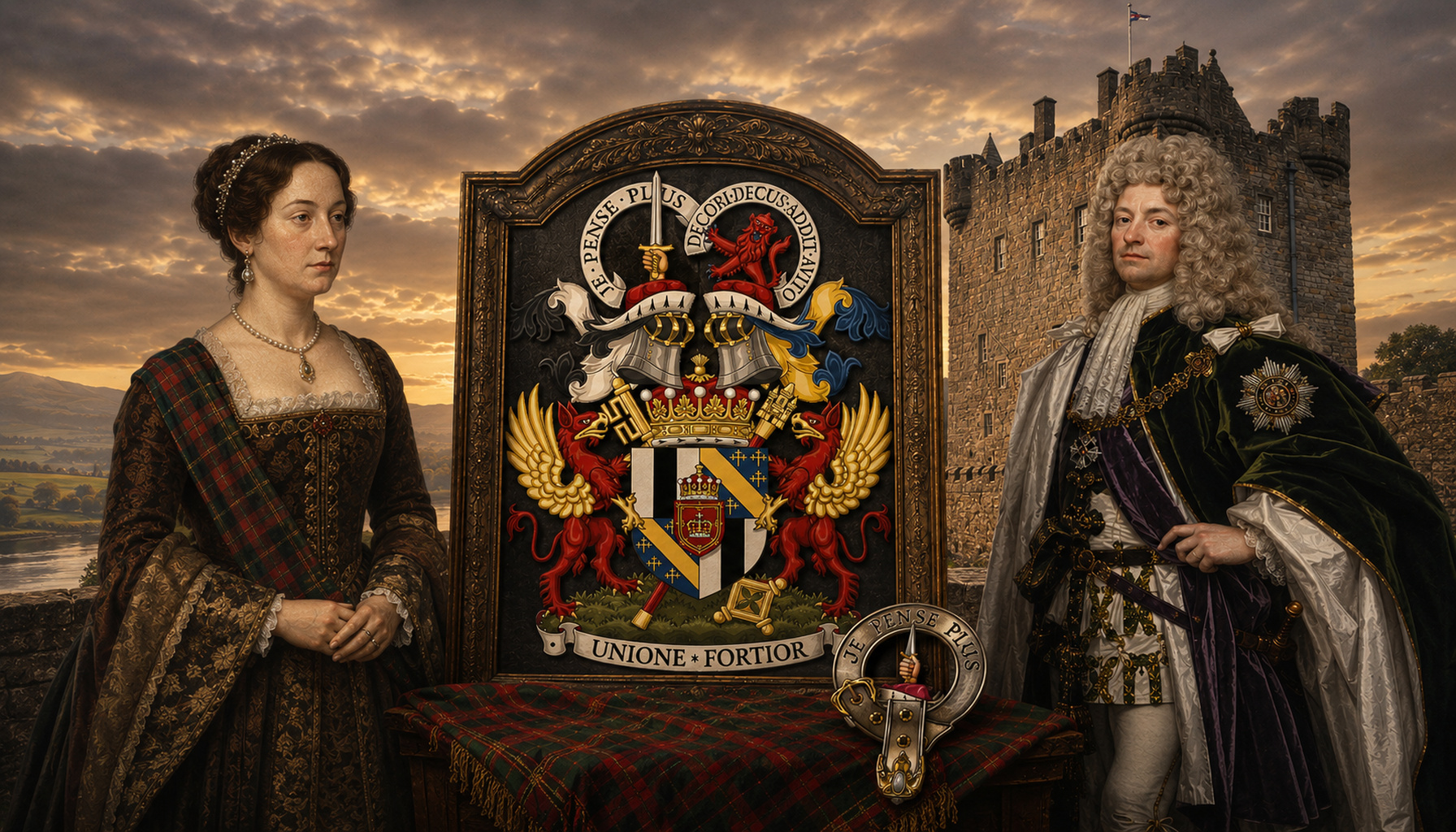
Clan Erskine was one of the great noble houses of Scotland: a family of royal servants, castle commanders, political operators, and eventually Earls of Mar. Their name is usually traced to the lands of Erskine in Renfrewshire, on the south bank of the River Clyde, where place and family became tied together in the familiar medieval way. From that local beginning, the Erskines moved steadily into the heart of Scottish power, especially around Stirling, and their primary Y-DNA haplogroup is linked here as R1b1a1b1a1a2b2. Haplogroups: R1b1a1b1a1a2b2.
What makes the Erskines so interesting is that they were not simply grand landowners standing on the sidelines. They were repeatedly trusted with the business of monarchy itself. They held offices close to the crown, became famous as guardians and tutors of royal children, and were closely associated with Stirling Castle, one of the key royal fortresses of Scotland. Through inheritance and royal favour they acquired the earldom of Mar, one of the oldest and most prestigious titles in the kingdom, which drew them still deeper into the dramas of medieval lordship, Reformation politics, Stuart monarchy, Jacobite entanglements, and the long reshaping of Scottish aristocratic power. Among the notable figures was John Erskine, 19th Earl of Mar (1558-1634), remembered as a major courtier and royal guardian in the age of James VI, a man very much at the hinge between old feudal Scotland and the emerging British monarchy.
One of the best physical anchors for the Erskine story is Alloa Tower in Clackmannanshire, the surviving great tower house of the family and one of Scotland's largest and oldest keeps still standing. Rising above the later town of Alloa, it preserves the feel of late medieval lordship in stone: thick walls, high status accommodation, and the defensive confidence expected of a major noble residence. The tower became especially associated with the Erskines after the family gained the earldom of Mar, and it remained an important seat of their power for centuries. It also had a remarkable afterlife. Much of the surrounding house was later damaged and lost, but the tower itself survived, was restored, and today stands as a rare survival of aristocratic Scotland before the full transformation into later country-house living. Better still, it is open to visitors, so this is not just a name in a charter or a silhouette in a genealogy: it is a place you can still go and see.
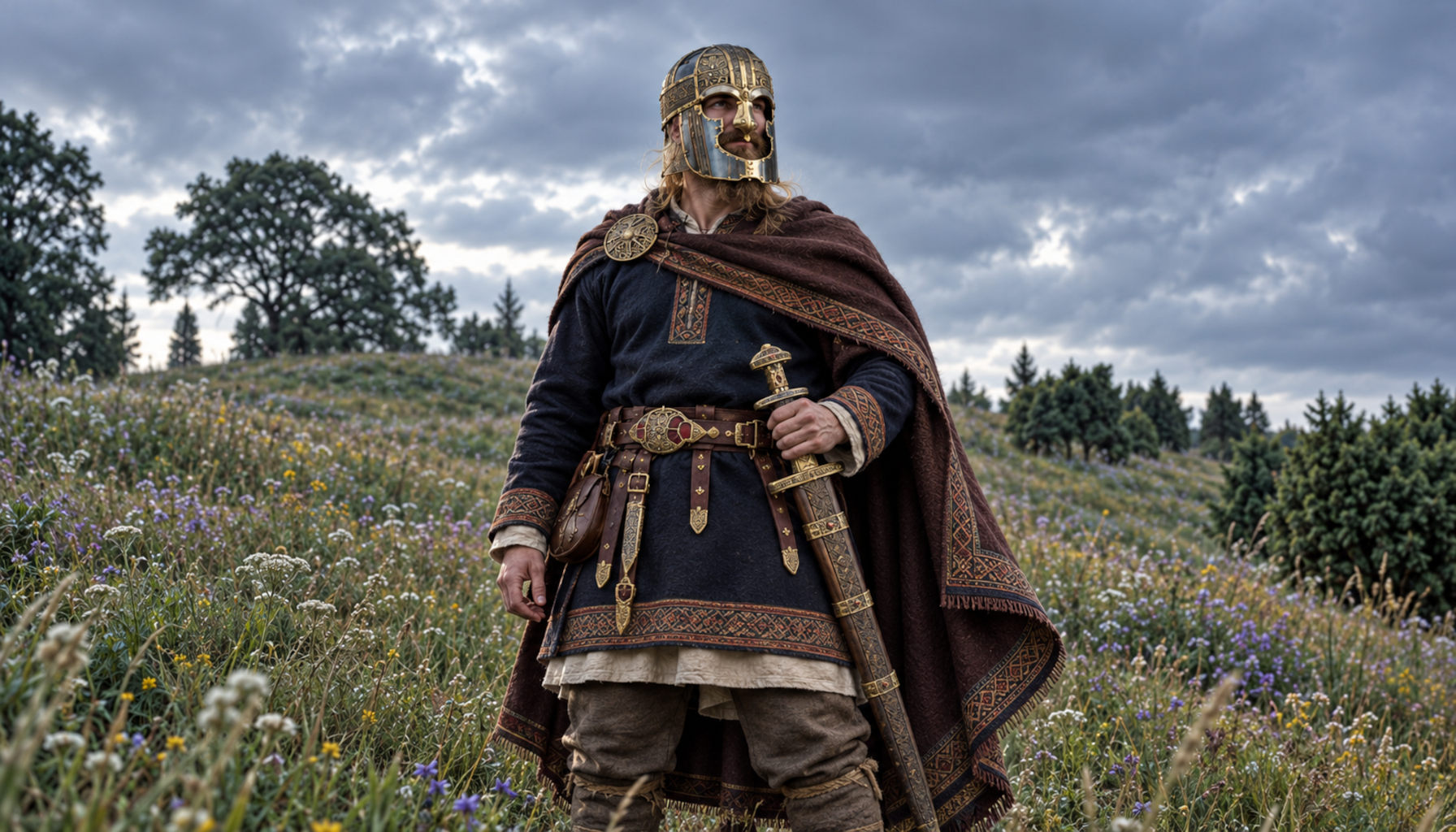
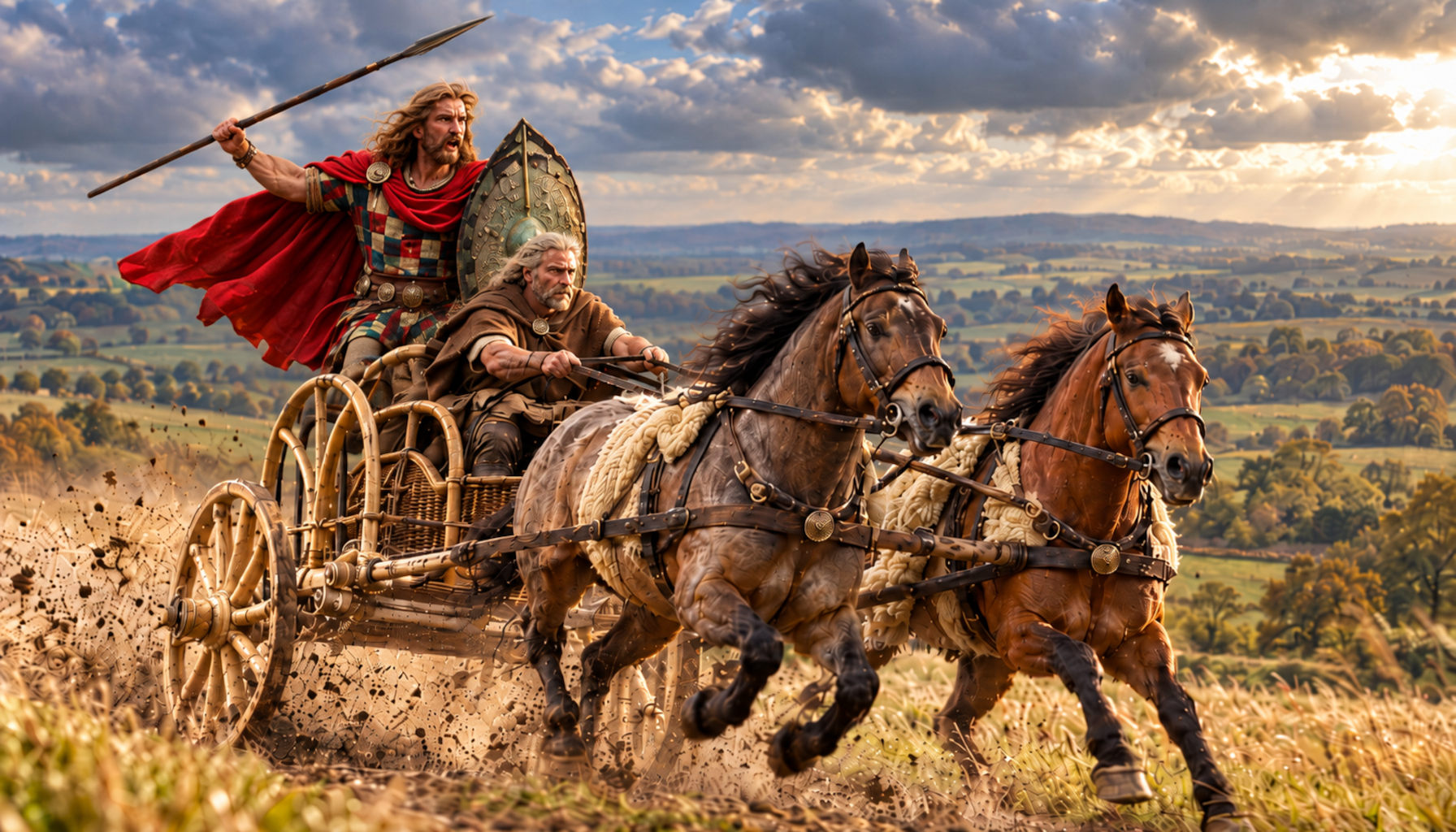
On the DNA side, the Erskine-linked haplogroup R1b1a1b1a1a2b2 belongs to a very wide and historically mobile paternal network across Europe. That does not mean direct descent from any particular excavated man, and it is important not to overclaim. But it does let us place the family within a deeper archaeological landscape. Related or linked ancient samples carrying this branch include Pict-era individuals from Rosemarkie Cave on Scotland's Black Isle such as KD001, KD001_2, and KD001_6a; Iron Age and Celtic Britons from places like Broxmouth in East Lothian, Duropolis in Dorset, and Pocklington in Yorkshire; Roman and medieval individuals from Cambridgeshire and England more broadly, including FEN008 and ATP_PSN_1217; and a broader continental spread reaching elite Celtic burials in Germany such as APG001, APG003, and LWB001, as well as medieval northern Spain at Las Gobas with samples including ldo066, ldo037, and ldo046. In other words, this is a lineage with deep roots in the Atlantic and Celtic world, but also one that turns up across the patchwork of European history from Bronze Age movements to medieval lordship.
If you have Erskine roots, Scottish noble ancestry, or simply an interest in how family history and archaeogenetics can speak to one another, this is exactly the kind of story worth exploring. Upload your DNA to MyTrueAncestry to see whether you match Clan Erskine, or related ancient DNA samples connected to the wider R1b1a1b1a1a2b2 network across Scotland, Britain, and Europe.
Comments