Clan Nicolson
– 3 min read


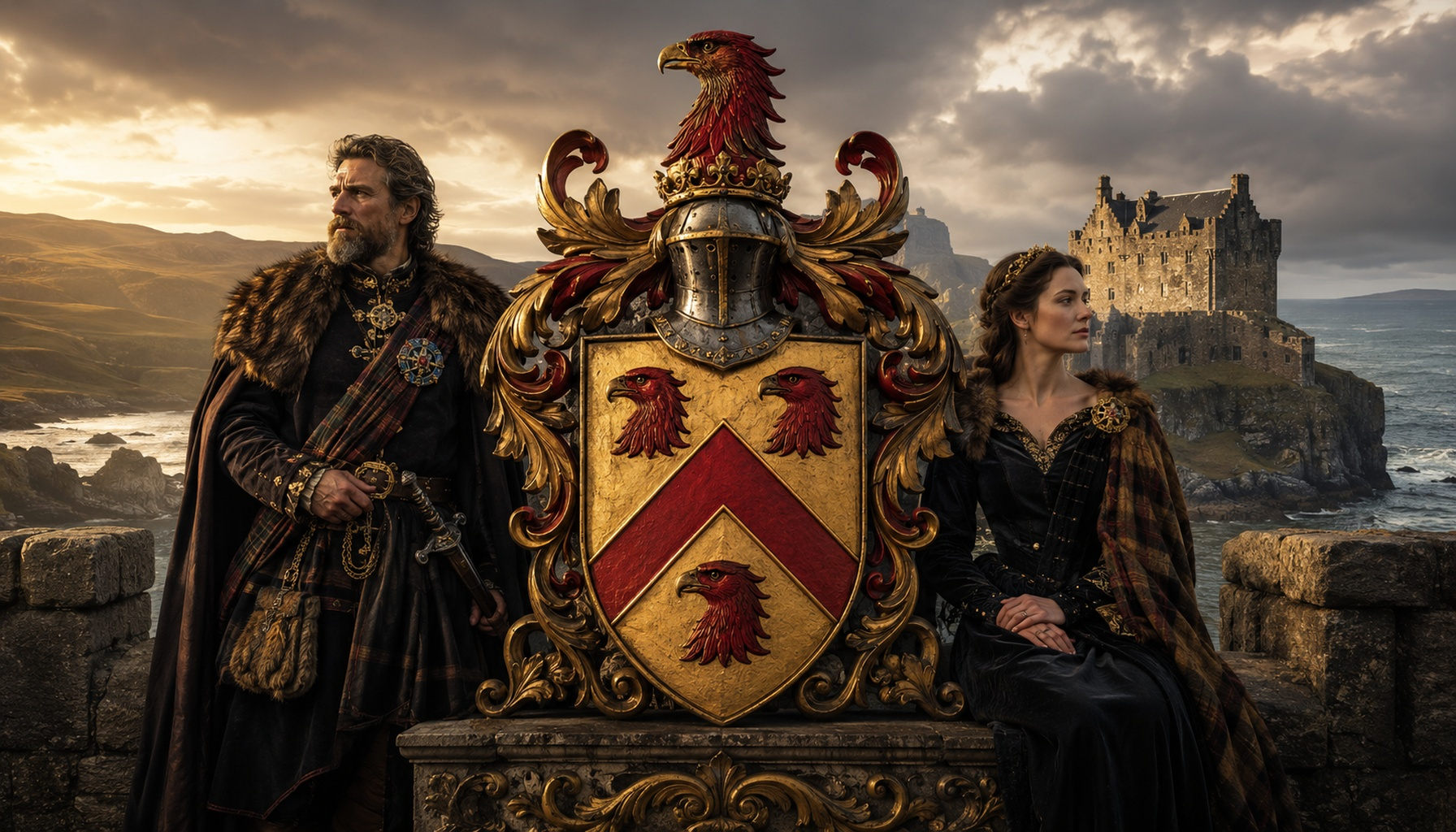
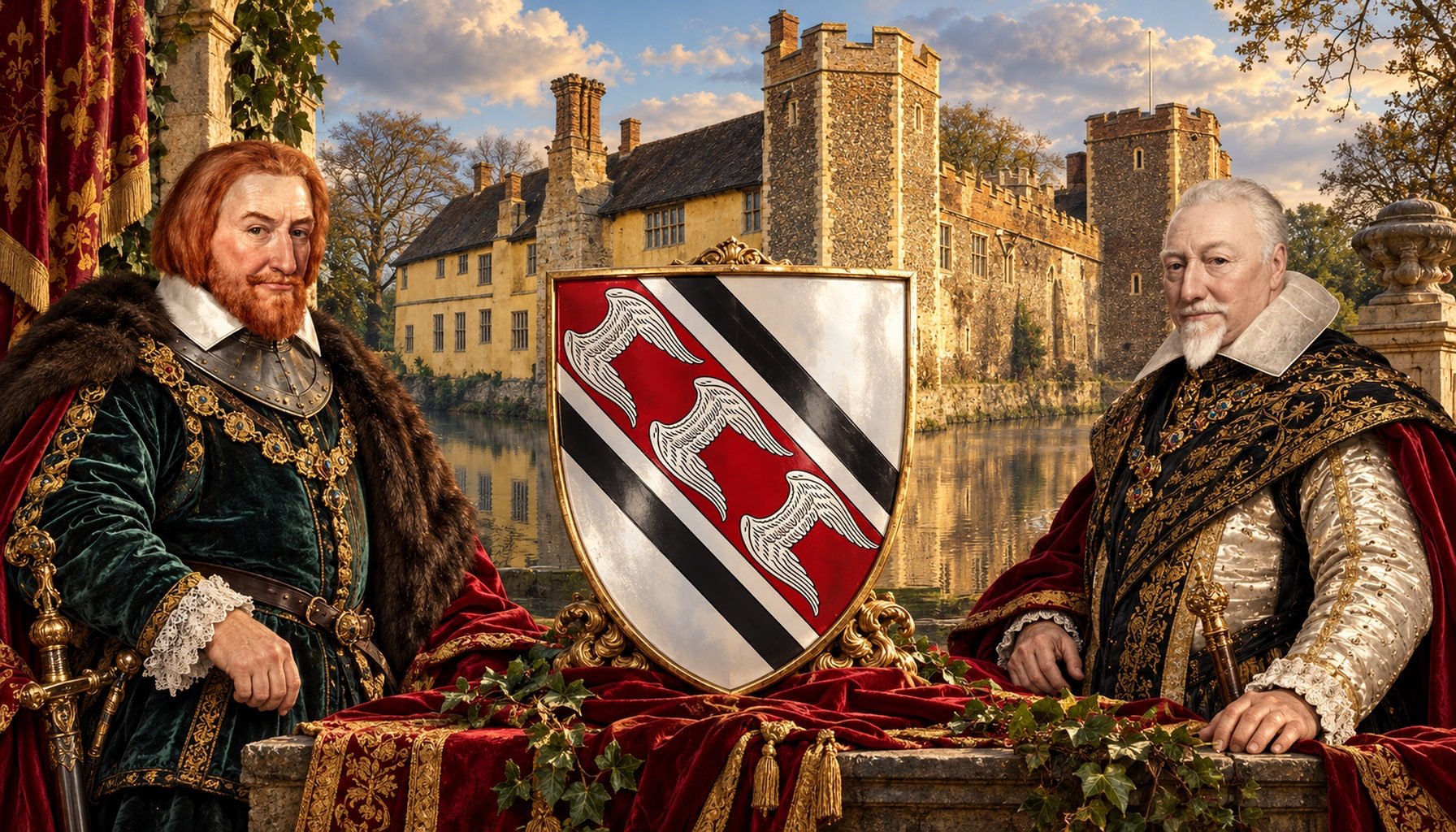
Clan Nicolson was one of the old northern Scottish kindreds whose story belongs to the Highlands and islands, especially Skye, where family, place, and reputation mattered enormously. The surname is patronymic in character, growing from forms of Nicholas, and that immediately tells us something important: this was a name shaped by Christian naming custom, but in a world that was also deeply marked by Gaelic speech, Norse settlement, and sea-borne connections across the western seaways. In genetic tagging terms, the primary family haplogroup linked here is R1b1a1b1a1a2c1a2b2b1a, a branch within the wider paternal lineage so often found across Atlantic and western European contexts.
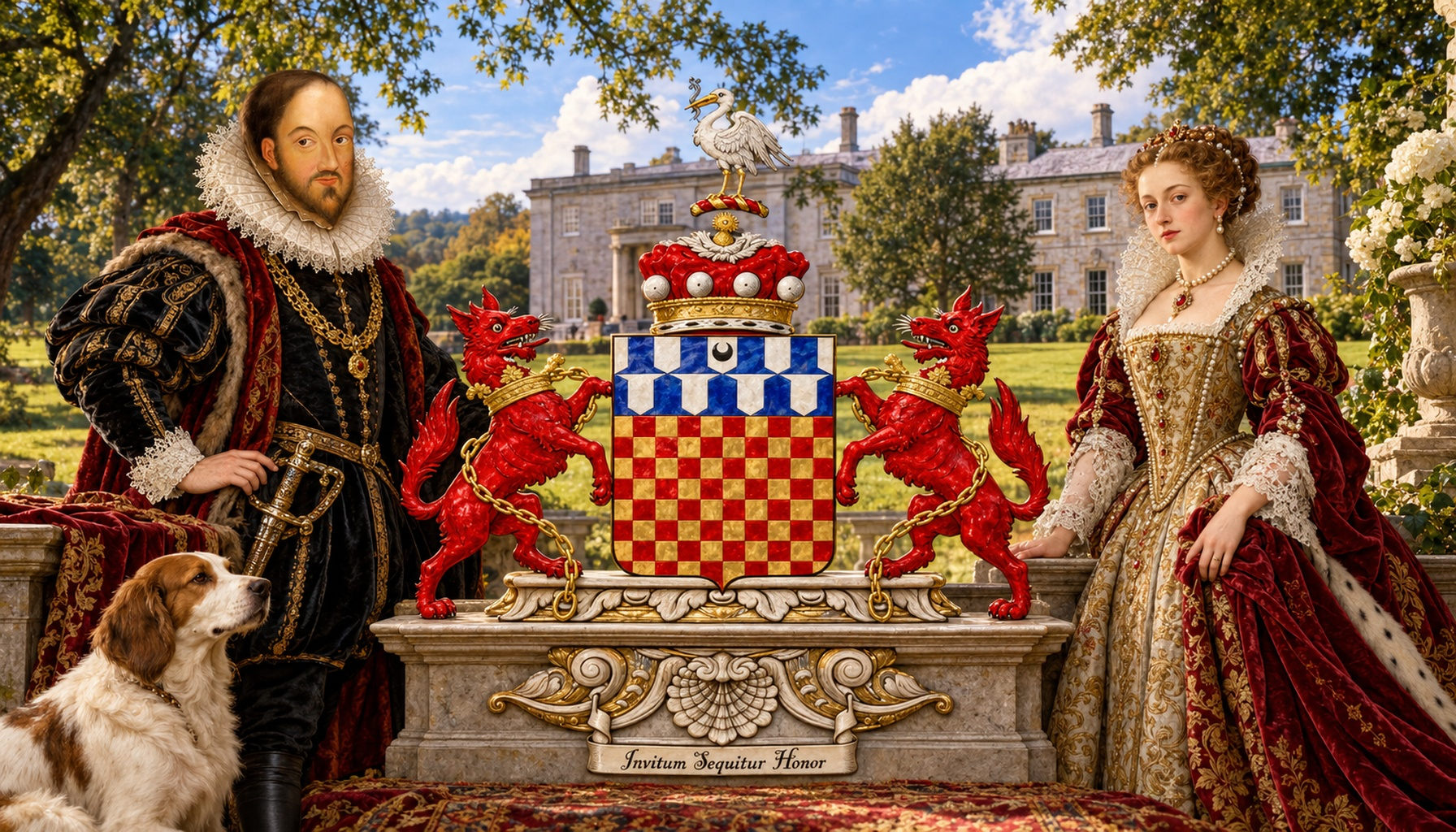
What makes Nicolson heritage interesting is that it is not just a matter of a surname pinned to a tartan-era image of clan life. It reflects a much older Highland pattern: kinship continuity, local service, heraldic identity, and the stubborn endurance of family memory across difficult landscapes. In Skye and the wider north, names such as Nicolson were shaped by movement and adaptation, by alliances with neighboring powers, and by the practical realities of coastal life. A figure such as Anders Nicolassen, recorded in 1263, reminds us that this family world sat within the wider Norse-Gaelic zone of the North Atlantic, where identities were rarely neat and often wonderfully entangled.
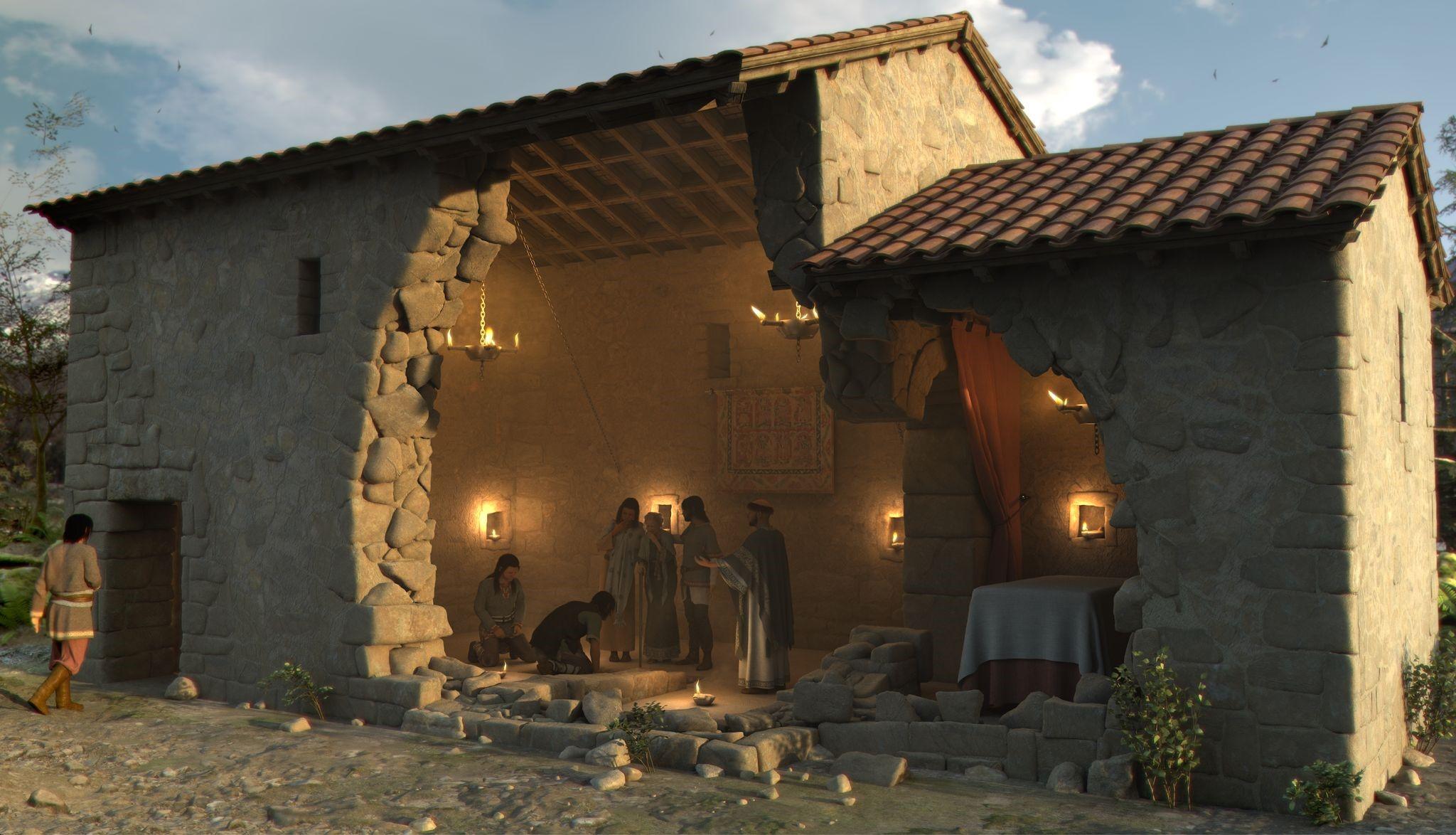
A particularly evocative location anchor for Nicolson heritage is Eilean Chaluim Chille, a small island in Loch Snizort on Skye. The name means the island of Columba, and it has long been associated with an early Christian chapel and burial ground. That matters because it places family memory in a setting older than later clan politics: a sacred island landscape where devotion, burial, lineage, and local identity came together. The island is tiny, but historically it punches above its weight. It sits in one of those classic Hebridean settings where the sea is not a barrier but a road, connecting communities rather than separating them. As a burial place and chapel site, Eilean Chaluim Chille speaks to the Christian framework within which names like Nicolson developed, even while the surrounding society remained marked by Norse-Gaelic cultural mixture. It is also, reasonably speaking, a place that can still be visited today, at least from the surrounding area and shoreline, and for anyone interested in clan history it offers exactly the sort of atmosphere that documents alone cannot provide: wind, water, stone, and the sense that memory in the Highlands is often tied to very small pieces of land.
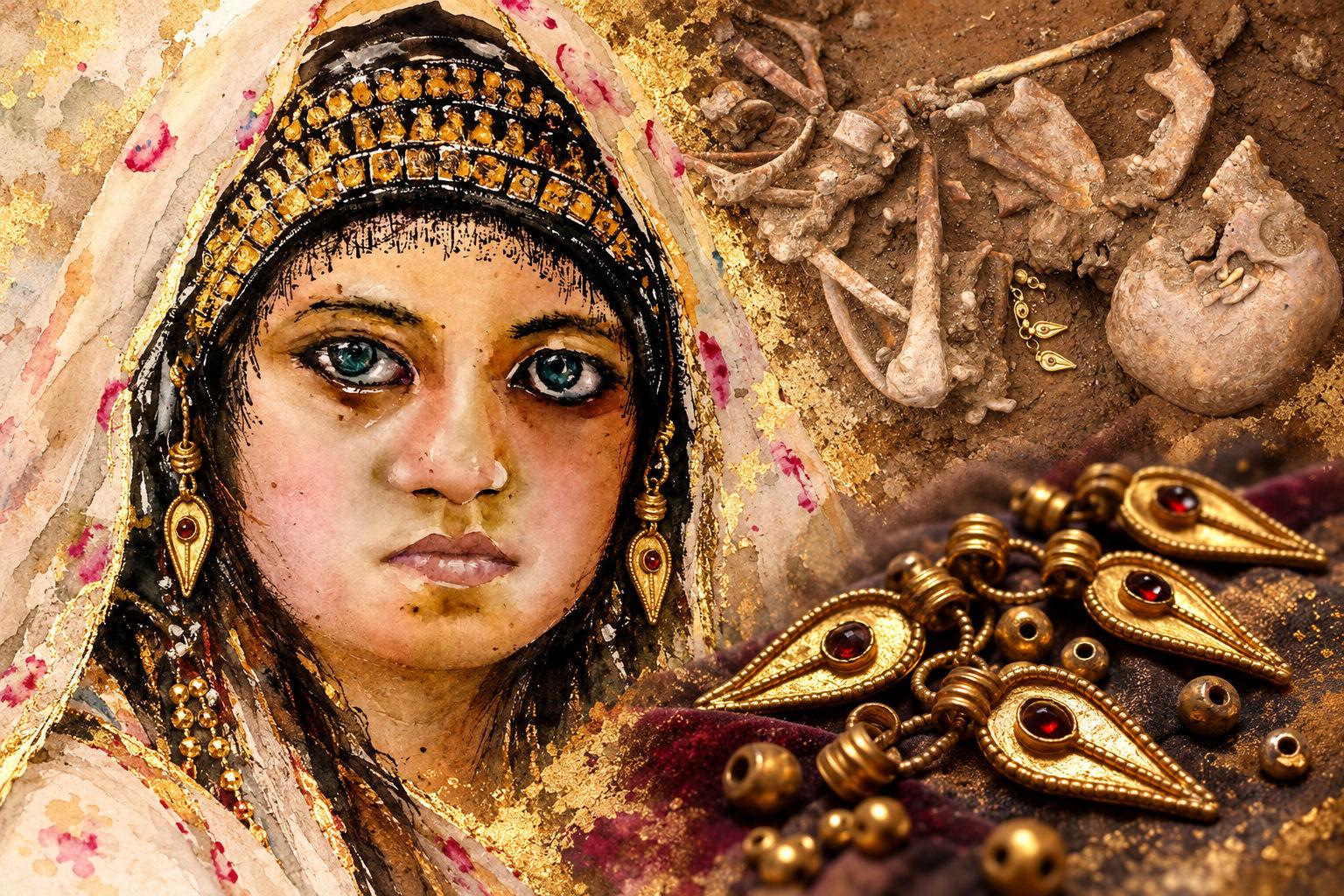
From the ancient DNA side, the haplogroup tag R1b1a1b1a1a2c1a2b2b1a links the Nicolson story to a wide and rather fascinating spread of related ancient samples across Britain and Europe. These include multiple Celtic Durotriges individuals from Duropolis at Winterborne Kingston in England, such as WBK12, WBK20, WBK29, WBK41, WBK05, WBK30, WBK43, WBK06, WBK08, WBK18, and WBK191, as well as Iron Age and Bronze Age individuals from Orkney, Somerset, Wiltshire, Cambridge, Bedfordshire, South Lanarkshire, and the Thames valley. Related or linked examples also appear farther afield in Roman Croatia at Zadar, in Belgium at Sint-Truiden, in Germany, Austria, Portugal, France, Calabria, and even the Faroe Islands and Viking-age England. None of this proves direct descent from any one ancient person, and it should not be used that way. What it does show is that the paternal branch associated here sits within a deep northwestern European and Atlantic-facing genetic landscape, one entirely compatible with the long peopling history behind Highland surnames like Nicolson.
If you carry Nicolson heritage, or simply suspect that your roots run into Skye, the Highlands, or the wider Norse-Gaelic world, DNA can add another layer to the story. Uploading your results to MyTrueAncestry lets you see whether you match Clan Nicolson, this R1b1a1b1a1a2c1a2b2b1a family profile, or any of the related ancient DNA samples connected to the same wider paternal lineage.
Comments