Clan Munro
– 2 min read


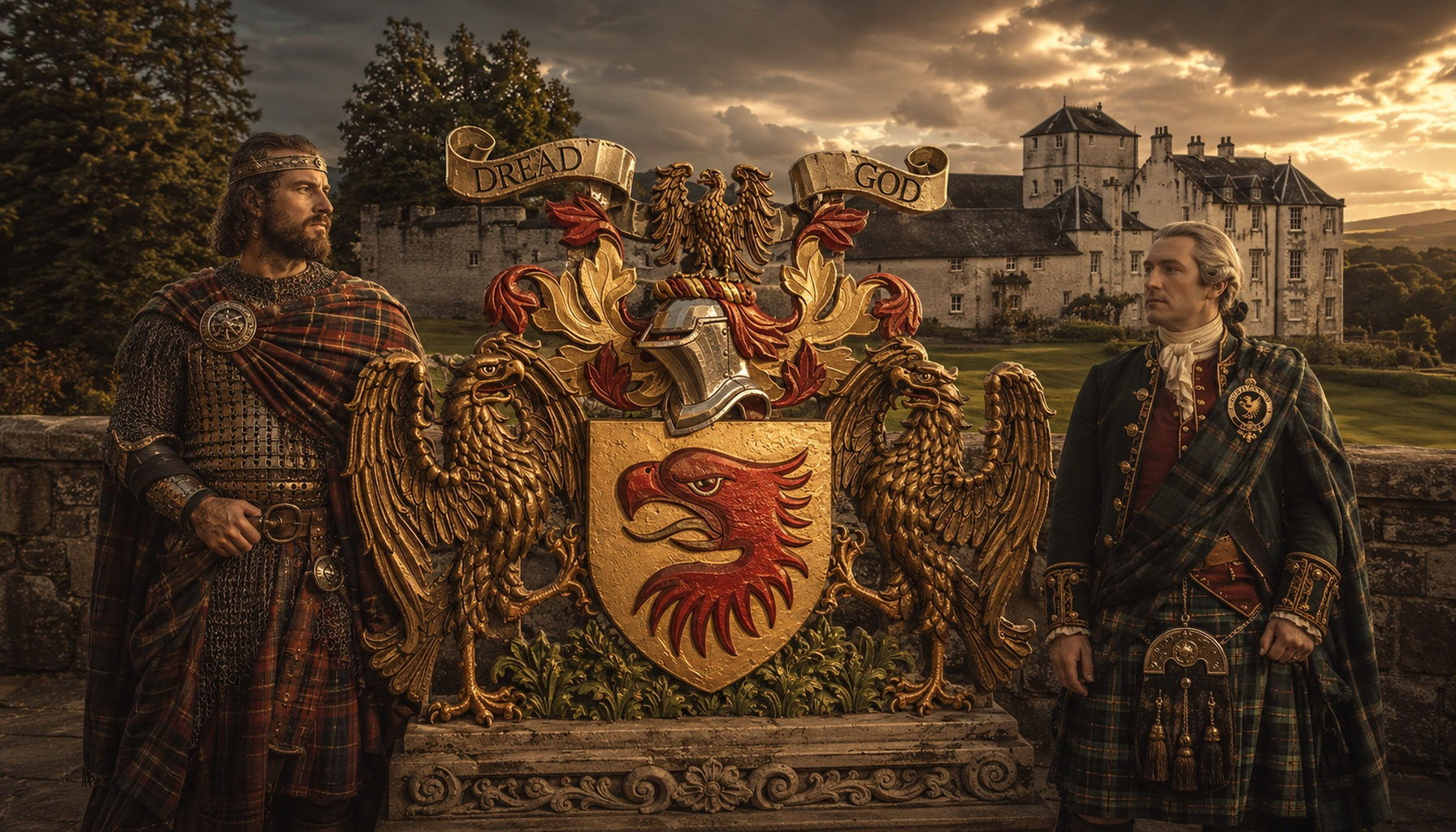
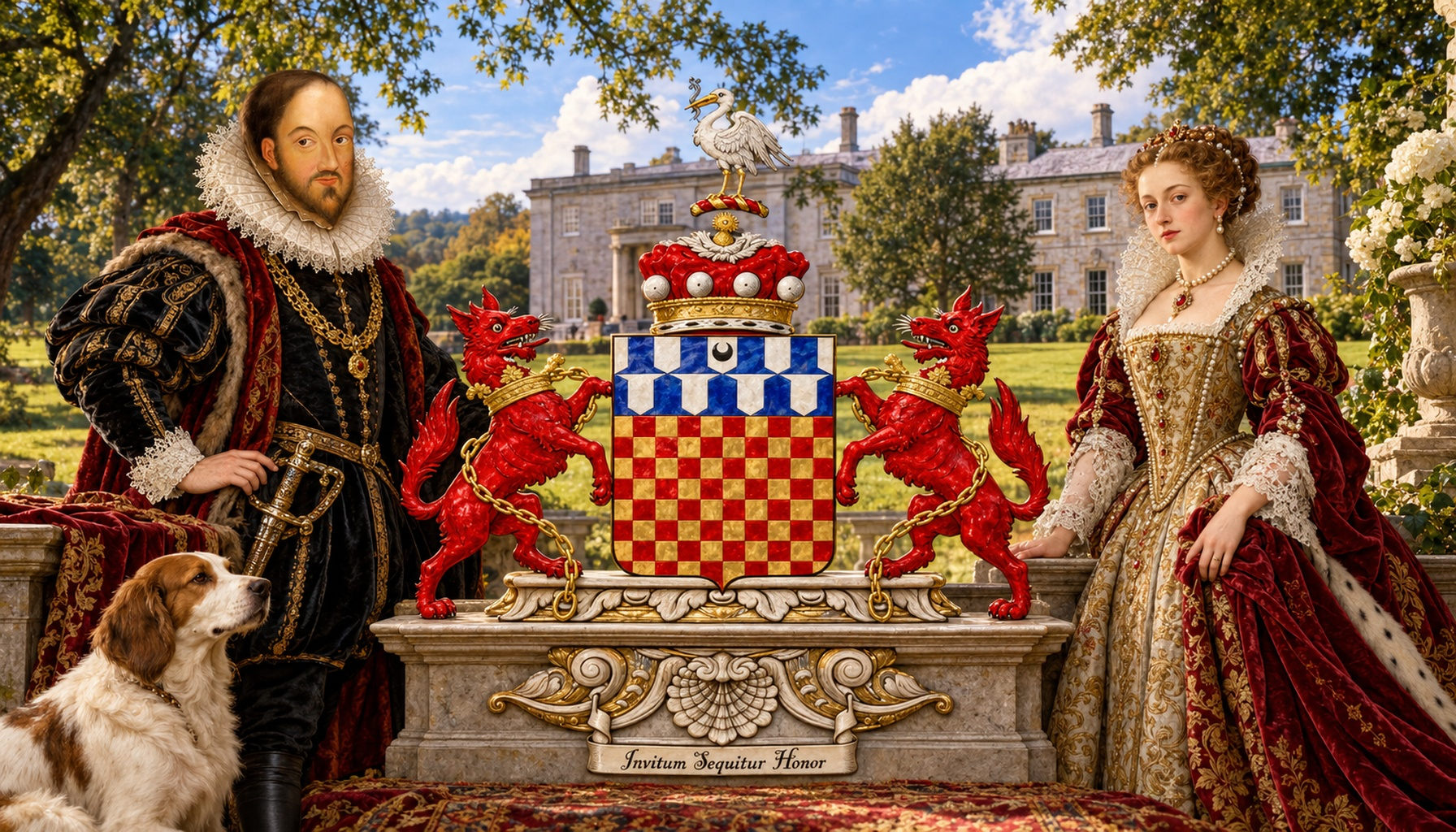
Clan Munro was one of the great Highland families of northern Scotland, rooted above all in Easter Ross and long associated with the lands around Foulis. In historical terms, the Munros fit the classic northern Highland pattern: a kin group shaped by chiefship, territorial holding, military service, local authority, and an enduring loyalty both to clan identity and to the Scottish crown. Their primary linked haplogroup in this context is I2a1a2a1b1a2b, a lineage tag that adds a deep-time genetic layer to a family already rich in recorded tradition, heraldry, and remembered place.
The family emerged in a region where Norse, Gaelic, and later Scottish political worlds overlapped and jostled for influence. That matters, because Easter Ross was never some sealed-off romantic Highland pocket; it was a strategic landscape of firths, routes, rival lordships, and crown interests. The Munros of Foulis built their standing not simply through battle, though they earned a strong martial reputation, but through the steady mechanics of power: managing estates, serving as soldiers and officers, acting in local affairs, and preserving prestige across changing centuries. Among the notable names linked with the family are the Munros of Foulis, the chiefly line at the center of clan history, and James Monroe (1758-1831), the American president whose surname preserves that wider Munro and Monroe heritage in the Atlantic world.
Read more about Clan Mackenzie
Foulis Castle is the great location anchor of Clan Munro history, standing near Evanton in Ross-shire, not far from the Cromarty Firth. It has been the traditional seat of the chiefs of Clan Munro for centuries, and the site carries a long architectural history rather than a single neat medieval moment. Like many Highland strongholds, it was altered, rebuilt, and extended over time, reflecting both the defensive instincts of earlier centuries and the later ambitions of a landed family adapting to new tastes. The castle is associated with the Munro chiefs from an early date and became the physical symbol of clan continuity: not just a residence, but a statement that this family belonged here, commanded here, and remembered itself here. It is also known for later rebuilding after fire and for its mixture of old tower-house inheritance and more modern country-house development. Foulis Castle remains a private residence, so while the exterior and setting are certainly part of the clan landscape, a visit depends on access and arrangements rather than open public entry in the way of a state-run monument.
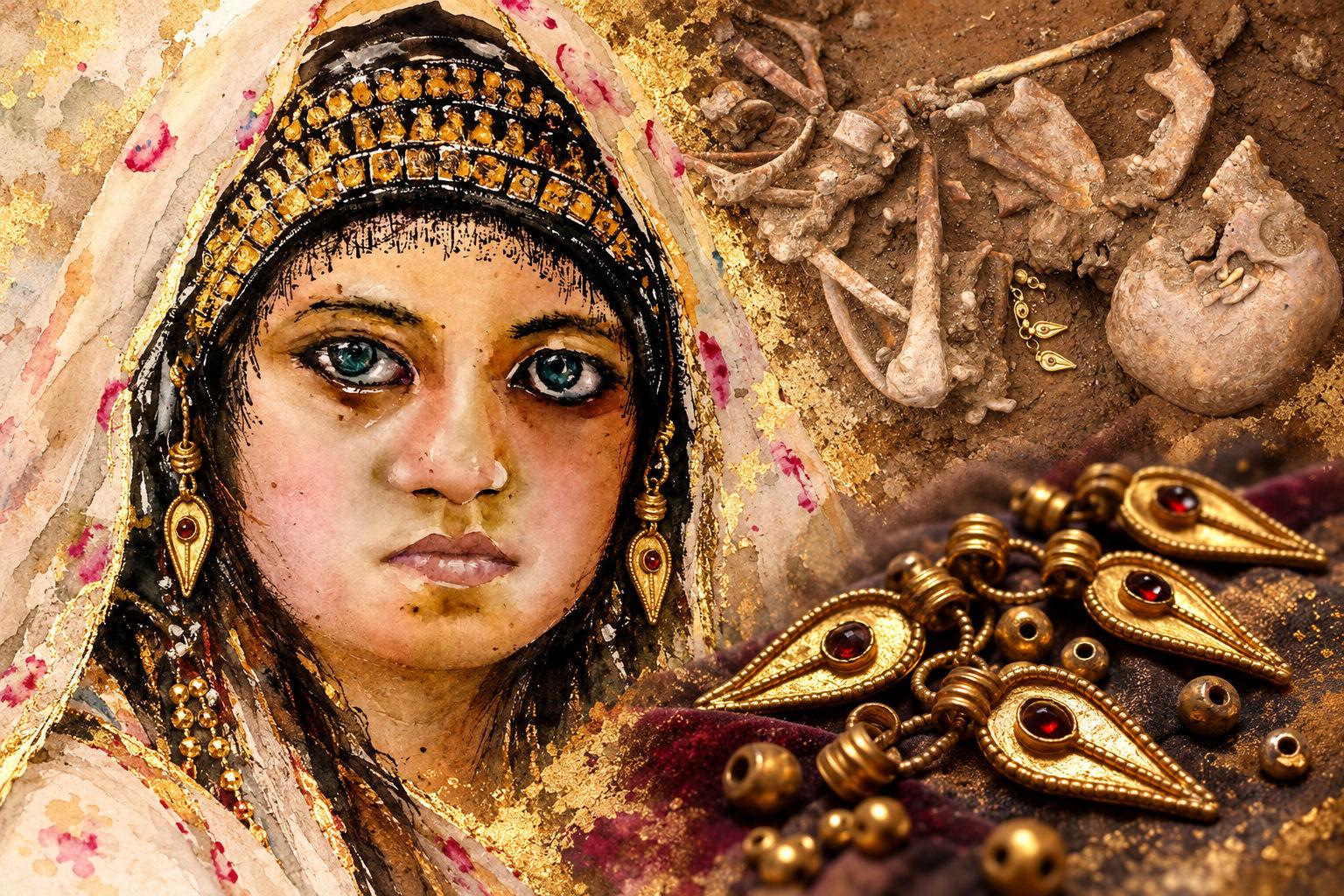
From the ancient DNA angle, the haplogroup tag I2a1a2a1b1a2b links Clan Munro heritage to a much older web of related paternal lines seen across prehistoric and early European contexts. These are not claims of direct descent from named ancient individuals, which would be far too strong, but they do show the wider story of related lineages. Linked samples include Ancient Spain Els Trocs (I0412), Neolithic Germany Esperstedt (I0172), Ancient Gotlander Battleaxe (Ajvide52X), Distillery Cave Oban Argyll and Bute Scotland (I3133), Neolithic County Clare Ireland (PB443), Neolithic Ireland (CH448), and Ardcrony Tipperary Neolithic Ireland (ARD2). What is striking here is the geographical spread: Iberia, Germany, Gotland, western Scotland, and Ireland. In other words, the genetic backdrop to a Highland clan can reach far deeper than the clan system itself, into the long peopling of Atlantic and northern Europe.
Explore Neolithic Northern Scotland
If Clan Munro is part of your story, or if the haplogroup I2a1a2a1b1a2b appears in your results, this is exactly where history and genetics begin to speak to one another. Upload your DNA to MyTrueAncestry and see whether you match the family story of the Munros, or related ancient DNA samples from Scotland, Ireland, and wider prehistoric Europe.
Comments