Clan Morrison
– 2 min read


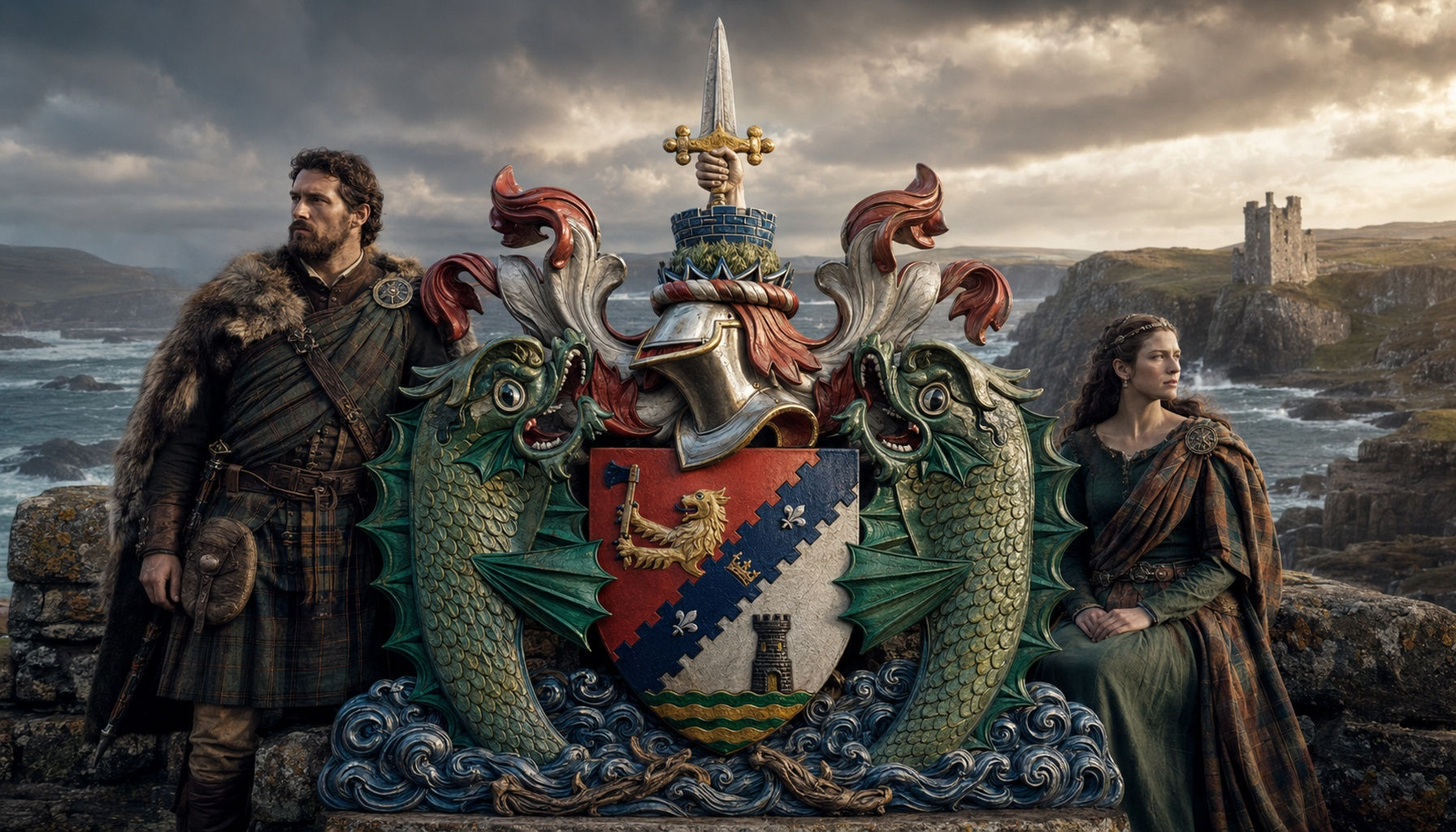
Clan Morrison was one of the old Hebridean kindreds of western Scotland, rooted above all in Lewis and the wider island world of the Outer Hebrides, with a heritage shaped by both Gaelic and Norse traditions. This is exactly the sort of clan history the western seaboard produces so well: families tied not just to a patch of land, but to sea lanes, island lordship, memory, and movement. In that sense the Morrisons belong to the classic maritime Highland story, where kinship mattered, surnames endured, and authority could travel by boat as easily as by horse. Primary family haplogroup: R1b1a1b1a1a2c1a5b1a1a3a3.
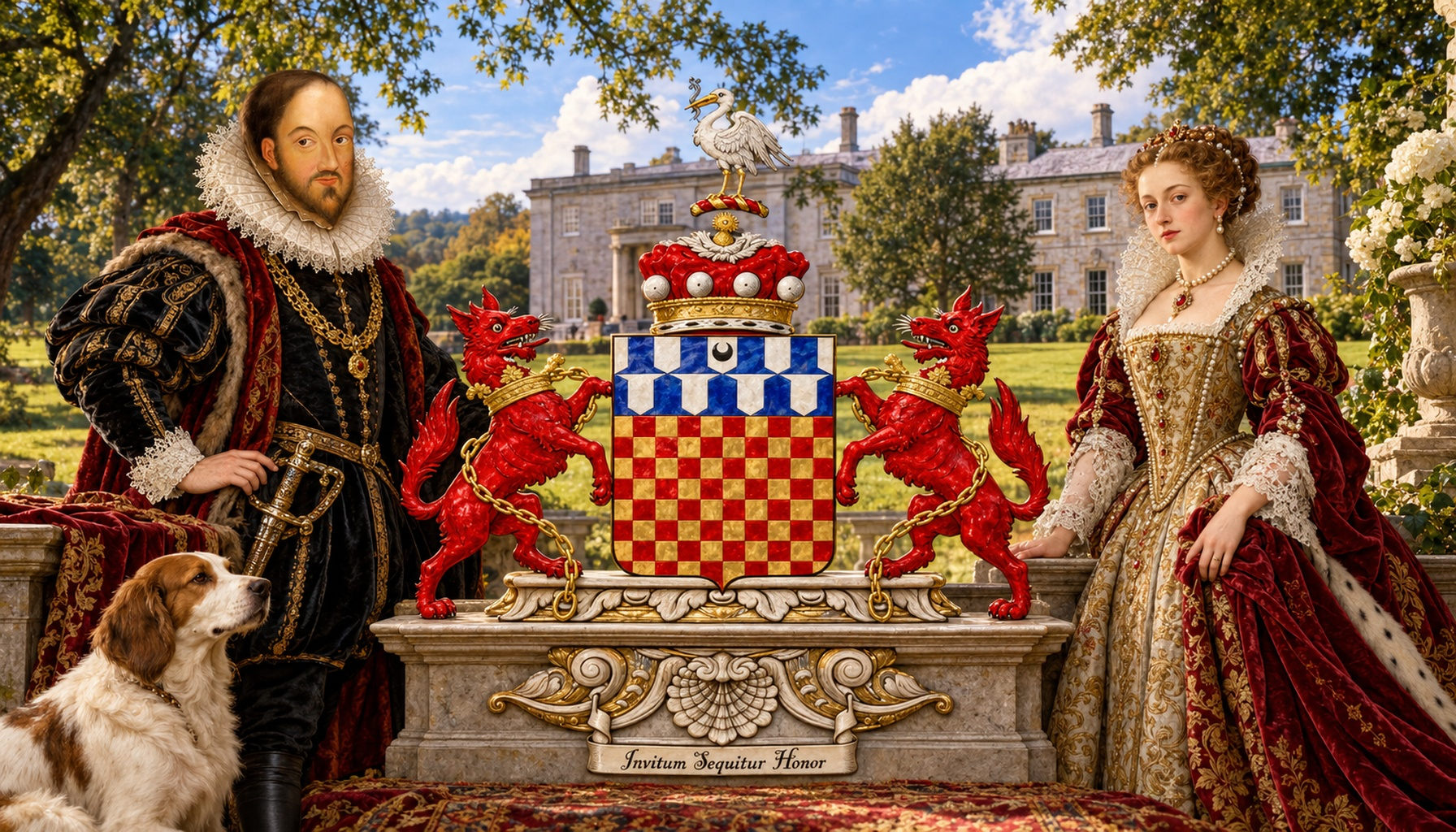
The name Morrison is often linked in Hebridean tradition with service, continuity, and in some accounts hereditary legal roles within island society, which is a wonderfully revealing reminder that clans were not simply bands of warriors waving swords on windy ridges. They were also social systems, custodians of local order, and carriers of inherited reputation. A named historical figure such as Hutcheon Morrison, recorded in 1550, gives us a glimpse of that continuity in the written record. Like many island clans, the Morrisons preserved identity through oral tradition, heraldry, surname continuity, and the practical realities of life in a region where the sea connected communities as much as it separated them.
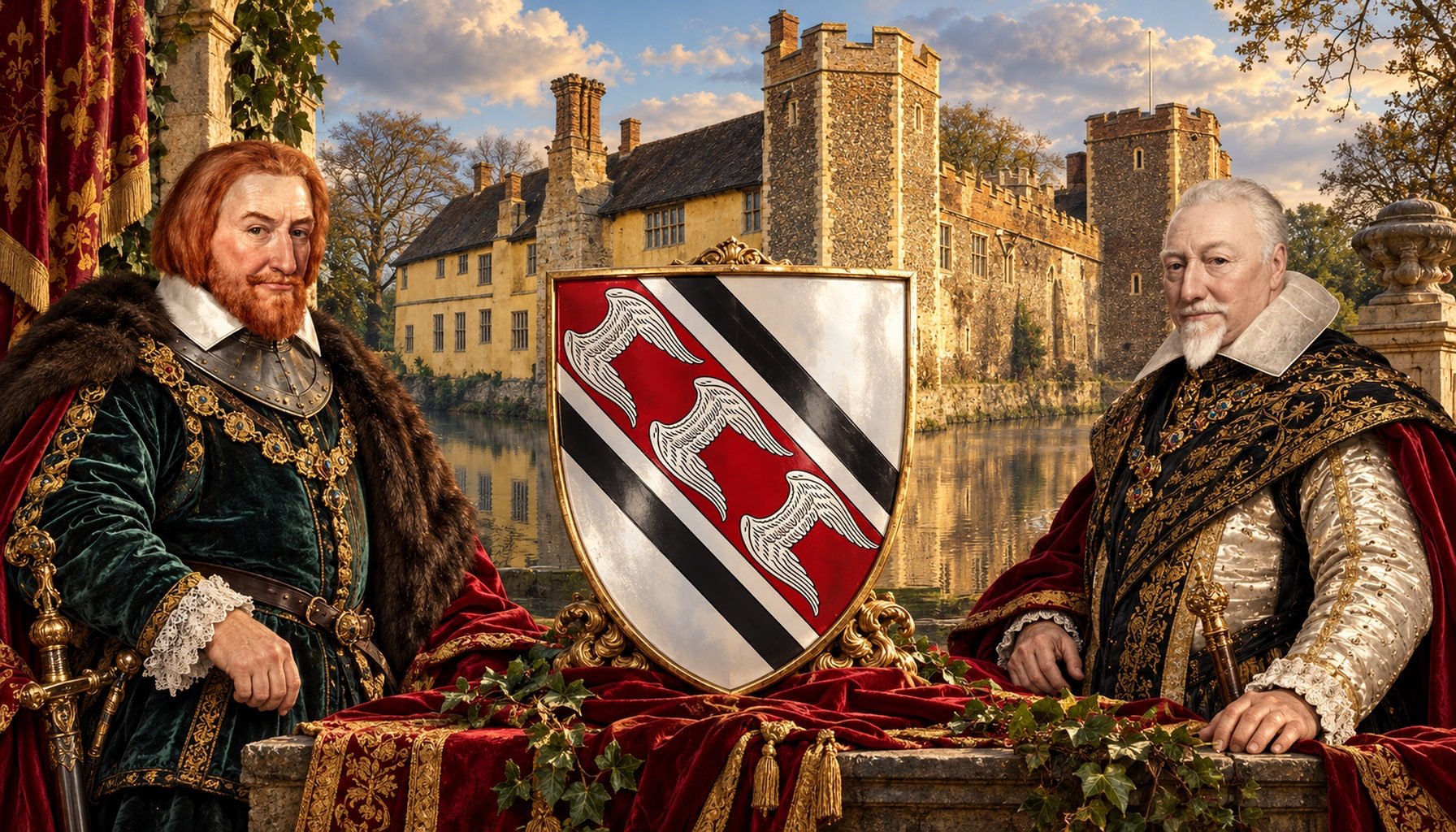
A later location anchor associated with the Morrison name is Bognie Castle in Aberdeenshire, near the River Deveron, which gives the story a mainland foothold as well as its island one. The castle itself is a ruined 16th-century tower house, traditionally said to have been built around the 1470s and later altered, standing on high ground with the kind of commanding view that mattered in a world of local power and watchfulness. In historical terms it belongs to that familiar Scottish pattern of fortified residence rather than fairy-tale fortress: a defensible home, a statement of status, and a marker of family presence in the landscape. Today Bognie Castle survives as a roofless ruin, but it still stands and can be viewed, so for visitors interested in clan landscapes it remains a worthwhile stop, especially because ruins like this let you see how family memory becomes fixed in stone.
Read more about Clan Mackenzie
From the ancient DNA angle, the Morrison-associated paternal line is tagged here with haplogroup R1b1a1b1a1a2c1a5b1a1a3a3. That does not prove direct descent from any excavated individual, and it is important not to pretend otherwise, but it does place the family within a broader web of related or linked ancient males found across Britain, Ireland, and the North Atlantic world. Relevant linked samples include Early Anglo Saxon Cemetery, West Heslerton, Yorkshire (I11586), Anglo Saxon Oakington, England (OAI012), Celtic Briton Carsington Pasture Cave, Derbyshire (I12778 and I12775), Celtic Briton Lechlade-on-Thames, Gloucestershire (I12783), Celtic Briton Bradley Fen, Cambridgeshire (I11156), Iron Age Greystones Farm, Gloucestershire (I12785), Ireland Copper Age Rathlin1B, and even a Danish-Gaelic Viking Age Iceland sample, SSG-A2. Taken together, those finds sketch a long northern story of continuity, migration, admixture, and maritime movement - very much the wider world in which a Hebridean clan like the Morrisons emerged.
If you carry the Morrison surname, have Hebridean roots, or simply suspect your ancestry runs through the Gaelic-Norse world of western Scotland, uploading your DNA can be a fascinating next step. It may help you see whether you match Clan Morrison's broader genetic profile or show connections to the related ancient DNA samples that illuminate the deep background of Britain, Ireland, and the Viking Atlantic.
Comments