Clan MacCulloch
– 2 min read


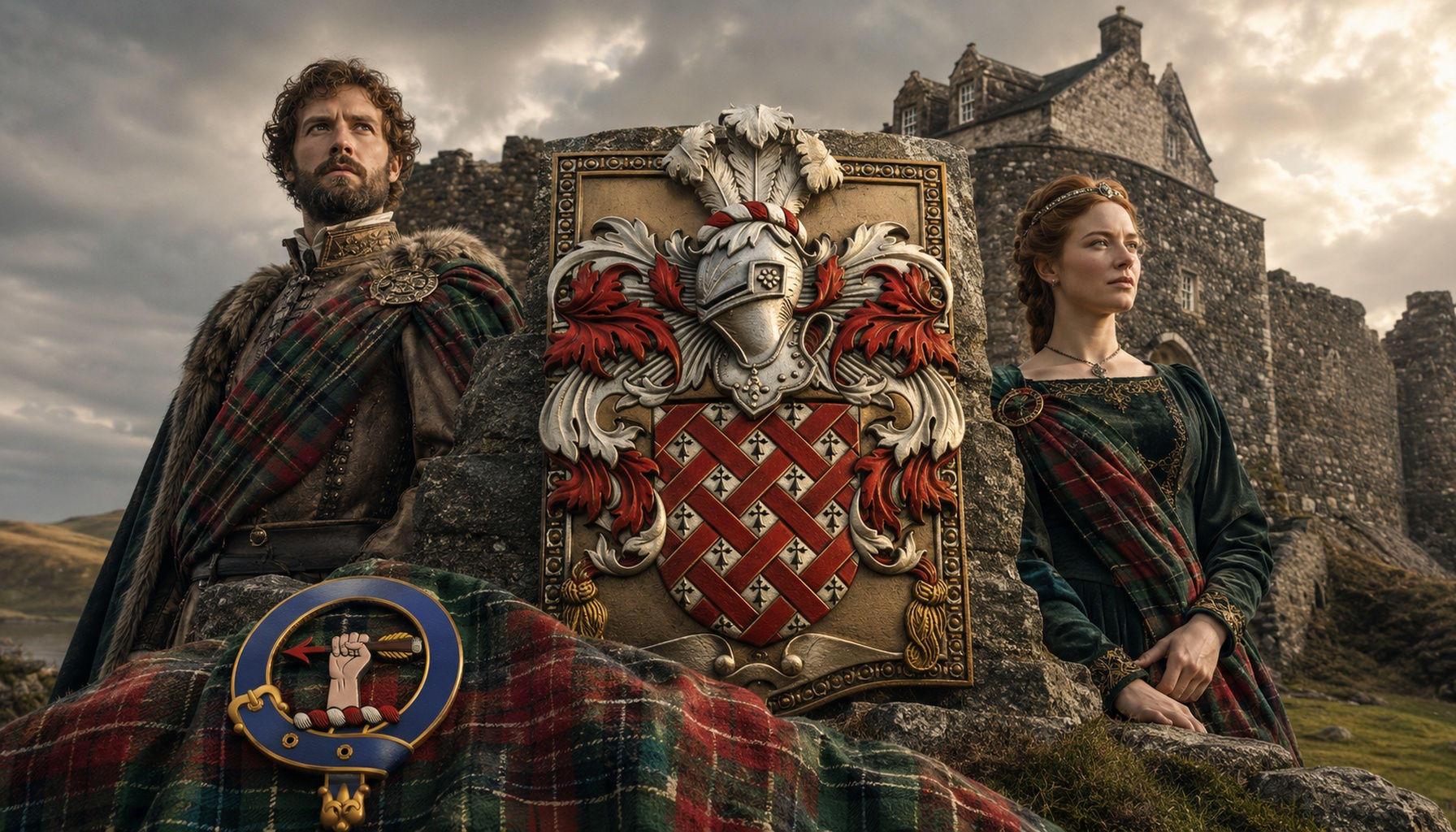
Clan MacCulloch was a Scottish family of regional standing, remembered above all in Galloway but also associated with Ross-shire, and that double geography tells you something important straight away. This was not a clan with one neat, single mountain cradle and a simple story. Like many Scottish surnames, MacCulloch grew through landholding, local authority, military and civic service, and the stubborn continuity of a name carried across generations. In genetic tagging terms, the primary family haplogroup linked here is I2a1b1a1a1a1a1b, a paternal line with deep roots in the peoples of Atlantic and northwestern Europe.
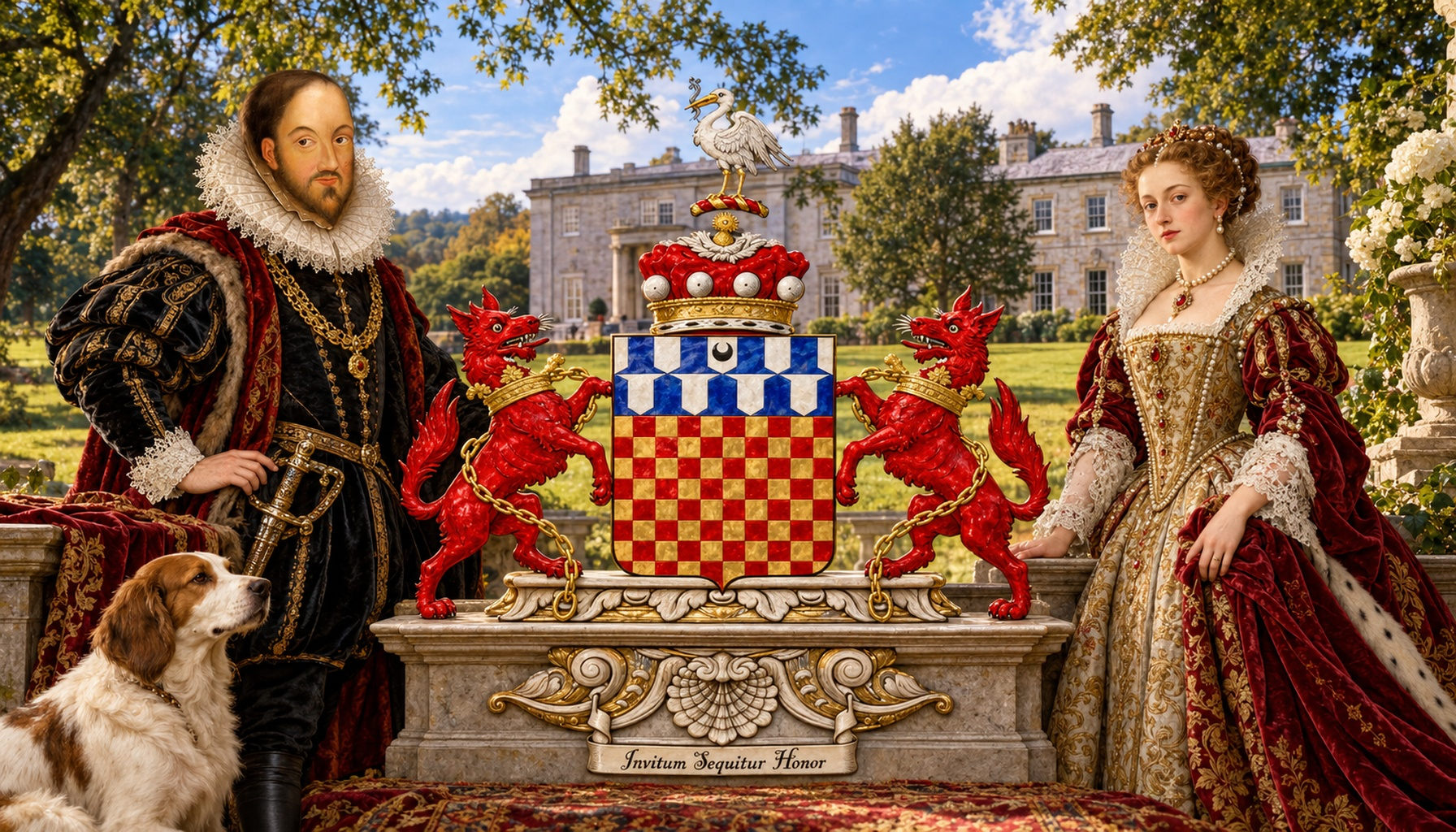
The historical record catches the family early and in useful fragments, which is often how medieval Scotland introduces its people to us. Thomas McCulloch appears in 1285, Sir Thomas McCulloch in 1305, and much later Sir Godfrey McCulloch, executed in 1697, remains one of the most dramatic figures attached to the name. The clan's history is not simply a tale of chiefs waving swords on a misty ridge. It is a more recognisably Scottish story than that: local power, estate management, service, feuding, law, heraldry, and survival. MacCulloch heritage reflects the broader regional-clan pattern of Scotland, where one surname could be tied to different territories and traditions while still preserving a strong sense of identity.
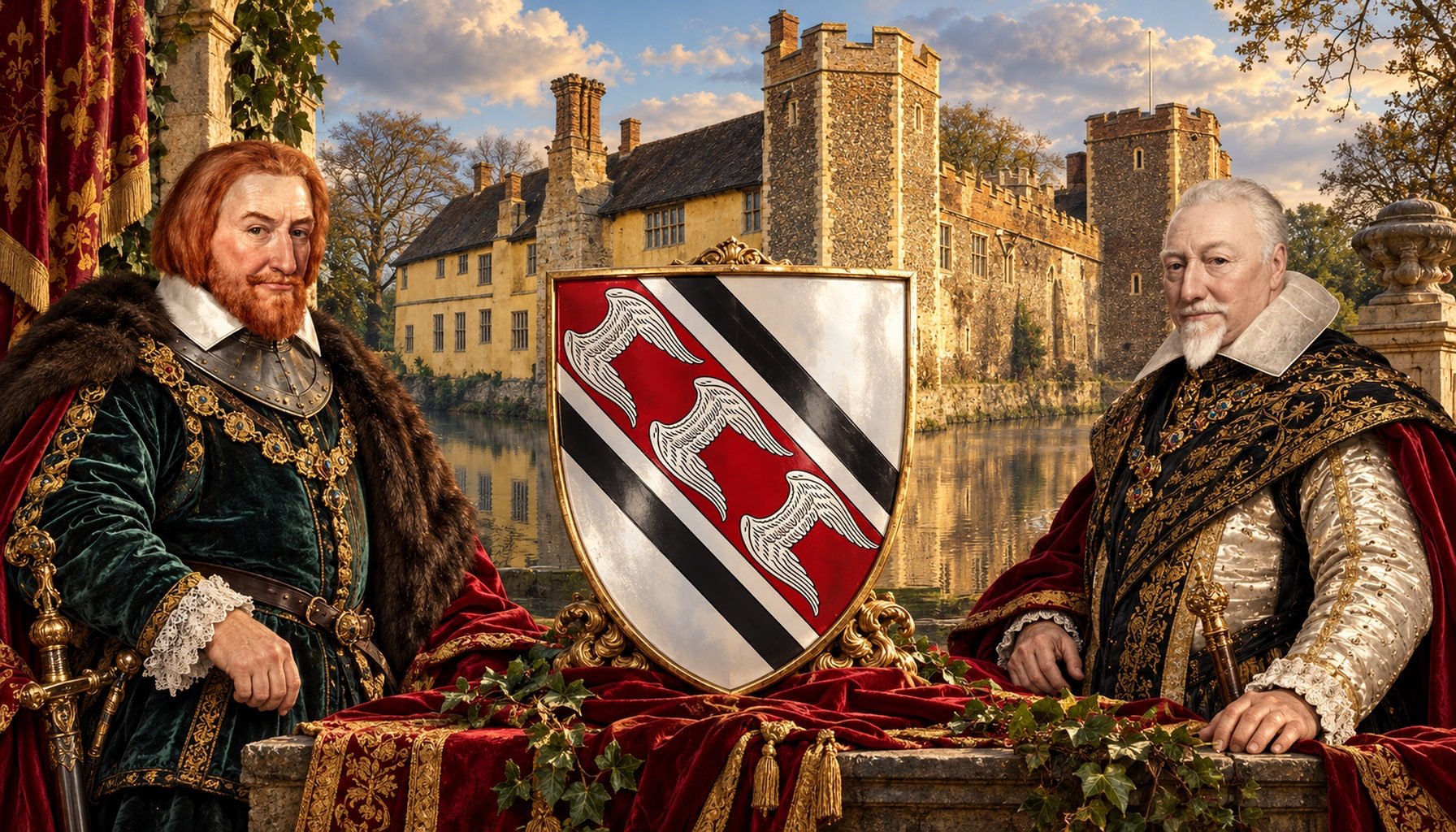
For the MacCullochs of Galloway, Cardoness Castle is the great stone anchor of memory. Standing near Gatehouse of Fleet in Dumfries and Galloway, the castle is a substantial late medieval tower house, begun in the fifteenth century and long associated with the McCullochs of Cardoness. It rises in that wonderfully uncompromising Scottish way, tall, defensive, and rather stern, built not as a romantic ornament but as a working lordly residence in a landscape where status and security went hand in hand. The castle once formed part of a wider estate and barony, and from here the family projected authority into the surrounding district. Today Cardoness Castle still survives in impressive condition, and yes, it can still be visited, which is one of the pleasures of Scottish history: the stones are often still there, not tucked away in books but standing in the weather for anyone willing to make the journey.
Read more about Clan Mackenzie
From the ancient DNA side, the MacCulloch-linked haplogroup I2a1b1a1a1a1a1b connects the family story to a much deeper and broader human background. Related or linked samples include Medieval England Augustinian Friars (ATP_PSN_527), Celtic Briton Cliffs End Farm England (I14866), Neolithic Wales Orchid Cave Denbighshire (I16491), Iron Age East Lothian Scotland (I16418), MacAurthur Cave Oban Argyll and Bute Scotland (I2657), Bell Beaker Wiltshire Upavon England (I4949), Ancient Carrowmore Ireland (car004), and Pabay Mor Isle of Lewis Scotland (I2655). These do not prove direct descent from any one ancient individual, and it is important not to pretend otherwise. What they do show is that this paternal lineage, or very nearby branches of it, appears across a remarkably long timespan in Britain and Ireland, from Neolithic and Bell Beaker contexts through Iron Age and medieval worlds. In other words, the MacCulloch story sits within a very old northwestern European genetic landscape.
If you carry the MacCulloch surname, or think you may connect to this family through Scottish roots, DNA can add an intriguing extra layer to the paper trail. Upload your DNA to MyTrueAncestry and see whether you match the family group or any of these related ancient DNA samples, then set the heraldry, records, and old stones like Cardoness beside the genetic evidence for a fuller picture of your past.
Comments