Clan MacColl
– 3 min read


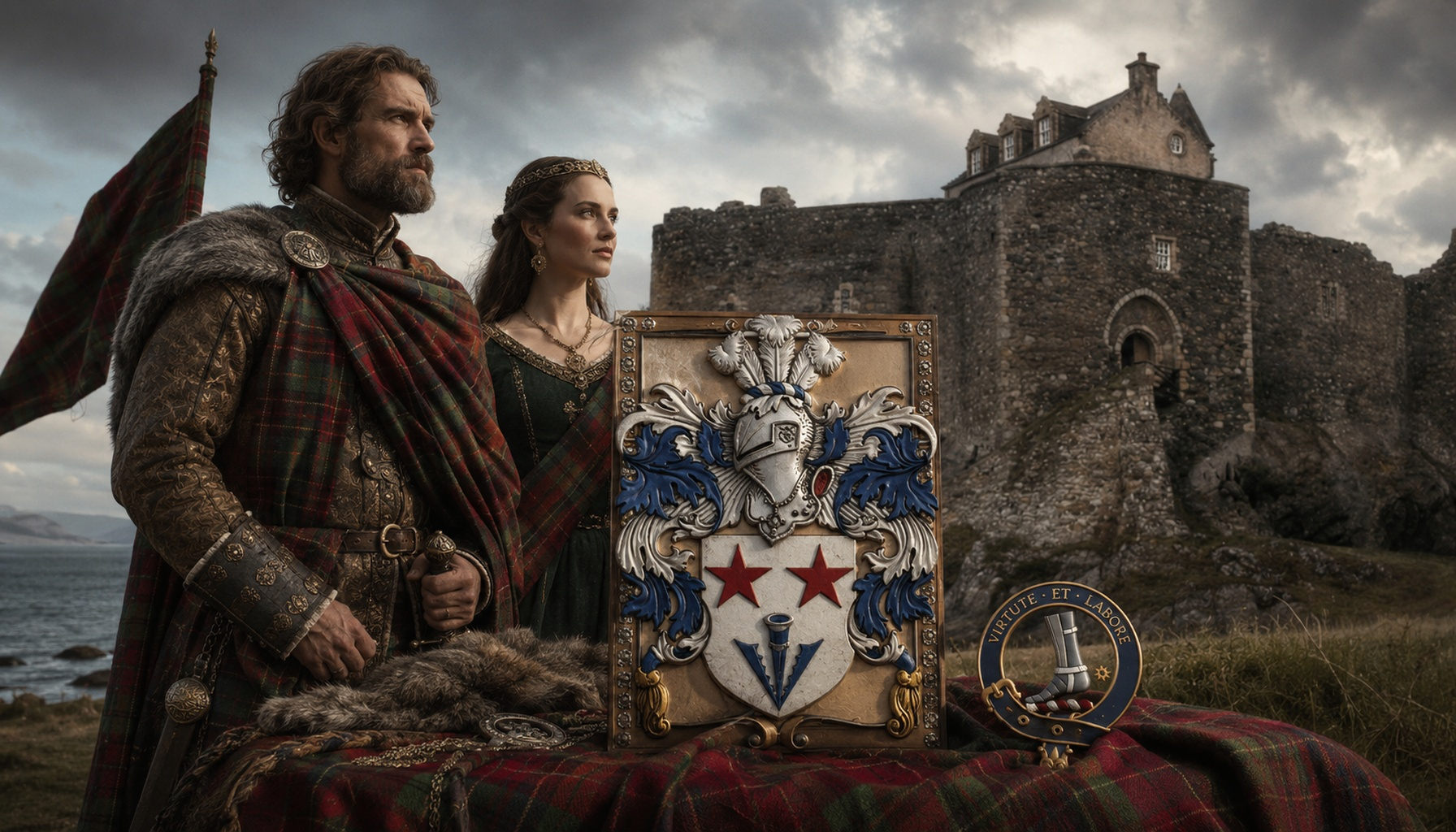
Clan MacColl was one of the old Highland kindreds of Argyll and the western seaboard of Scotland, rooted in the Gaelic world where family, place, and memory mattered as much as any formal charter. The name itself means son of Coll, a classic patronymic that immediately places the family inside the naming traditions of the Highlands, where descent was spoken, remembered, and constantly renewed. In genetic terms, the primary family haplogroup linked here is R1b1a1b1a1a2c1a1e, a branch within the wider western European paternal landscape that fits comfortably with the long story of Atlantic and Celtic-connected populations.
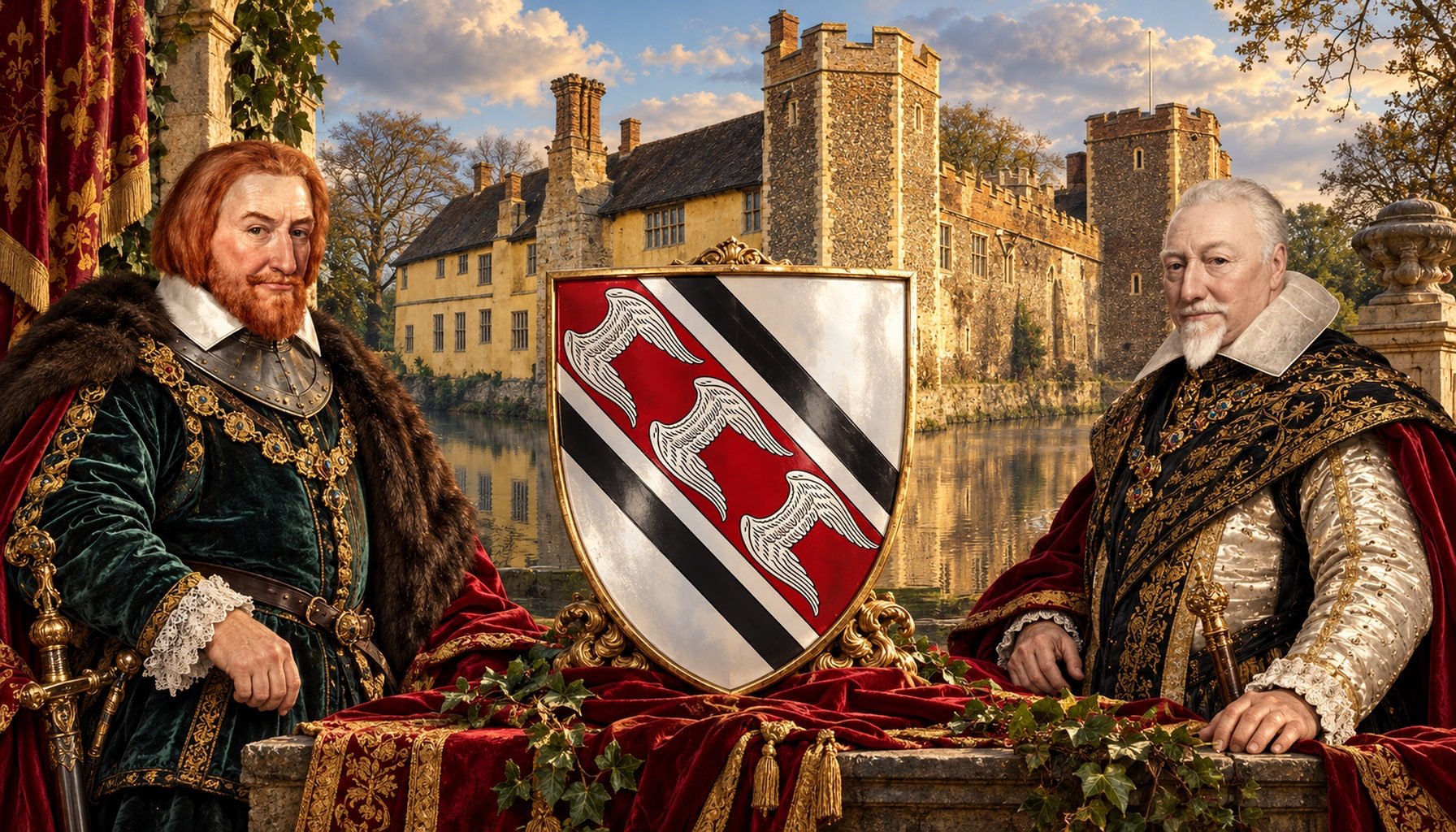
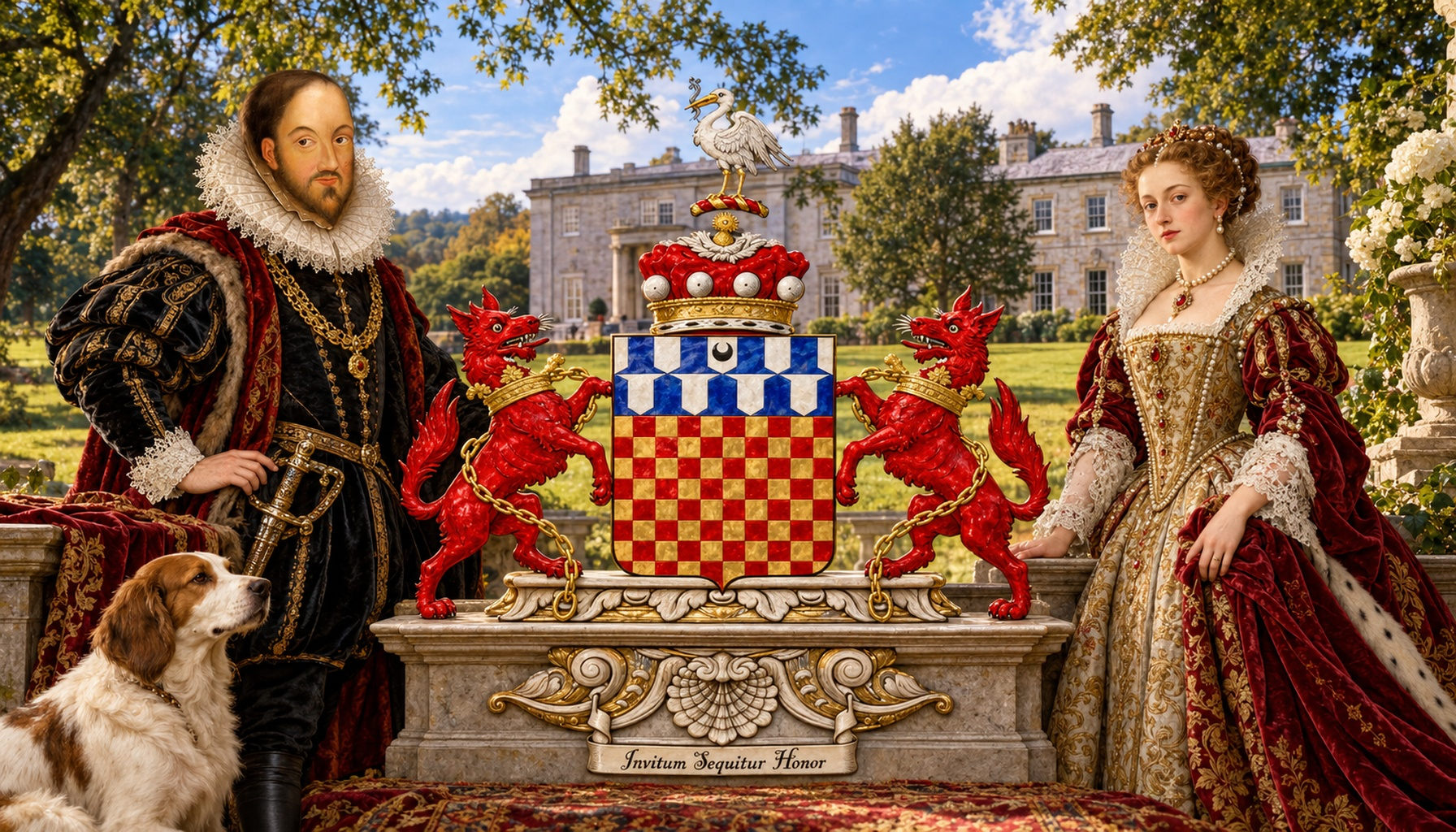
MacColl heritage grew out of exactly the sort of world that made western Highland surnames what they were: sea routes rather than motorways, kinship rather than bureaucracy, and local reputation rather than printed paperwork. Families such as the MacColls were tied to service, landholding, movement along the coast, and the shared Gaelic culture of Argyll, the Hebrides, and nearby mainland districts. Their identity survived not because every century left neat archives, but because oral tradition, heraldry, local belonging, and repeated use of the name kept the line visible. Named figures associated with the wider surname record include Robert MKawele, Lord of Karsnelohe, active around 1370 to 1380, and James MacKall, Baron of Caithness, recorded in 1545. They remind us that surname forms could vary wildly in medieval and early modern records, while the family memory behind them remained surprisingly durable.
Read more about Clan MacAlister
A key location anchor for Clan MacColl is Loch Fyne in Argyll, one of the great sea lochs of western Scotland and, fittingly for a coastal Highland family, less a barrier than a thoroughfare. Loch Fyne stretches deep inland from the Firth of Clyde and is famous as the longest sea loch in Scotland. Historically it connected communities by water, linking farms, fishing grounds, ferries, church sites, local lordships, and the wider maritime highways of the Gaelic west. This matters for understanding MacColl heritage because Highland families here did not live in isolated glens cut off from the world; they lived in a watery landscape where boats, coastal travel, and kin links across short sea crossings were part of daily life. The loch is also well known for its natural beauty, its fisheries, and settlements such as Inveraray, and yes, it can certainly still be visited today. For anyone tracing MacColl roots, Loch Fyne offers something wonderfully tangible: not just a dot on a map, but a real historic landscape where the rhythms of clan life once unfolded.
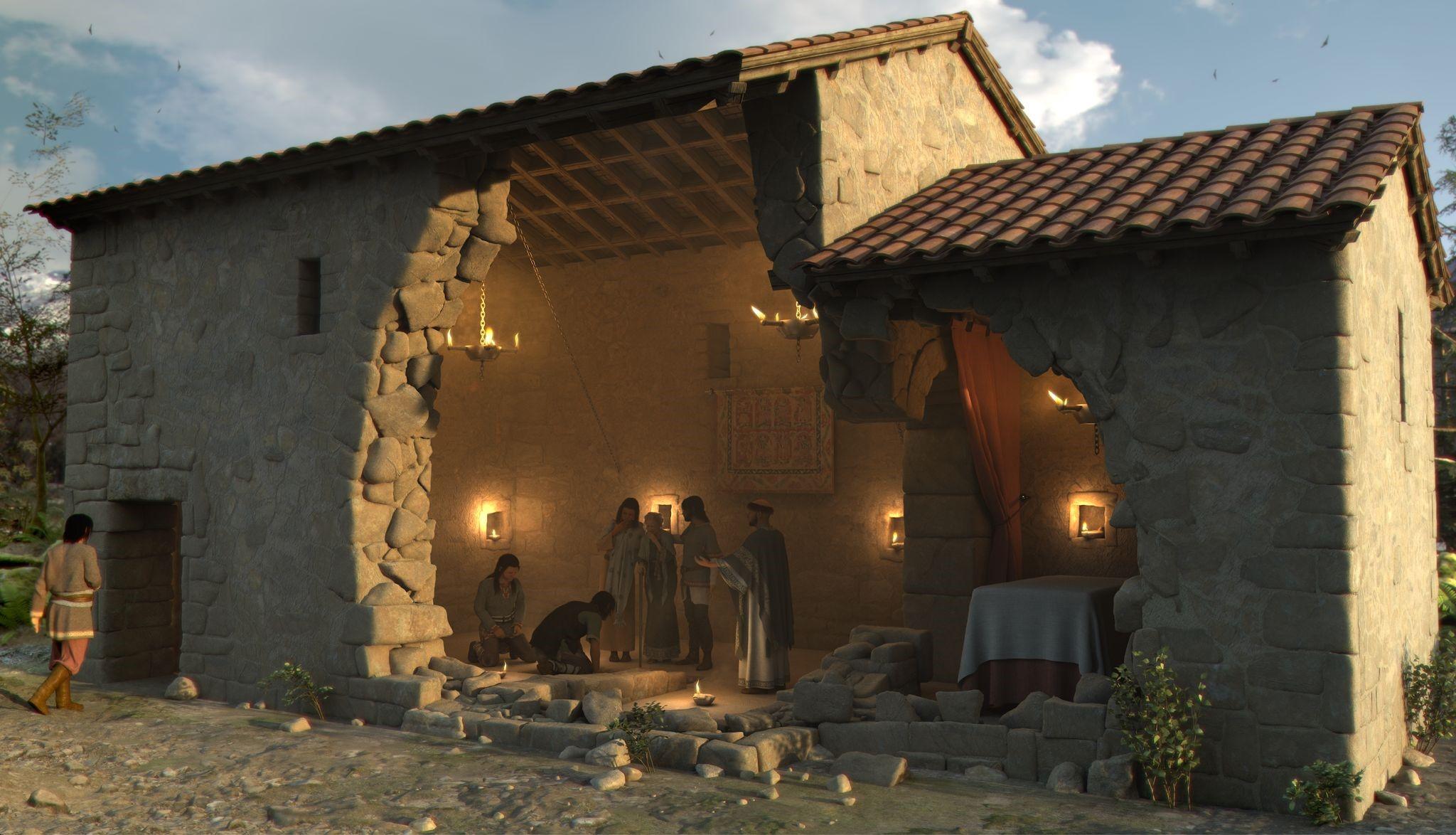
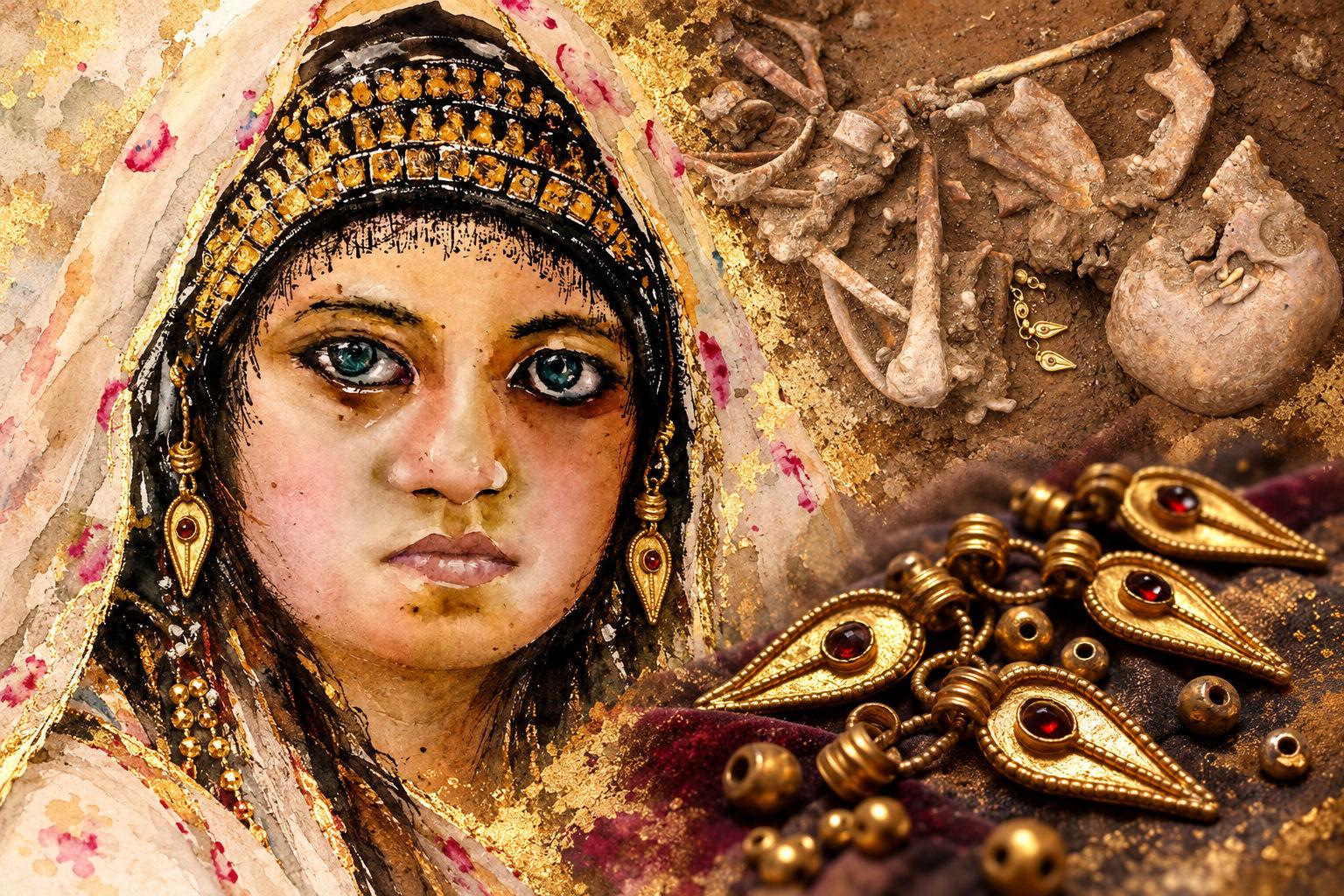
The haplogroup R1b1a1b1a1a2c1a1e is linked to a broad and rather fascinating spread of ancient samples across Britain and beyond, which helps place Clan MacColl in a much deeper paternal story without claiming direct descent from any one ancient individual. Related or linked samples include several Celtic Durotriges individuals from Duropolis at Winterborne Kingston in England, such as WBK12, WBK20, WBK29, WBK41, WBK05, WBK30, WBK43, WBK06, WBK08, WBK18, and WBK191, alongside later and wider examples like the Pict-era Mine Howe samples in Orkney, Iron Age Highland Applecross individuals, Late Bronze Age Covesea Caves in Moray, Bronze Age Orkney at Links of Noltland, medieval Ireland Kilteasheen burials, Saxon Hinxton, and Las Gobas in northern Spain. What that suggests, in broad brushstrokes, is not a single clan origin story frozen in one grave, but a paternal lineage moving through the same Atlantic and northwestern European human landscape that fed into the making of Gaelic Scotland. It is a splendid reminder that clan history sits on top of a far older prehistoric and early historic tapestry.
If Clan MacColl is part of your story, this is the moment to turn family tradition into something you can actively explore. Upload your DNA to MyTrueAncestry and see whether you match Clan MacColl, its primary haplogroup R1b1a1b1a1a2c1a1e, or related ancient DNA samples from Iron Age, Pictish, medieval, and coastal Atlantic contexts. It is a wonderfully direct way to put your own family beside the deeper history of Argyll, Loch Fyne, and the wider Gaelic world.
Comments