Clan MacAlister
– 3 min read


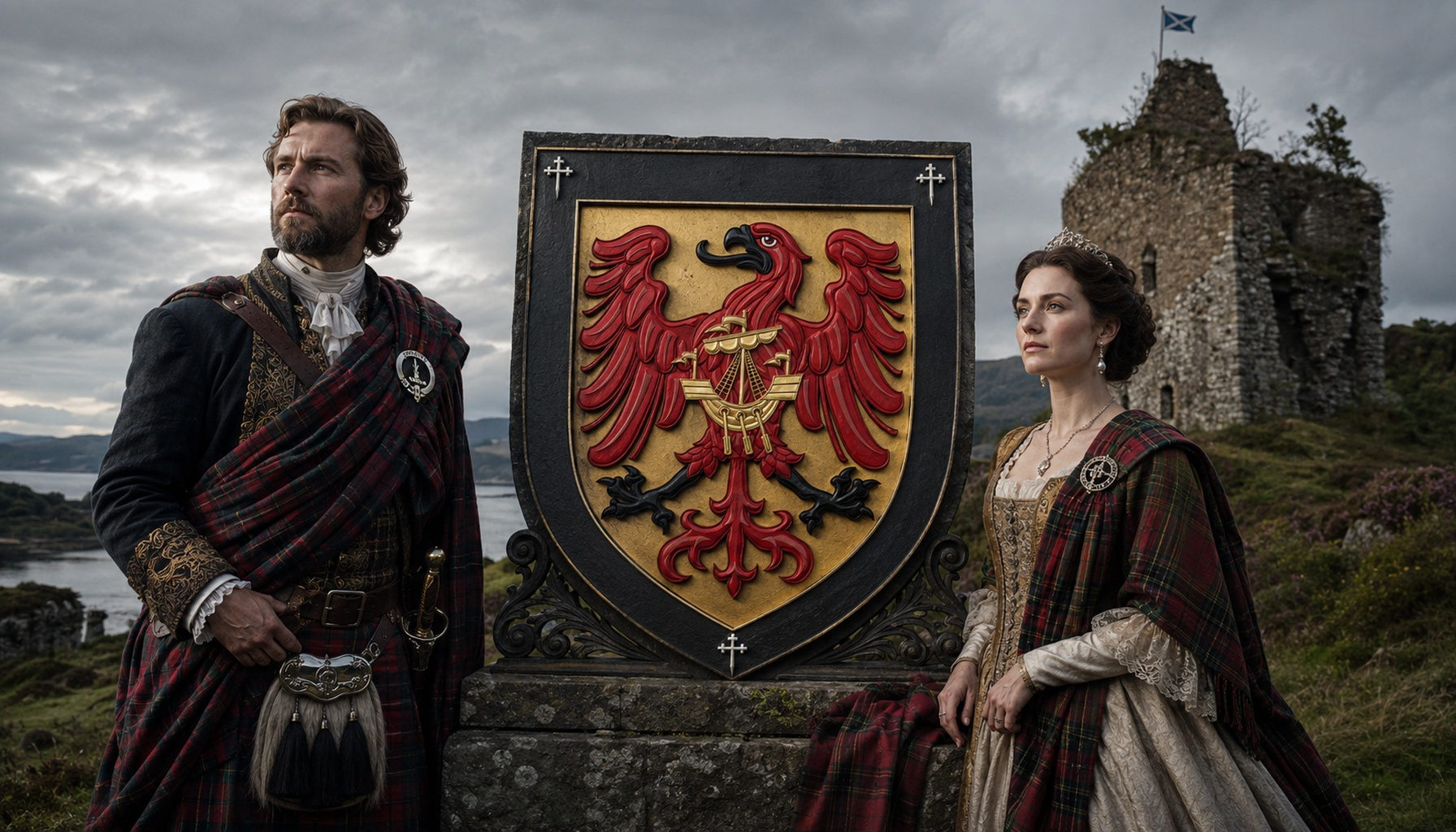
Clan MacAlister was a west Highland kindred of Gaelic speech, sea-roads, and stubborn local identity, rooted above all in Kintyre and the wider western seaboard of Scotland. Traditionally linked to the great Clan Donald world, the MacAlisters belong to that classic Hebridean and Argyll pattern in which family, lordship, and the sea were inseparable. Their primary associated haplogroup is R1b1a1b1a1a2c1b1a, a lineage often found in Atlantic-facing parts of Britain and Ireland and useful here as a genetic tag for a broader paternal story rather than a magic key to every individual ancestor.
The clan emerged from a medieval landscape where kinship mattered as much as parchment, and where a family could hold together through boats, marriage ties, service in war, and memory carried in Gaelic tradition. That is the world in which the MacAlisters took shape: not a neat bureaucratic unit, but a living network of people attached to place, reputation, and descent. Figures such as Alasdair Mor, recorded in 1253, remind us that this was already a family with historical visibility in the high medieval period. Like many Highland clans, the MacAlisters preserved identity through chiefship, heraldry, and oral remembrance even as Scotland's political order shifted around them, from the age of the Lordship of the Isles to later pressures of crown power, land change, and social transformation.
Read more about Clan MacDonald
A useful location anchor for MacAlister heritage is Kennox House in East Ayrshire, a later landed house rather than an original medieval sea-lord stronghold, but one that helps show how old Gaelic and Scottish family histories often continued into the world of estates, improvement, and country houses. Kennox House, near Galston, is an 18th-century mansion with earlier roots on the site and is noted for its architectural character and landscaped setting. Over time it passed through families of standing and became part of that distinctly Scottish story in which older kin identities were reframed through modern residence, inheritance, and gentry culture. In other words, if Kintyre and the western seaways tell us where the clan spirit was forged, places such as Kennox House show how family memory could later be housed, literally, in stone, symmetry, and estate life. As a historic house, it is a known heritage site, and the grounds or exterior may be visited depending on current access arrangements, so it is worth checking ahead before making a special trip.
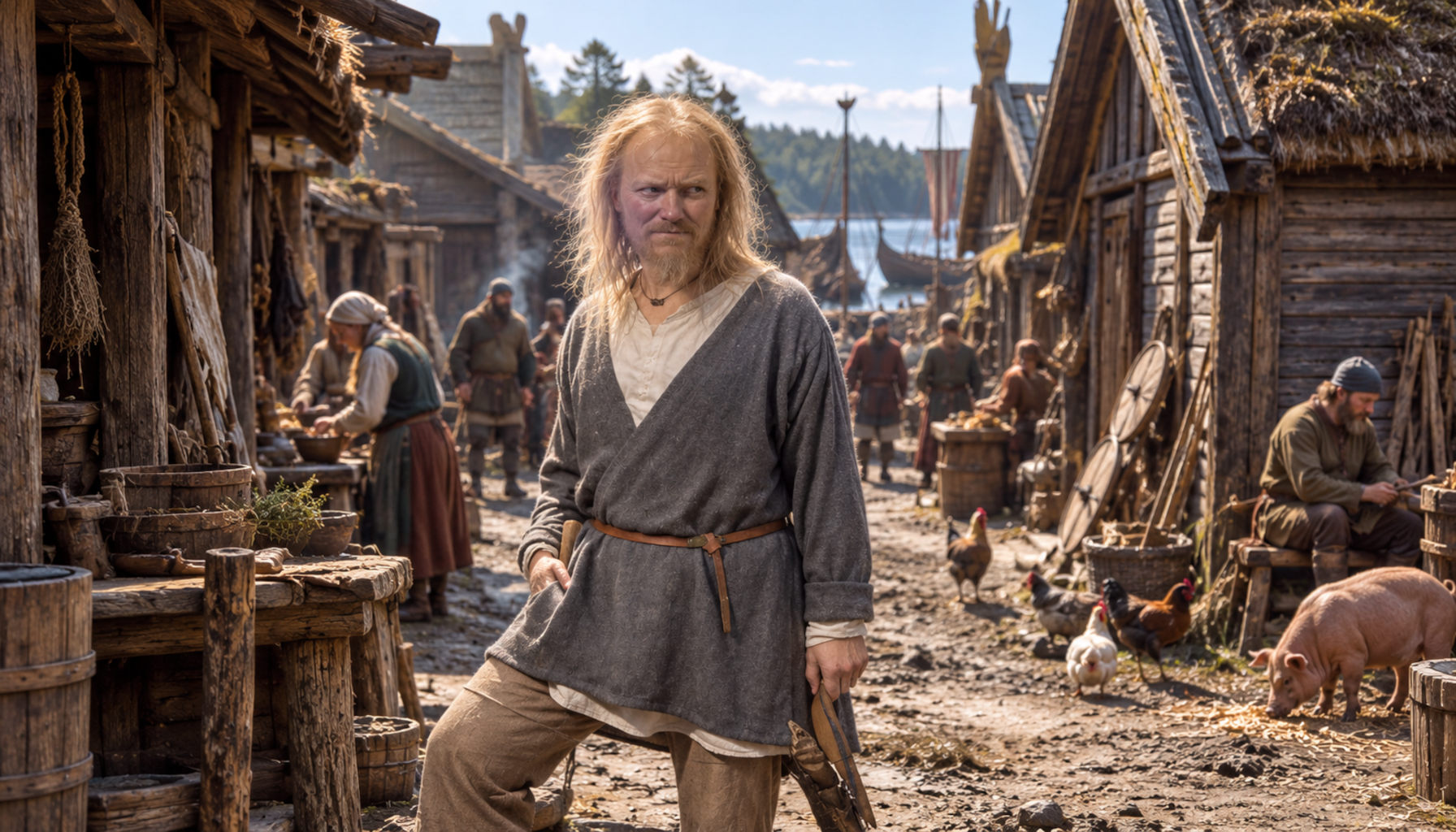
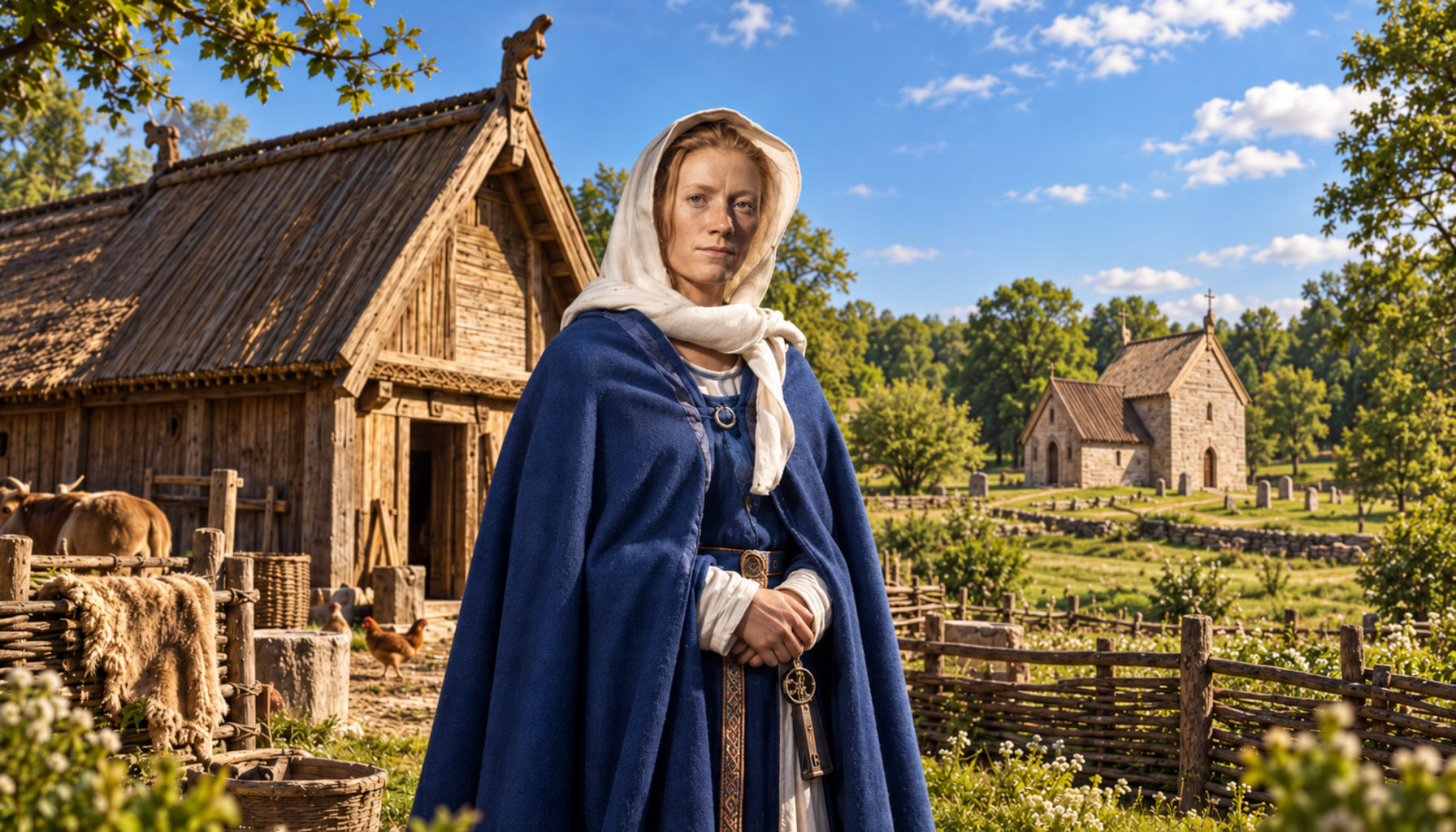
From an ancient-DNA point of view, the MacAlister tag R1b1a1b1a1a2c1b1a sits within a wide and rather fascinating web of related or linked samples across Britain and Europe. These do not prove direct descent from Clan MacAlister, and it is important not to pretend otherwise. But they do sketch the older population background from which a west Highland Gaelic clan eventually emerged. Linked samples include Late Bronze Age and Iron Age individuals from Britain such as Covesea Caves, Moray, Scotland (I2859x), Applecross in Highland Scotland (I3566, I3567), Broxmouth in East Lothian (I16504, I2695), East Kent and Ramsgate (I19909), and a spread of Celtic Briton and Iron Age burials from Oxfordshire, Wiltshire, Somerset, Yorkshire, Bedfordshire, Hampshire, and Wales. There are also later related samples from Roman-era Cambridgeshire Duxford (DUX019), Pict-era Orkney Mine Howe (CGG018915, CGG018915x), medieval Ireland at Kilteasheen in Roscommon (KIL012, KIL015, KIL025), Saxon and early Anglo-Saxon England at Hinxton, Buckland Dover, Hatherdene Close, Eastry, Lakenheath, and beyond, plus related medieval and earlier examples from northern Spain, Italy, Hungary, Hedeby, and even Viking Age Scandinavia. What all this suggests is not a single clan marching intact through prehistory, but a long Atlantic and northwestern European genetic backdrop into which Gaelic-speaking western Scottish families like the MacAlisters were historically formed.
If you carry MacAlister ancestry, or simply suspect a connection to the western Highlands, uploading your DNA can be a wonderfully practical way to test family tradition against the deeper archaeological record. You may find matches to people connected with Clan MacAlister, or to related ancient DNA samples from Iron Age Scotland, medieval Ireland, or the broader Atlantic world that shaped Gaelic history.
Comments