Clan MacAulay
– 3 min read


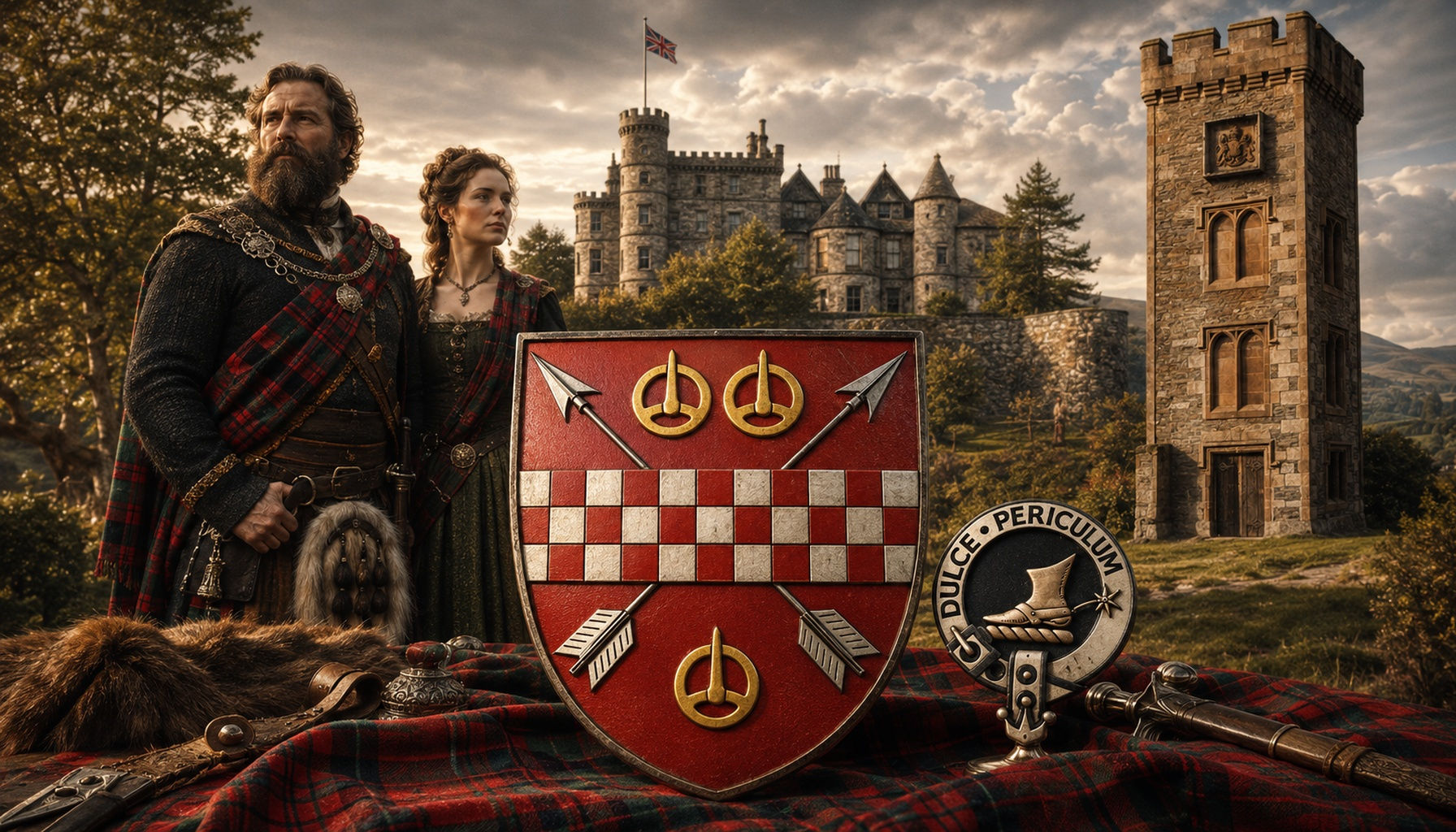
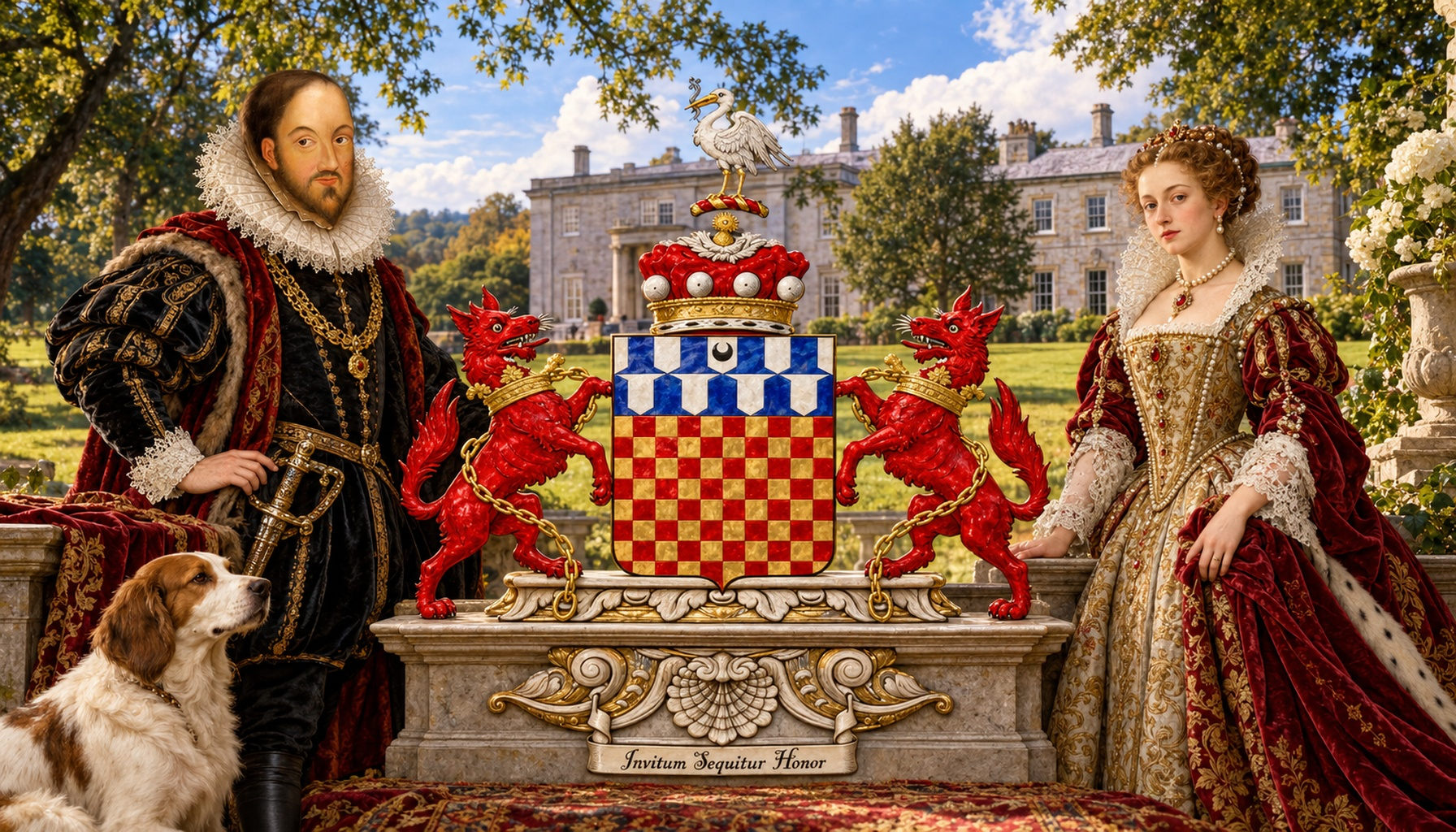
Clan MacAulay was one of the old Gaelic kindreds of Scotland, most strongly associated with the western Highlands, the Lennox, and the lands around the lower Clyde. The surname belongs to the broad Gaelic naming world, where names shifted by region, spelling, and allegiance, and where a clan was rarely a neat, single-blooded unit in the modern sense. In that spirit, MacAulay heritage is best understood as a layered story of kinship, local service, martial reputation, heraldry, and the stubborn continuity of family memory. In genetic tagging terms, the primary family haplogroup linked here is R1b1a1b1a1a2a6, a branch within the great R1b line so common across much of Atlantic and western Europe.
The MacAulays developed across more than one regional branch, which is exactly what makes them so historically Scottish. They belonged to a world of shifting frontiers between Highland and Lowland, Gaelic and Scots-speaking, local lordship and wider royal power. Their roots are often tied to the old earldom of Lennox and to the western seaboard sphere where sea routes mattered as much as roads. Like many clans, they were not frozen in one spot or one role: they appear in traditions of fighting men, household retainers, landed families, and people whose identity was preserved as much in remembered ancestry as in surviving charters. The mention of Kenneth MacAlpin, King of the Picts from 843 to 858, belongs to that wider Gaelic royal memory-world that later Scottish clans often looked back toward, even when direct documentary lines are far harder to prove than family tradition suggests.
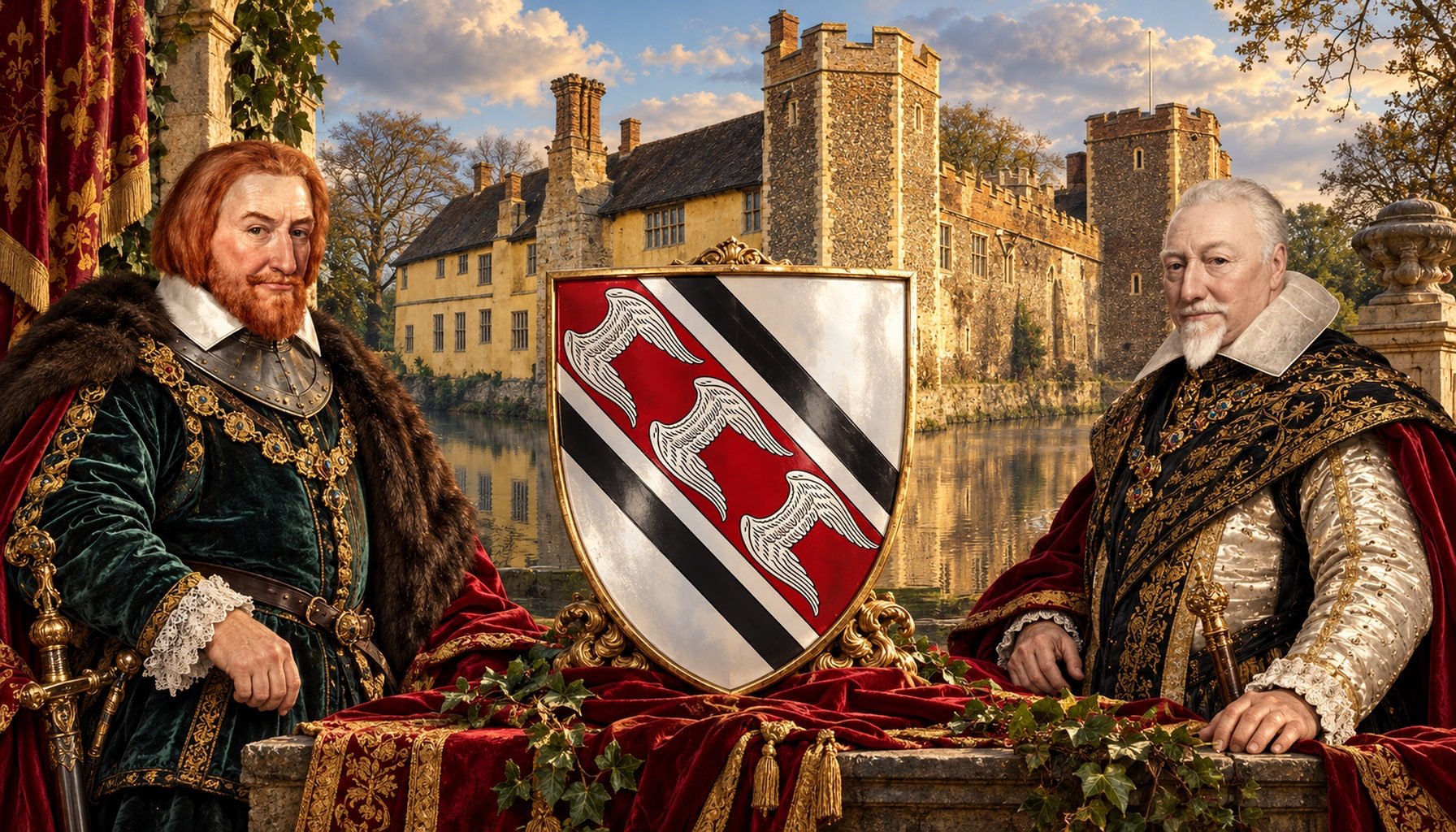
The great location anchor for Clan MacAulay is Ardencaple Castle, near Helensburgh in Argyll and Bute, historically in the old county of Dunbartonshire. This was the chief seat of the MacAulays of Ardencaple and gave the clan a proper territorial centre, the sort of place that turned a surname into a political fact. The site stands on rising ground above the Firth of Clyde, and that matters, because this was a landscape of sea movement, surveillance, local prestige, and strategic connection to the Lennox and wider western Scotland. The castle itself developed over centuries, from an older fortified residence into a larger house, and by the modern period much of it had been altered or reduced. What survives today is chiefly the tower portion, a fragment perhaps, but a very eloquent one. It still carries the air of a place that once embodied clan authority, hospitality, defense, and continuity. Yes, it can still be visited from the outside as a surviving historic structure, though visitors should expect remains rather than a fully intact medieval castle.
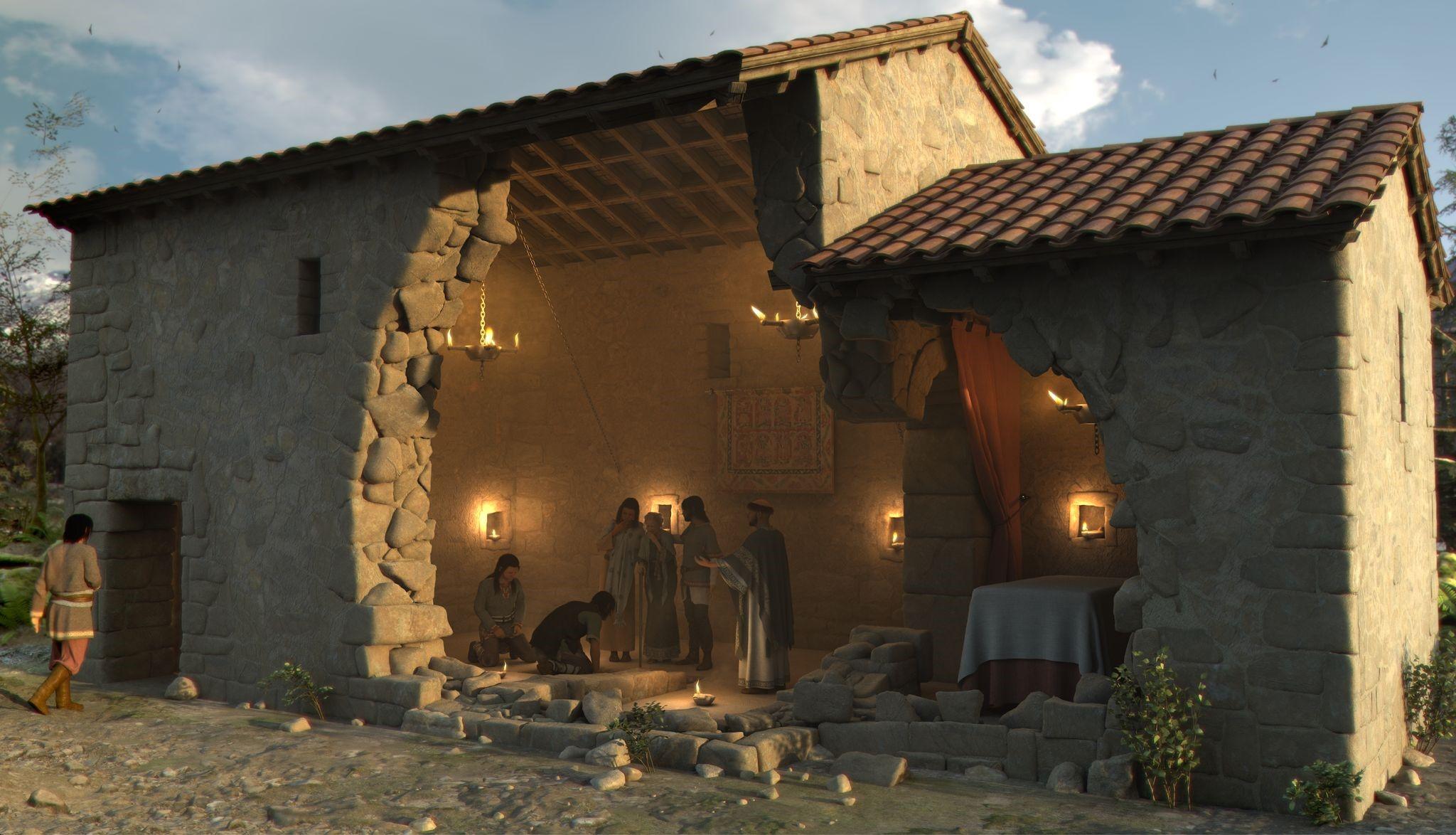
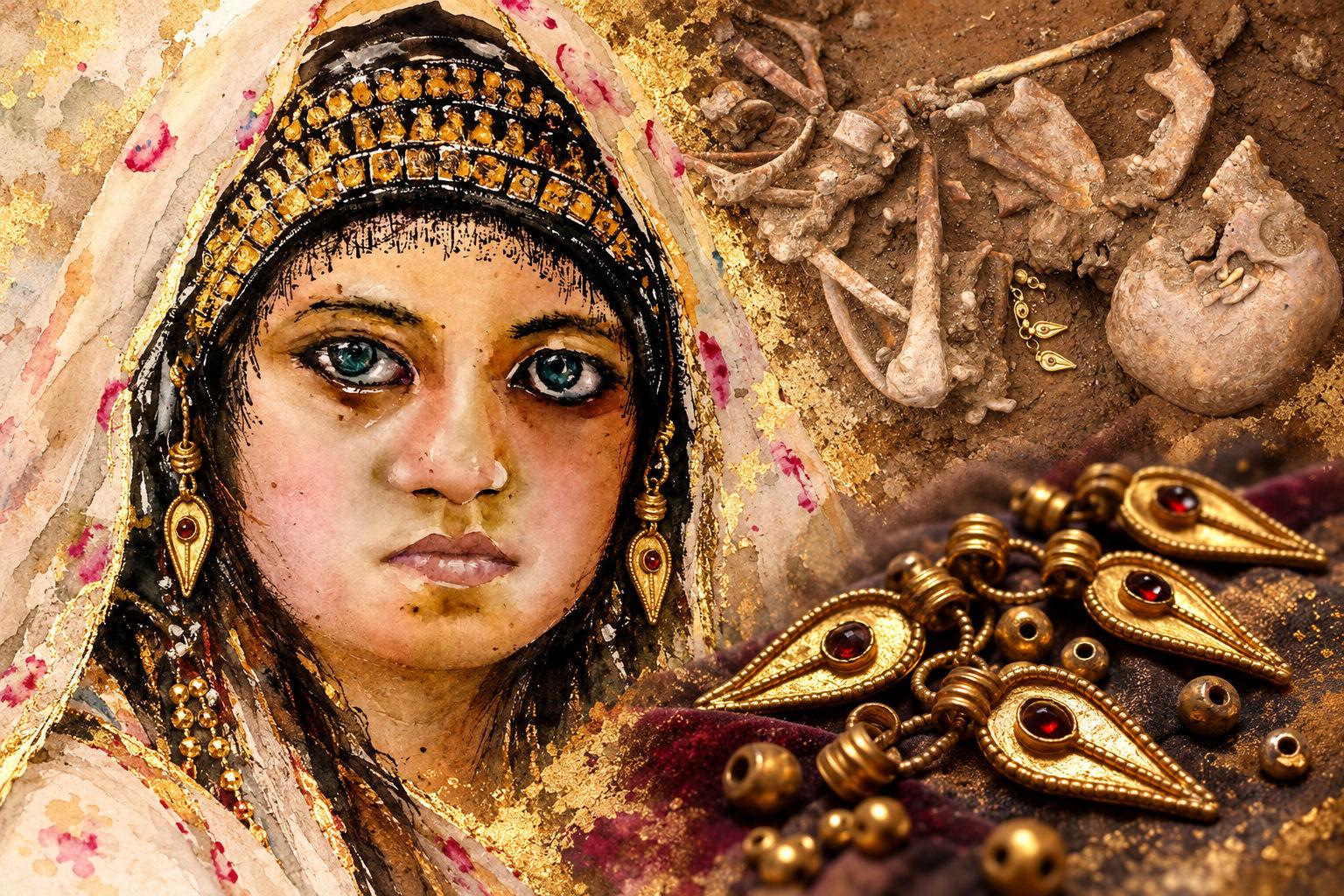
From an ancient-DNA perspective, the MacAulay-tagged haplogroup R1b1a1b1a1a2a6 sits inside a very wide and rather fascinating European story. Related or linked samples appear across a long arc of time and geography: among Pict-era individuals from Rosemarkie Cave on the Black Isle in Scotland such as KD001 and related burials; among Iron Age and Celtic-context individuals in Britain like the Durotriges samples WBK106 and WBK36 from Winterborne Kingston; in Roman and medieval Britain at places such as Fenstanton and Cherry Hinton; and further afield in medieval northern Spain at Las Gobas, with samples including ldo066, ldo037, ldo046, ldo048, ldo062, and ldo040. The same broader line also turns up in elite Celtic burials in southern Germany such as APG001, APG003, and the Ludwigsburg Roemerhuegel individuals, and reaches back into Bell Beaker and Bronze Age contexts in France, the Low Countries, and central Europe. None of this proves direct descent from any one ancient person, of course. What it does show is that the paternal branch linked with the MacAulay profile belongs to an old and well-travelled western European story, one that touches Celtic, Pictish, Roman-period, and medieval populations relevant to the historical formation of Scotland.
Read more about Clan MacFarlane
If Clan MacAulay is part of your family story, DNA can add an intriguing extra layer to the paper trail, the place-names, and the old clan traditions. Upload your DNA to MyTrueAncestry to see whether you match Clan MacAulay, the primary haplogroup R1b1a1b1a1a2a6, or related ancient DNA samples from Pict-era Scotland, Iron Age Britain, and medieval western Europe.
Comments