Clan MacAlpin
– 3 min read


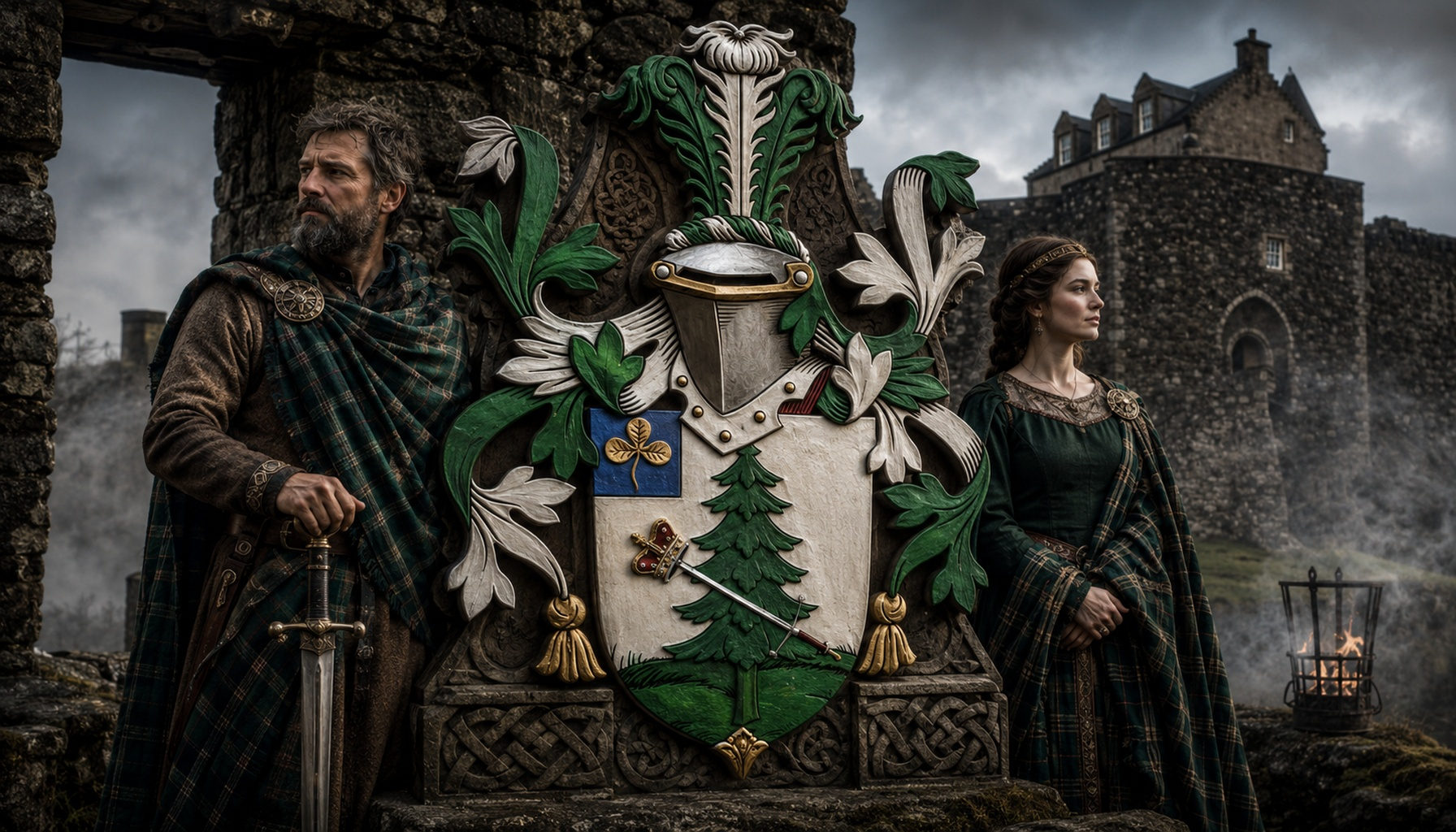
Clan MacAlpin is one of those names that seems to arrive already carrying a crown. Traditionally associated with the ancient royal line of early medieval Scotland, the clan is bound up with Gaelic identity, ancestral prestige, and the remembered figure of Kenneth MacAlpin (810-858), often linked with the formation of the kingdom of Alba. In haplogroup terms, the primary family association here is R1b1a1b1a1a2c1a1i3, a branch within the wider R1b family that appears across a long sweep of western and northern European history. For a clan like MacAlpin, that matters not because DNA can prove every royal tale, but because it gives us another way of thinking about continuity, kinship, and deep roots.
The MacAlpin story comes out of a world centered on western and northern Scotland, especially the Gaelic-speaking sphere that connected Argyll, the Highlands, and the early kingdom that emerged from Pictish and Gaelic political traditions. This is a family memory shaped by kingship as much as by surname. Kenneth MacAlpin stands at the center of that memory, followed by figures such as Donald I, King of Picts, who died in 862, and Constantine I, who ruled from 862 to 877. As with many early dynastic traditions, we are dealing with a mixture of genealogy, medieval origin story, and later clan identity. But that does not make it unimportant. Quite the opposite: it shows how families preserved power through remembrance, and how Scotland's deep past remained alive in names long after the age of the first kings had passed.
Read more about the Royal House of Stewart
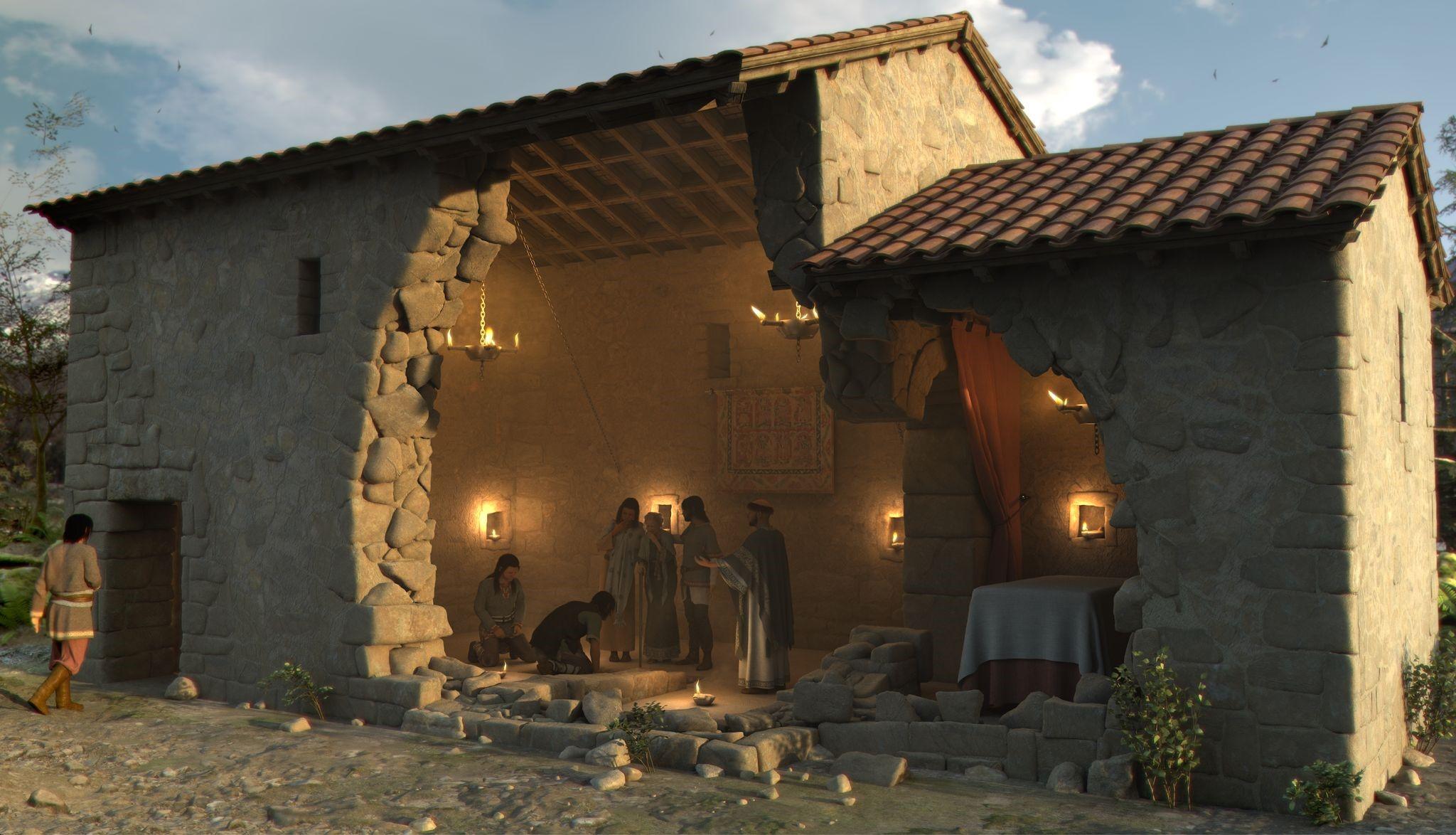
A fitting location anchor for the MacAlpin tradition is Dunstaffnage Castle, near Oban in Argyll, dramatically placed on a rocky promontory above the Firth of Lorn. The site is older than the standing stone castle, with roots in an earlier fortified place of real strategic importance in the western seaways. The castle we see today was built in the 13th century, later becoming a major stronghold of the MacDougalls before passing to the Campbells, but its setting speaks to a much older political landscape: sea routes, lordship, and the western Gaelic world from which so much early Scottish kingship emerged. Nearby stands the ruined chapel and a burial ground, and the whole place has that unmistakable Scottish habit of combining grandeur with weather. Yes, it can still be visited, and it remains one of the best places to feel the old connection between land, lordship, and memory that lies behind clan tradition.
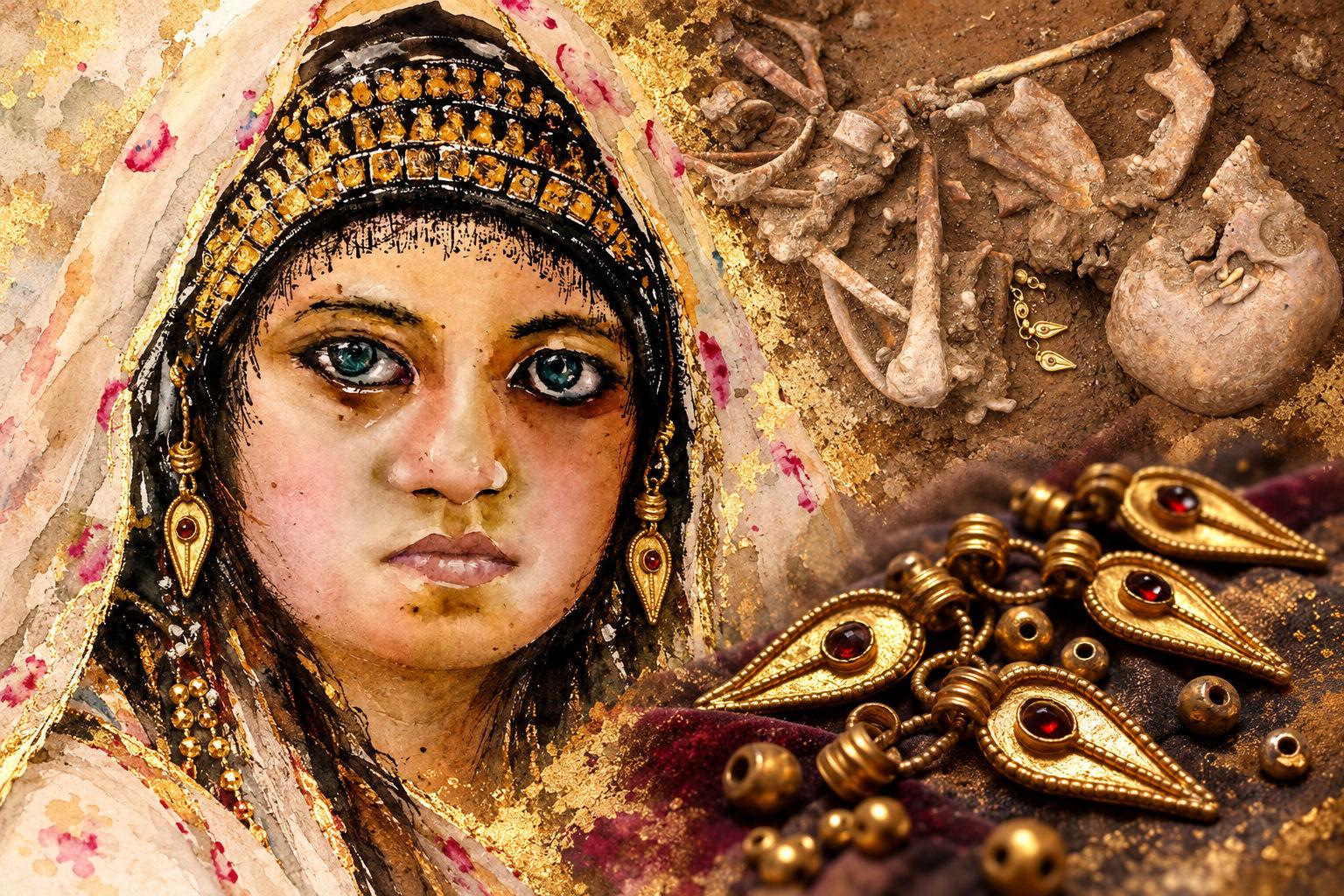
Ancient DNA linked to haplogroup R1b1a1b1a1a2c1a1i3 offers an intriguing background for families associated with old British and Scottish traditions. Related or linked samples appear in a remarkably wide spread of contexts: Celtic Durotriges burials from Duropolis at Winterborne Kingston in England, including WBK12, WBK20, WBK29, WBK41, WBK05, WBK30, WBK43, WBK06, WBK08, WBK18, and WBK191; Bronze Age and Iron Age Britain in samples such as I2598 and I2417 from Amesbury Down, I4950 from Bell Beaker Upavon, I11991 from Worlebury, I21309 from Battlesbury Bowl, I3256 from Trumpington Meadows, and HI2 from Iron Age Hinxton; northern and Scottish-linked finds such as Bronze Age Westray Links of Noltland in Orkney (KD061), Pre-Viking Pict Buckquoy in Orkney (VK203), and Bronze Age Boatbridge Quarry in South Lanarkshire (I5473). The same broader lineage also appears farther afield in places like Imperial Roman Zadar in Croatia (I26776), Conimbriga in Portugal (R10488), Klosterneuburg in Austria (R10656), Sint-Truiden in Belgium (ST2025 and ST1308), Alt-Inden in Germany (IND013), Parancot in France (CGG023699), Hatherdene Close in England (HAD001), Worth Matravers in Dorset (I11580), Grotta della Monaca in Calabria (GMO015), and even Copper Age Ireland at Rathlin2B. None of this proves direct descent from any one ancient individual to Clan MacAlpin, and it should not be used that way. What it does show is that the haplogroup sits within a deep and well-traveled paternal landscape connected to Bronze Age, Iron Age, Celtic, Romano-British, Pictish, and early medieval populations relevant to the wider ancestry of Scotland.
Read more about Clan MacGregor
If Clan MacAlpin is part of your family story, the most interesting question is not whether every legend can be proved word for word, but how your own ancestry fits into this larger tapestry of Gaelic kingship, Scottish memory, and ancient population history. You can upload your DNA to MyTrueAncestry and see whether you match the family or related ancient DNA samples connected with this deep historical world.
Comments