Clan Dillon
– 3 min read


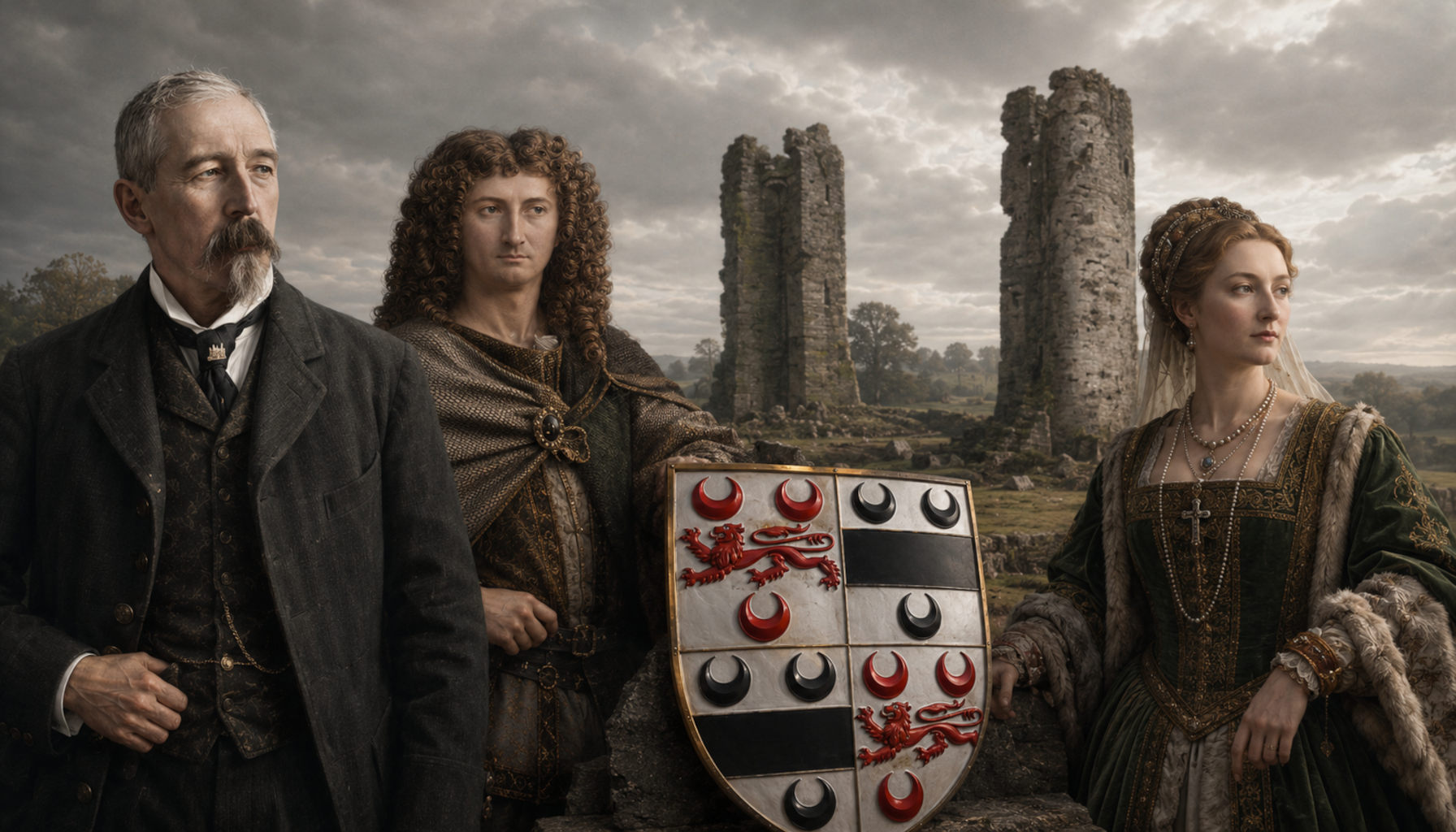
Clan Dillon was one of those great Norman-Irish families whose story neatly captures the medieval remaking of Ireland. The Dillons came from an Anglo-Norman world shaped by conquest, lordship, cavalry service, land grants, and the restless expansion of aristocratic families after the Norman arrival in Ireland. In later Irish history they became strongly associated with Meath and Connacht, where they built influence through estates, noble service, alliances, and long continuity across centuries of political change. In genetic tagging terms, the primary family haplogroup linked here is R1b1a1b1a1a2c1a2b2b1, a branch within the wider paternal lineage so often found in Atlantic and western European historical populations.
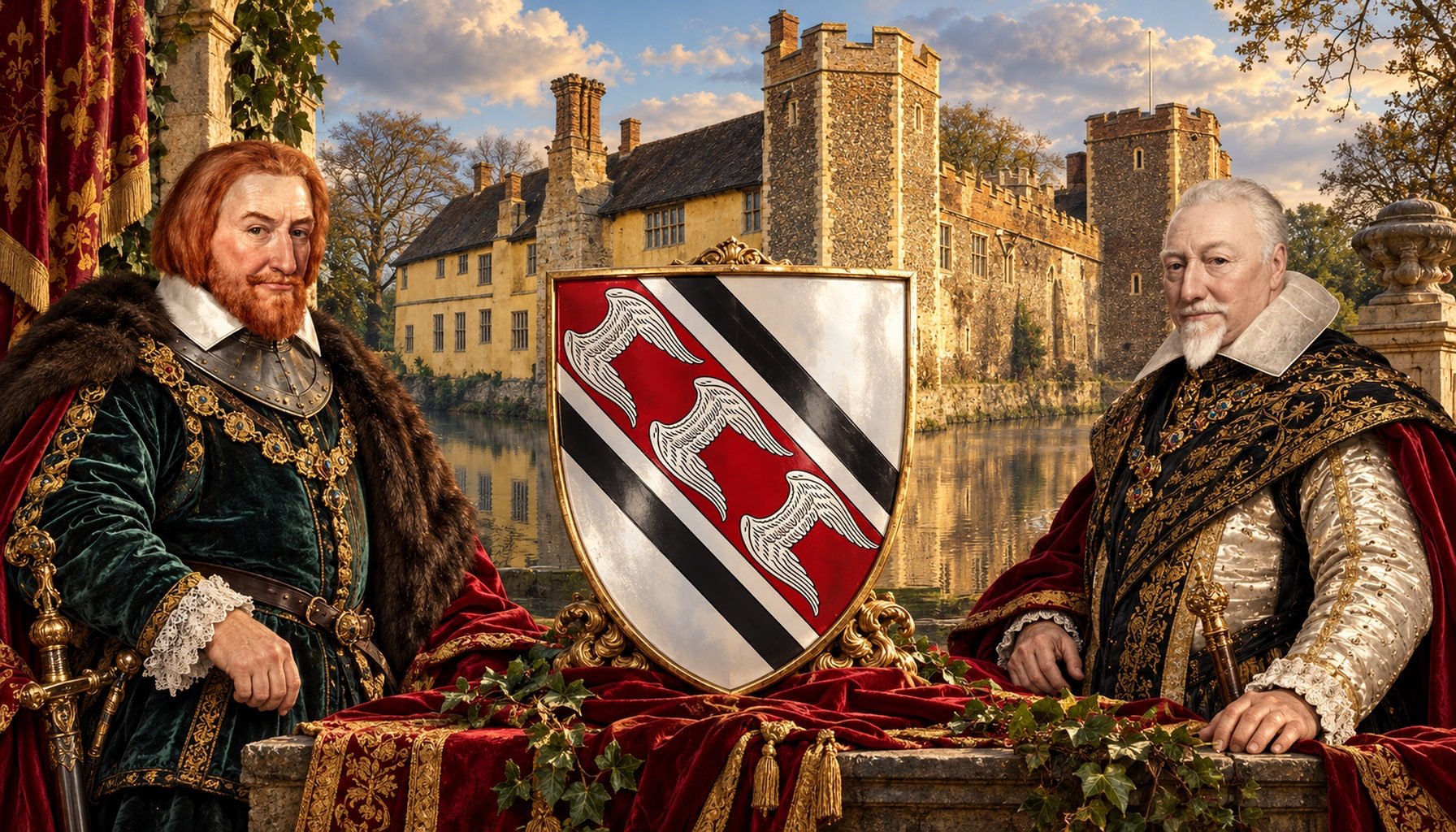
The family belongs to a familiar but fascinating pattern: settlers who arrived in medieval Ireland as part of the Anglo-Norman elite and then, over generations, became deeply rooted in Irish society without losing their aristocratic identity. That is really the Dillon story in miniature. They were landholders and servants of power, but also participants in regional Irish life, adapting to local politics, marriage networks, and cultural realities. A figure such as Sir Henry de Leon, recorded in 1169, evokes that early wave of men connected with the Norman enterprise in Ireland. Out of that turbulent frontier world emerged a lineage remembered not only for titles and heraldry, but for endurance: the ability to remain present, recognisable, and locally important while kingdoms, crowns, and constitutions shifted around them.
One especially vivid location anchor for the Dillon story is Portlick Castle, on the shore of Lough Ree in County Westmeath. The present castle is generally dated to the 16th century and is associated with the Dillon family, who held it as part of their wider landed presence in the Irish midlands. Architecturally it belongs to that classic Irish tower house tradition: compact, defensible, and built as much to project status as to resist danger. Its lakeside setting matters too. Portlick was not simply a picturesque residence before photography made ruins fashionable; it stood in a real landscape of communication, estate management, and local authority. The castle later passed through other hands and today survives as a well-known historic structure in a striking setting. It is still a real place that visitors can see from the area, and the wider Portlick estate and grounds remain part of the attraction of the site.
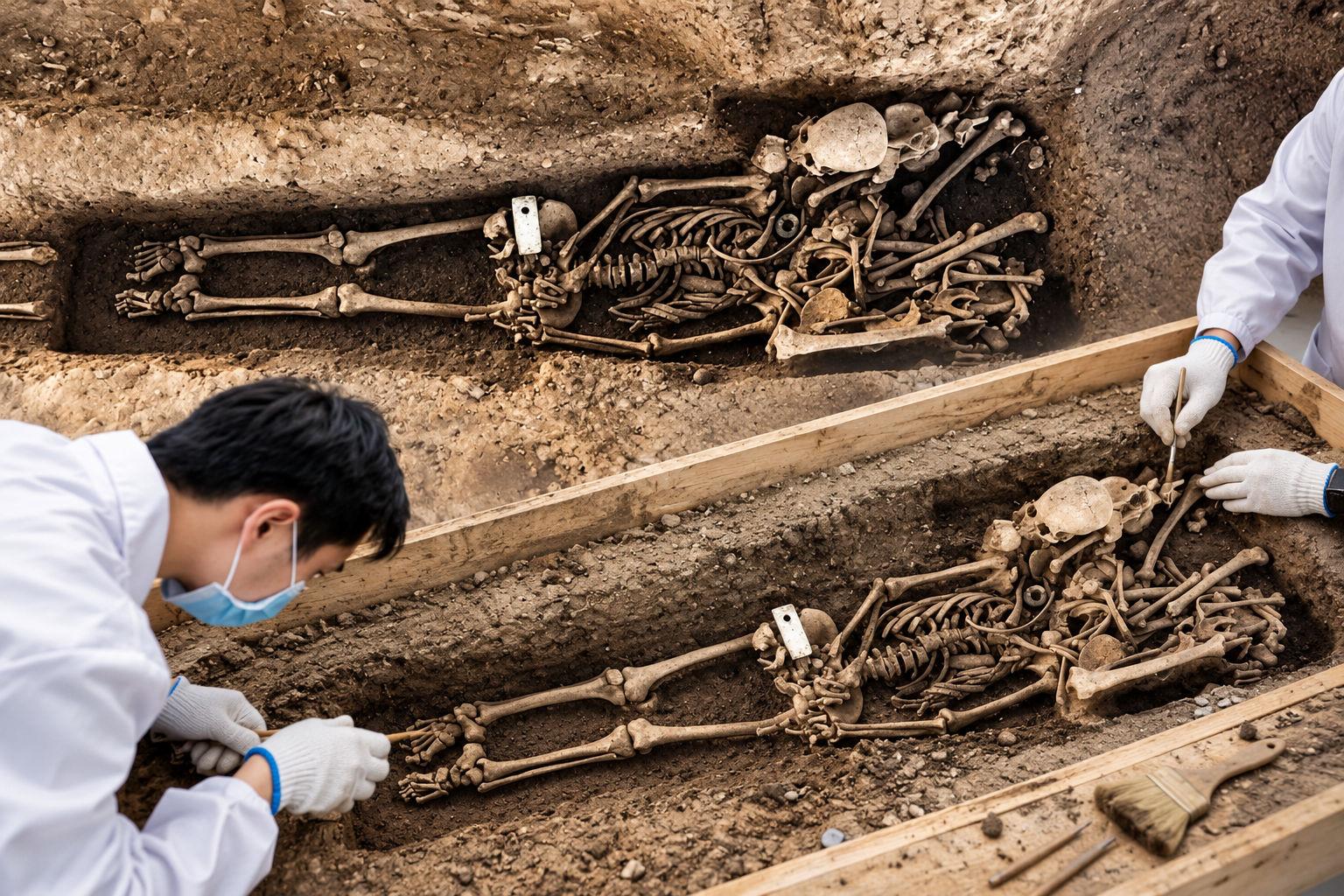
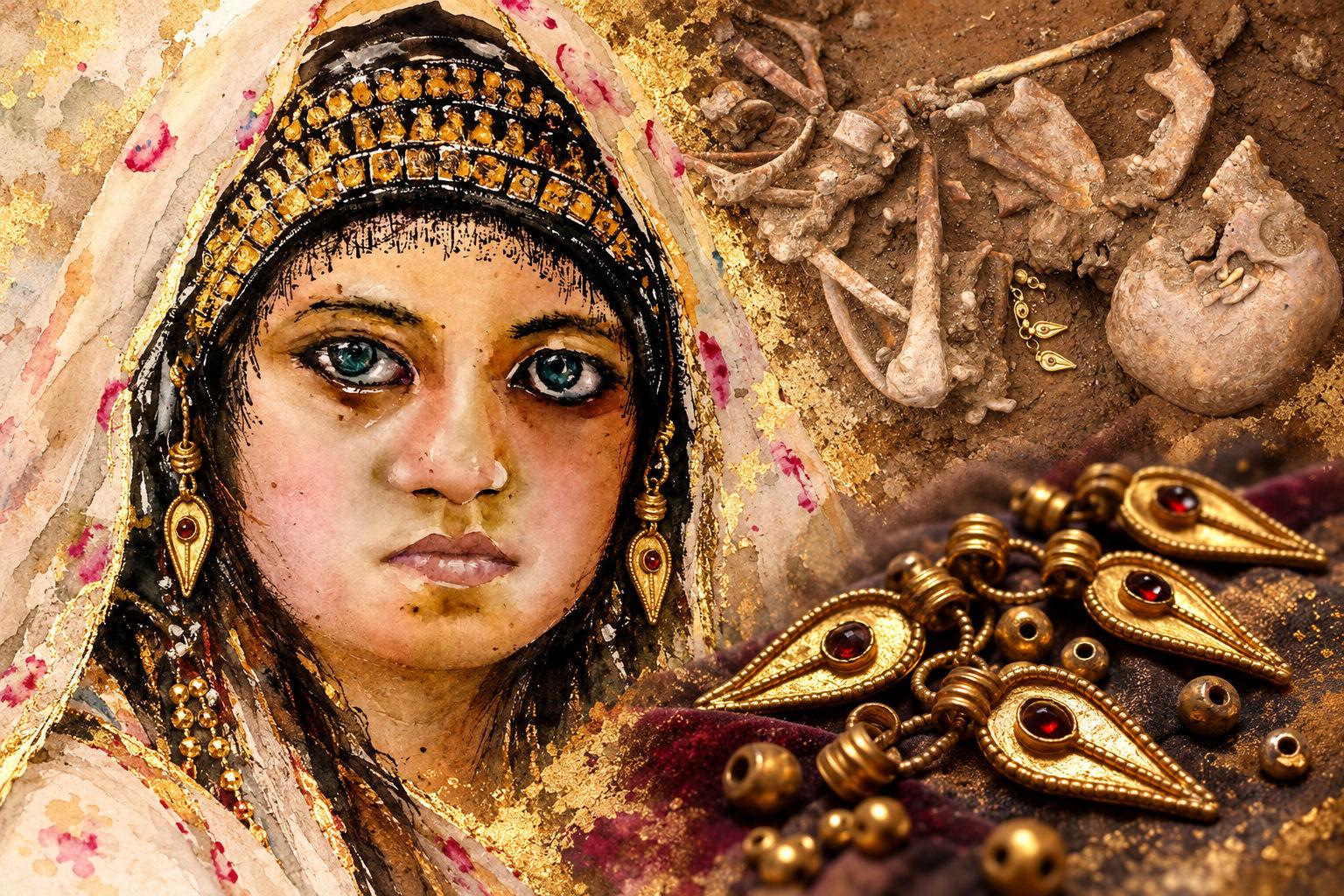
From an ancient DNA perspective, the Dillon haplogroup tag R1b1a1b1a1a2c1a2b2b1 links the family to a very broad and very old western European paternal landscape rather than to any one proven individual ancestor. Related or linked samples under this branch appear across a remarkable spread of times and places: Celtic Durotriges burials from Duropolis at Winterborne Kingston in England such as WBK12, WBK20, WBK29, WBK41, WBK05, WBK30, WBK43, WBK06, WBK08, WBK18 and WBK191; Iron Age and later individuals from Somerset, Battlesbury Bowl, Orkney, Dorset and Hinxton; Bell Beaker and Bronze Age examples from Wiltshire, Cambridge, Bedfordshire, South Lanarkshire and the Thames; and later finds from Roman Croatia, Roman Portugal, Austria, Belgium, Germany, France, the Faroe Islands and Viking Age England. Even older linked examples include Bronze Age Calabria, Bronze Age Orkney, and Copper Age Ireland including Rathlin2B. None of this proves direct descent from any named ancient sample, of course. What it does show is that the Dillon paternal line sits within a lineage with deep roots in the Atlantic zone, Britain and Ireland, and wider western Europe, exactly the kind of long genetic backdrop one might expect behind a Norman-Irish noble house that became thoroughly woven into Irish history.
If you are a Dillon descendant, or simply curious about how medieval family tradition meets archaeology and genetics, this is where things get interesting. Upload your DNA to MyTrueAncestry and see whether you match Clan Dillon, or related ancient DNA samples connected to the same broader haplogroup landscape across Iron Age, Roman, medieval, and prehistoric Europe.
Comments