Clan Dickson
– 2 min read


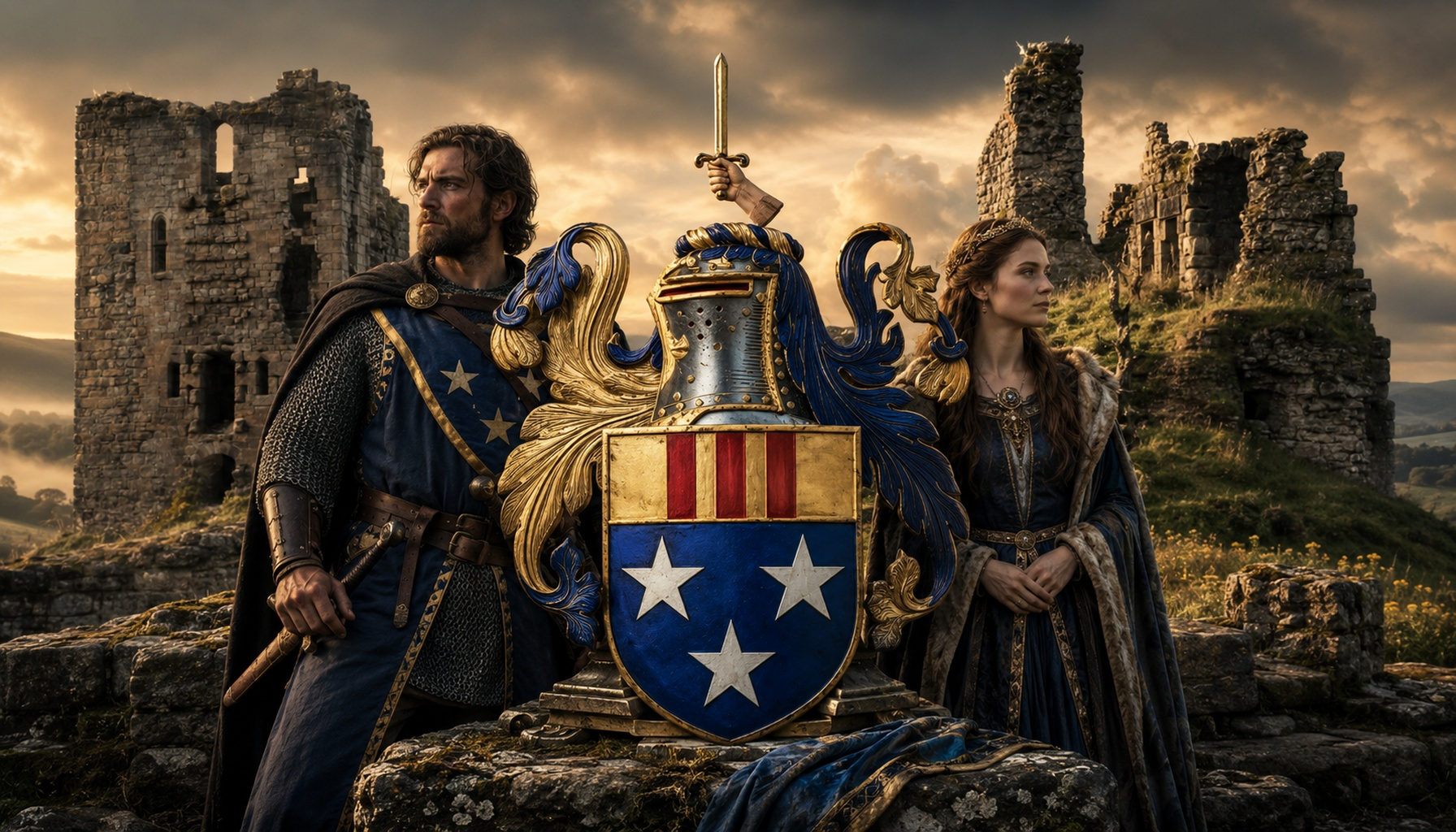
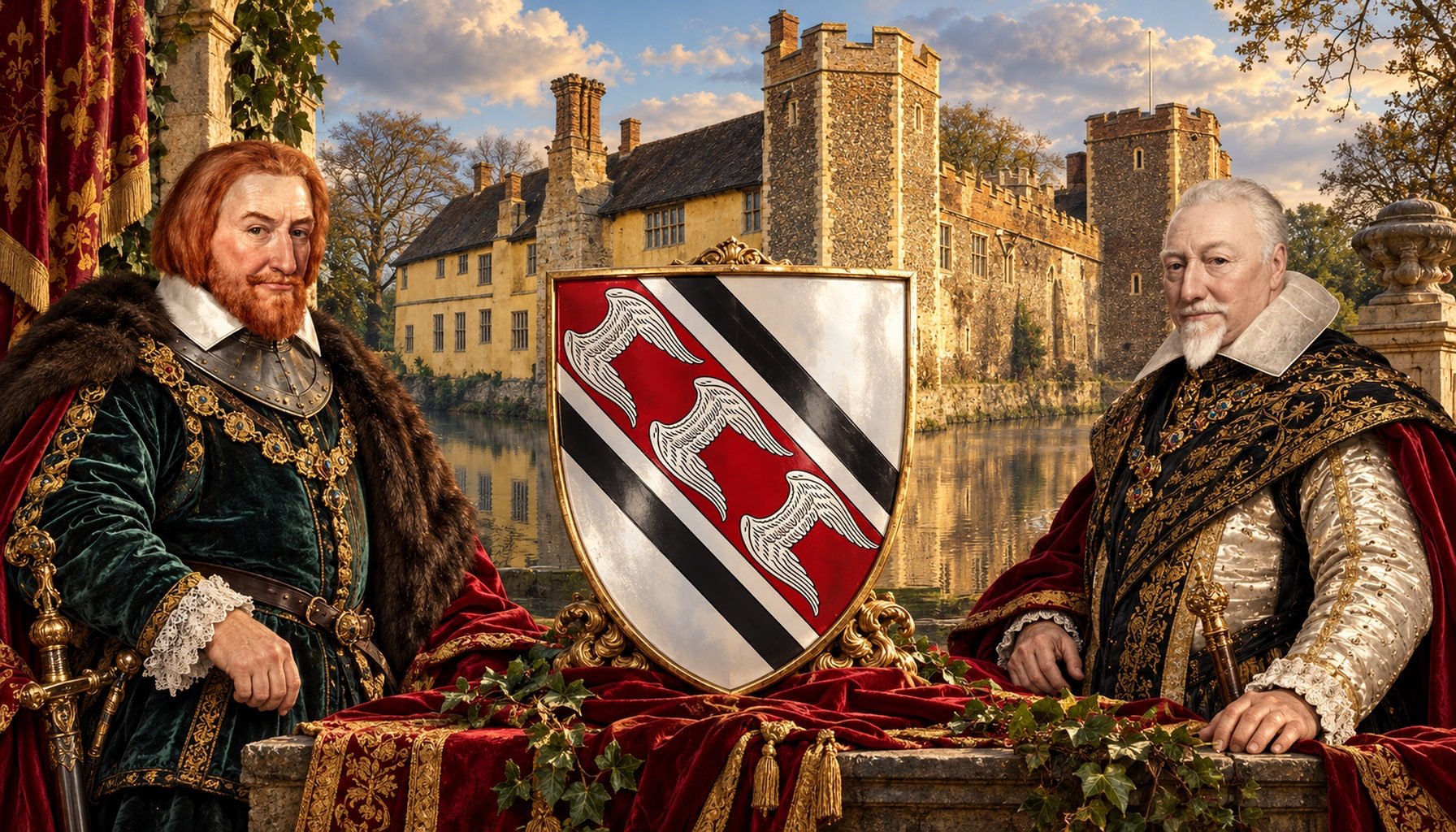
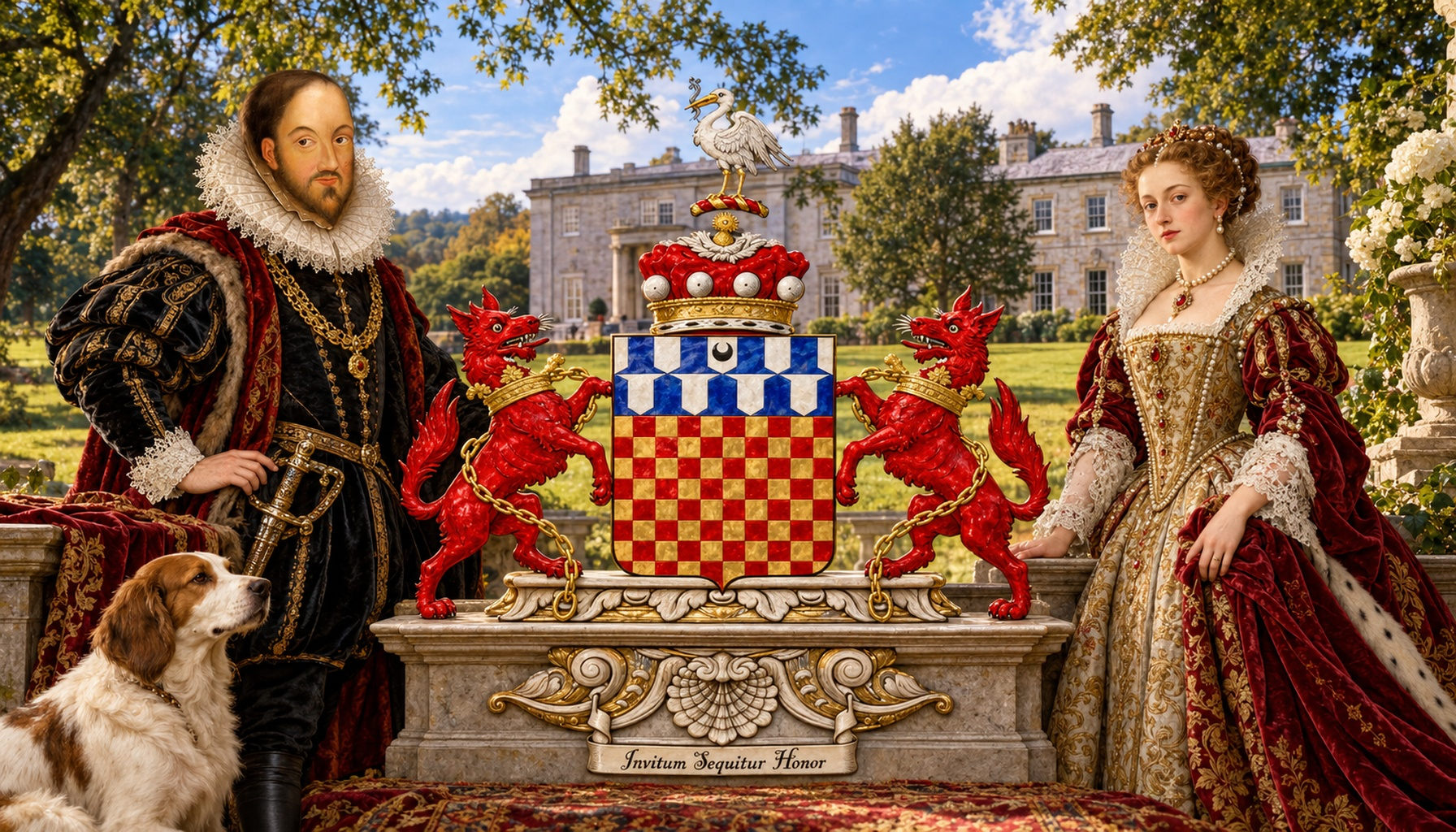
Clan Dickson was a Scottish Border and Lowland family, shaped by the hard, practical world of southern Scotland, where kinship, land, service, and survival mattered every day. The surname is patronymic, meaning son of Dick or Richard, and it belongs to that very recognisable Border pattern in which a personal name slowly hardens into a family name, then into a local identity, then into something remembered across centuries. The haplogroup most closely linked here is R1b1a1b1a1a2c1a1a1a1a1a1a3a, a paternal line associated with part of the wider northwest European story.
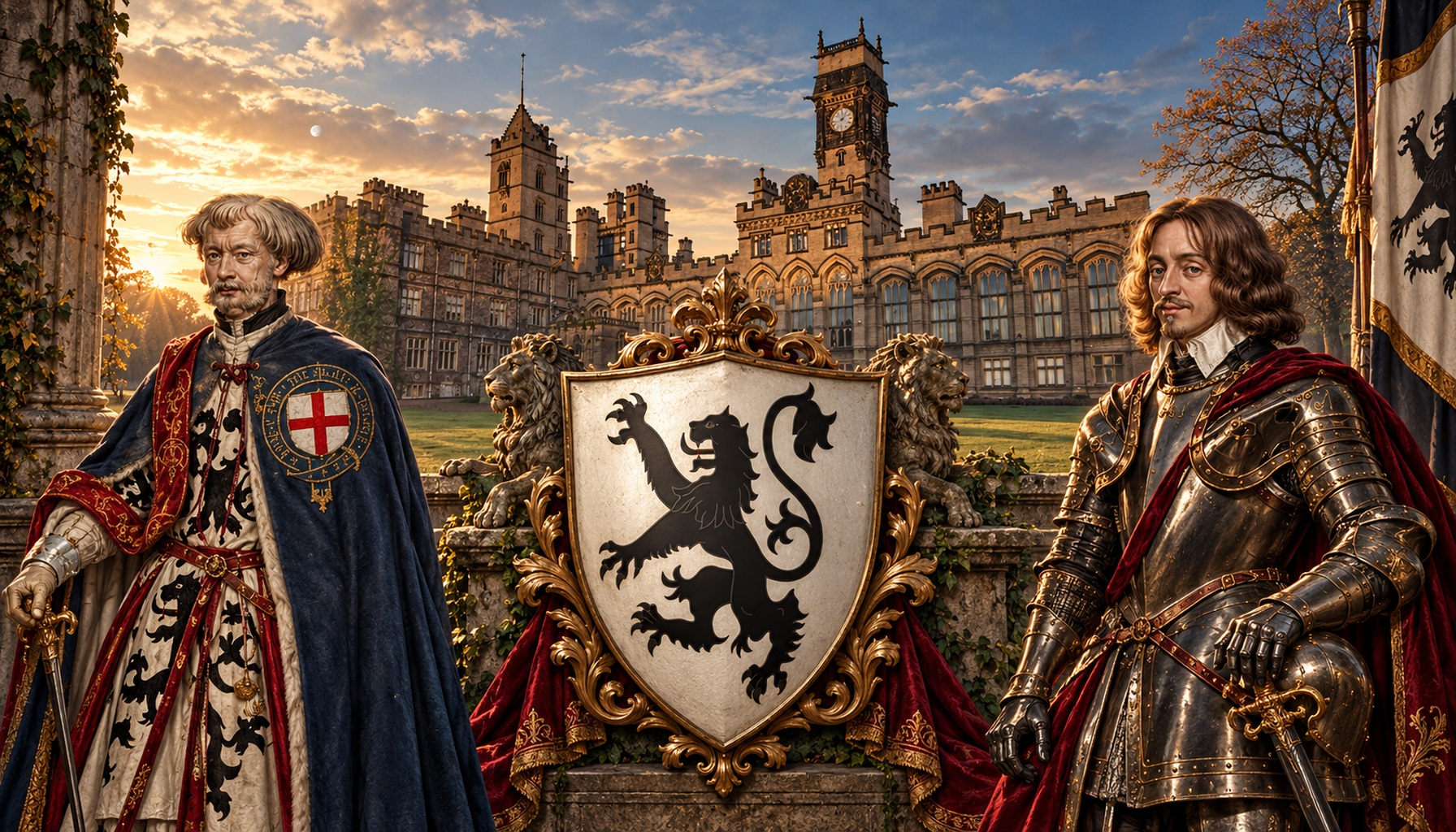
What makes the Dicksons interesting is that they are not simply a grand Highland romance transplanted southward. They are, rather, a Border clan in the older Lowland sense: rooted in a frontier society where loyalties were local, surnames carried weight, and resilience was a family asset. In historical terms, Clan Dickson stands for continuity through pressure. Political conditions changed, crowns shifted, marches were policed, raiding waxed and waned, but families such as the Dicksons endured by adapting. One early named figure is Richard Dick de Keith, recorded in 1247, a useful reminder that the family name appears in medieval record within a world of local lordship, personal allegiance, and emerging hereditary identity.
Read more about Clan Armstrong
A good location anchor for Dickson heritage is Castle Douglas in Dumfries and Galloway, a market town in southwest Scotland that sits in a region long tied to Border and Lowland family history. Despite the name, Castle Douglas is not a medieval fortress town in the obvious sense, but a planned town founded in the late eighteenth century by Sir William Douglas. It developed as a market centre and is still known for its strong local trading identity, sometimes even called the Food Town of Dumfries and Galloway. That matters because it places Dickson heritage in a real and visitable landscape: not just among battle stories and surnames, but among fields, roads, market links, estates, and the everyday economic life that sustained families after the fiercest Border centuries had passed. It can certainly still be visited today, and for anyone tracing Lowland ancestry it offers a vivid sense of the wider regional setting in which surname communities like the Dicksons took shape and endured.
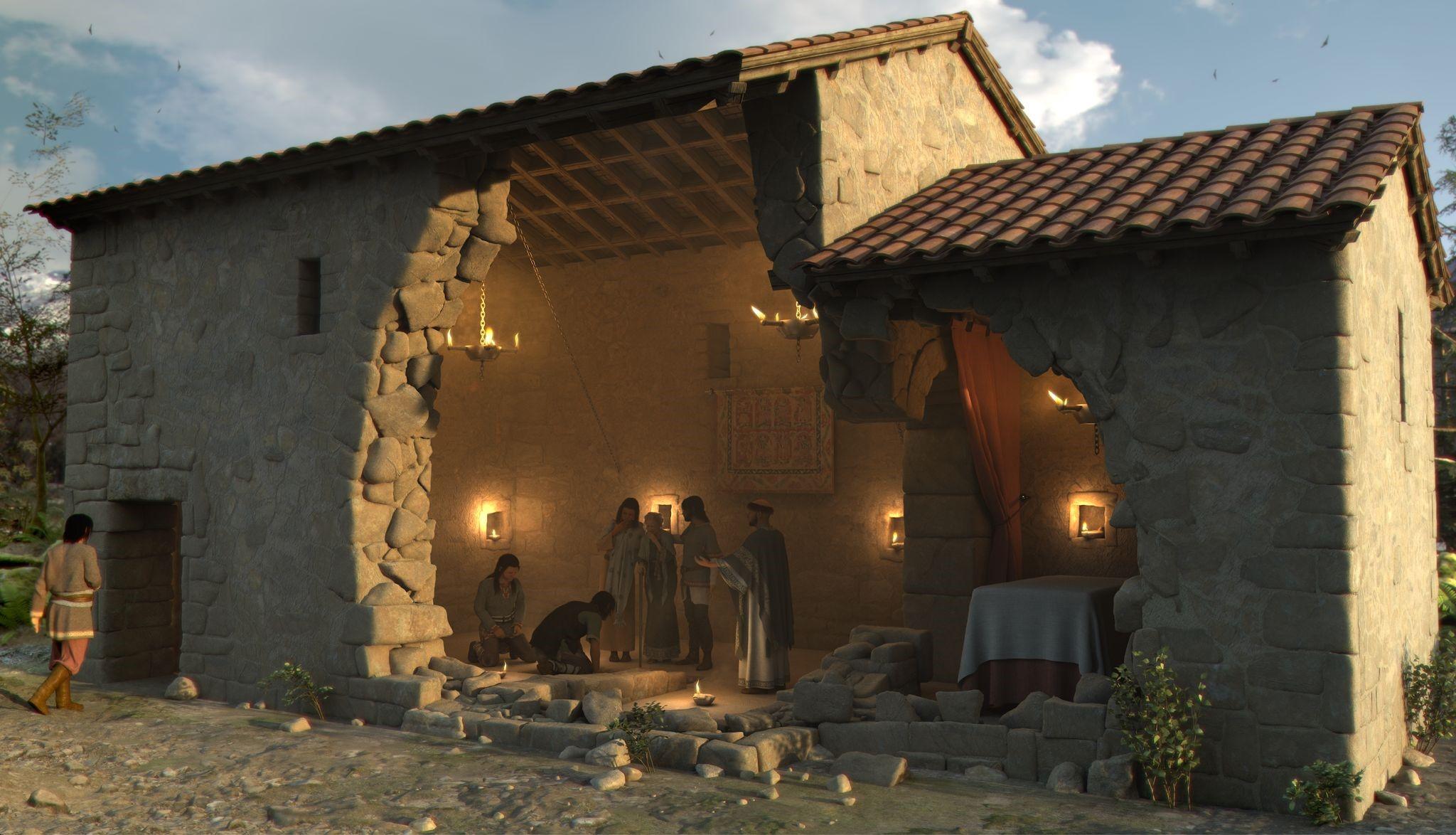
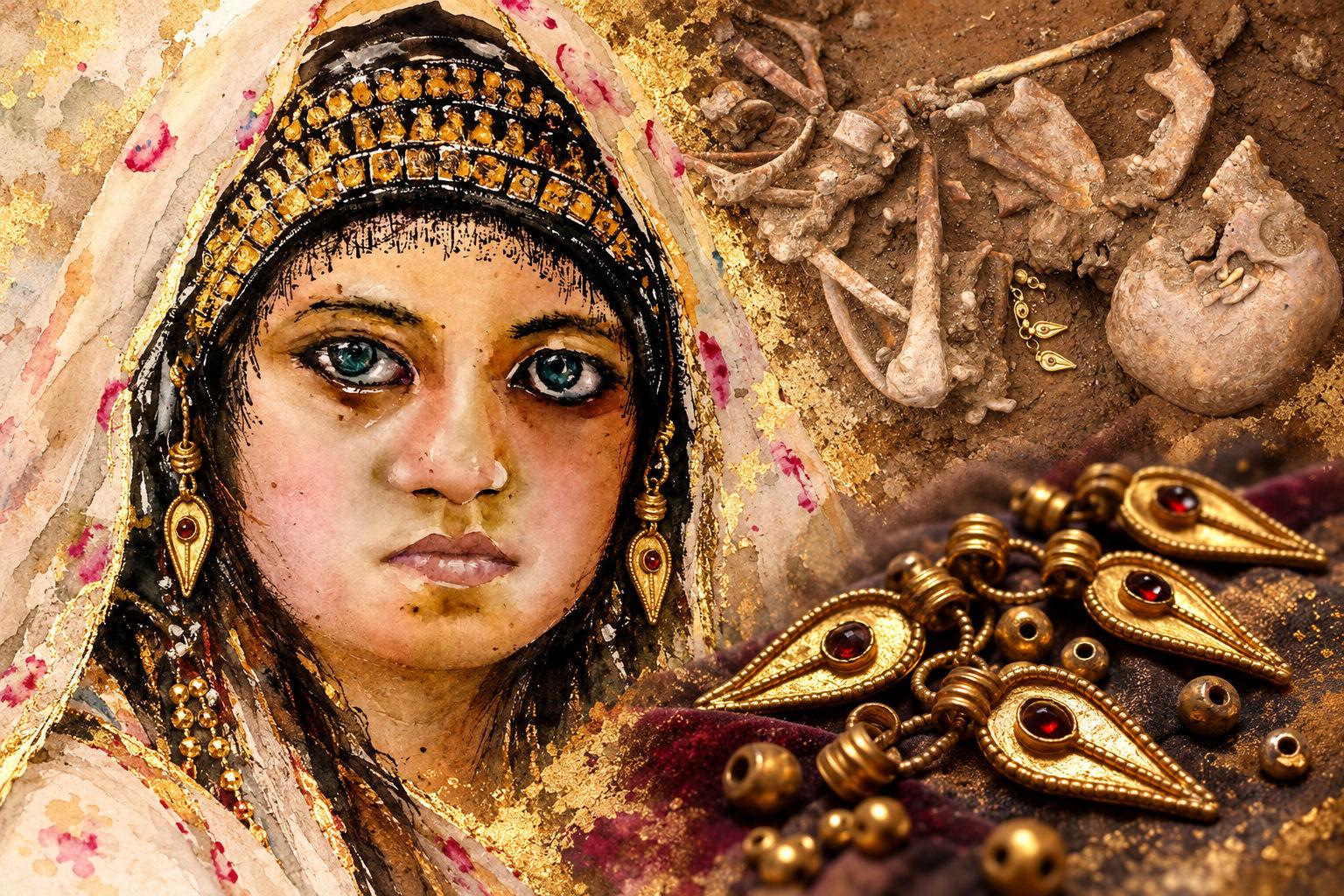
From the ancient DNA side, the Dickson haplogroup R1b1a1b1a1a2c1a1a1a1a1a1a3a can be discussed through related or linked medieval samples rather than claimed direct ancestors. These include a large cluster from Ballyhanna, County Donegal, Ireland, such as Sk197an, Sk197y, Sk197q, Sk197am, Sk197s, Sk197ab, Sk197u, Sk197t, Sk197r, Sk197ad, Sk197x, Sk197n, Sk197aa, Sk197z, Sk197ak, Sk197w, Sk197ai, Sk197m, Sk197ah, Sk197ag, Sk197v, Sk197ac, Sk197al, Sk197af, Sk197ae, Sk197o, Sk197aj, HAN197x, Sk197a through Sk197p, and HAN197, along with linked medieval Irish samples from Kilteasheen in Roscommon including KIL041, KIL044, KIL033, KIL037, KIL009, and KIL014. These do not prove a Dickson pedigree, of course, but they do place this paternal line within a broader medieval Gaelic and northwestern insular context. That is the fascination of archaeogenetics: it does not hand us a neat family tree, but it does let us see the deeper human backdrop behind surnames that later became rooted in places like the Scottish Borders.
Read more about Clan Gallagher
If you carry the Dickson surname, or have Border and Lowland roots in your family, this is exactly the sort of heritage that becomes richer when history and DNA are read together. Upload your DNA to MyTrueAncestry to see whether you match Clan Dickson, or any of the related ancient DNA samples linked to haplogroup R1b1a1b1a1a2c1a1a1a1a1a1a3a, and explore how your own family story may fit into this long, stubborn, memorable frontier past.
Comments