Clan Darroch
– 2 min read


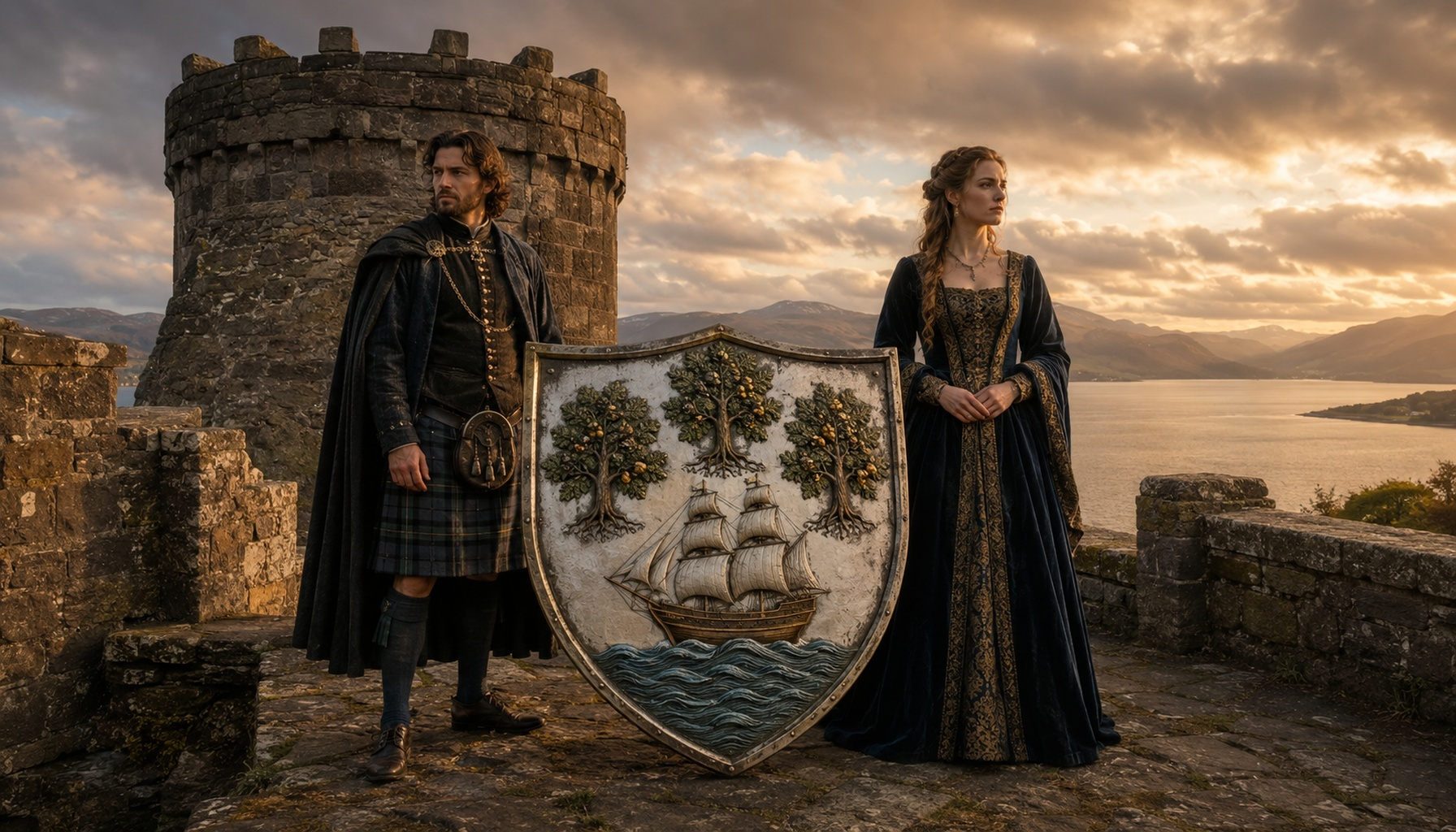
Clan Darroch was one of those western Highland families shaped as much by sea lanes as by glens: a Gaelic kindred associated above all with Islay in Argyll, and with the wider cultural world of western Scotland. The name is often linked to the Gaelic word for oak, which feels rather apt, because Darroch history is really about rootedness: kinship, endurance, service to local powers, and a stubborn attachment to place. In genetic tagging terms, the primary family haplogroup linked here is R1b1a1b1a1a2c1a5a2a2a, a branch within the broad R1b line so common across Atlantic Europe.
Historically, the Darrochs fit a very recognizable Highland pattern. They emerge from a world where identity was local, oral, and relational: who your people were, which shore you landed on, which lord you served, which memory your descendants kept alive. On Islay and in Argyll, that meant living in a landscape of Norse-Gaelic inheritance, clan rivalries, maritime movement, and ever-shifting political loyalties. A figure such as John Darroch, recorded in 1406, gives us one of those early glimpses of the name in the medieval record. From such fragments, and from heraldry and surname survival, the longer story of Clan Darroch comes into view: not an empire-building dynasty, but a durable Highland family line that endured because it remained tied to land, sea, and memory.
Read more about Clan MacTavish
A strong place-anchor for Darroch heritage is Dunyvaig Castle on Islay, one of the great strongholds of the island world of the Hebrides. Standing on the south coast near Lagavulin Bay, Dunyvaig was not some decorative tower house perched for the view; it was a serious sea-gate fortress, strategically placed to control approaches by water and to project power across the western seaways. Over the centuries it became closely associated with the Lords of the Isles and later with the MacDonalds of Dunnyveg, and it saw repeated struggles involving Highland chiefs, crown forces, and regional rivals. The castle as seen today is ruinous, but that is part of its power. It still conveys the rough-edged politics of the western Highlands, where allegiance, trade, raiding, and lordship all moved by ship. Yes, it can still be visited, and for anyone interested in Darroch country, it is precisely the sort of place where landscape and family history suddenly feel real rather than merely written down.
Read more about Clan MacDonald
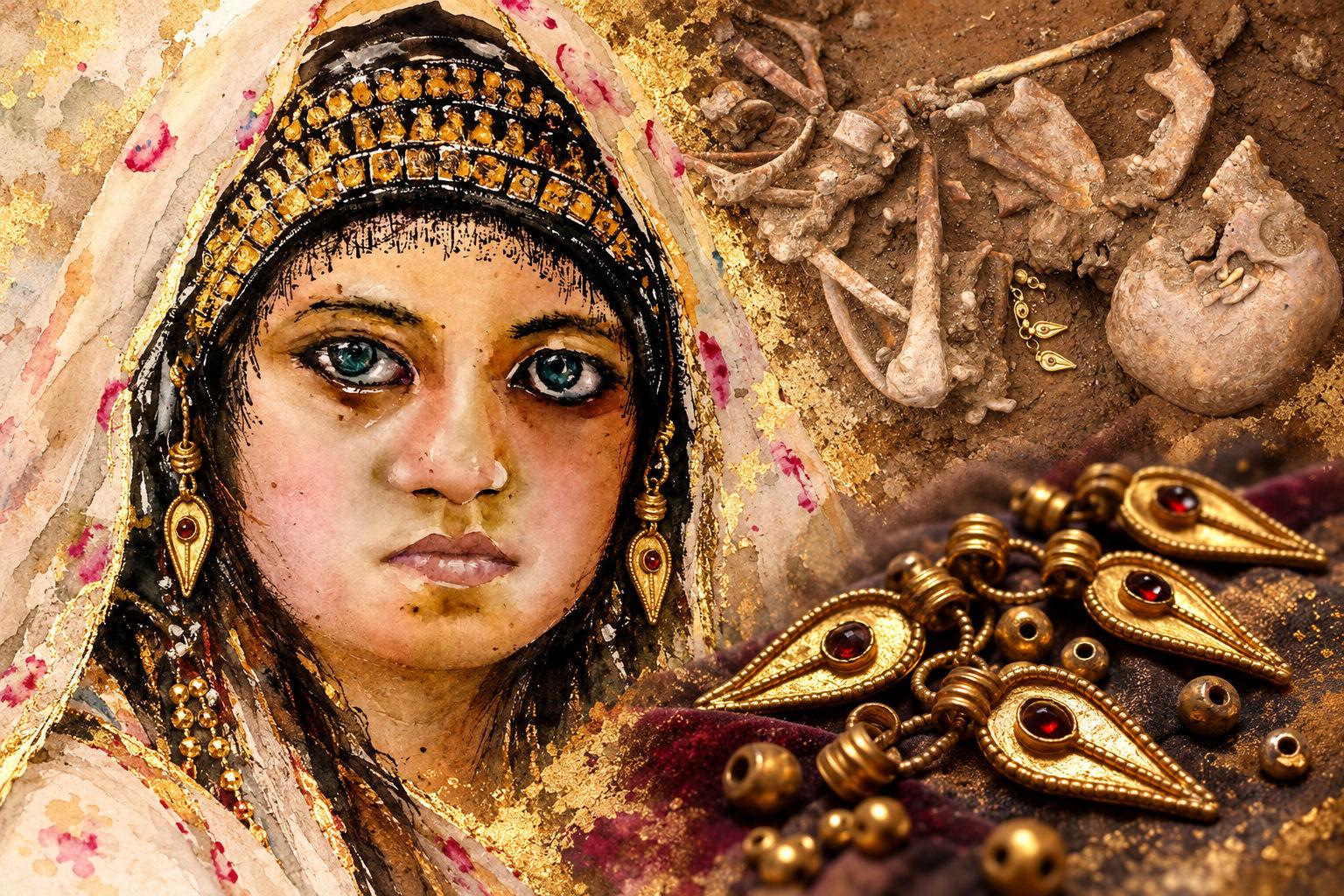
From the ancient DNA side, the Darroch-linked paternal signature R1b1a1b1a1a2c1a5a2a2a belongs to a wider family of lineages with deep roots across Britain, Ireland, and northwestern Europe. Related or linked ancient samples include Rathlin1B from Copper Age Ireland, I12775 from Celtic Briton Carsington Pasture Cave in Derbyshire, I12783 from Celtic Briton Lechlade-on-Thames in Gloucestershire, I11156 from Celtic Briton Bradley Fen in Cambridgeshire, I12785 from Iron Age Greystones Farm in Gloucestershire, I11586 from the Early Anglo-Saxon cemetery at West Heslerton in Yorkshire, and Mln9 from Merovingian-period Moemlingen in Germany. These do not prove direct descent from any one individual, and one must not pretend otherwise. But together they sketch the larger world of related paternal lines moving through Atlantic prehistory, Iron Age Britain, early medieval England, Ireland, and the post-Roman continent. In other words, the Darroch story sits within a much older human story of migration, continuity, and local survival.
If you carry the Darroch surname, have Darroch ancestors from Islay or Argyll, or simply suspect a western Highland connection, this is exactly where DNA can become wonderfully concrete. Upload your DNA to MyTrueAncestry and see whether you match Clan Darroch, or related ancient DNA samples linked to the same broader paternal heritage across Britain, Ireland, and early medieval Europe.
Comments