Clan MacTavish
– 3 min read


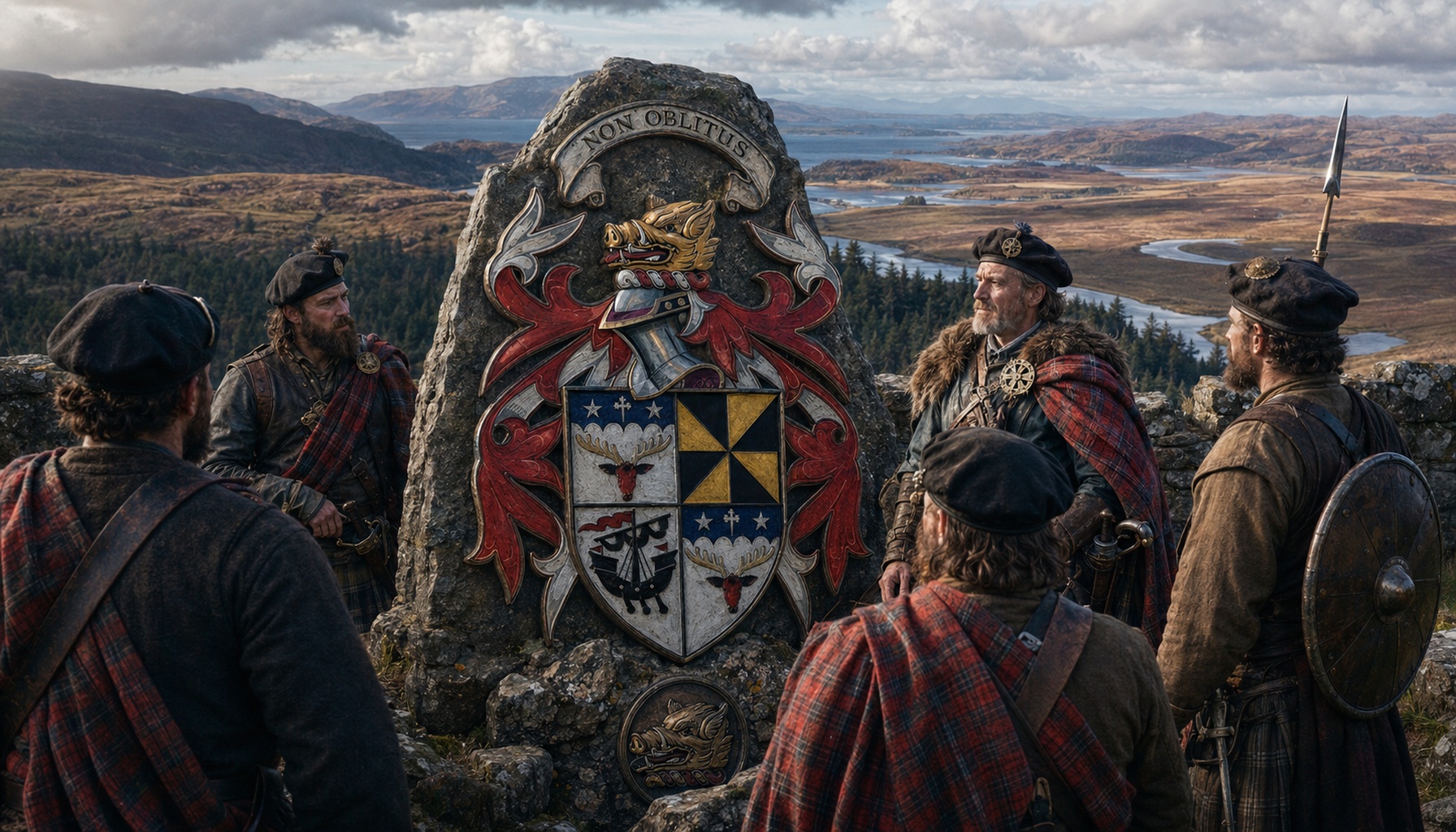
Clan MacTavish was a west Highland kindred of Argyll, shaped by Gaelic kinship, local service, coastal movement, and the stubborn continuity of family memory. Their name comes from Mac Tamhais, meaning son of Tavish or Thomas, which places them squarely in the patronymic naming world of Gaelic Scotland, where ancestry was not a decorative extra but the framework of identity. In haplogroup terms, the primary family line is tagged here with R1b1a1b1a1a2c1a1f1c, a branch within the wider R1b network long associated with much of Atlantic and western European paternal history.
The MacTavishes emerged from the historical landscape of Argyll, a region of sea lochs, forested glens, island routes, and layered allegiances. This was not a tidy map of isolated clans sitting politely in boxes. It was a working Gaelic world in which families rose through descent, martial followings, tenancy, church patronage, and maritime links across the western seaboard. Smaller clans like the MacTavishes mattered because Highland history was not made only by the biggest names. It was made by resilient local families who held ground, remembered forebears, and navigated the pressure of stronger neighbours. One early named figure connected with the family story is Sir Thomas Cambel, recorded in 1292, a reminder of how closely west Highland lineages, names, and political identities could overlap in the medieval record.
Dunardry Castle is a particularly evocative location anchor for Clan MacTavish heritage because it sits in that unmistakable Argyll setting where land and water are in constant conversation. The ruined castle, long hidden by vegetation and only recently revealed more fully again, stands near the Crinan Canal corridor and the older routeways that connected Knapdale, Mid Argyll, and the western coast. Reporting on its reappearance has highlighted just how dramatic the site still is: a ruined stronghold emerging after roughly two centuries out of clear view, reminding us that Highland history often survives not as pristine monument but as fragments in the landscape. That, in a way, suits the MacTavishes rather well. Their story is one of persistence rather than spectacle. The ruins can be viewed and the site area is still visitable in the general sense, reasonably supported by its public visibility and local interest, though any visitor should of course respect access conditions, safety, and the fact that ruined masonry is not a theme park but a historic survival.
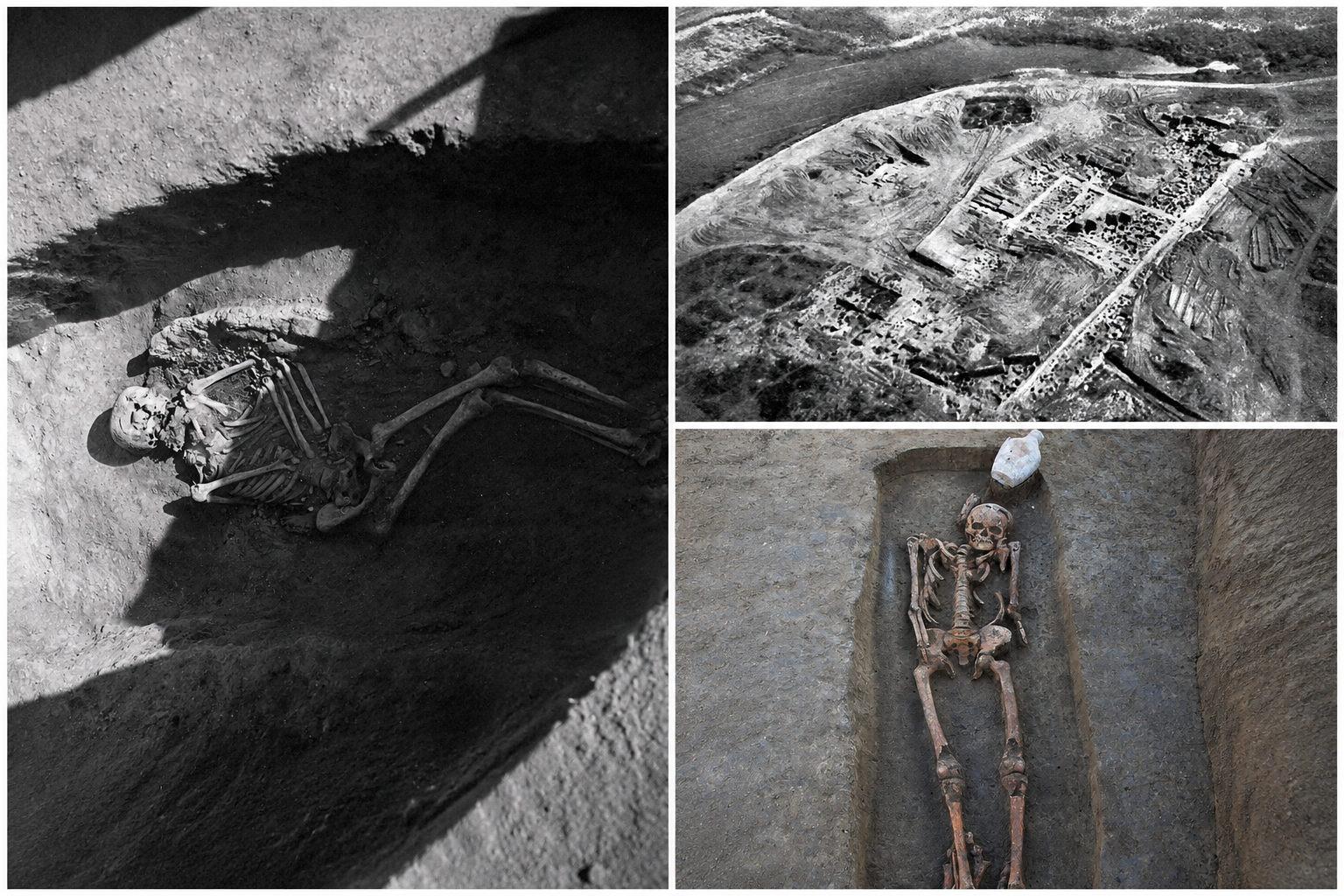
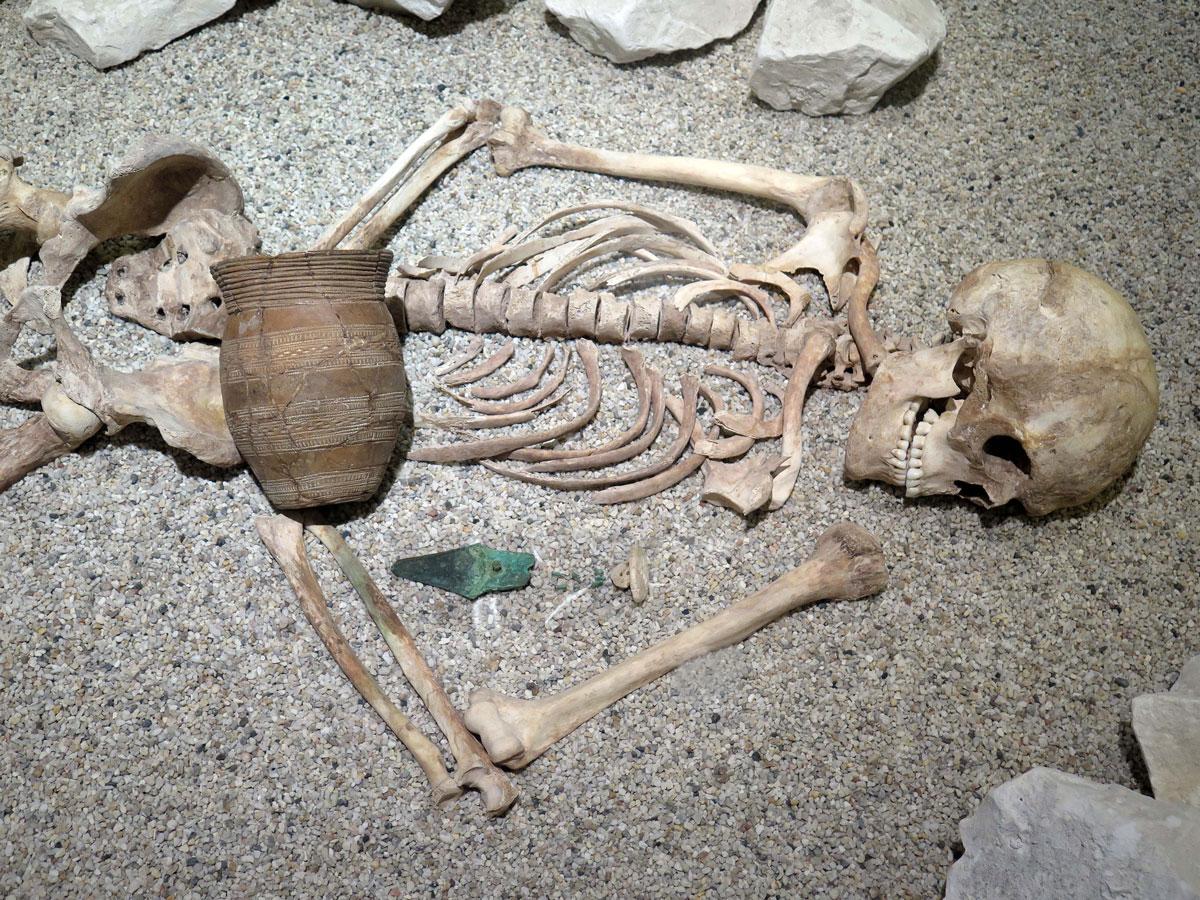
For those interested in the deeper genetic backdrop, the MacTavish haplogroup tag R1b1a1b1a1a2c1a1f1c can be placed beside a range of related or linked ancient DNA samples from across Britain and Europe. These include Celtic Durotriges individuals from Duropolis at Winterborne Kingston in England such as WBK12, WBK20, WBK29, WBK41, WBK05, WBK30, WBK43, WBK06, WBK08, WBK18, and WBK191; Celtic Briton Oxfordshire Yarnton England I21182; Iron Age Worlebury Somerset England I11991; Iron Age Hillfort Battlesbury Bowl England I21309; Post Roman Era Worth Matravers Dorset England I11580; Bronze Age Boatbridge Quarry South Lanarkshire Scotland I5473; Bronze Age Orkney Westray Links of Noltland KD061; Bell Beaker Wiltshire Upavon England I4950; Bronze Age Amesbury Down Wiltshire England I2417; Bronze Age Trumpington Meadows Cambridge England I3256; Bronze Age Bedfordshire samples I7576 and I7577; Early Bronze Age England Thames I5377; Celt Hinxton Iron Age HI2; and Ireland Copper Age Rathlin2B. Further linked examples stretch across Roman and medieval Europe, including Imperial Roman Era Zadar Croatia I26776, Late Roman Conimbriga Portugal R10488, Late Roman Era Klosterneuburg Lower Austria R10656, Early Medieval Belgium Sint-Truiden Groenmarkt ST2025, Medieval Belgium Outsider Sint-Truiden Onze-Lieve-Vrouwekerk ST1308, Gallic France Parancot CGG023699, and Merovingian Grave Alt-Inden IND013. These do not prove direct descent from any one ancient individual. Rather, they help sketch the wider paternal landscape into which a west Highland lineage like MacTavish may be historically and genetically situated.
Read more about Clan MacQuarrie
If you carry MacTavish ancestry, or suspect a connection to the west Highlands, uploading your DNA can add another layer to the story. MyTrueAncestry lets you explore whether your results match Clan MacTavish, related Highland families, or ancient DNA samples linked with the same broader haplogroup trail across Britain and Europe.
Comments