The House of Beaumont

– 3 min read


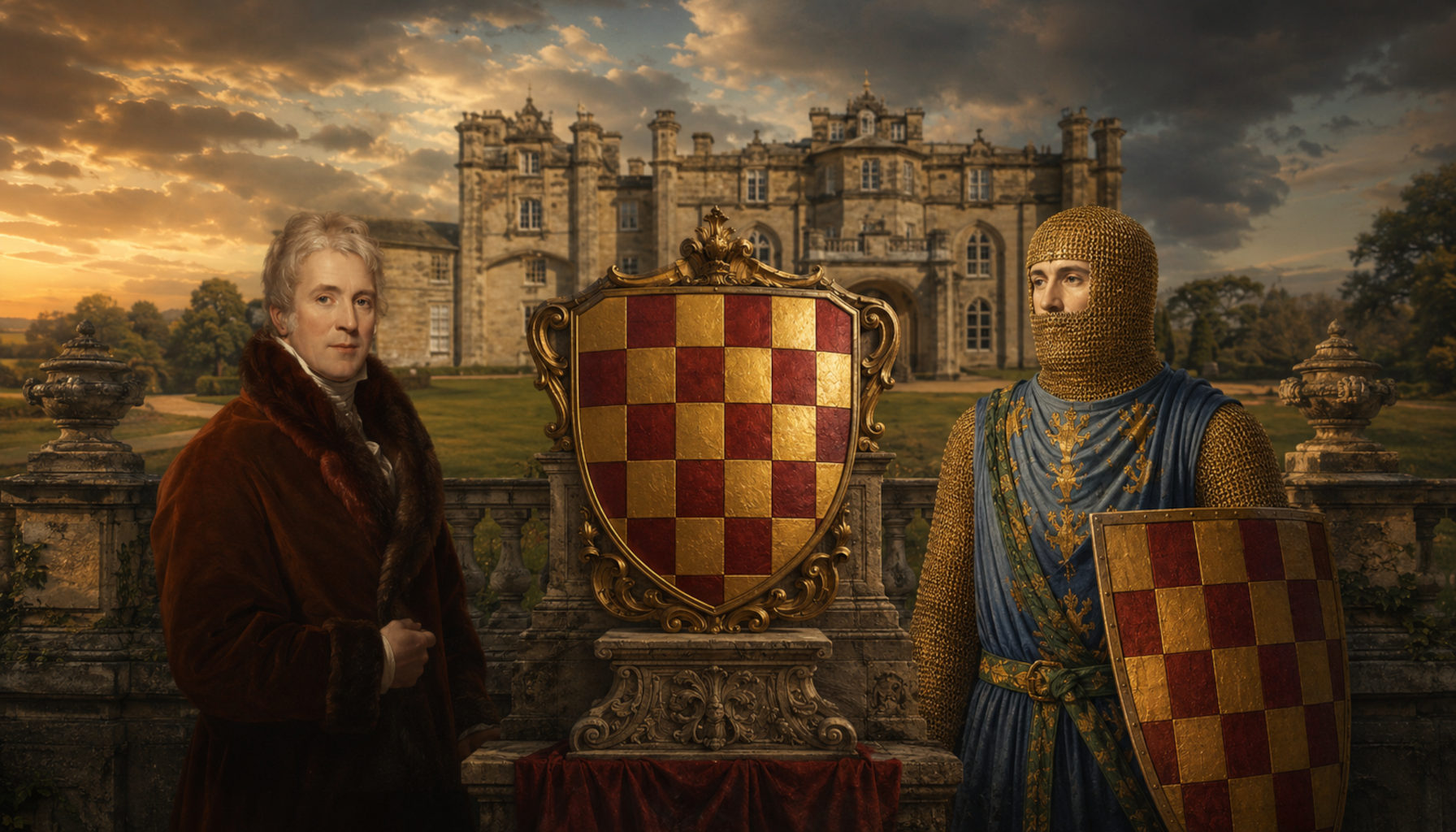
The House of Beaumont was one of those formidable Norman and Anglo-Norman noble families who seem to stride straight out of the great age of conquest, lordship, and castle-building. Their story begins in Normandy, in the world that produced the men who crossed the Channel, attached themselves to dukes and kings, and turned military service into landed power. In historical terms, the Beaumonts fit the classic pattern of the high Norman aristocracy: continental roots, feudal authority, strategic marriage, public office, and influence in both France and England. Their primary linked haplogroup here is R1b1a1b1a1a2c1a1l, a lineage associated with a wide spread of western European ancient DNA. Tags: R1b1a1b1a1a2c1a1l, House of Beaumont, Norman, Anglo-Norman.
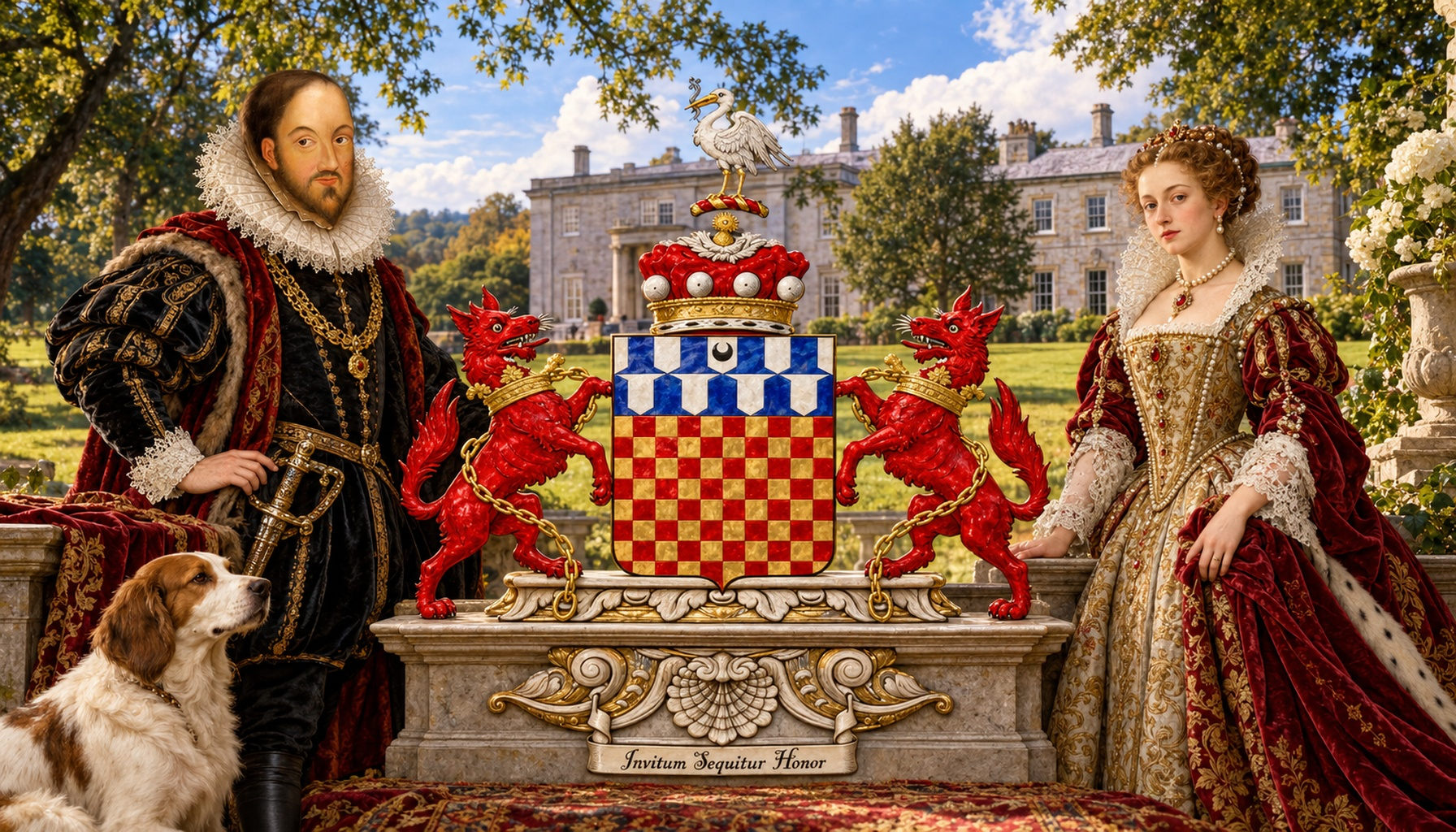
The family name itself points back to place, as so many Norman names do, with Beaumont meaning in effect a "beautiful hill" or "fine mount," and several places in Normandy carrying that form. Out of that landscape of ducal politics and ambitious lordship emerged figures such as Roger de Beaumont, who died in 1094, a major Norman magnate and trusted supporter of Duke William, later William the Conqueror. Families like the Beaumonts did not become great simply by being old; they became great by being useful. They held land, served in war, cultivated court connections, displayed heraldry, and embedded themselves in the machinery of medieval power across the Channel.
A later location anchor for the Beaumont story is Coleorton Hall in Leicestershire, a country house associated with the Beaumont family in the modern aristocratic period rather than the first Norman generation. The present hall is a 19th-century rebuilding, set in parkland near Coleorton, and it became the seat of the Beaumont baronets. Like so many great houses, it reflects the long afterlife of noble identity: not just castles and feudal dues, but landscaped estates, architectural display, and a claim to continuity with a much older lineage. The earlier hall was replaced after fire, and the surviving building belongs to that distinctly British tradition of country-house reinvention, where family prestige was written into stone again and again. The hall itself is not generally run as a standard drop-in heritage attraction, so any visit depends on present access arrangements, but the site and its surrounding historic landscape remain part of the Beaumont geographical story and can at least be appreciated from the area if local access permits.
Read more about the House of Mortimer
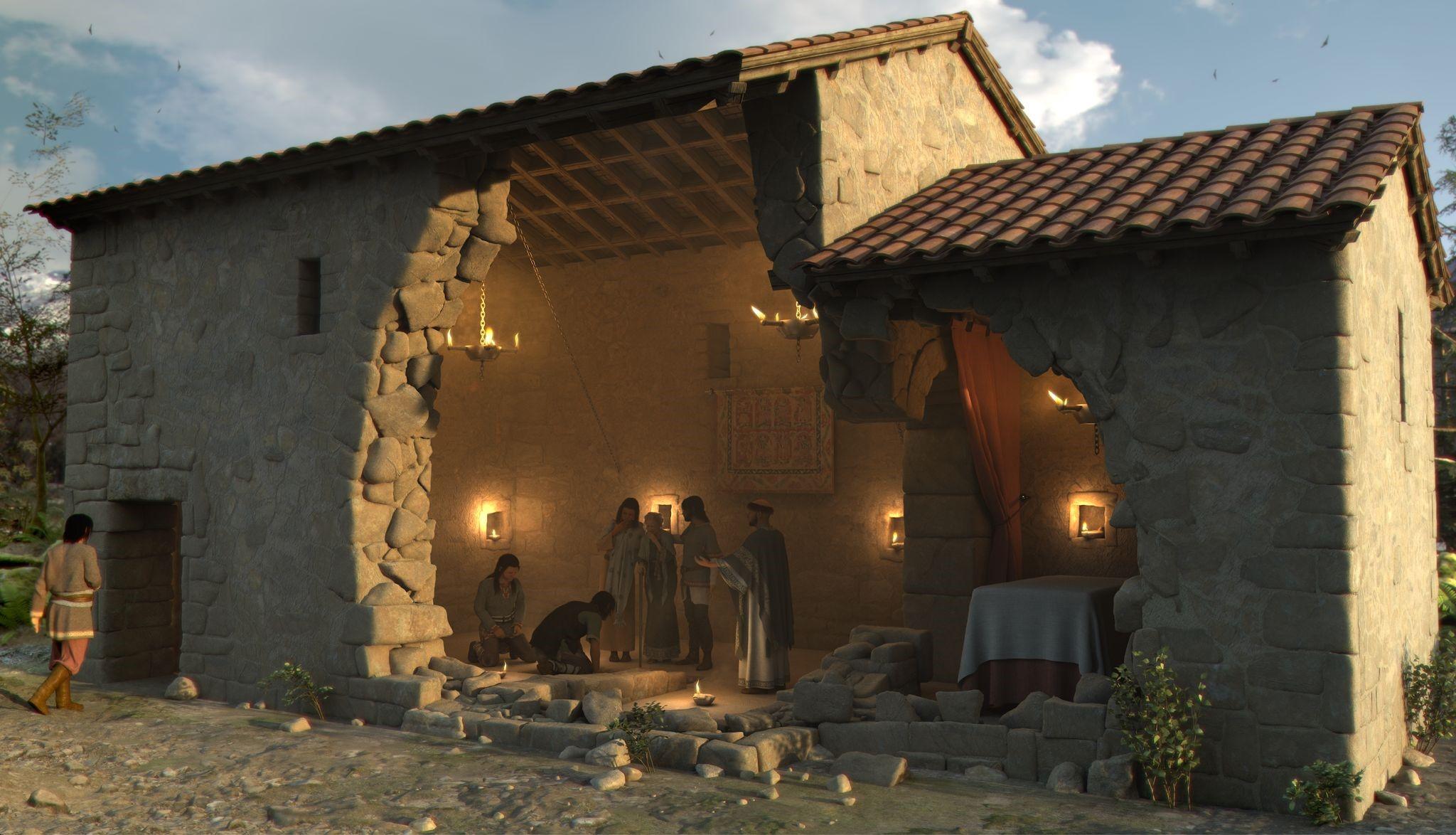
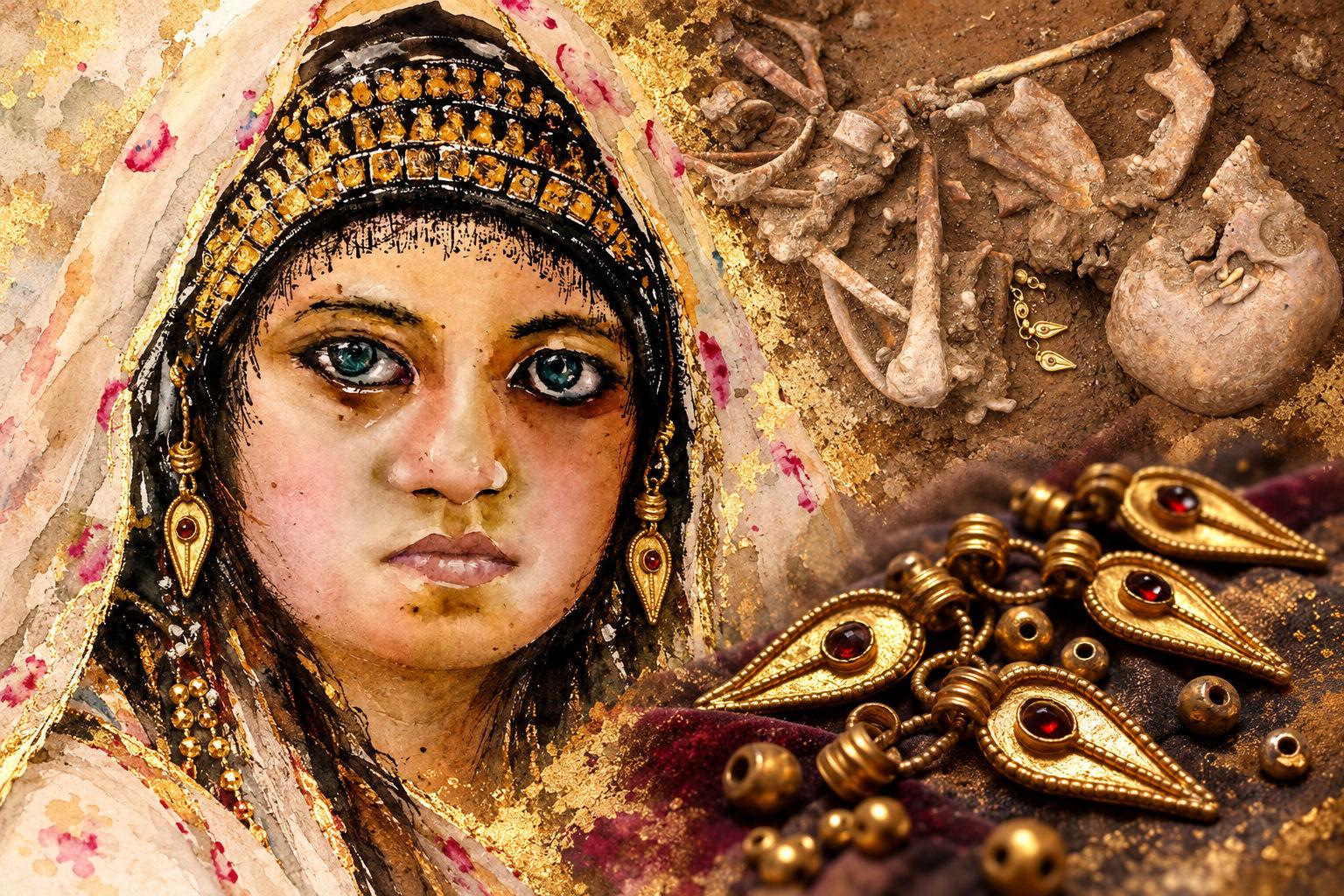
The haplogroup R1b1a1b1a1a2c1a1l links the Beaumont story, in a broad genetic sense, to a striking spread of ancient and medieval individuals across Britain and western Europe. These are not claims of direct descent from the Beaumont family, and it is important not to pretend otherwise. Rather, they are related or linked samples that help sketch the deeper world from which such lineages emerged. Among them are several Celtic Durotriges individuals from Winterborne Kingston in Dorset, including WBK12, WBK20, WBK29, WBK41, WBK05, WBK30, WBK43, WBK06, WBK08, WBK18, and WBK191; post-Roman and Anglo-Saxon era samples from England such as I11580 from Worth Matravers, BUK055 from Buckland Dover, LAK010 from Lakenheath, EAS004 from Eastry, and the Saxon Hinxton individuals 12880A and 12884A. The lineage also appears in a wider map of Europe, from Las Gobas in northern Spain (ldo039, ldo052, ldo242) to Belgium at Sint-Truiden (ST2025, ST1308), France at Bucy-le-Long (CGG022427) and Parancot (CGG023699), and beyond into Roman and medieval contexts. What that gives us is not a neat family tree, but something more interesting: a reminder that noble houses like Beaumont were late medieval expressions of much older population histories moving through Britain, Gaul, Iberia, and the North Sea world.
If the Beaumont story sounds like your kind of history, part Norman ambition, part English landed memory, part deep European ancestry, you can take it a step further. Upload your DNA to MyTrueAncestry and see whether you match the House of Beaumont or any of the related ancient DNA samples linked with haplogroup R1b1a1b1a1a2c1a1l.
Comments