The House of Barnwell

– 3 min read


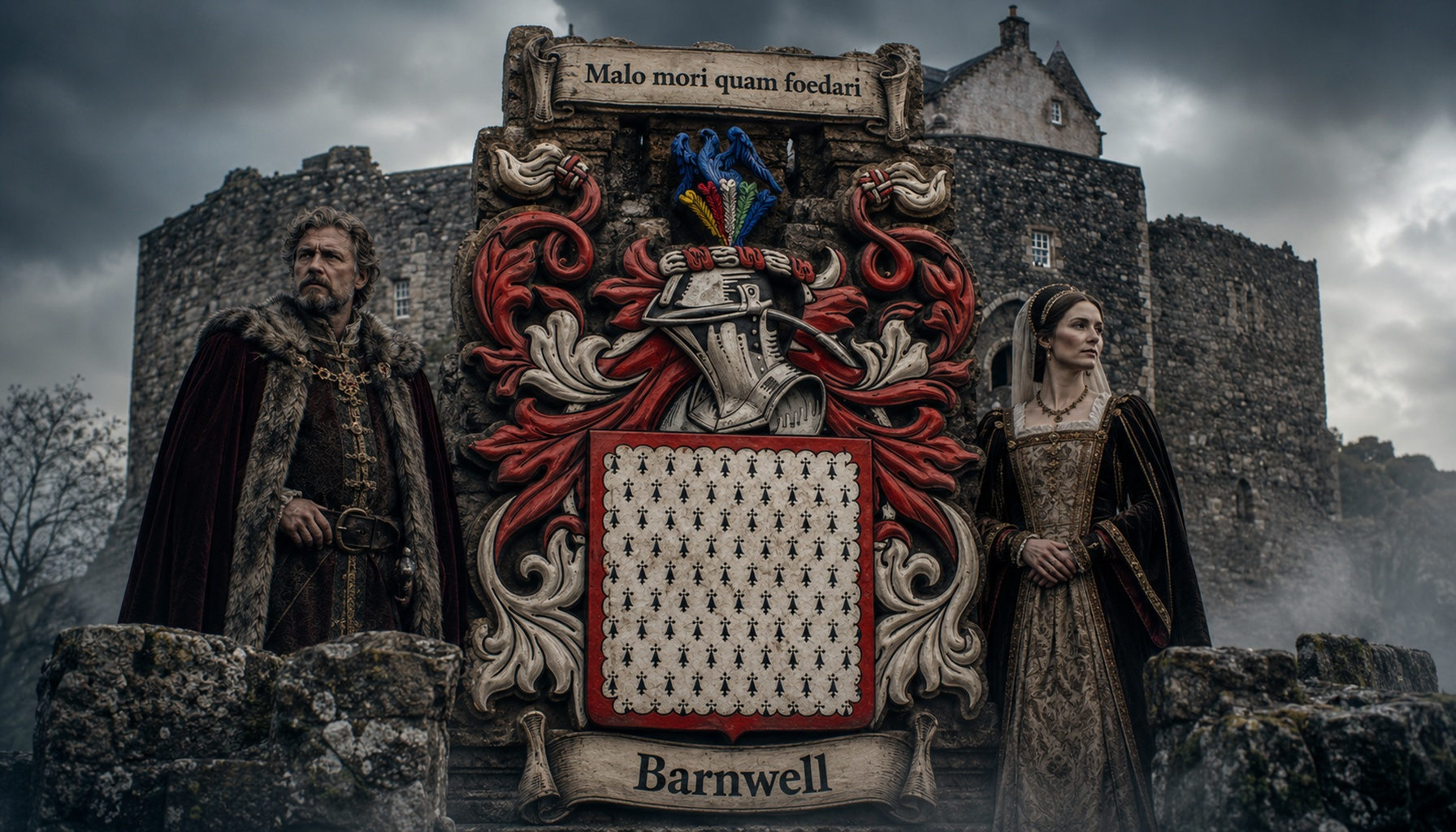
The House of Barnwell, often found in Irish records as Barnewall, was a noble and landed family of English and Irish heritage whose identity grew out of landholding, service, and long continuity in regional society. The name has that classic place-based ring so common in the medieval British Isles, where family memory was tied not simply to blood but to estate, settlement, and authority on the ground. In haplogroup terms, the primary family line is associated here with R1b1a1b1a1a1c1a1, a branch within the wider R1b world that appears again and again across the historical landscapes of western and central Europe.
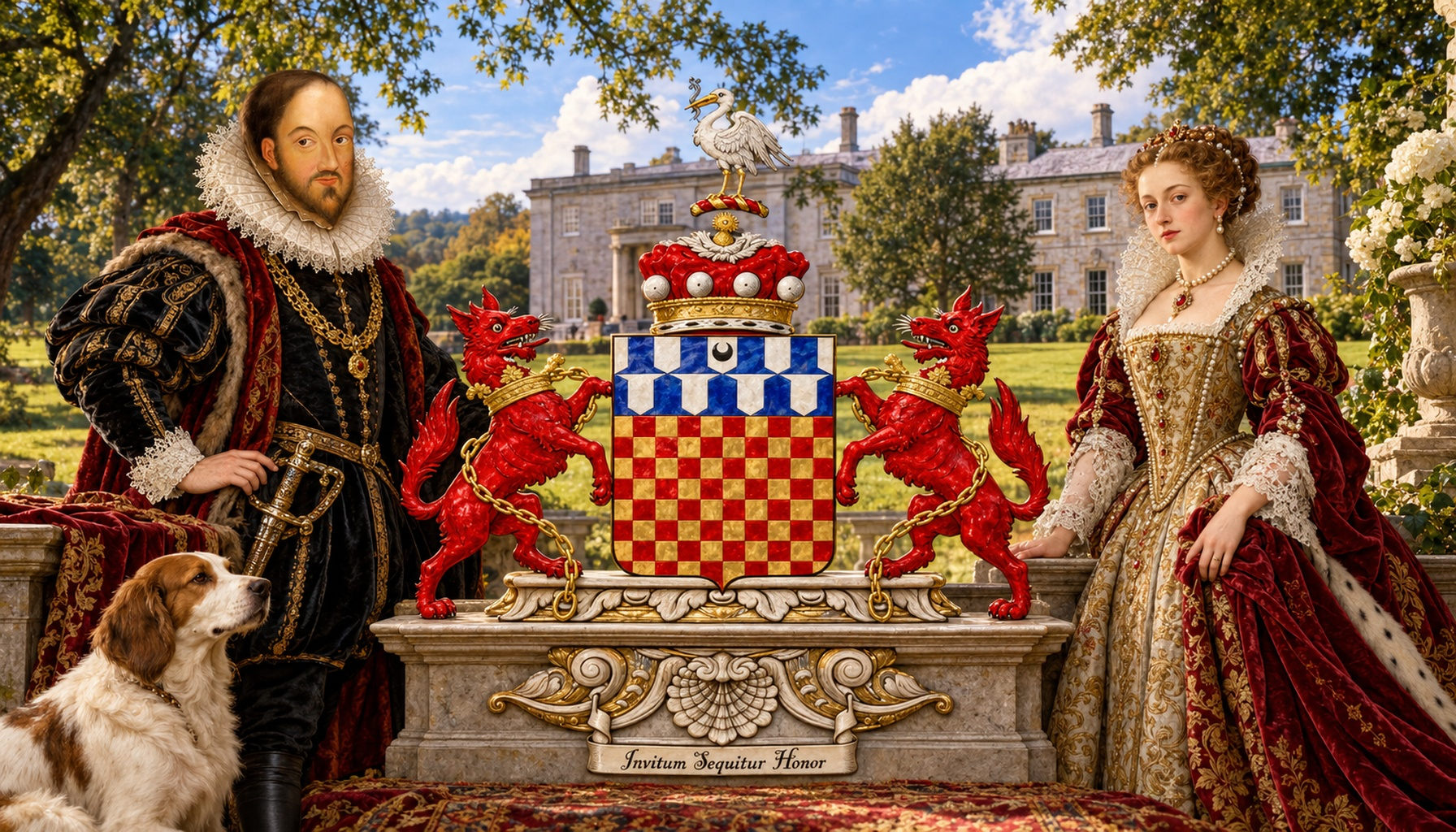
The family emerged in the Anglo-Norman world that reshaped both England and Ireland after the 12th century, and their story fits that broader pattern rather well: property, marriage alliances, heraldic recognition, legal office, and local duty all helping to turn a surname into a house. Early named figures include Sir Michael de Berneval in 1172, a reminder of the family's roots in the first generations of Anglo-Norman Ireland; Sir Christopher Barnewall in 1446, representing the later medieval consolidation of family standing; and John Barnewall, Lord Chancellor of Ireland, who lived from about 1470 to 1538 and brought the family into the highest levels of public service. House Barnwell is therefore not just a surname in a pedigree, but a good example of the landed-house tradition of the British Isles: territorial roots, public office, heraldic memory, and the careful preservation of family reputation over centuries.
Read more about Clan Fitzgerald
If one wants a proper location anchor for the Barnewalls, Drimnagh Castle in Dublin is the place to look. The castle is closely associated with the family and stands as one of the most tangible survivals of their world. According to the history presented by Drimnagh Castle, the Barnewalls held the site for centuries, and it became not merely a residence but a statement of status, defence, and local authority. This was the sort of place from which a landed family governed estates, managed alliances, and projected permanence into the surrounding landscape. In other words, Drimnagh was not just where the family lived; it was part of how the family became a house. Better still, Drimnagh Castle still exists and can be visited, which gives the story a rare solidity. You are not left peering into mist and legend. You can actually go there, walk the grounds, and see the fabric of the Barnewall inheritance with your own eyes.
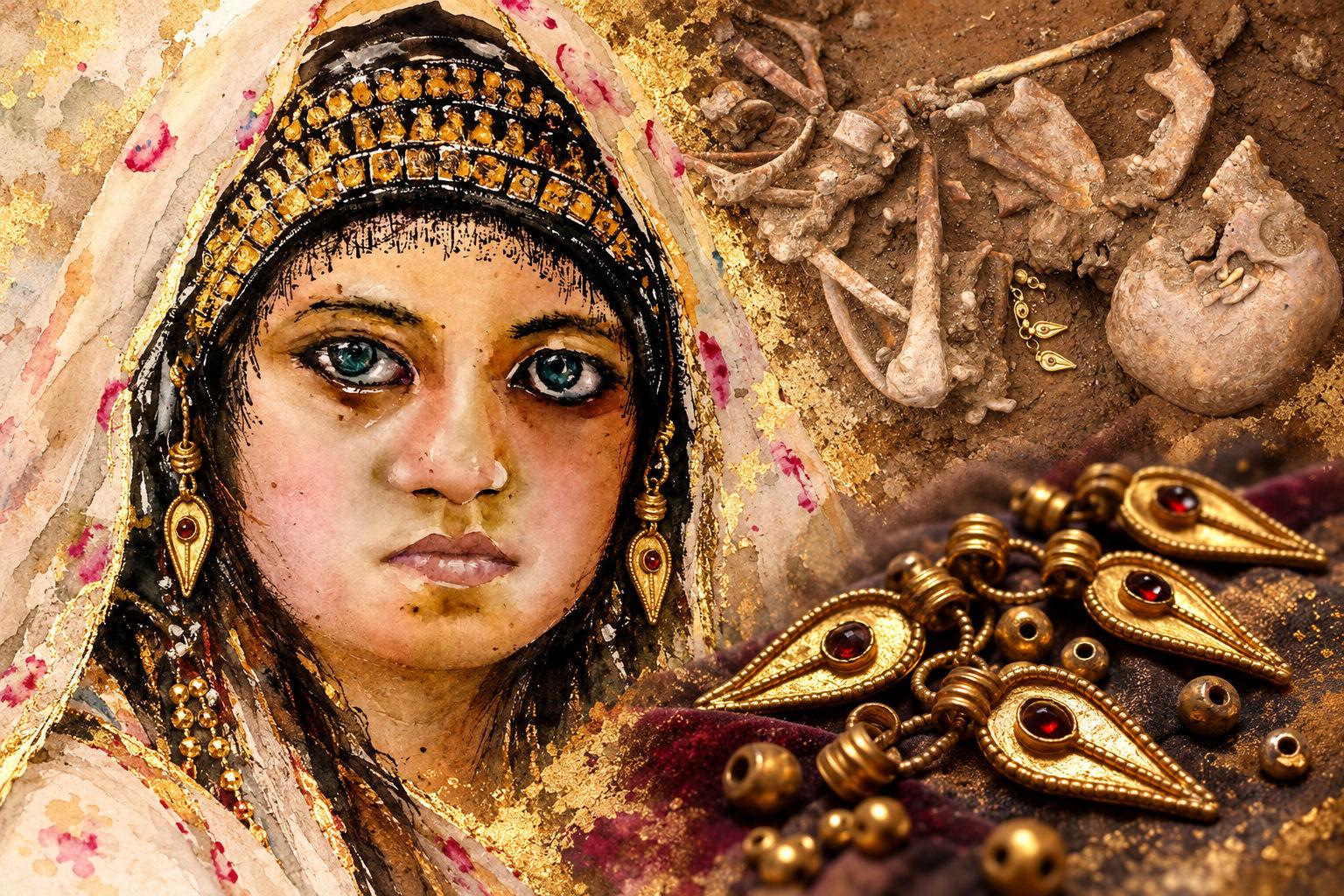
From the ancient-DNA angle, the Barnwell-associated haplogroup R1b1a1b1a1a1c1a1 sits within a very old and well-travelled European paternal landscape. Related or linked samples assigned to this branch include Lombard Warrior Elite Collegno Northern Italy individuals COL_069, COL_069b, and COL_069x; the Hungarian knightly samples Elek Bathory PER01 and Ferenc Bathory PER03-1; Medieval Jutland Denmark Vor Frue Kirkegard Aalborg CGG100493; several medieval burials from Sint-Truiden in Belgium including ST0052, ST1232, ST0632, and ST3006; Iron Age and Belgic-era individuals from Bucy-le-Long in France such as CGG022456, CGG022463, CGG022431, CGG022425, CGG022438, and CGG022419; Batavi-related samples from Valkenburg Marktveld in the Netherlands, CGG107745 and CGG107754; and a wide spread of other linked finds including Medieval Poland Piast Dynasty Lad PCA0193, Early Anglo-Saxon West Heslerton samples I20644, I20671, and I20677, Dunum DUN010 in Lower Saxony, Buckland Dover BUK059 and BUK027, Longobard HVN005, Norman-era Lincoln Castle S3044, Etruscan and Roman Italy R10339 and R58, Roman Lower Austria R10659, Late Bronze Age and Iron Age Bohemia I13788 and I15950, Iron Age Briton I11149, Dutch prehistoric samples I11972, I17019, and I12907, Bavarian elite warrior AED106, Bell Beaker I4070, and post-medieval ELW003. None of this proves direct descent from any one excavated individual, of course. What it does show is that the Barnwell haplogroup belongs to a lineage found among Iron Age, Roman, early medieval, and noble or warrior contexts across the same broad European world from which Anglo-Norman and later British Isles landed families emerged.
Explore the Princely House of Bathory
The House of Barnwell offers a splendid example of how a family becomes historical: through land, office, marriage, memory, and the stubborn survival of name and place. If your own DNA or family history points toward Barnwell, Barnewall, Anglo-Norman Ireland, or the wider landed traditions of Britain and Ireland, you can take the next step. Upload your DNA to MyTrueAncestry and see whether you match the family story or any of these related ancient DNA samples.
Comments