Clan Reynolds
– 3 min read


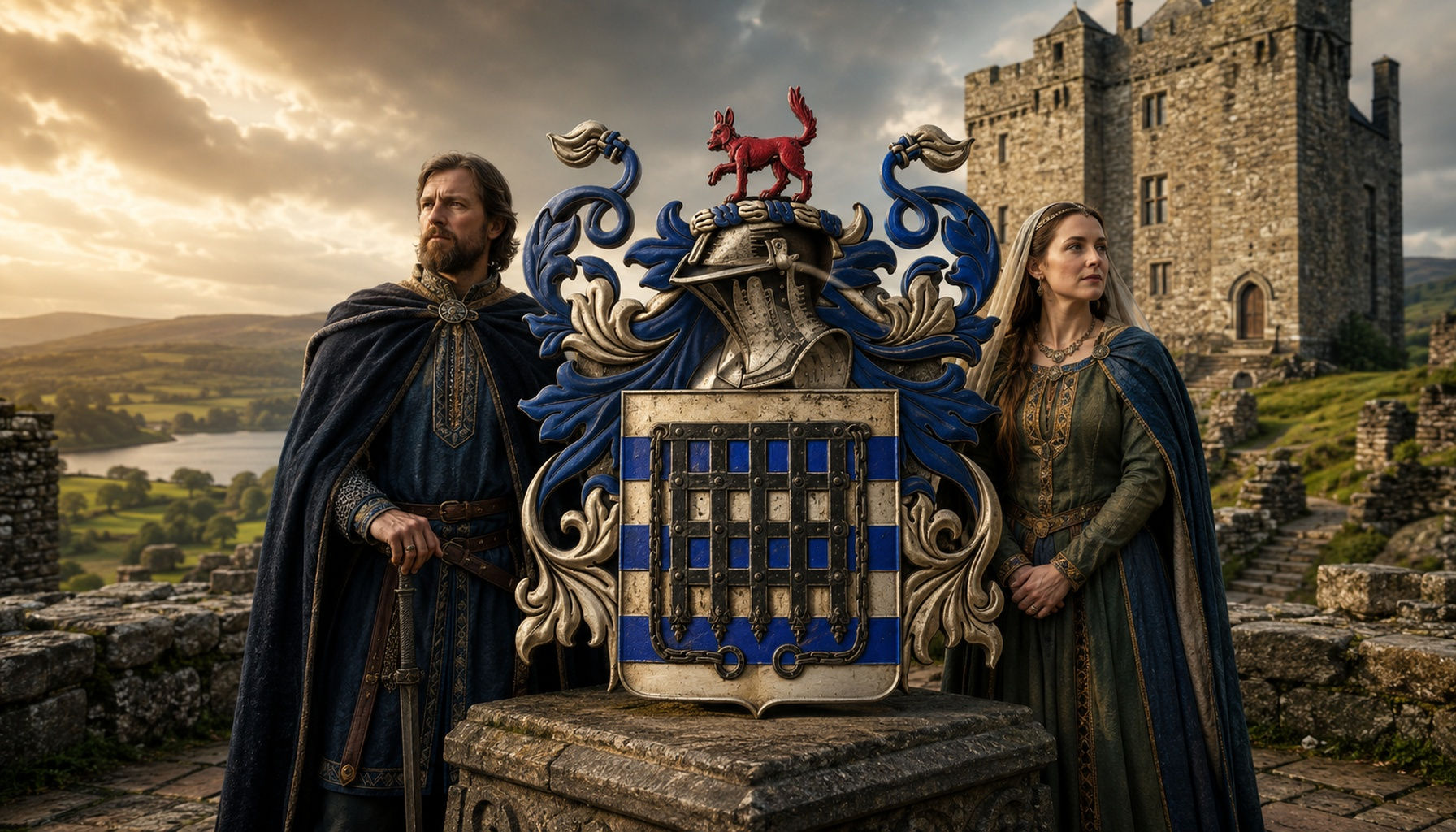
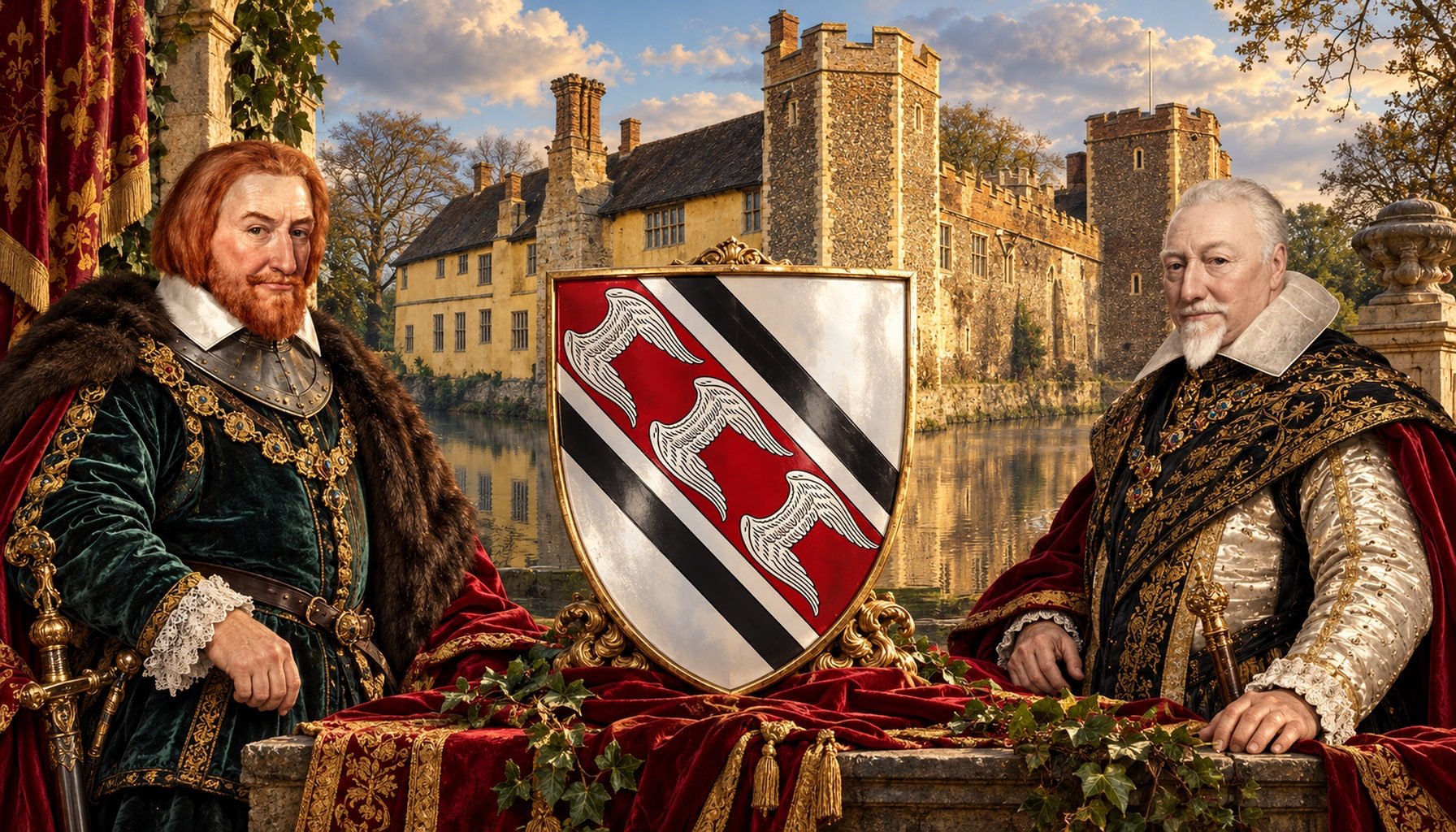
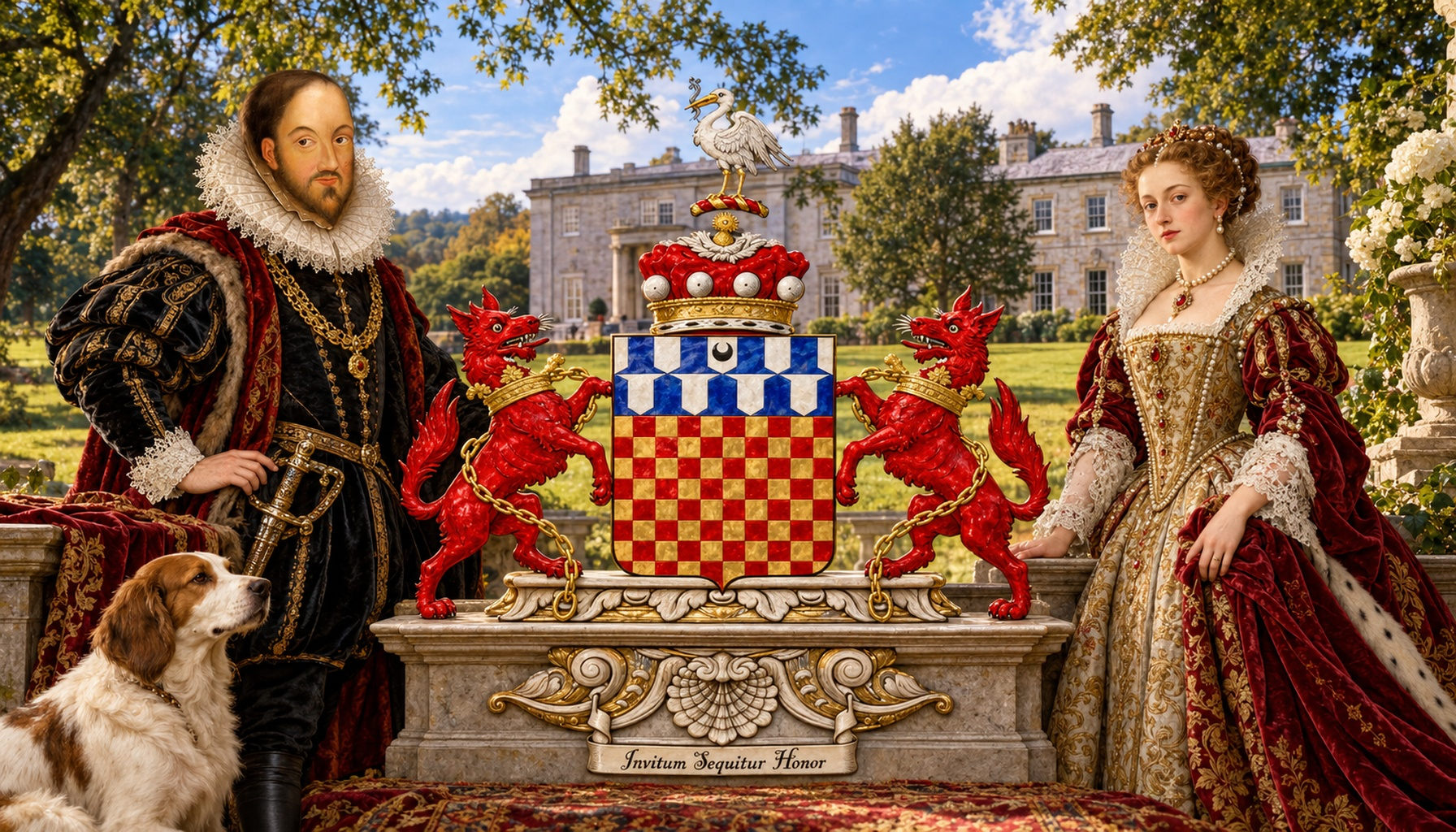
Clan Reynolds belongs to that broad and deeply familiar Irish and British tradition in which a surname becomes a kind of inheritance in itself: a badge of kinship, memory, and place. Rather than tracing to one single princely founder, Reynolds heritage is better understood as a surname tradition shaped over centuries through patronymic origin, local loyalties, service, migration, and the stubborn continuity of families who kept the name alive. In that sense it is a very British Isles story indeed, where identity was often preserved not only in castles and charters, but in the repeated passing on of a name from one generation to the next. The primary family haplogroup linked here is R1b1a1b1a1a2c1a4b4a1a1, a branch firmly at home in the wider genetic landscape of Atlantic and Celtic Europe.
In Irish historical memory, Reynolds is strongly associated with the old Gaelic world of the north midlands and northwest, especially the landscape of Leitrim and Roscommon, where families rose through lordship, alliance, church patronage, and military service. One early figure remembered in the family tradition is Eolais mac Biobhsach, dated here to around 900, whose name points us straight into the early medieval Gaelic order, when kingdoms were regional, power was personal, and ancestry mattered enormously. The Reynolds story, then, is not merely about a surname appearing on paper; it is about how a family identity took root in a landscape of lakes, woods, monasteries, rival dynasties, and shifting political frontiers between Gaelic Ireland and the expanding influence of Norman and later British power.
A fitting anchor for this heritage is Lough Rynn Castle in County Leitrim, near Mohill, standing in a region long associated with old Gaelic lordship and later landed estates. The site overlooks Lough Rynn and carries the layered feel of Irish history so often found in one place: medieval roots in a territory associated with the Mac Raghnaill line, later transformations under changing political regimes, and finally the great country-house form that survives today. The present castle is largely a 19th-century house, later expanded, and became especially associated with the Clements family, the Earls of Leitrim, yet the location itself reaches much further back into the historical world from which Reynolds identity emerged. It is one of those places where the landscape does part of the storytelling: the lake, the demesne, the roads in and out, the sense of a frontier zone between older Gaelic authority and later Anglo-Irish estate culture. Happily, Lough Rynn Castle can still be visited, as it survives today as a hotel and estate, so it remains a tangible stop for anyone wanting to stand in a landscape connected with Reynolds family memory.
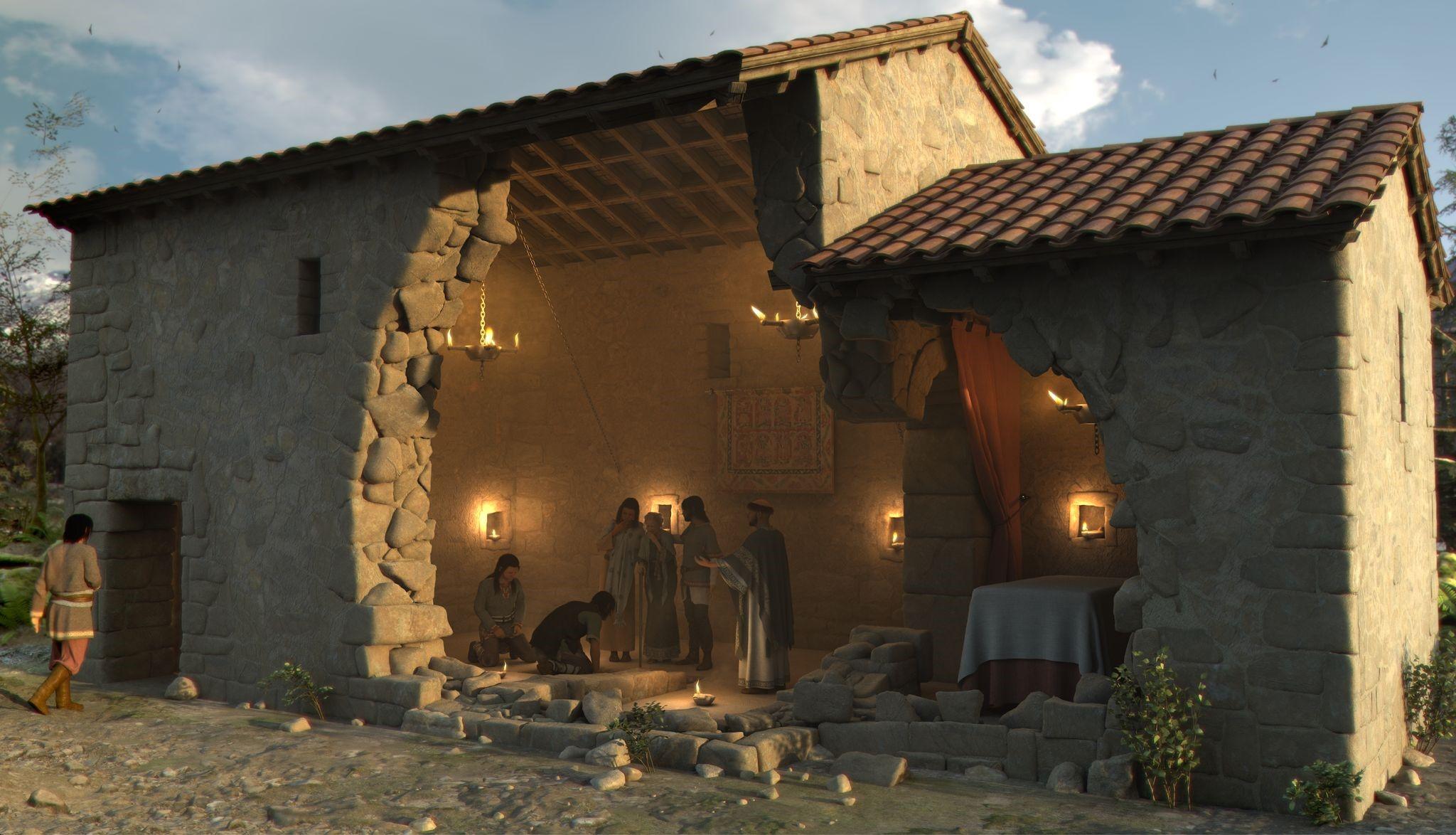
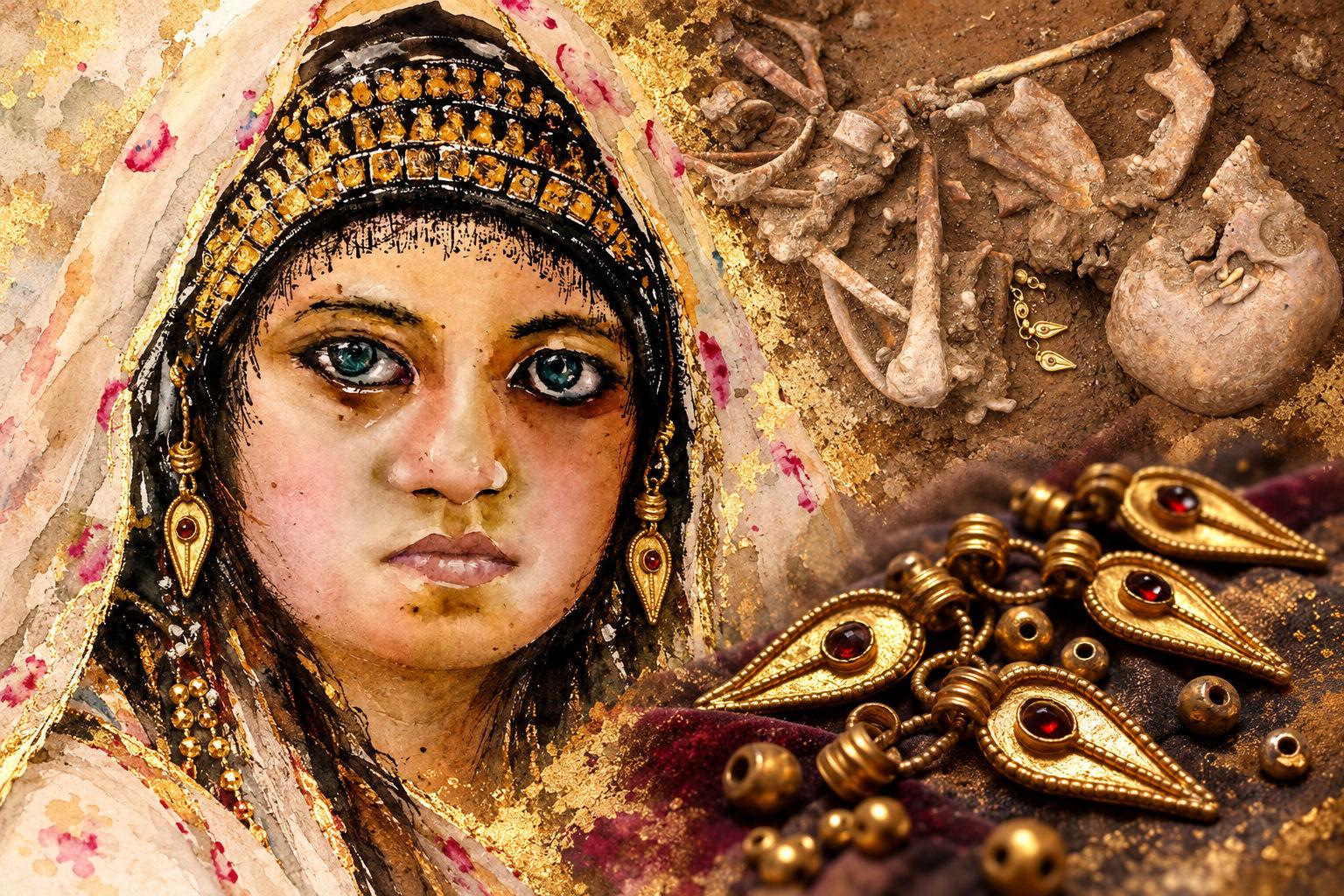
From a genetic point of view, the Reynolds-linked haplogroup R1b1a1b1a1a2c1a4b4a1a1 sits within a paternal line that appears again and again in ancient and historic western European contexts. That does not prove direct descent from any excavated individual, and it is important not to pretend otherwise, but it does place the family in a recognisable long-term population story. Related or linked samples include several Celtic Durotriges burials from Duropolis at Winterborne Kingston in England, such as WBK12, WBK20, WBK29, WBK41, WBK05, WBK30, WBK43, WBK06, WBK08, WBK18, and WBK191, alongside Iron Age and later individuals like I11991 from Worlebury, I21309 from Battlesbury Bowl, I11580 from post-Roman Worth Matravers, and ATP_PSN_192 from medieval Cambridge. Further linked examples stretch across time and space, from Bell Beaker and Bronze Age Britain including I4950, I2417, I3256, I7576, I7577, I5473, and I5377, to Rathlin2B from Copper Age Ireland, and even wider European parallels such as IND013 in Merovingian Germany, ST2025 and ST1308 in medieval Belgium, R10488 in Roman Portugal, R10656 in late Roman Austria, I26776 in Roman-era Croatia, and CGG023699 in ancient France. Taken together, these samples suggest a deep western and central European backdrop for this paternal line, one that fits neatly with the Reynolds heritage of migration, continuity, and rootedness in the British Isles.
Explore Ancient DNA in Post-Roman Britain
If Reynolds is part of your story, the most interesting question is not whether the family came from one glittering founder, but how your own line fits into this older pattern of surnames, settlement, and inherited identity across Ireland and Britain. Upload your DNA to MyTrueAncestry to see whether you match Clan Reynolds or any of the related ancient DNA samples linked with haplogroup R1b1a1b1a1a2c1a4b4a1a1, and to place your family story inside the much bigger human tale revealed by archaeology and genetics.
Comments