Clan Paterson
– 2 min read


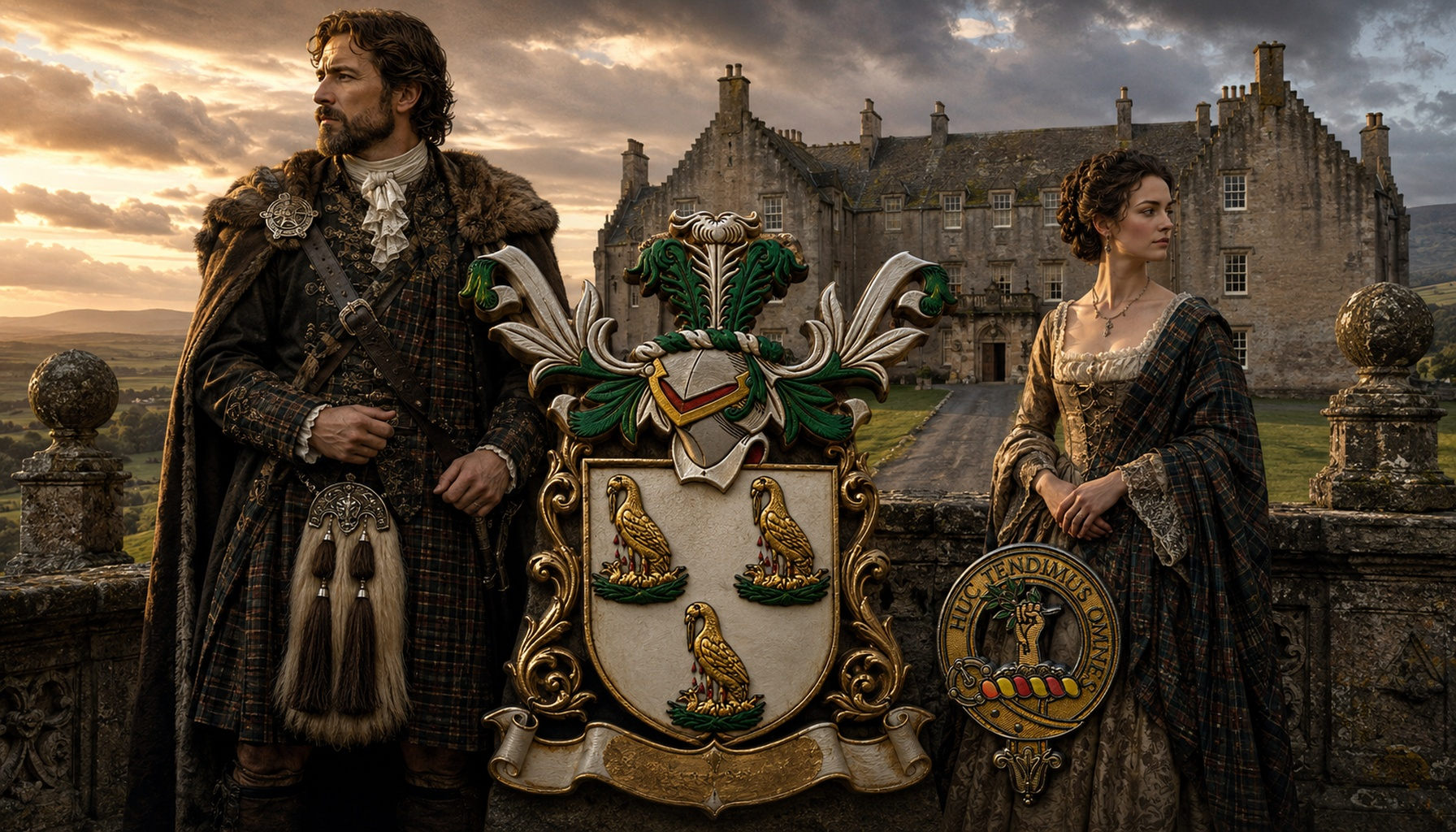
Clan Paterson was never the sort of Scottish clan that can be pinned neatly to one glen, one chief, or one dramatic mountain fastness. Its story is broader, and in many ways more recognisably Scottish for that. The surname Paterson means son of Patrick, a patronymic formed from one of the great Christian personal names of medieval Britain. From that simple naming pattern grew a scattered but durable kin tradition across Scotland, carried by families whose standing rested on service, local reputation, memory, and the steady inheritance of a surname. For DNA tagging, the primary family haplogroup linked here is I1a2b1c1a, with Clan Paterson best understood as a historic surname network rather than a single biologically uniform line.
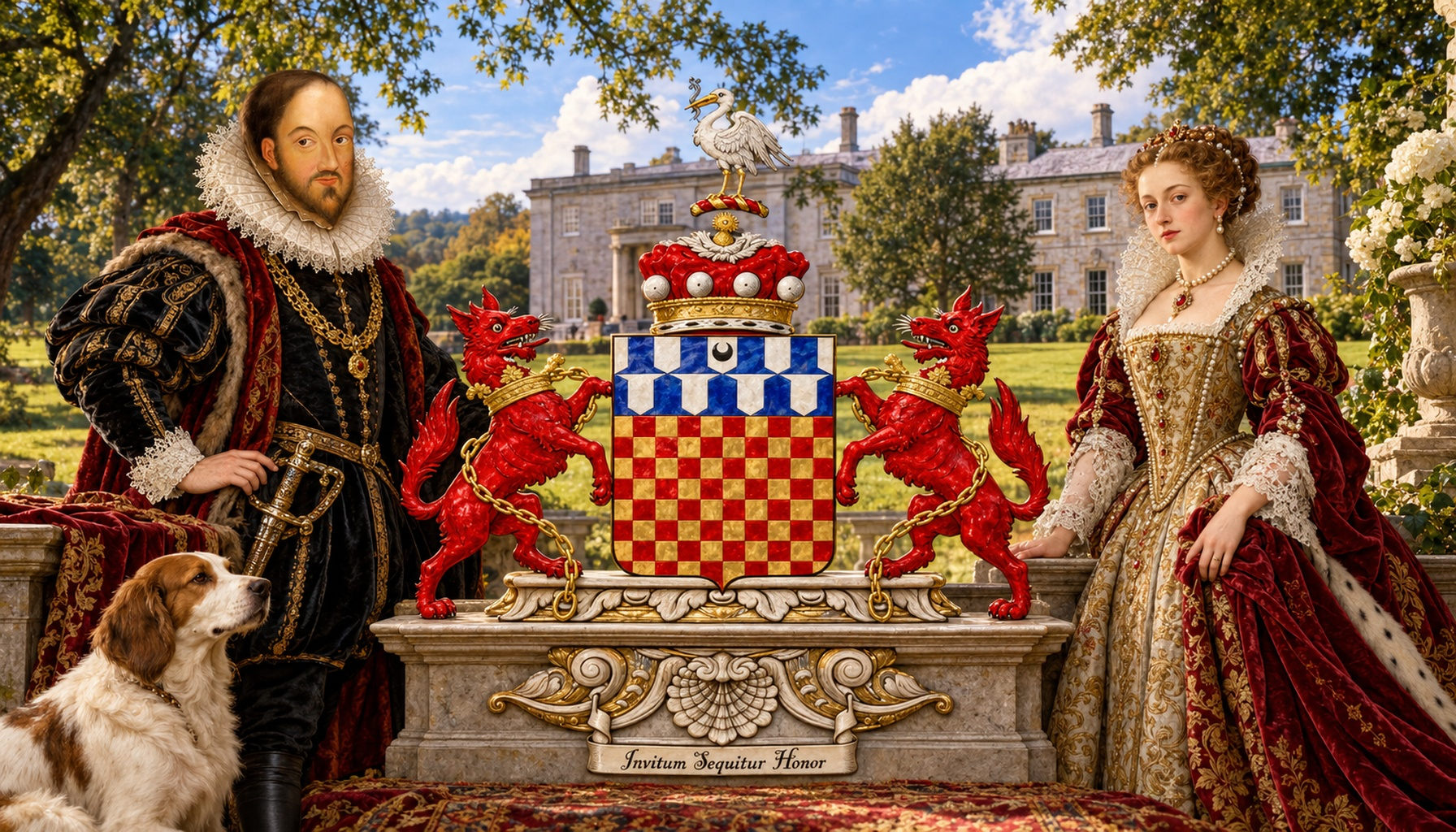
The name spread in a Scotland shaped by parish life, crown service, burgh politics, and regional loyalties. That matters, because Paterson heritage is not really about a single origin myth so much as a social pattern: Christian naming, family continuity, and a surname that could take root in different districts while still feeling recognisably connected. Early recorded figures help give the tradition some shape, including William Paterson in 1446 and, later, Sir Hugh Paterson in 1675. They stand as reminders that the family moved through the worlds of record, office, and status, which is very often how Scottish surname history survives at all.
A useful location anchor for the Paterson story is Bannockburn House, near Bannockburn in Stirlingshire, a place saturated with Scottish historical memory. The house known today is largely an 18th-century mansion, built close to the field of the Battle of Bannockburn, where Robert the Bruce won his famous victory in 1314. It later became associated with the Paterson family through Sir Hugh Paterson, 1st Baronet of Bannockburn, and that connection gives the surname a physical setting of some weight. Bannockburn House is not a medieval clan seat in the romantic tartan sense, but it does something more interesting: it places the Paterson name within the political and landed world of central Scotland, close to one of the most symbolically charged landscapes in the kingdom. The house survives, has undergone restoration efforts, and can reasonably be said to remain visitable through heritage access and events, making it a tangible stop for anyone tracing Paterson roots on the ground as well as on paper.
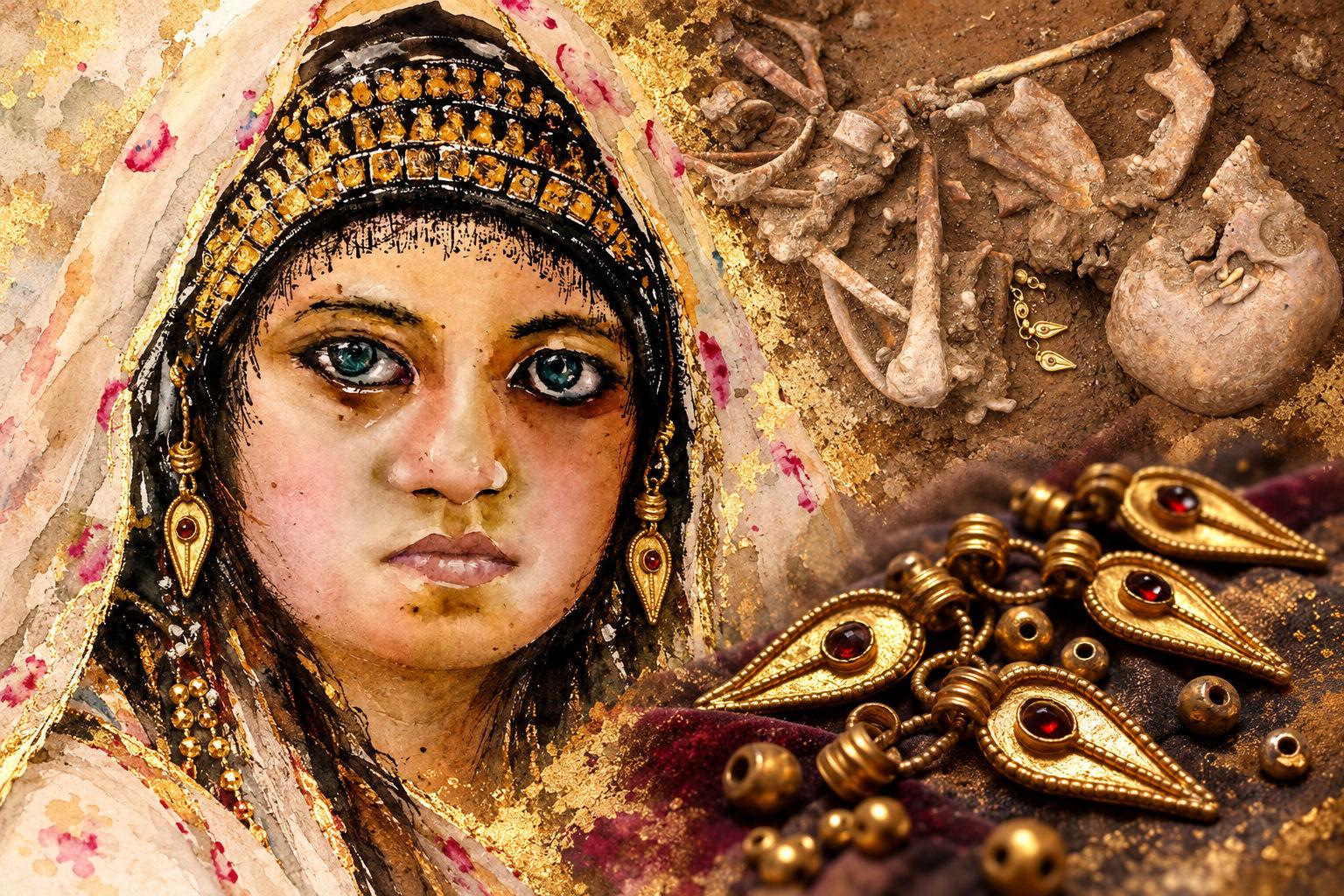
From the ancient DNA side, haplogroup I1a2b1c1a opens an intriguing window onto deeper northern European connections, though not a direct family tree for Clan Paterson itself. Related or linked samples include Post-Roman England, North Yorkshire, Vale of Pickering (I20638); Neolithic Denmark, Karlstrup (CGG106702); Ludwig van Beethoven, Wiener Zentralfriedhof (lvb); Early Anglo Saxon Cemetery, West Heslerton, Yorkshire (I20639, I20646, I20661, I20656); and Post Roman Era Worth Matravers, Dorset, England (I20637). What these samples suggest is not that Patersons descend from any one of these individuals, but that the broader paternal line tagged here has a long and fascinating presence across northern Europe, from Neolithic Scandinavia to early medieval England. In other words, the genetics sit rather nicely beside the history: a Scottish surname formed in the Christian medieval world, linked to a paternal branch with deeper roots in the migrations and settlements around the North Sea.
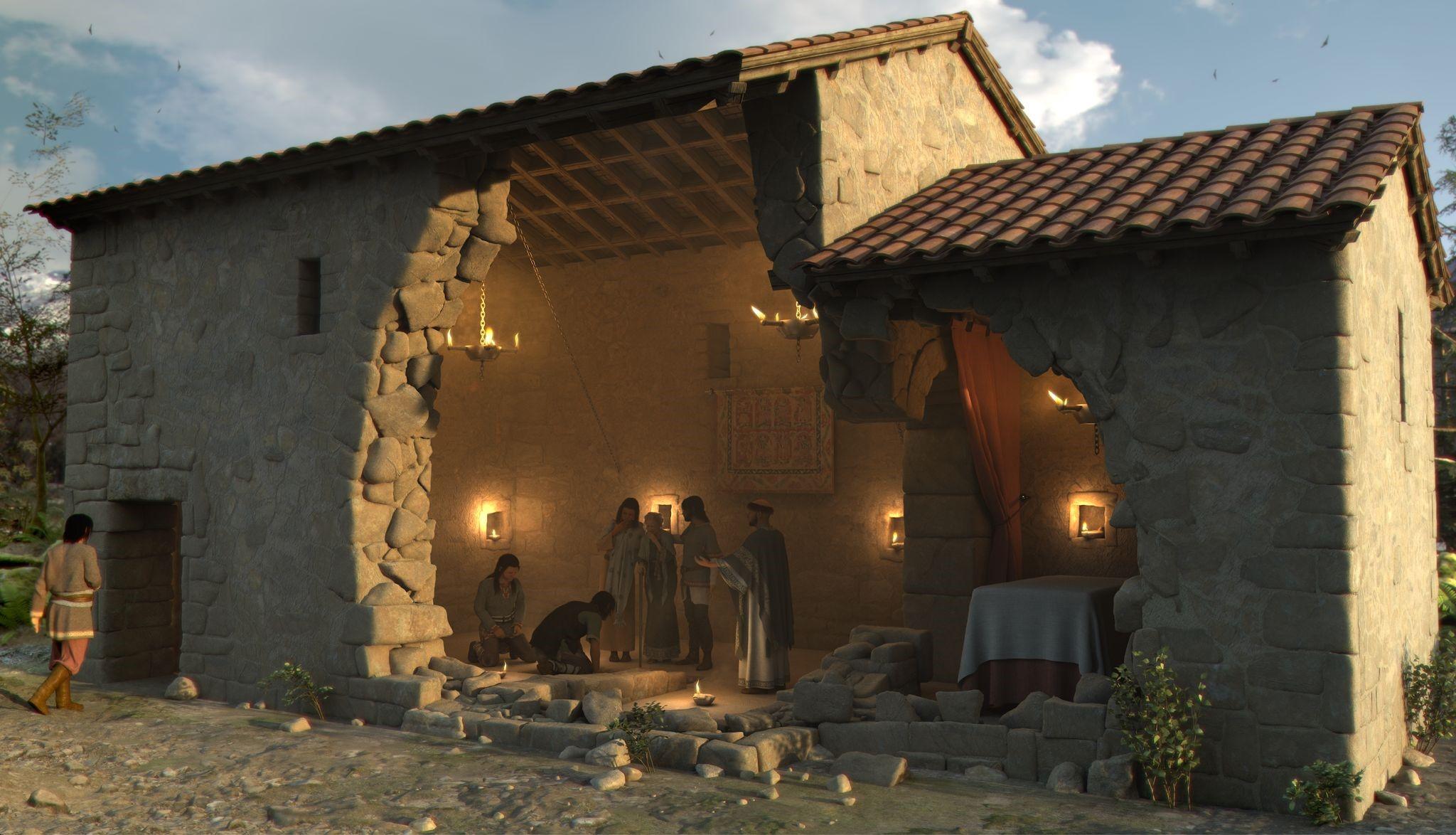
Explore Ancient DNA in Post-Roman Britain
If you carry the Paterson surname, or have it somewhere in your family story, this is exactly the kind of heritage that rewards a closer look. Upload your DNA to MyTrueAncestry to see whether you match Clan Paterson, the primary haplogroup I1a2b1c1a, or related ancient DNA samples from Britain and northern Europe.
Comments