Clan Paden
– 3 min read


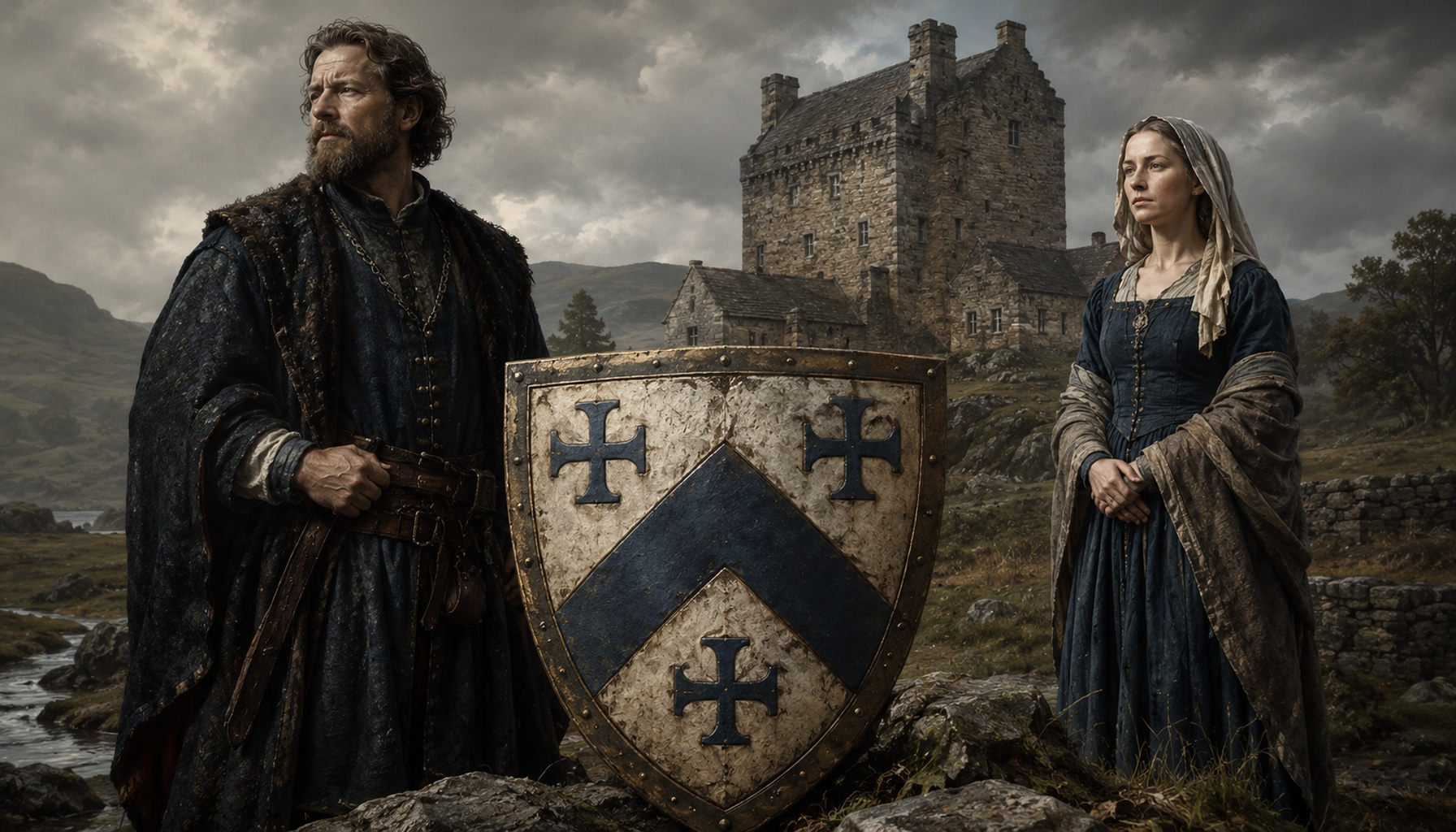
Clan Paden belongs to that broad and deeply familiar Scottish and Irish world in which family identity was carried not by grand crowns or princely titles, but by surname, kinship, locality, and memory. The name is part of a tradition shaped by the Gaelic and British Isles pattern of inherited identity: people rooted in a district, known through their relations, their service, and their continuity across generations. In that sense, the story of Paden is not a tale of a royal house, but something more recognisable and, in many ways, more enduring: a family name preserved through movement, settlement, and the stubborn survival of ancestry. In genetic tagging, the primary family haplogroup linked here is R1b1a1b1a1a1c2c1, a branch within the great western European R1b line that appears again and again in the deep population history of Atlantic Europe and the wider north-western continent.
The surname tradition associated with Paden is generally understood within the Scottish and Irish borderlands of naming, where spellings shifted, branches moved, and local belonging mattered enormously. Families of this sort often emerged from regional communities rather than from a single dramatic founder, and their importance lies in continuity: the passing on of a name, the retention of a remembered origin, and the adaptation of kin groups to changing political worlds. That historical backdrop includes the medieval and early modern traffic between Scotland, Ulster, northern England, and Ireland, where families crossed water and frontier alike in search of work, land, security, and patronage. A named figure in the record is Hugh Pethin in 1611, a useful reminder that older forms and spellings often sit behind later surname continuity, and that the archive preserves families in fragments rather than as a neat, uninterrupted line.
The Paden family tradition is best understood through its regional anchor in the Scottish and Irish sphere, where surnames were often tied to a recognisable locality even when the family itself had become mobile. In historic context, such an anchor would have meant more than a dot on a map: it was the place of neighbours, church, seasonal work, obligation, and reputation. For smaller clan-style families, local belonging was the real engine of identity. That is why the family memory matters so much. Even where the surviving evidence is scattered, the landscape connected to the surname remains central to understanding it: parish ground, old routes of migration, and districts shaped by Gaelic, Norse, Anglo-Scottish, and later British state influence. If the location identified in your source remains marked by historic settlement, church sites, graveyards, or surviving townland and parish geography, it can often still be visited today, which is one of the pleasures of family history: the realisation that these names were lived in actual places, not just on paper.
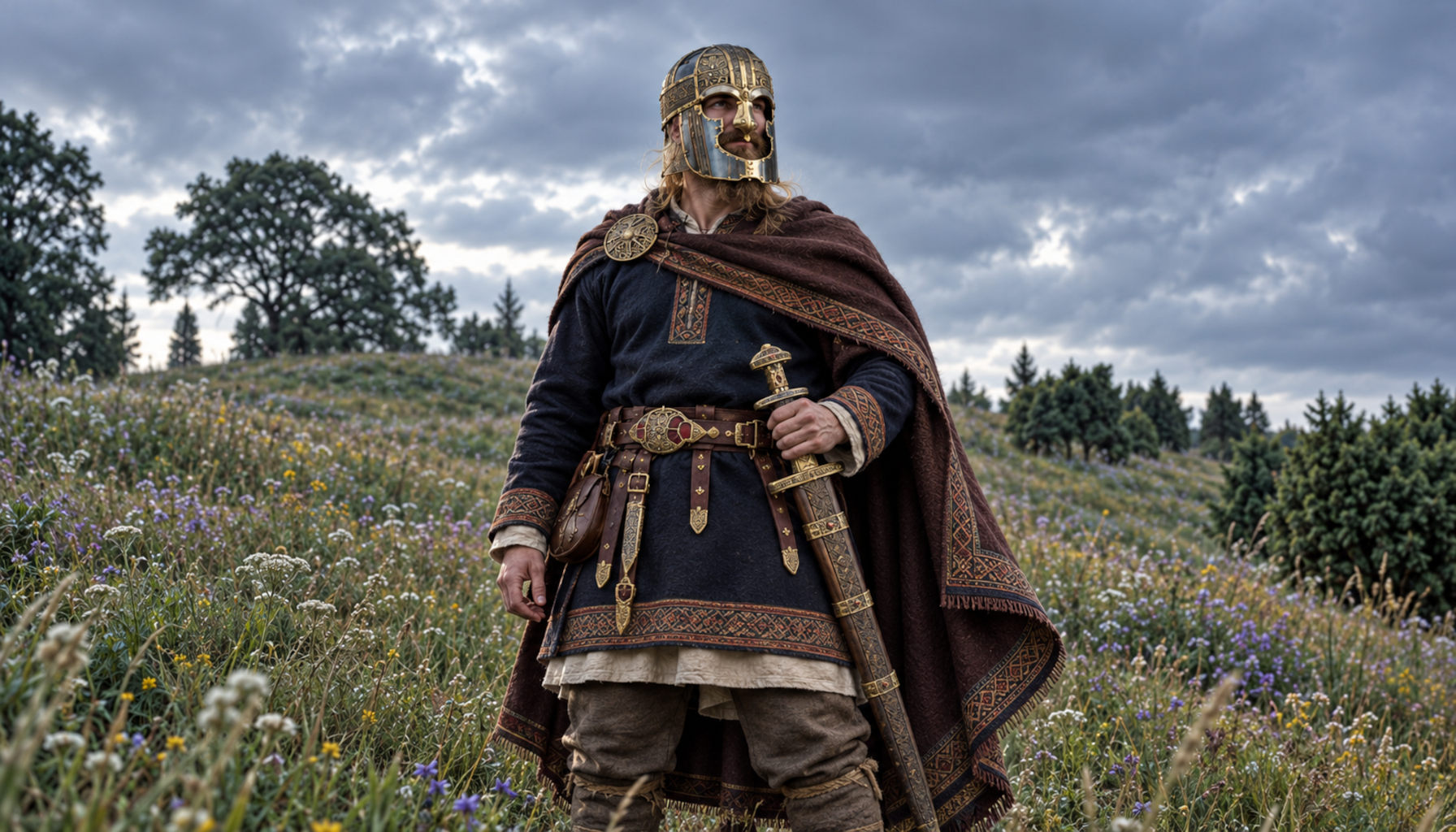
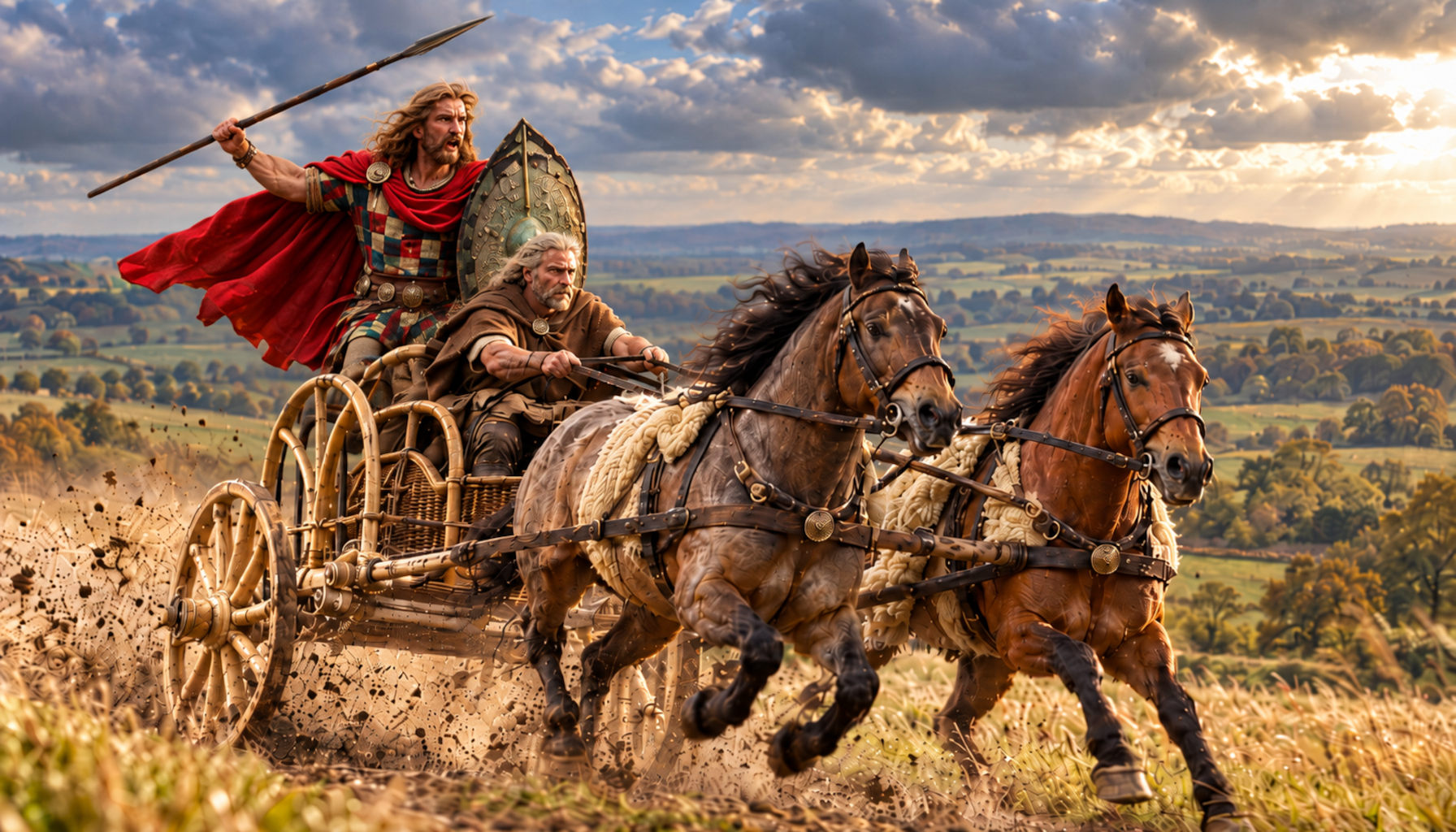
The haplogroup tag R1b1a1b1a1a1c2c1 places Clan Paden within a wider network of related paternal lines seen across ancient and medieval Europe. That does not mean any one of these individuals was an ancestor of the family; rather, they offer context for the deep history of the same broader lineage. Related or linked samples include Lombard Warrior Elite Collegno Northern Italy (COL_069), Lombard Era Collegno Northern Italy (COL_069b), Lombard Warrior Elite Collegno Northern Italy (COL_069x), Belgic Suessiones Iron Age France Bucy-le-Long (CGG022456), Belgic Suessiones Tribe France Bucy-le-Long (CGG022425), Gallic France Bucy-le-Long (CGG022419), Early Anglo Saxon Cemetery West Heslerton Yorkshire (I20644), Early Anglo Saxon Cemetery West Heslerton Yorkshire (I20671), Early Anglo Saxon Cemetery West Heslerton Yorkshire (I20677), Longobard Haeven Mecklenburg-Vorpommern (HVN005), Norman Invasion Medieval Lincolnshire Lincoln Castle (S3044), Middle Bronze Age Westwoud-Binnenwijzend Netherlands (I11972), Post Medieval Plague Victim Ellwangen Germany (ELW003), Viking Age Hofstadir Iceland (VK102), Bell Beaker De Tuithoorn North Holland (I4070), and Medieval Upper Bavaria Germany (Petersberg). Taken together, these linked samples sketch a striking picture: this paternal line moved through Bell Beaker horizons, Iron Age tribal worlds, Anglo-Saxon and Lombard migration zones, Viking and Norman settings, and the medieval societies that later fed into the population history of Britain and Ireland.
If you carry the Paden surname, or have Paden lines in your family tree, DNA can add an extra layer to the paper trail. Upload your DNA to MyTrueAncestry to explore ancient samples linked to your deeper ancestry, compare your results with historic populations, and place your family story into a much wider human past.
Comments