Clan Mowat

– 2 min read


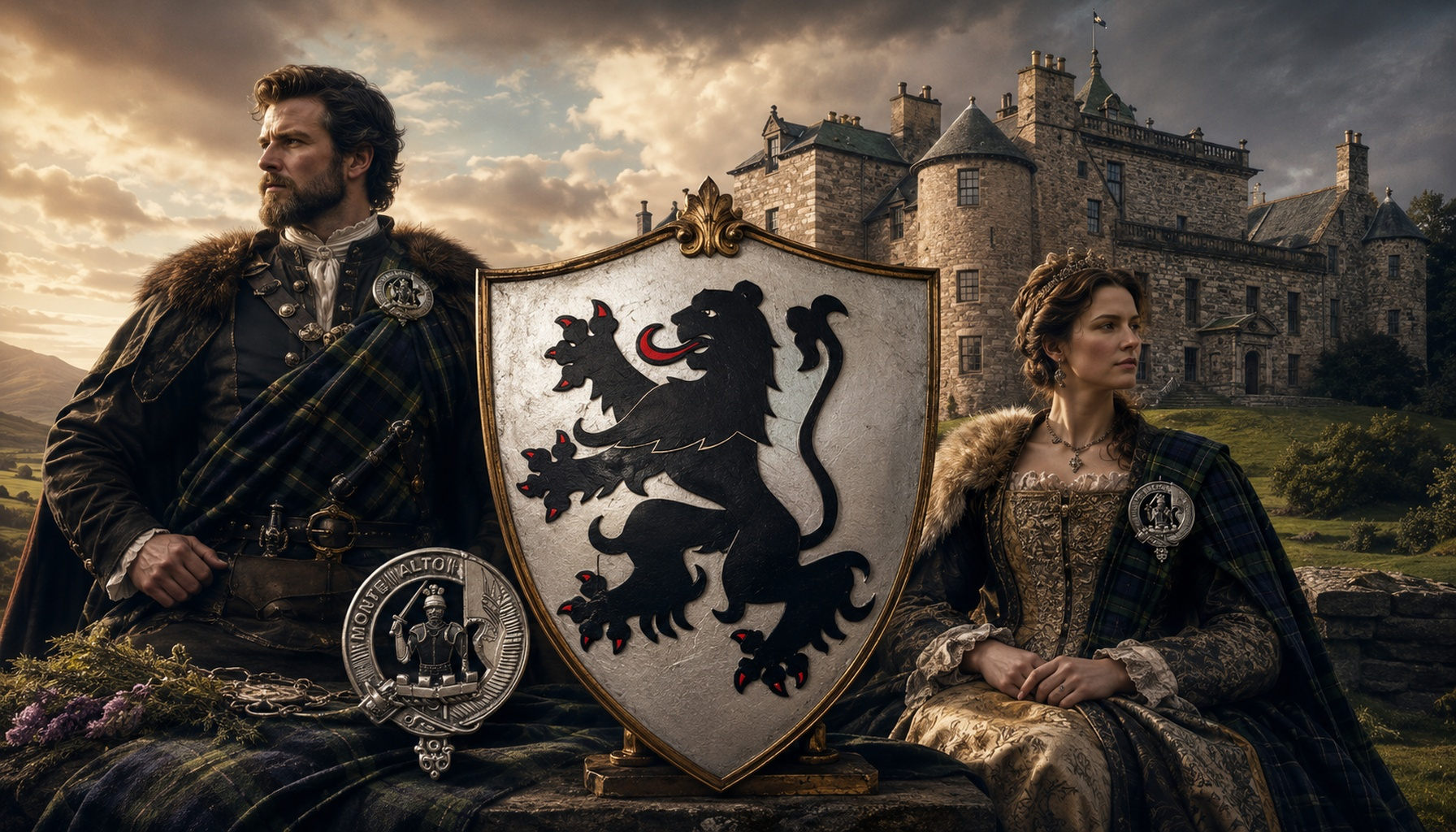
Clan Mowat was a Scottish family of Norman origin that became thoroughly rooted in Scotland through landholding, service, and long local continuity. Their story begins with the wider movement of continental families into Britain and then north into Scotland under the feudal order of the High Middle Ages, where names, loyalties, and estates were gradually made Scottish. In genetic terms, the primary family haplogroup linked here is I1a1b1a, a lineage often associated with northern European paternal ancestry.
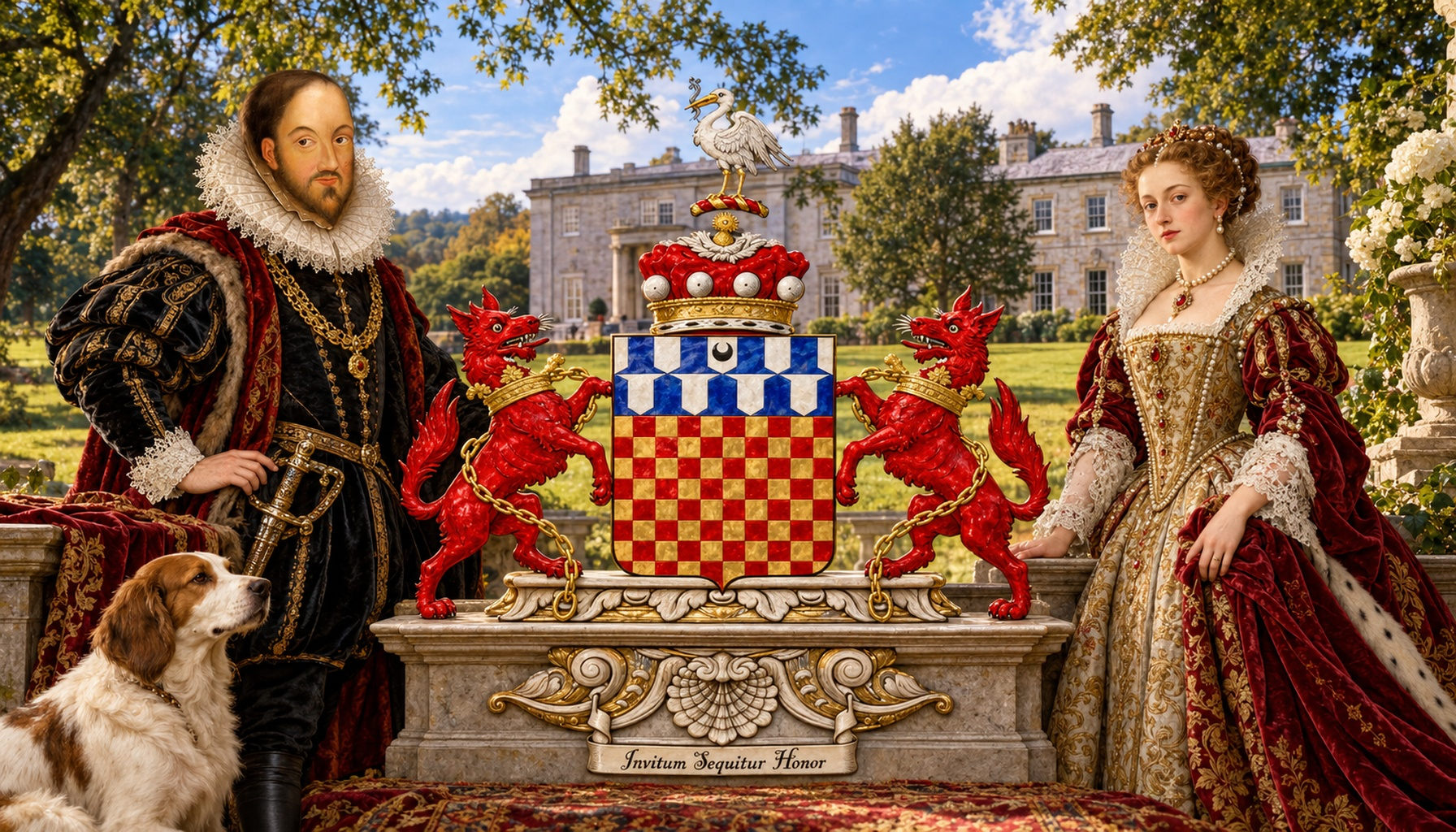
The surname is usually traced to the Norman-French world, often connected with place-name traditions and the aristocratic habit of identifying people by estate or origin. In Scotland, the Mowats became associated above all with Aberdeenshire and with the Lowland pattern of family life: charters, property, heraldry, official duty, and regional standing rather than the later romantic image of a purely martial Highland clan. One early named figure is William de Monte Alto, recorded in 1219, whose very name still carries that Norman flavor. Over generations, families like the Mowats ceased to be outsiders at all. They became part of the social machinery of medieval and early modern Scotland, preserving a distinctive surname while absorbing the habits, politics, and identity of the kingdom around them.
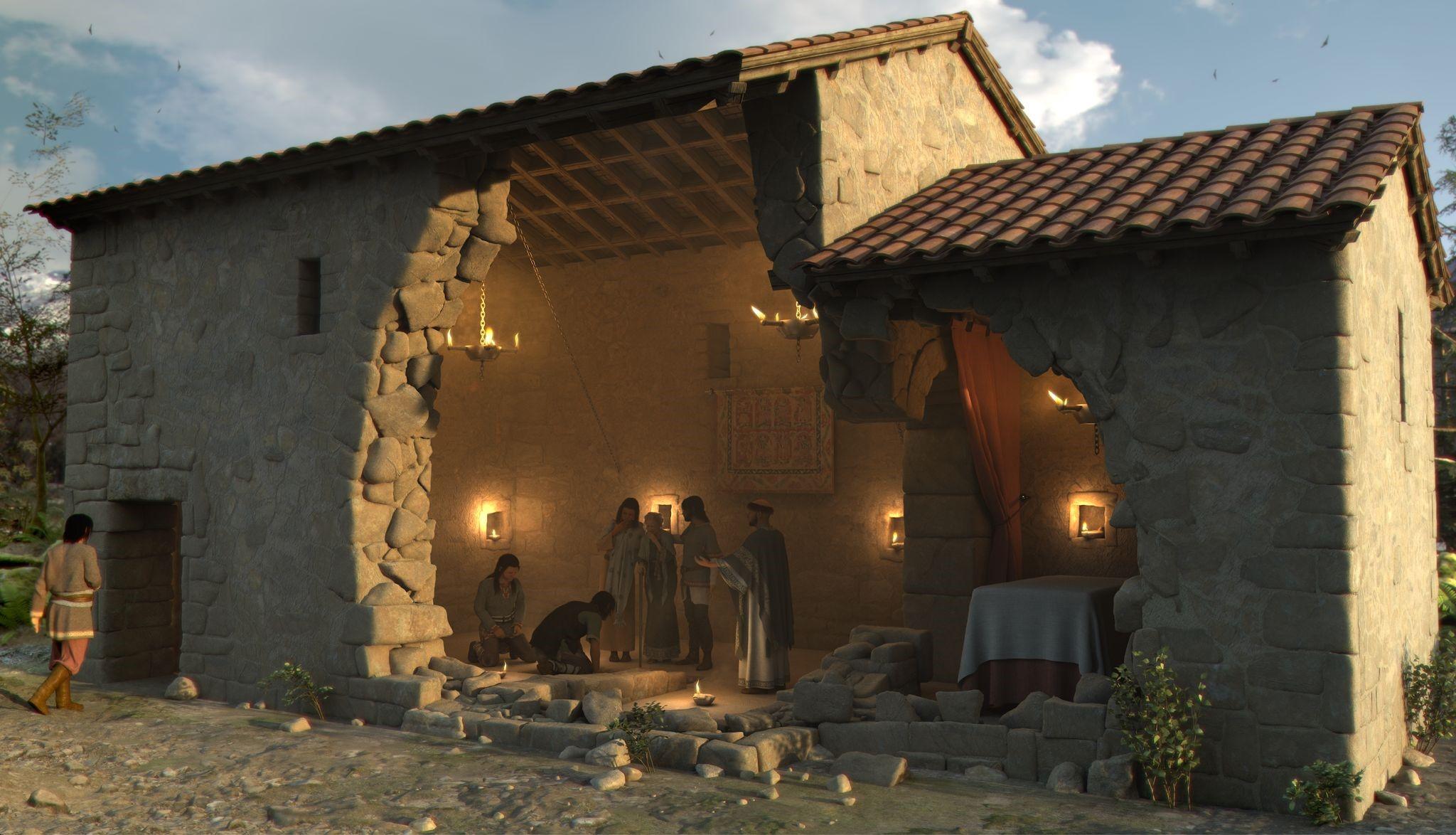
One of the most evocative location anchors for Mowat history is Freswick Castle in Caithness, on the far northeastern coast of mainland Scotland. The site stands near Freswick Bay, in a landscape that feels wonderfully exposed to sea, weather, and long memory. What survives today is largely the ruin of a tower house and associated remains, but the place has a much deeper story behind it, including Norse-era importance in the region and later medieval occupation. Freswick is exactly the kind of site that reminds us how Scottish family history is layered: Norse seaways, medieval lordship, local estate power, and then the long afterlife of ruins in the modern imagination. The castle is generally understood to have been associated with the Mowats of Freswick, and its remains can still be viewed today, making it a real and visitable point of contact with the family's northern story.
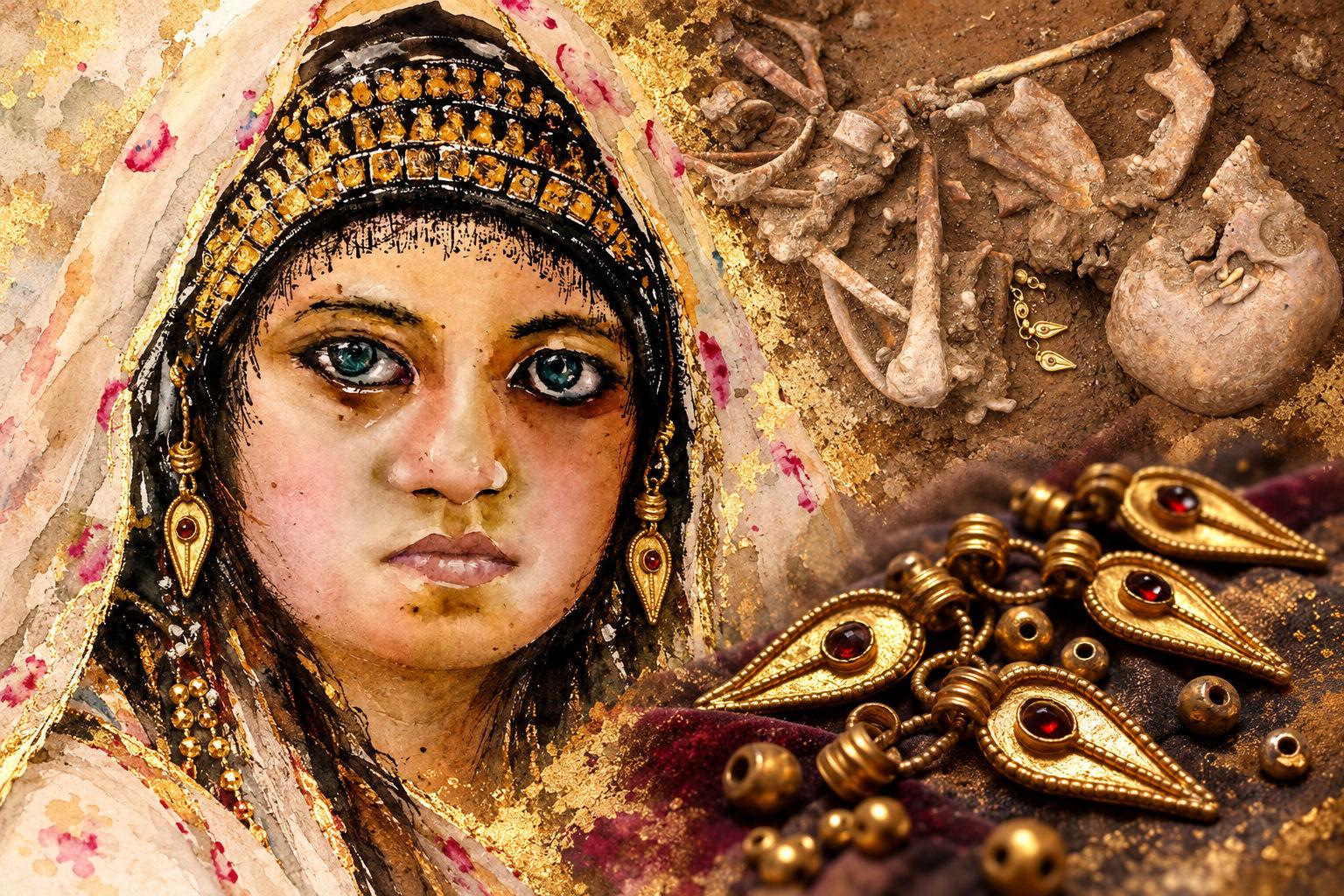
From the ancient DNA side, I1a1b1a is not a "Mowat marker" in the simplistic sense, and no direct descent should be claimed from archaeological individuals without firm evidence. But it is still fascinating to see related or linked I1a1b1a-bearing samples appearing across a broad northern and central European arc: Migration Period Hungary Rakoczifalva (RKF183), Longobard Period Pannonia Savaria Szeleste Barbaricum Hungary (SZL026), Merovingian Bavaria samples Alh_236 and Alh_141, Piast-era Santok Lad (PCA0389), Iron Age Gdansk Wielbark (PCA0480), medieval Jutland at Vor Frue Kirkegard Aalborg (CGG100498), early medieval Britain at Cornwall Widemouth Bay (I16383) and Mercia Wolverton (I16509), Viking and Vendel Age Scandinavia including Trelleborg (CGG106823), Trekroner-Grydehoj (CGG106841), Alsike (als007), Salme (VK495, VK549, VK511, VK507), Varnhem (VK404, VK407), Hundstrup (VK296), and even earlier northern contexts such as Neolithic Sweden at Albacksbacken Maglarp (CGG105926). Taken together, these linked samples sketch a deep northern European backdrop of movement, warrior bands, settlement, frontier mixing, and local continuity out of which later medieval families emerged.
If you carry the Mowat surname, or think your family may connect to this Norman-Scottish line, DNA can add an intriguing extra layer to the paper trail. Upload your DNA to MyTrueAncestry to see whether you match Clan Mowat, or related ancient DNA samples connected to the wider I1a1b1a story across Britain and northern Europe.
Comments