Clan Moffat
– 2 min read


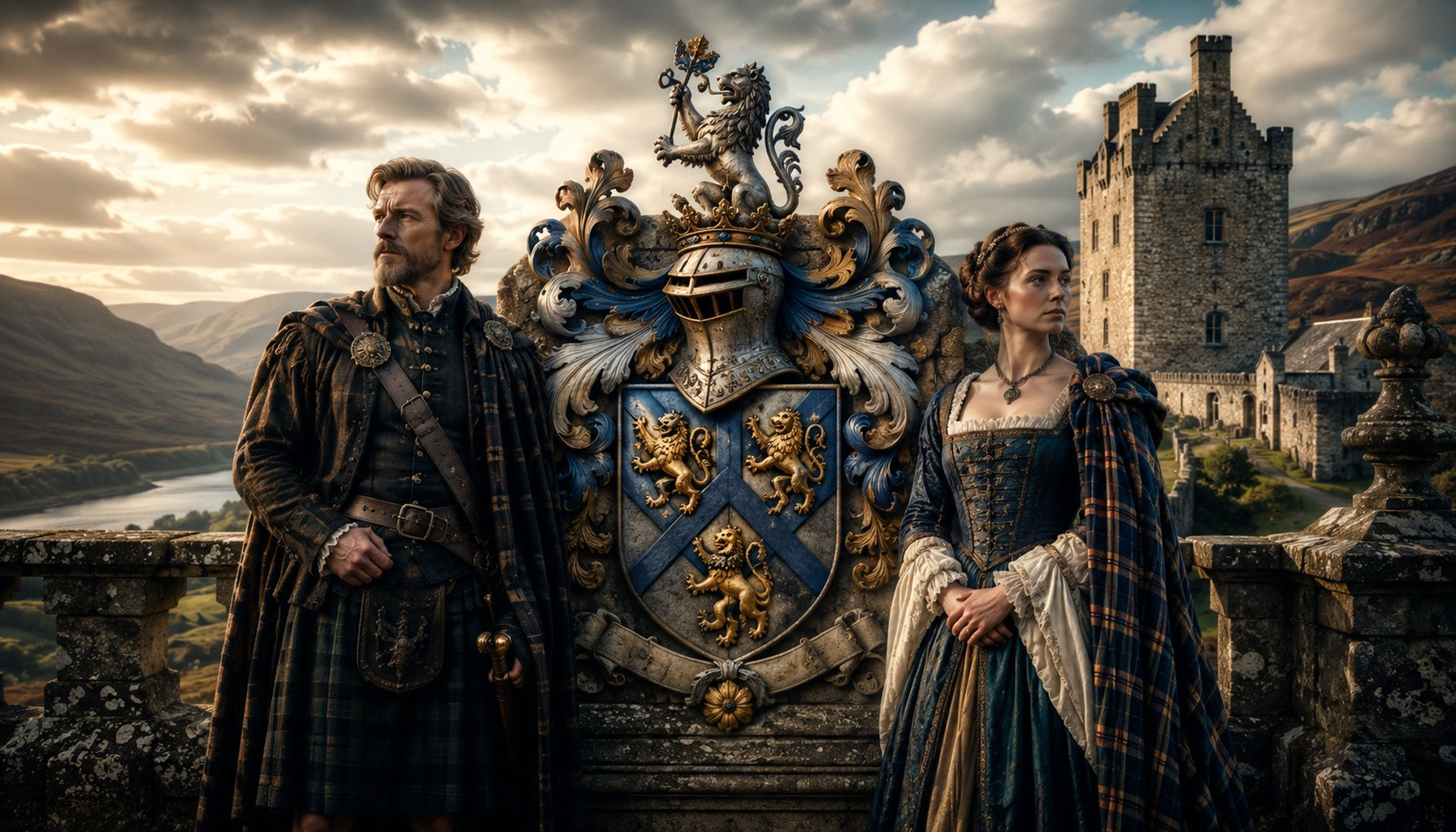
Clan Moffat was a Scottish Border family rooted in Annandale, in the southwest of Scotland, and shaped by the hard realities of life on the marches between Scotland and England. Their story is not one of distant myth or Highland romance, but of a frontier kin-group built through landholding, local service, defence, and sheer staying power in a region where loyalties could shift as quickly as the weather. In genetic tagging terms, the primary family haplogroup linked here is R1b1a1b1a1a1c2b2a1b1a1a1, a paternal line found across parts of northwestern Europe and useful as one thread, though never the whole story, in understanding deep ancestry.
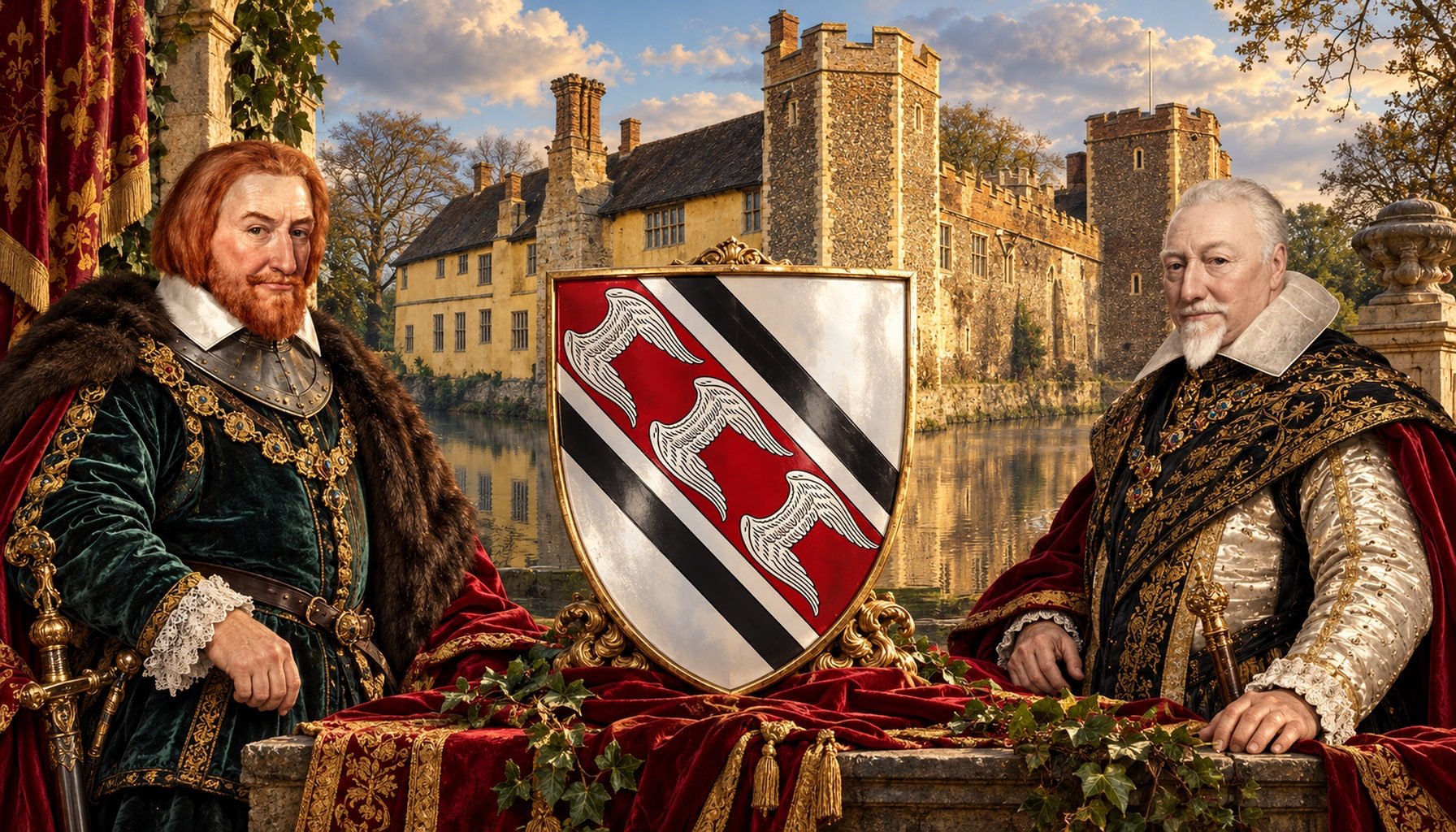
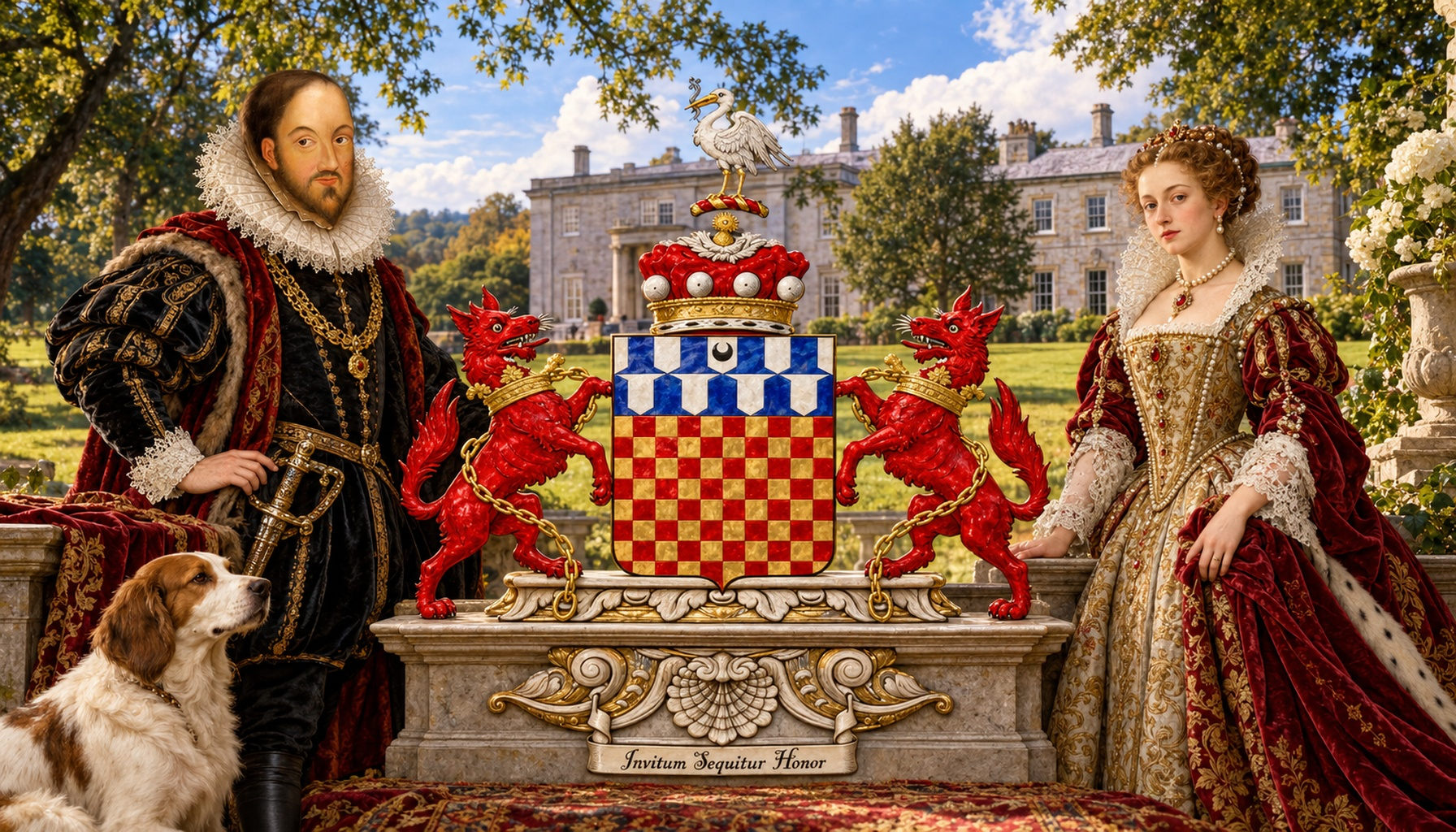
The name itself is locational, taken from Moffat in Dumfriesshire, and that matters. This was a family anchored to a place before it became a surname in the modern sense. Border society produced clans and riding surnames whose identity came from neighbourhood, obligation, feud, and survival. The Moffats fit that pattern exactly: a regional family of Annandale, resilient in conflict, marked by heraldry and memory, and carried forward through centuries of adaptation. One early named figure is Nicholas de Moffat, recorded in 1286, a reminder that by the late 13th century the family was already visible in the documentary landscape of southern Scotland.
Read more about Clan Johnstone
Moffat itself is the great location anchor of the family, a burgh in upper Annandale set in a strategic landscape of river valleys, upland routes, and movement through the southern Scottish frontier. This was not some sleepy backwater. It sat within a world of communication, grazing, trade, raiding, and cross-border tension, where communities had to be watchful and well connected. Over time Moffat grew into a market town and spa destination, but its older significance lies in how neatly it expresses Border history: a settlement shaped by landscape, routeways, and the demands of a contested region. It can still be visited today, and that is one of the pleasures of Border history. You can stand in the town, look out toward the surrounding hills and passes, and get a real sense of why a family like the Moffats emerged there and endured there.
From an ancient DNA perspective, the haplogroup R1b1a1b1a1a1c2b2a1b1a1a1 links the Moffat story into a wider northwestern European network rather than to any single proven ancestor. Related or linked samples include Medieval England Cambridge St Johns Hospital (ATP_PSN_78), the Thuringii-associated sample from Deersheim in Saxony-Anhalt, Germany (DRH010), Early Anglo-Saxon Hatherdene Close, Cambridgeshire, England (HAD011), a Saxon grave from Hannover-Anderten in Lower Saxony, Germany (ADN002), and Viking Age Galgedil on Funen, Denmark (VK133). These do not prove direct descent from any one of those individuals, of course, but they do place the haplogroup in a historical world that overlaps with the movements and mixed frontier inheritances behind later Border families: Anglo-Saxon England, Germanic continental groups, and Viking Age Scandinavia.
If you carry Moffat ancestry, or simply suspect Border roots, uploading your DNA can be a fascinating way to see whether you match the family story or connect with related ancient DNA samples from medieval Britain and northern Europe. Family history on the marches was never tidy, and that is exactly what makes it so interesting.
Comments