Clan Moore
– 2 min read


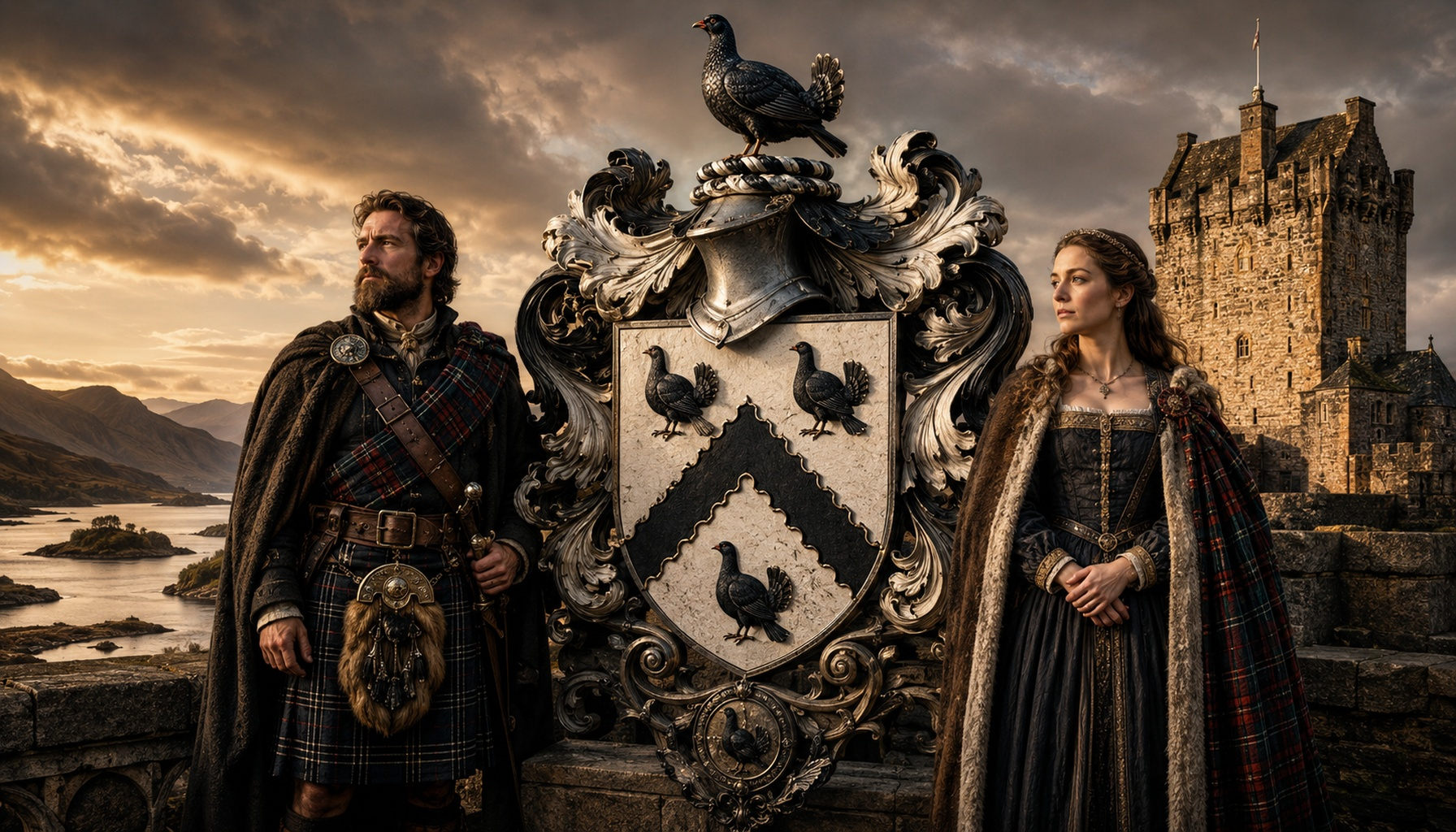
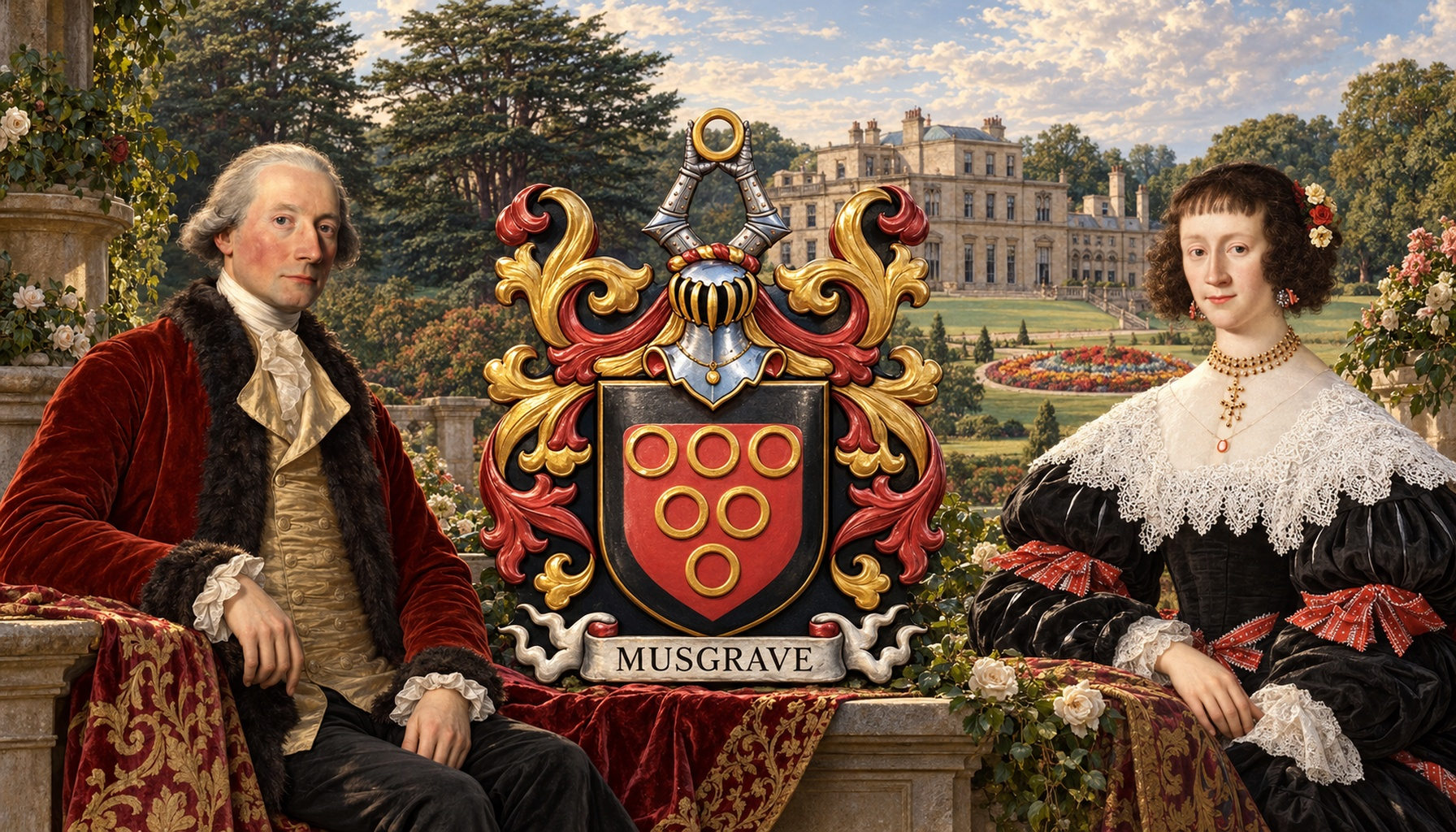
Clan Moore belongs to that broad and rather fascinating family tradition of the British Isles in which a surname endures across centuries not because of one single founder in one single glen, but because many local branches carried it forward through kinship, land, service, marriage, and migration. The name appears in Irish, Scottish, and wider British records, often in forms such as More, Muir, Moor, and Moore, and it developed in several regional settings at once. In that sense, Moore heritage is not narrow at all. It is a surname story of continuity across communities, with the primary family haplogroup here tagged as R1b1a1b1a1a2c1a5b1a1a2a1.
Historically, the Moore name is anchored in the medieval world of local lordship and record keeping, when surnames began to settle into more regular hereditary use. One early figure is William de More, recorded in 1086, a reminder that the name was already present in the documentary landscape soon after the Norman Conquest. Over time, Moore families became part of the texture of life across England, Scotland, and Ireland: some tied to estates, some to military or household service, some to market towns and farming districts, and many later carried abroad through migration. That is what gives the family its depth: not a single straight line, but a web of branches preserving the same ancestral name.
One especially evocative location anchor for Moore tradition is Dunamase Castle, or the Rock of Dunamase, in County Laois, Ireland. It stands on a dramatic rocky outcrop and has a history reaching deep into the early medieval period, with the site first associated with an early Christian fort before becoming a powerful Norman stronghold. In the 12th century it passed into the orbit of the Anglo-Norman lords, and its great strategic importance lay in precisely what visitors notice today: it commands the surrounding countryside magnificently. The ruins now visible mostly reflect medieval rebuilding and expansion, and though the castle later fell into decline, it remains one of those places where the political struggles of medieval Ireland feel almost visible in the stone itself. Yes, it can still be visited today, and as a heritage site it offers the kind of windswept, commanding view that makes perfect sense of why earlier rulers wanted it so badly.
From the ancient DNA side, the haplogroup tag R1b1a1b1a1a2c1a5b1a1a2a1 links Moore heritage into a much older pattern spread across Britain and Ireland rather than to one provable direct ancestor. Related or linked samples include Early Anglo-Saxon West Heslerton, Yorkshire, I11586; Anglo-Saxon Oakington, England, OAI012; Celtic Briton individuals from Carsington Pasture Cave, Derbyshire, I12778 and I12775; Lechlade-on-Thames, Gloucestershire, I12783; Bradley Fen, Cambridgeshire, I11156; Iron Age Middle Wallop Suddern Farm, I16611; Iron Age Greystones Farm, Gloucestershire, I12785; Copper Age Ireland at Rathlin1B; and even a Danish-Gaelic Viking Age individual from Iceland, SSG-A2. None of these should be presented as direct ancestors of Clan Moore without specific supporting evidence, but together they sketch the wider paternal landscape from which many later British Isles surname traditions emerged.
Explore ancient DNA in post-Roman Britain
If you carry the Moore name, or have Moore lines in your family tree, this is exactly the sort of heritage that rewards a closer look. Upload your DNA to MyTrueAncestry and see whether you match Clan Moore, this primary haplogroup R1b1a1b1a1a2c1a5b1a1a2a1, or related ancient DNA samples from Britain and Ireland. Family history, after all, is not just about a name on paper. It is about finding where that name sits in the long human story.
Comments