Clan Mooney
– 2 min read


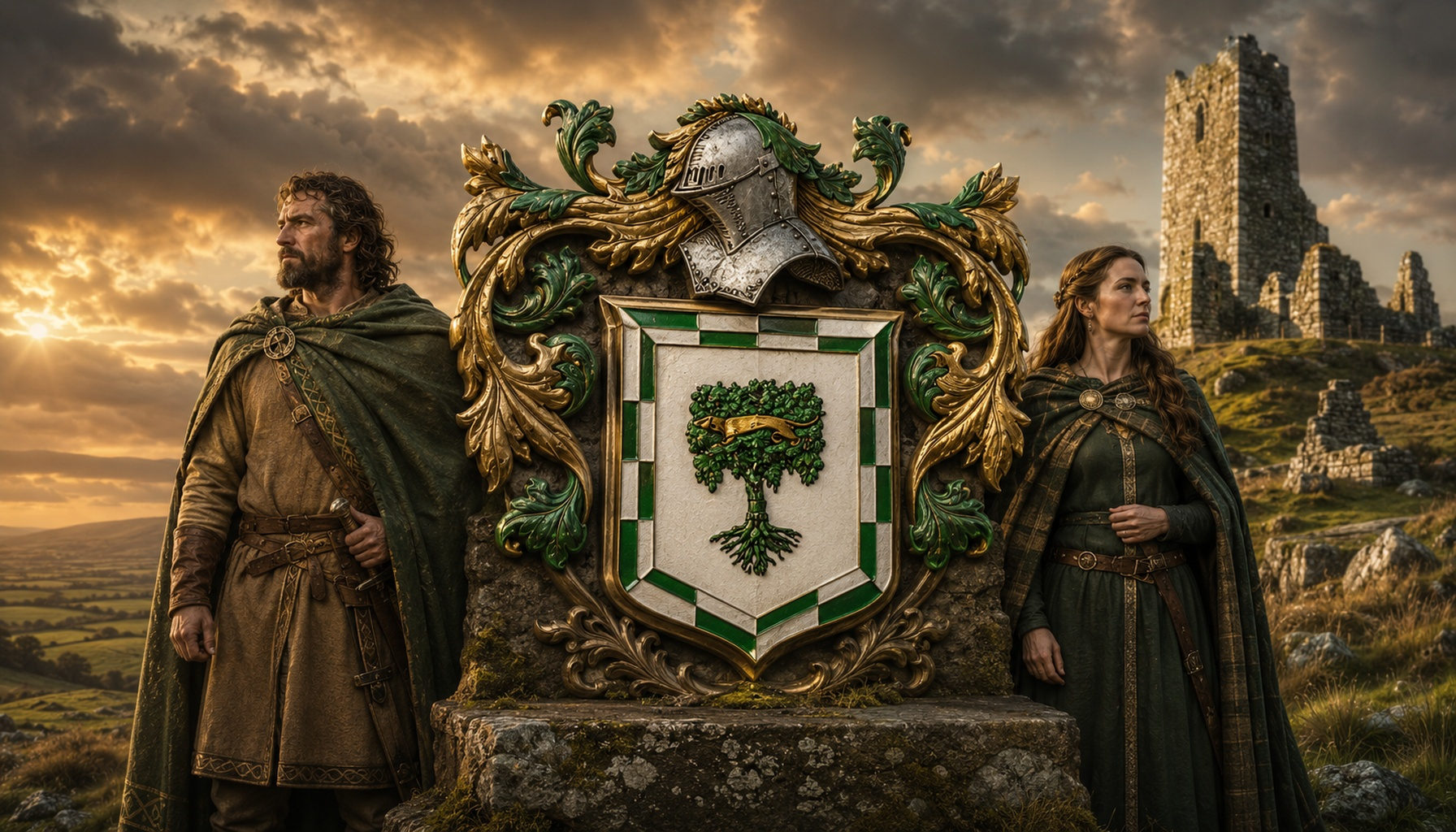
Clan Mooney was a Gaelic Irish family of the O Maonaigh surname tradition, rooted in the old world of Irish kinship, ancestral memory, and place. The name belongs to that deeply Irish pattern in which a family surname did not simply identify individuals, but declared belonging: to a forebear, to a district, and to a lineage remembered across generations. For Mooneys carrying the primary family haplogroup R1b1a1b1a1a2c1a5a2a1a1, that story also sits within one of the great paternal lineages found across Ireland and the Atlantic fringe of Europe.
Their heritage is best understood not as a neat dynastic tale with one straight line of power, but as something more recognisably Irish: continuity through disruption. The Mooney name survived conquest, anglicization, migration, and social change while retaining a strong Gaelic character. In historical terms, Clan Mooney represents the wider Irish clan pattern rather beautifully: descent from an ancestral figure, persistence of surname, resilience under pressure, and the stubborn endurance of family identity. A named figure such as Rory OMooney, recorded in 1556, gives us one brief glimpse into that longer, more crowded story of people who remained tied to their local world even as Ireland itself was being transformed.
One particularly evocative location anchor for the Mooney story is Esker Castle in County Offaly, a landscape where Gaelic and later lordly Ireland meet in stone. The castle stands near the great central routeways of the Irish midlands, in a region where control of land, roads, and river crossings mattered enormously. As described in the referenced account, Esker Castle is a striking medieval tower house, associated with the layered political history of Offaly and the shifting fortunes of native Irish and incoming powers. It has the sort of setting that tells its own story: defensive, practical, and quietly theatrical, rising out of the midlands as a reminder that these family histories were lived in real places, among contested territories and long memories. Happily, the castle can still be visited from the outside, and it remains a vivid stop for anyone tracing the historical landscape connected with families of the region.
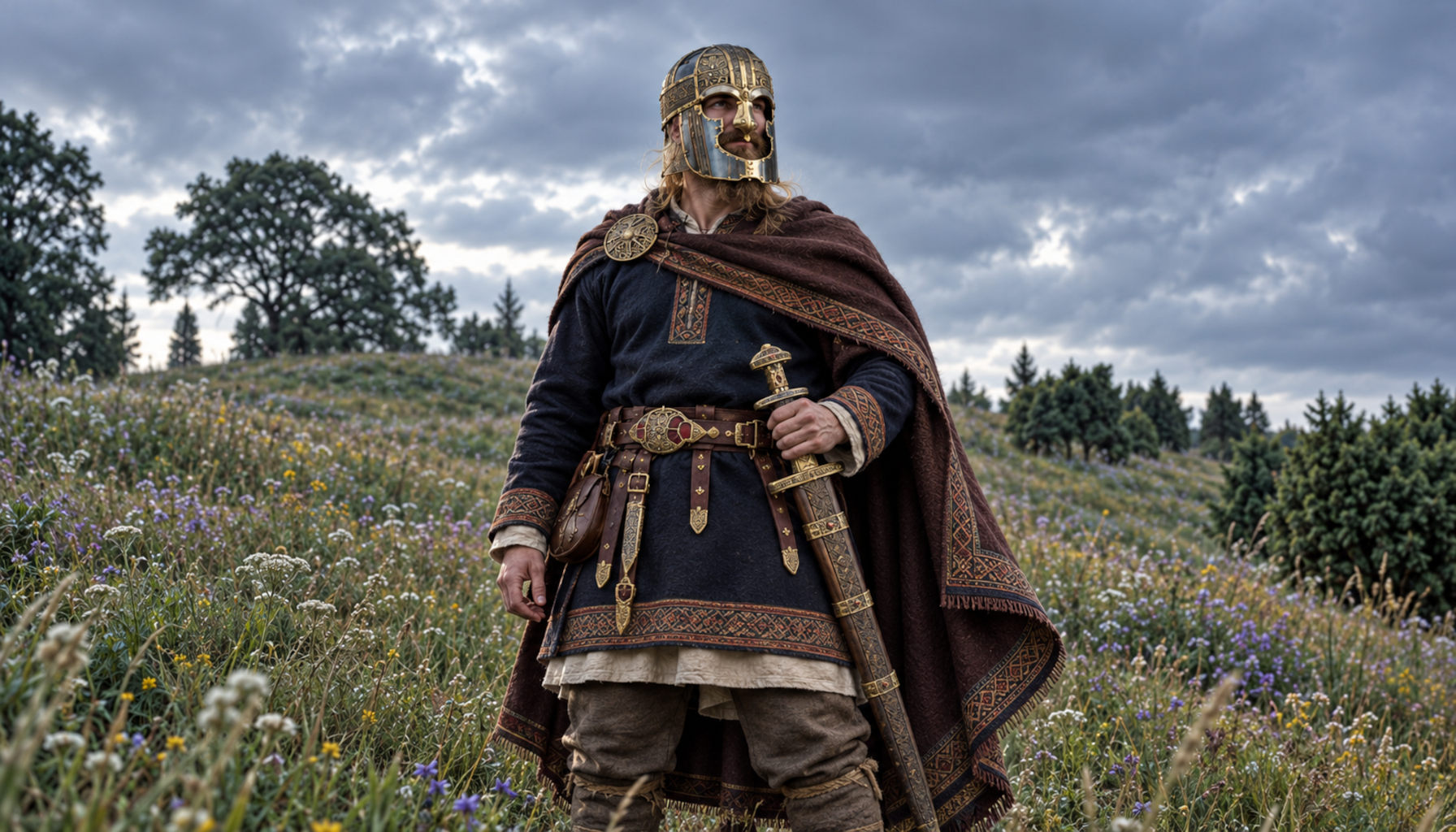
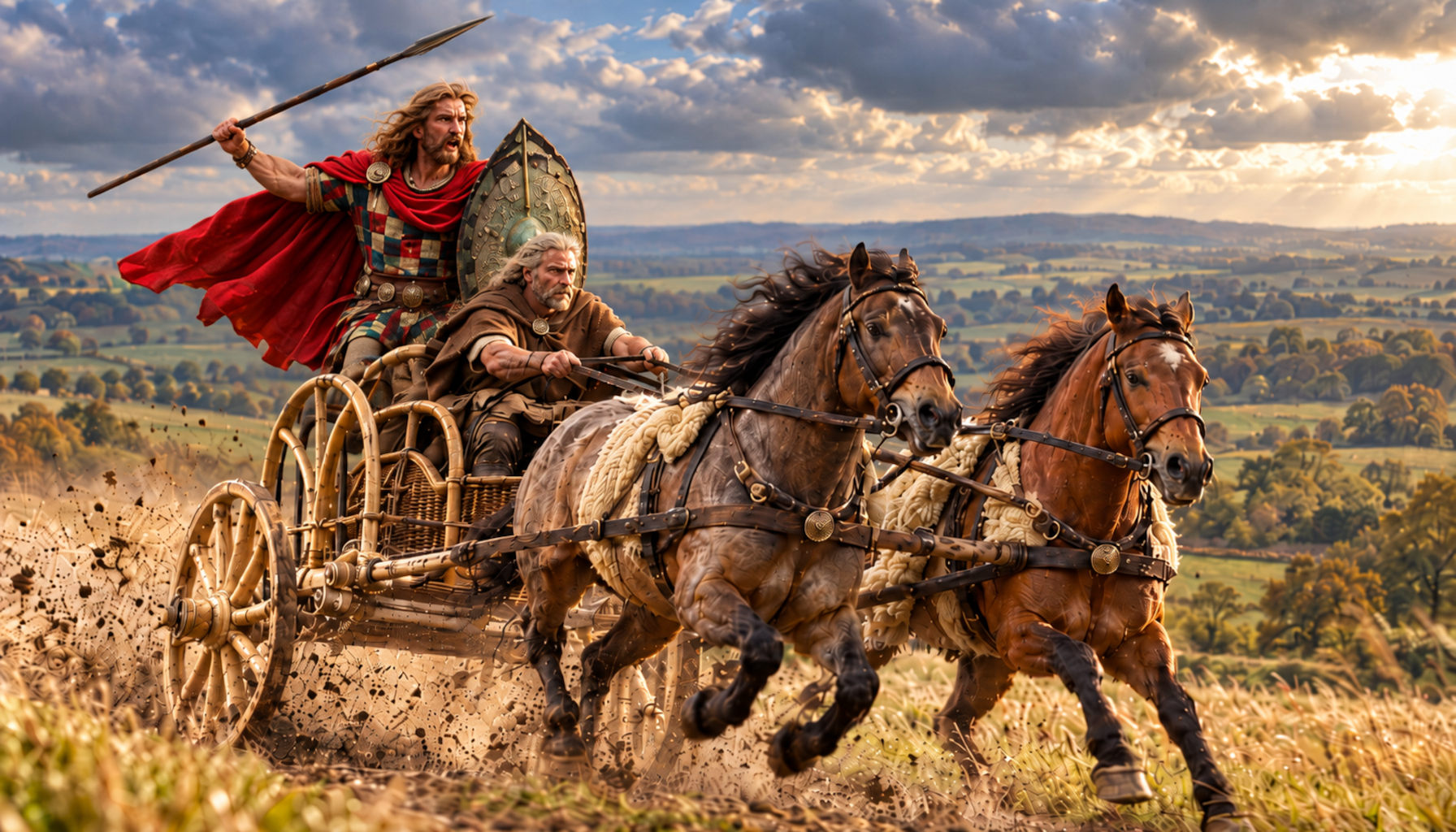
From the ancient DNA side, the Mooney haplogroup tag R1b1a1b1a1a2c1a5a2a1a1 links the family to a broader web of ancient paternal ancestry seen in Britain and Ireland over long stretches of time. Related or linked samples include Early Anglo Saxon Cemetery West Heslerton, Yorkshire (I11586), Celtic Briton Carsington Pasture Cave, Derbyshire (I12775), Celtic Briton Lechlade-on-Thames, Gloucestershire (I12783), Celtic Briton Bradley Fen, Cambridgeshire (I11156), Iron Age Greystones Farm, Gloucestershire (I12785), and the well-known Copper Age Irish sample Rathlin1B. These are not evidence of direct descent from any named ancient individual, but they do show that the same deeper paternal branch belonged to populations moving through the same broad Atlantic and Insular world from prehistoric Ireland to Iron Age and early medieval Britain. In other words, the genetic backdrop is old, mobile, and very much at home in the kind of world from which Gaelic surnames later emerged.
Explore Neolithic Irish kinship
If you carry the Mooney name, or suspect connections to the wider O Maonaigh tradition, this is exactly the sort of history worth testing against both records and DNA. Upload your DNA to MyTrueAncestry to see whether you match the Mooney family story or related ancient DNA samples from Ireland and Britain, and to place your own ancestry inside the much longer human tale.
Comments