Clan Montrose
– 3 min read


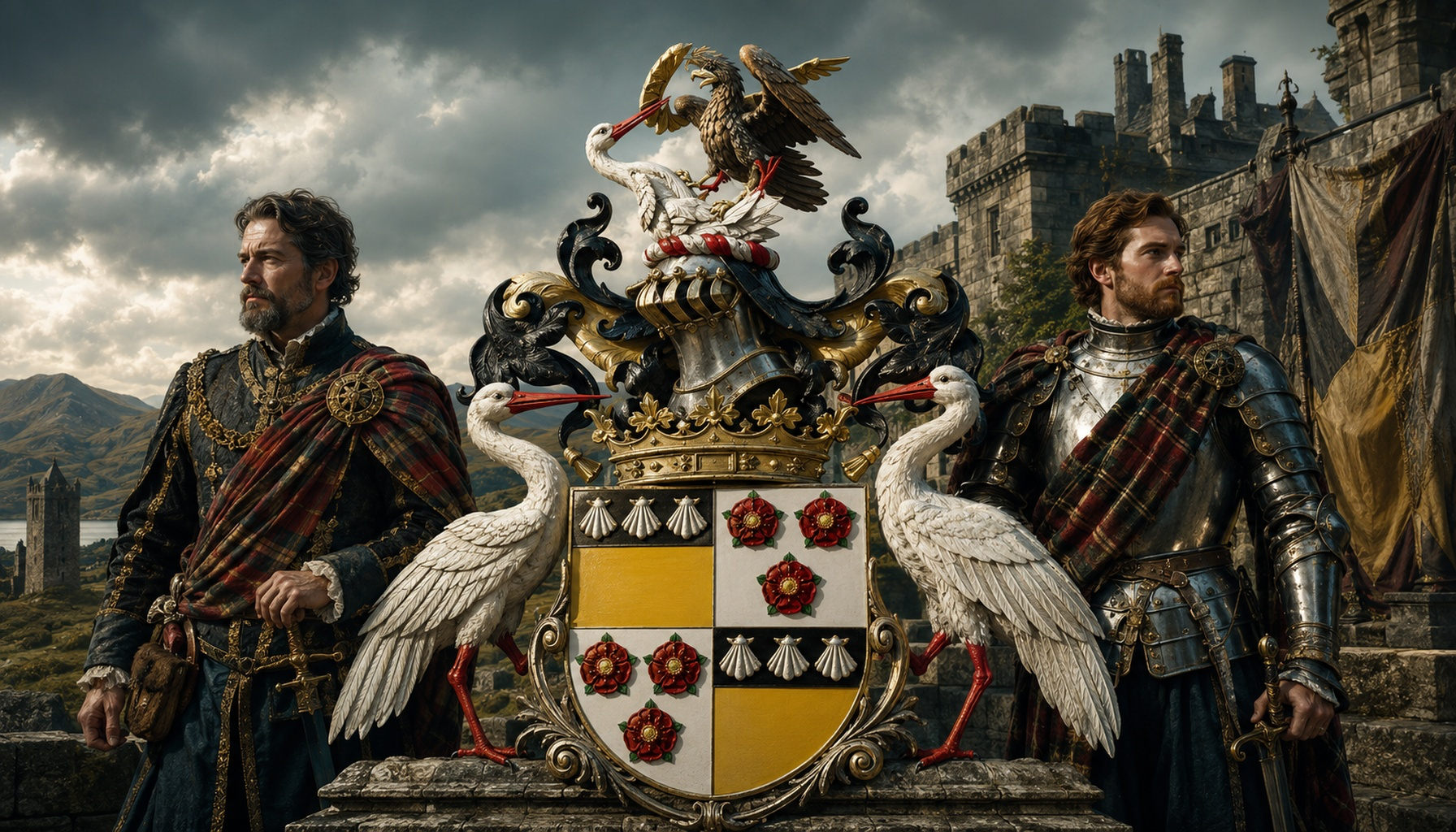
Clan Montrose is best understood as a Scottish noble and territorial identity rooted in the world of rank, land, and royal service, with its historical associations stretching toward Angus and the title of Montrose, and its dynastic life strongly tied to the Graham family. In haplogroup terms, the primary family haplogroup linked here is I1a4a. That does not mean every bearer of the Montrose name shares the same direct paternal line, but it does place Montrose heritage within a wider genetic story often associated with northern European male lineages.
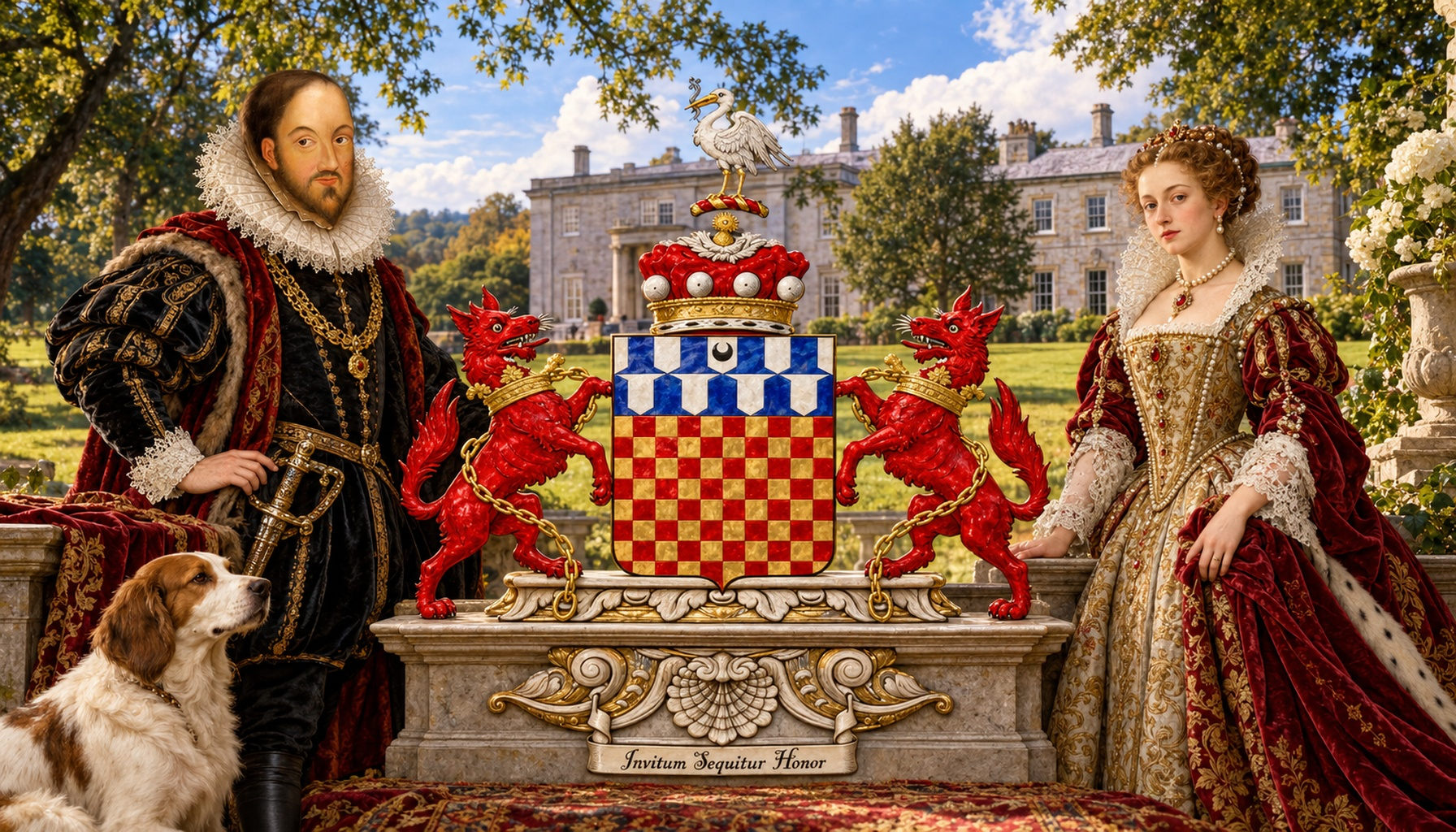
The name Montrose carries the atmosphere of aristocratic Scotland almost at once: charters, heraldry, offices of state, military command, and that constant medieval and early modern business of being useful to the crown while also defending family standing. This is not merely a surname in the modern sense. It is a territorial badge, a memory of place, and a reminder that in Scotland powerful families were often known as much by their lands and titles as by any fixed spelling of a name. Among its most famous figures are James Graham, 1st Marquess of Montrose (1612-1650), the brilliant and tragic royalist commander of the Wars of the Three Kingdoms, and James Grahamm, 4th Duke of Montrose (1799-1874), a later representative of the family's ducal prestige in the British political world.
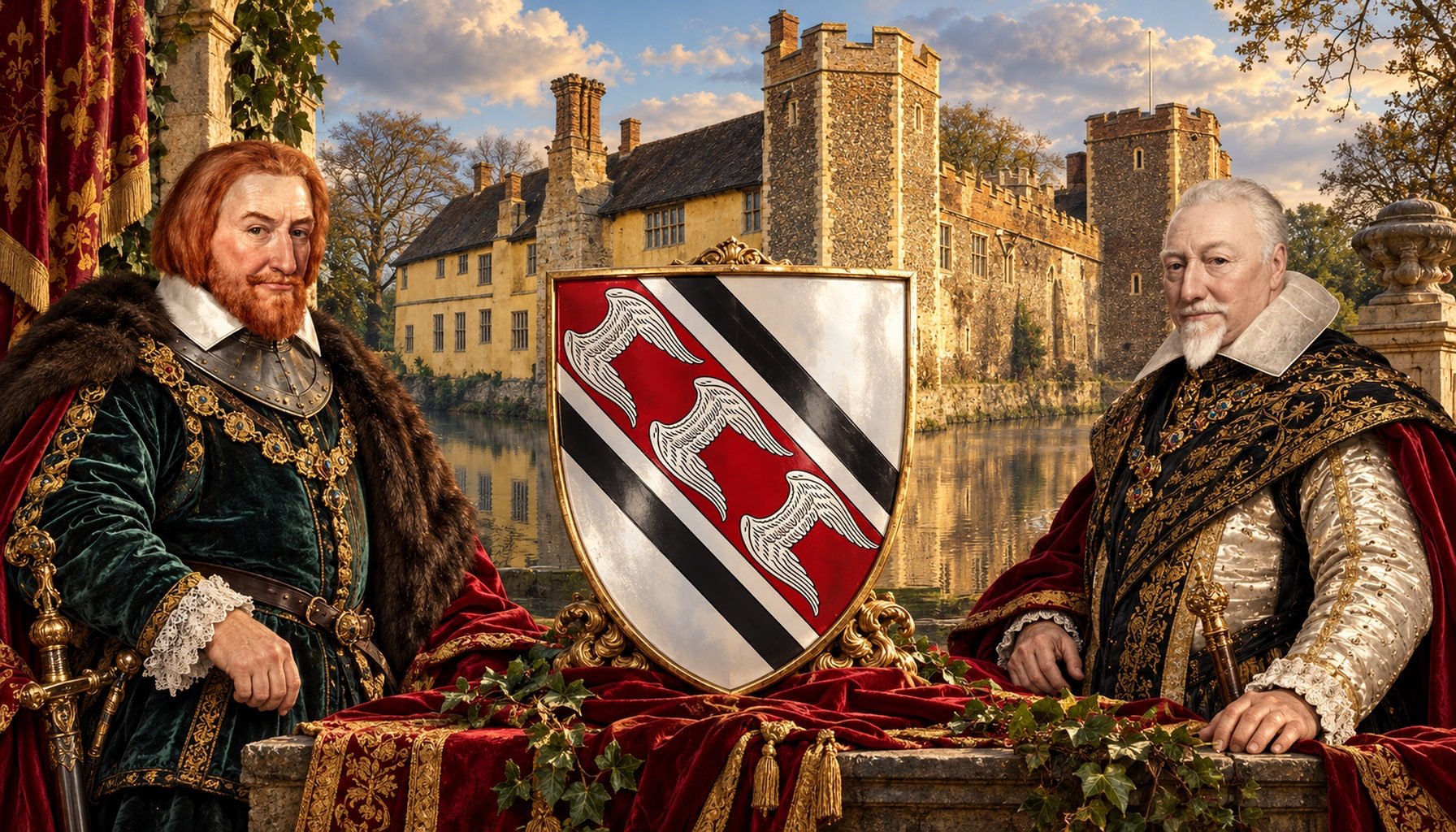
If you want a place that anchors this story in stone, Mugdock Castle is the obvious one. Located near Milngavie in East Dunbartonshire, it became a long-standing seat of the Grahams of Montrose and gives us a vivid sense of how a great Scottish noble family lived through the changing centuries. The site began as a medieval stronghold, with later additions and alterations reflecting both practical defence and aristocratic display. Like many castles in Scotland, it is not one single building from one single date, but a layered structure shaped by war, inheritance, rebuilding, and fashion. The old tower house still looms over the landscape, and later mansion elements show how the family adapted from feudal fortress to noble residence. It is, in other words, exactly the kind of place where territorial lordship becomes visible. Better still, Mugdock Castle stands within Mugdock Country Park and can still be visited today, making it a real and accessible link to Montrose family memory.
Explore the Royal House of Stewart
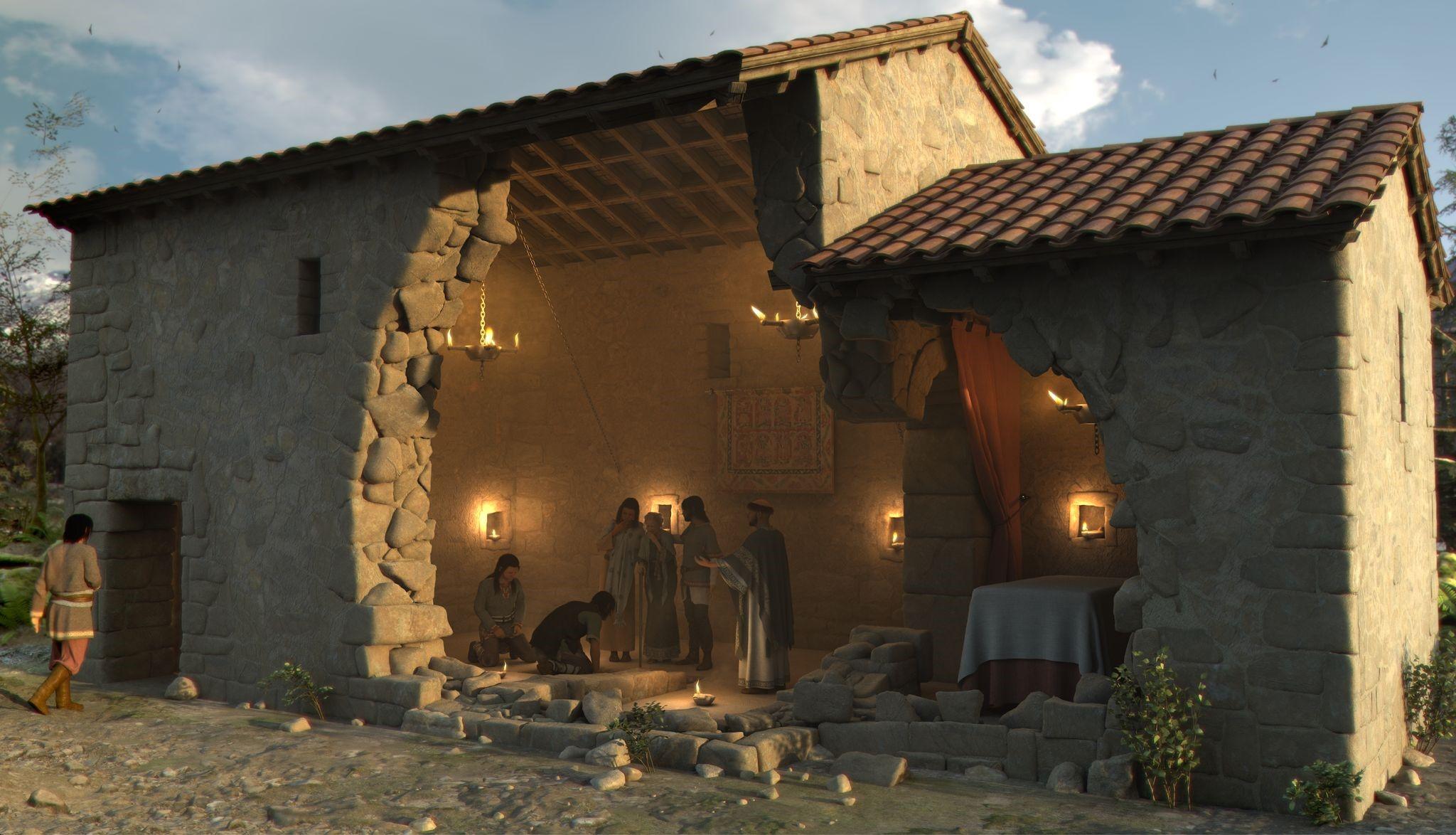
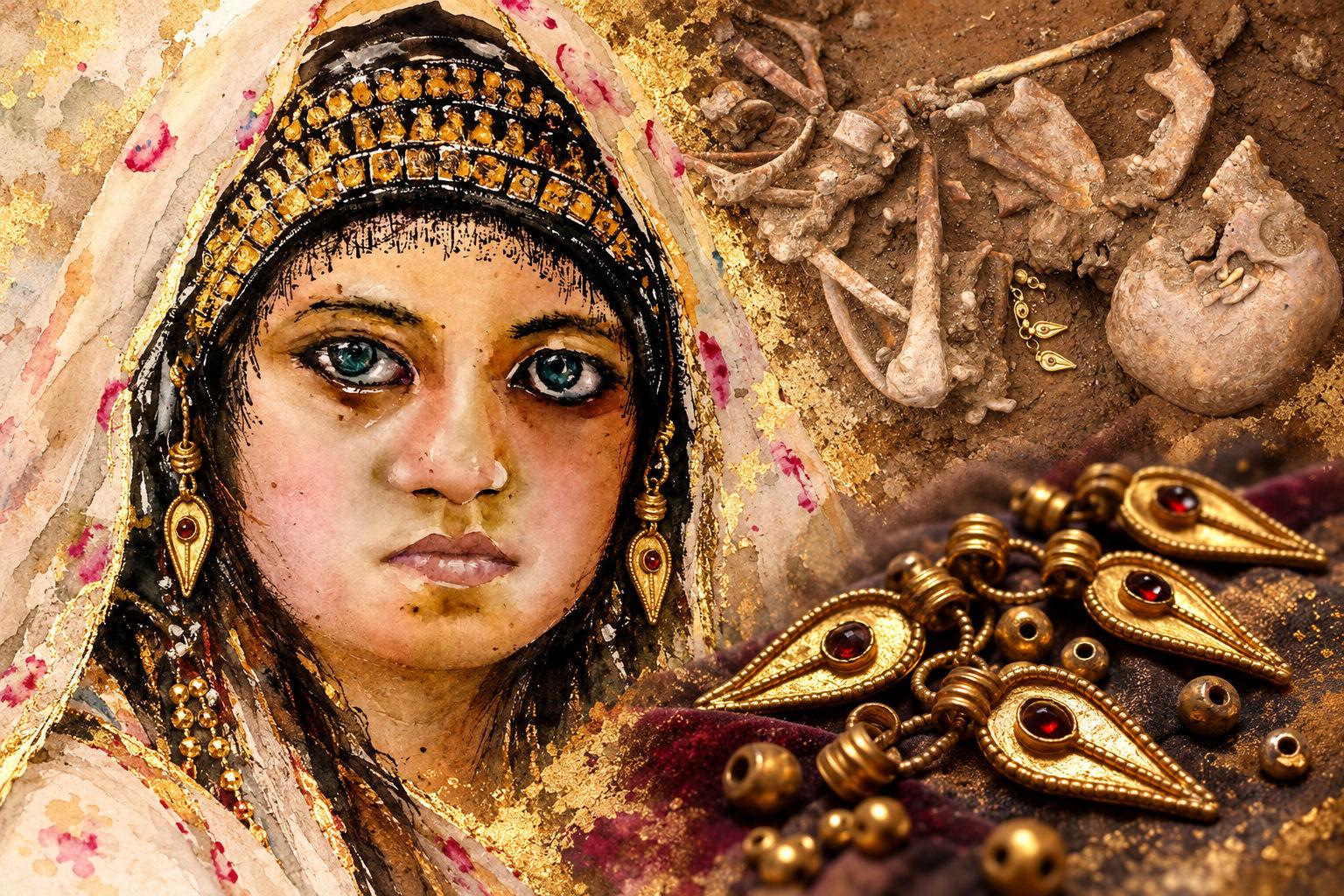
The I1a4a haplogroup linked with Clan Montrose also appears in a striking spread of related ancient DNA samples across time and geography. These include northern and northwestern European contexts such as Nordic Bronze Age Sweden Falkoping 5 samples NEO220, NEO223, and NEO227, Battleaxe Sweden Falkoping 5 sample NEO228, Bronze Age Denmark samples NEO563, NEO93, NEO590, NEO875, NEO815, and NEO857, and later medieval and early modern finds from England and beyond, including Cambridge St Johns Hospital samples ATP_PSN_344, ATP_PSN_351, ATP_PSN_120, ATP_PSN_20, ATP_PSN_53, and ATP_PSN_115, as well as Sir Ferdinando Wainman of the Jamestown Colony in Virginia, sample I2096. The same linked branch also turns up in Roman and migration-era settings such as NWC010 from Roman era England, OLV054 from Sint-Truiden in Flanders, Kem1 from late Roman Germany, PL082 and other Wielbark-associated Polish samples, VK163 and VK144 from the St. Brice context in Oxford, and several Viking Age Scandinavian individuals. These are best treated not as proof of direct descent, but as related markers showing that the paternal line associated here has deep roots in the North Sea and wider Germanic world, moving through Bronze Age Scandinavia, Roman frontier zones, Anglo-Saxon and Viking landscapes, and into medieval Britain.
Explore North Sea migrations to Britain
Montrose heritage is a fine example of how Scottish identity can be built from land, title, service, and memory all at once. If this is your family story, or even just a historical tradition that runs alongside your own, uploading your DNA can help you see whether you match Clan Montrose, Clan Graham, or any of the related ancient I1a4a-linked samples that appear across Britain, Scandinavia, and the wider medieval world.
Comments