Clan Middleton
– 2 min read


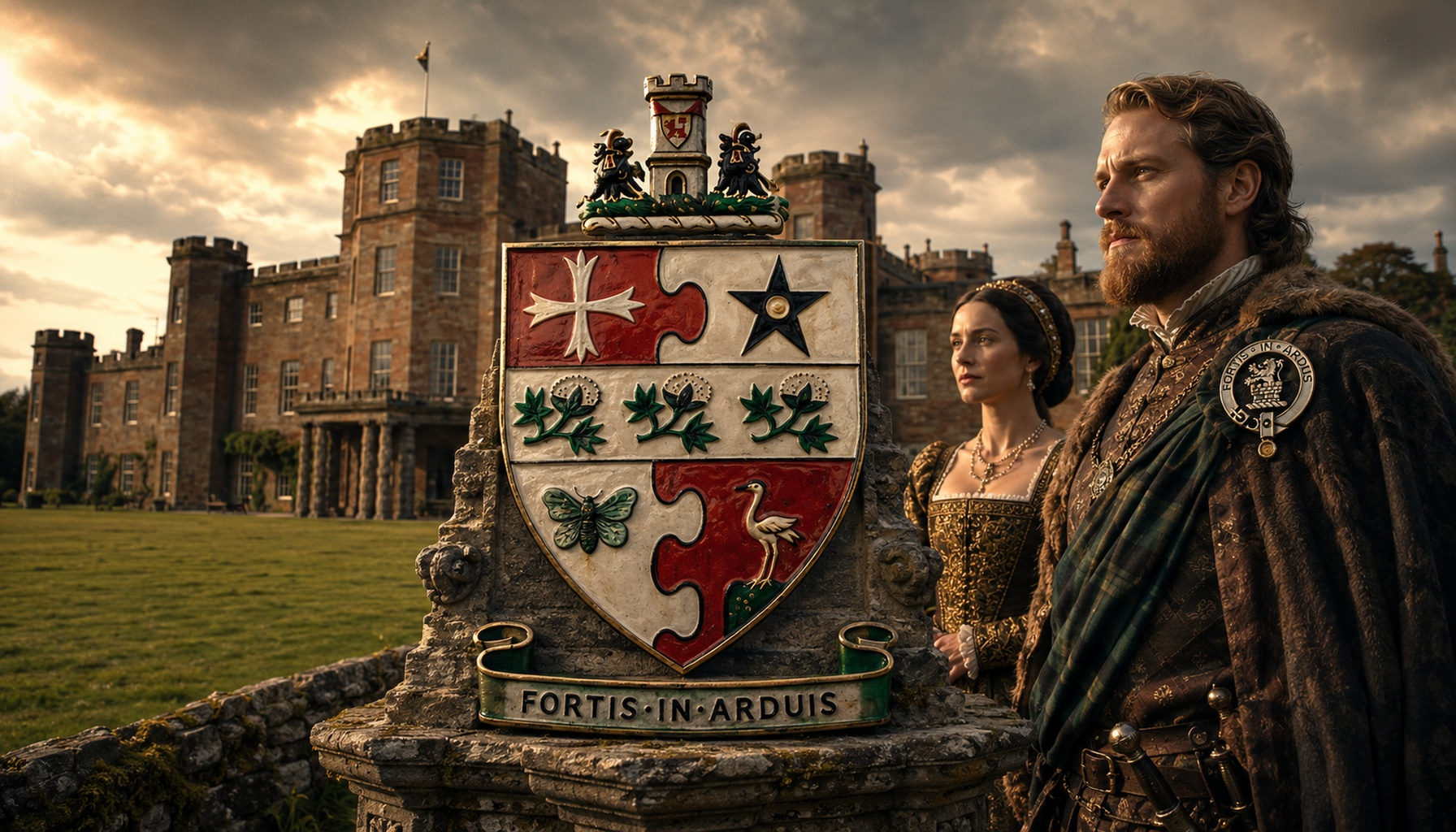
Clan Middleton was, above all, a place-rooted Scottish and British family tradition: a surname drawn from settlement and landscape, from one of the many places called Middleton, literally the middle town. That matters, because it tells us what kind of family memory this is. Not a story built chiefly around princes or royal blood, but one grounded in locality, service, land, office, and the stubborn continuity of a name carried across generations. The primary haplogroup linked here is R1b1a1b1a1a1c2b1b3, a paternal line found across parts of western and northern Europe, and useful as a genetic tag for exploring deeper connections in the family story.
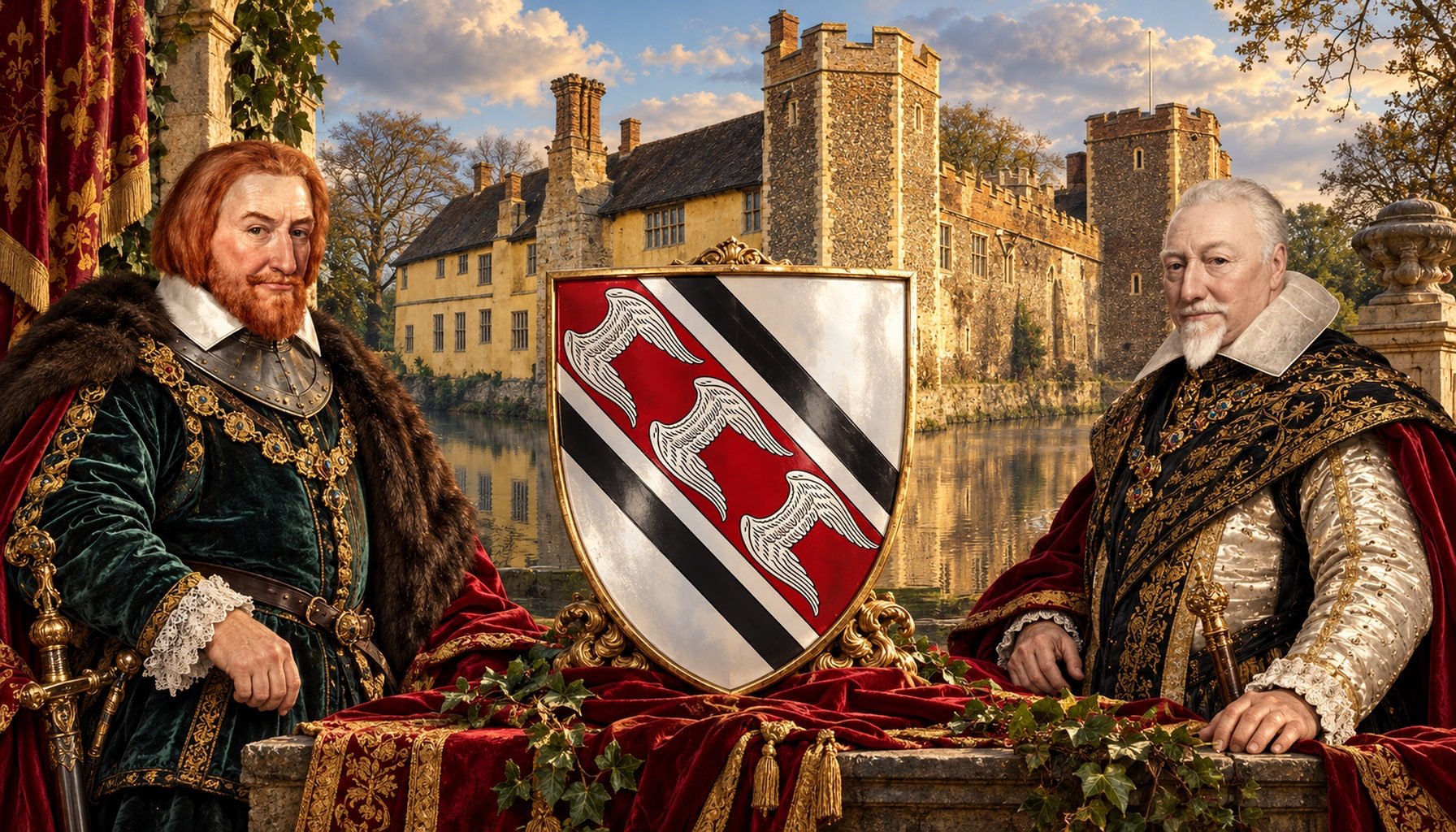
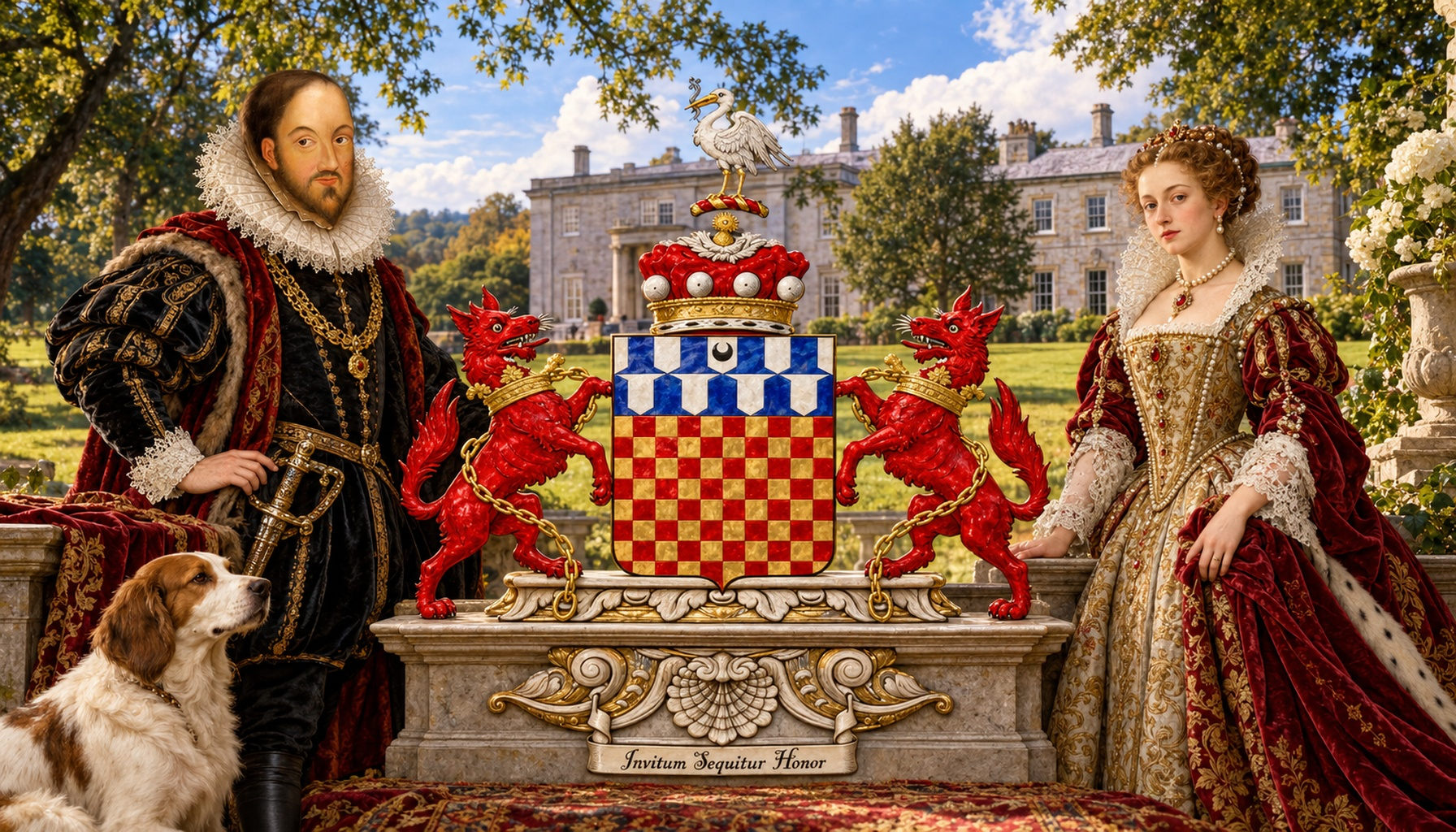
Historically, Middleton belongs to that very British pattern in which a family emerges from territory first and status second. Men who were "de Middleton" were, in the medieval habit, people identified by where they came from or what lands they held. Over time that became a settled surname and then, eventually, a clan-style identity with heraldic memory and regional belonging attached to it. One early named figure is Robert de Middleton, recorded in 1296, which places the name firmly in the world of late 13th-century Scotland and the Anglo-Scottish frontier age, when landholding, fealty, record-keeping, and local authority were becoming increasingly visible in written sources.
A strong location anchor for the wider Middleton story is Fettercairn in Kincardineshire, in northeast Scotland, and especially Fettercairn House. Fettercairn itself is an old settlement with deep historical roots, sitting in a landscape that links lowland estate culture with the approaches to the Highlands. The area became important in medieval and later Scottish regional life, with its church, estate networks, and the steady accumulation of landed influence that shaped families such as the Middletons. Fettercairn House, long associated with the local estate world, stands as exactly the sort of place where surname, service, and landed continuity meet: not a fairy-tale fortress but a real historical anchor in a lived landscape of tenants, lairds, administration, and local memory. The village of Fettercairn can certainly still be visited today, and the historic setting around the house and estate remains part of the area's heritage interest, even if access to the house itself may vary.
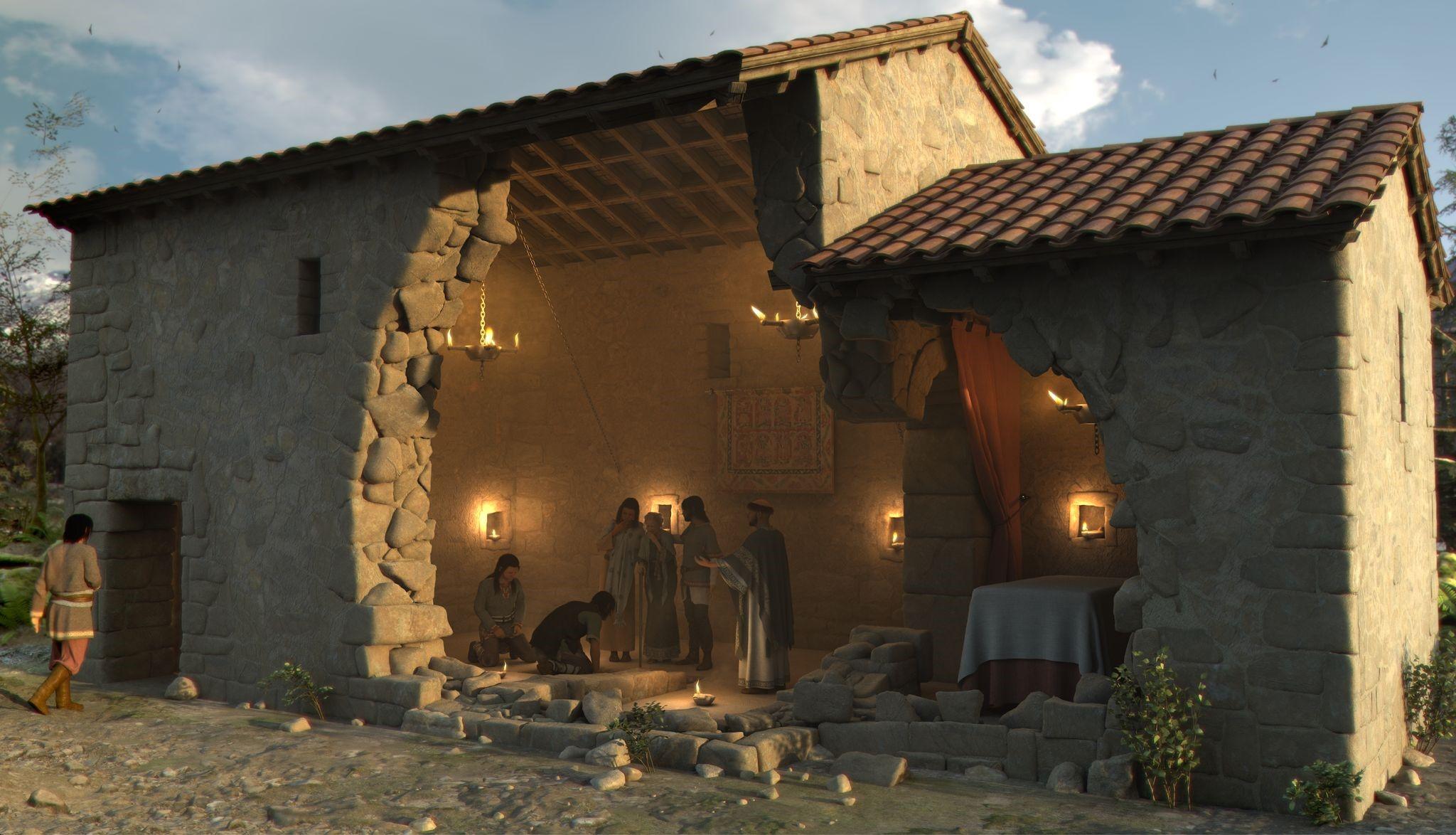
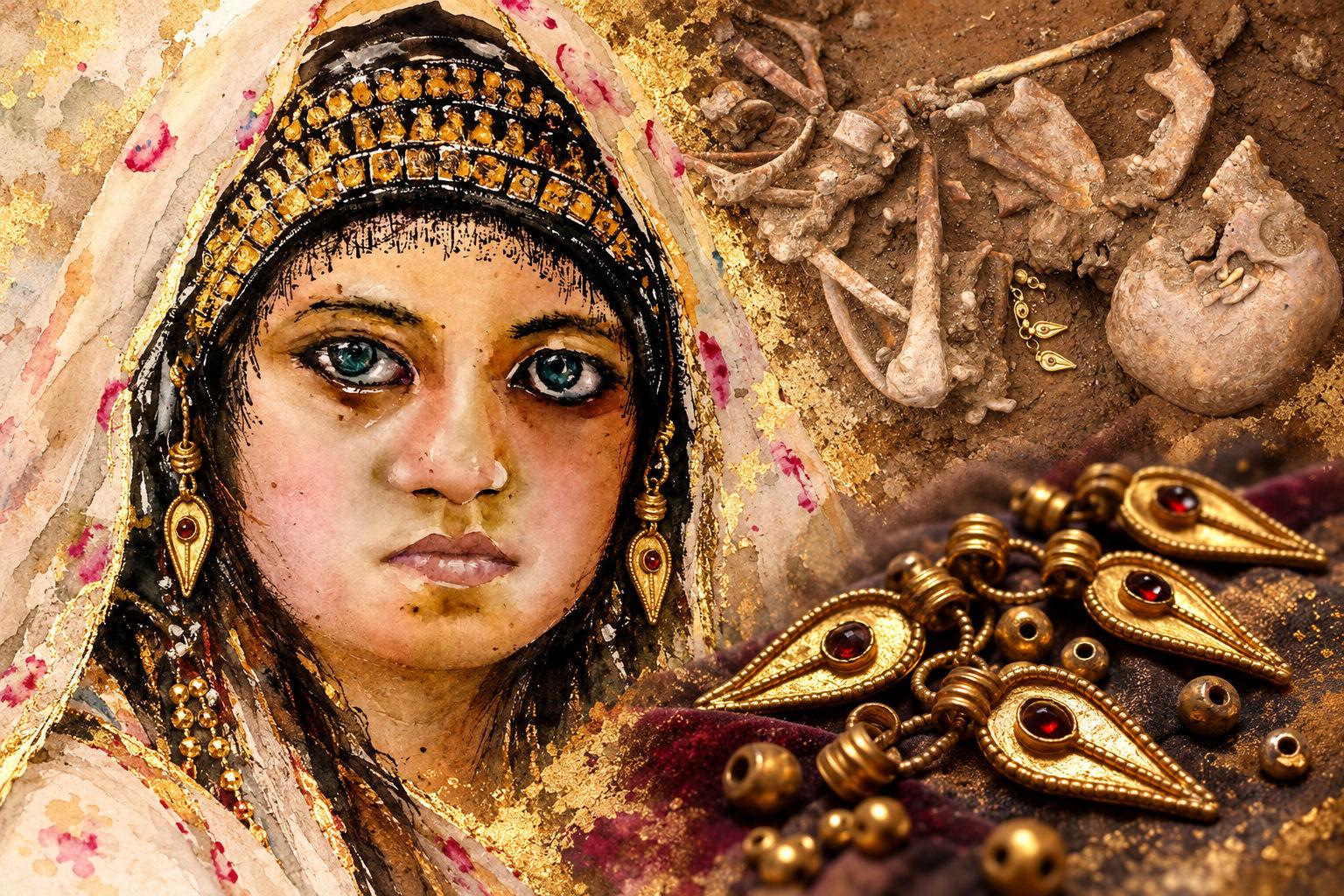
On the DNA side, the Middleton haplogroup tag R1b1a1b1a1a1c2b1b3 links the family story into a much wider European tapestry. Related or linked ancient samples carrying this branch include Medieval Belgium Outsider Sint-Truiden Onze-Lieve-Vrouwekerk (ST1189), Medieval Belgium Sint-Truiden Onze-Lieve-Vrouwekerk (ST1237), Medieval Belgium Sint-Truiden Onze-Lieve-Vrouwekerk (ST2320), Early Medieval Yorkshire England Norton Bishops East Mill (I17274), Viking Age Kumle Hoje Grav Denmark (VK290), Viking Age Galgedil Funen Denmark (VK134), Viking Age Skara Varnhem Sweden (VK424), and even Royal Tombs of Aigai Macedonia Elite Tomb I (DEM3235). That does not mean the Middletons descend directly from any one of these individuals. What it does show is that the same broader paternal lineage appears in medieval towns, Viking Age Scandinavia, early medieval England, and elite burials further south in Europe. In other words, the Middleton genetic signature sits within an old and mobile European story, one that fits remarkably well with Britain's layered past of settlement, migration, and long regional continuity.
Explore medieval Sint-Truiden DNA
If you carry the Middleton surname, or suspect a Middleton branch in your family tree, this is the fun part: compare your DNA with the family tradition and with ancient individuals linked to the same haplogroup. Uploading your DNA to MyTrueAncestry can help you see whether you match Clan Middleton, its wider regional network, or related ancient DNA samples from medieval Britain and continental Europe.
Comments