Clan Melville
– 2 min read


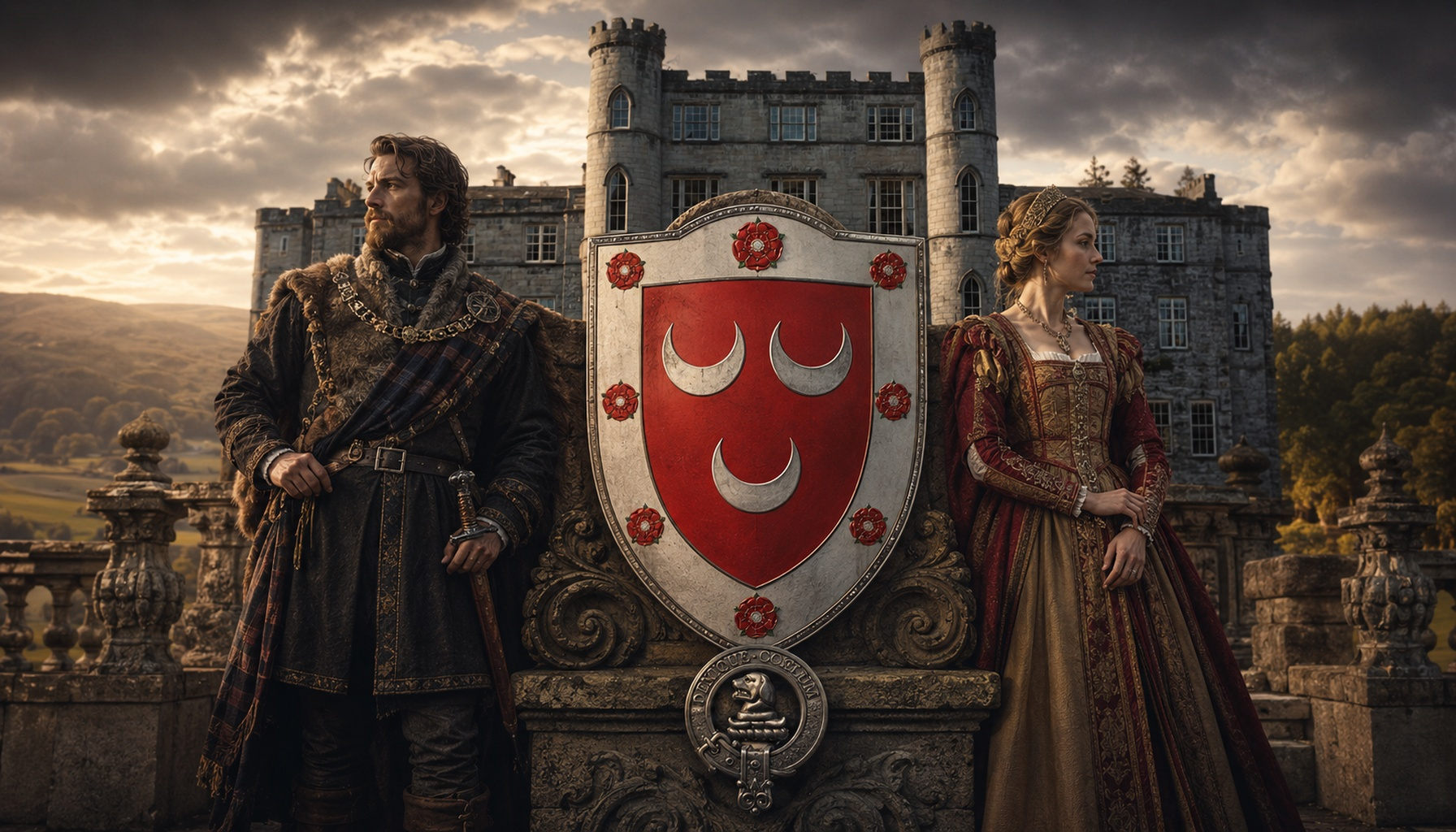
Clan Melville was a Lowland Scottish noble family whose identity grew out of land, service, and status rather than the more familiar Highland clan pattern of chiefs, tartans, and glens. Their roots lie above all in Midlothian and Fife, with the family name tied to place, estate, and office in the world of medieval and early modern Scotland. For DNA-focused readers, the primary family haplogroup linked here is I2a1a2a1a1b3a1, a branch with a deep European story stretching far beyond recorded surnames. Haplogroups associated with Melville heritage in this context: I2a1a2a1a1b3a1.
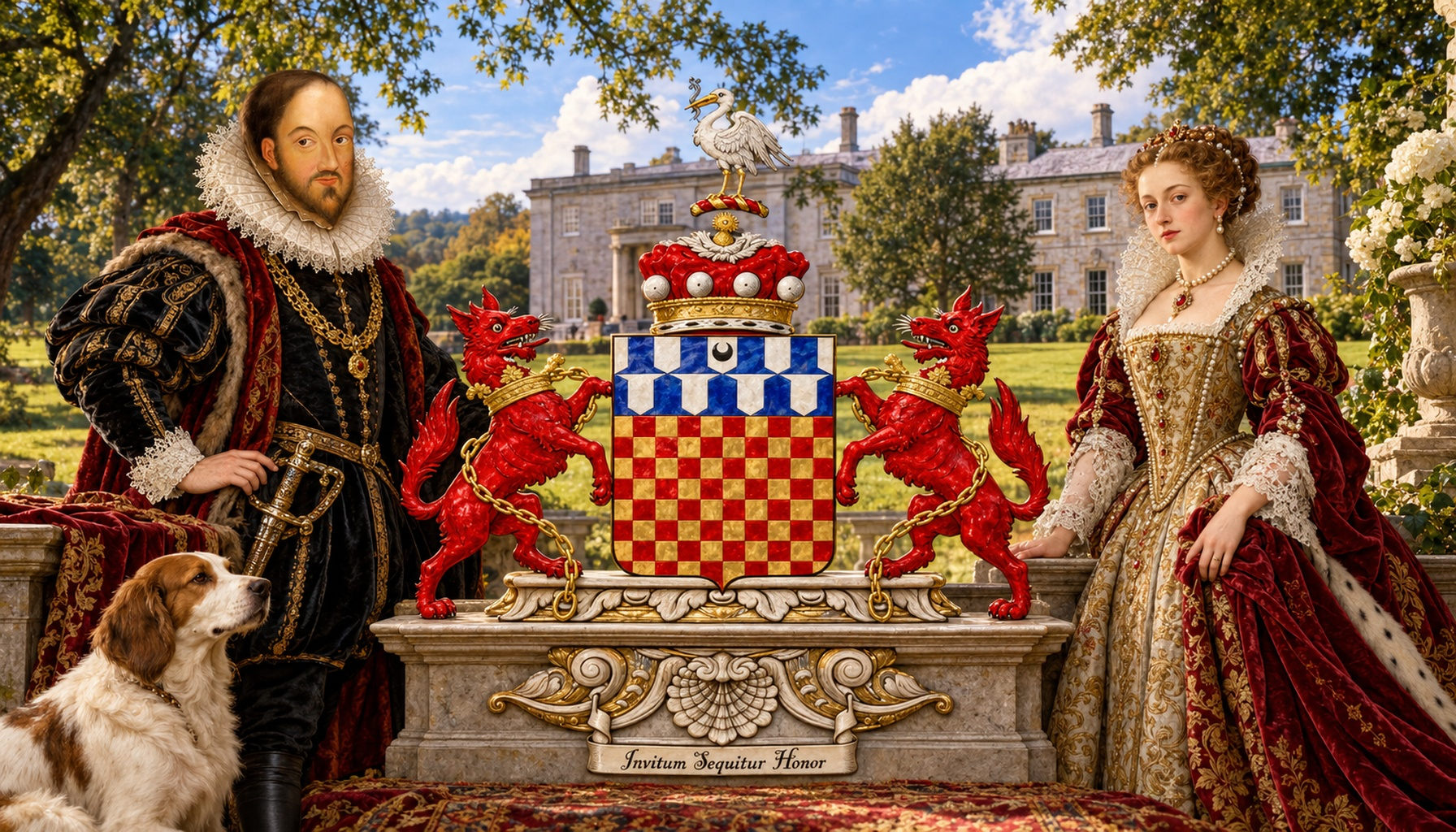
The Melvilles emerge in the records early, with Galfrid de Melville noted around 1120, right in the great age when Scottish kings were consolidating lordship, charters, and territorial administration. This is important, because families like the Melvilles were shaped by that very world: not simply by battlefield legend, but by estate management, legal authority, royal favour, marriage alliances, and long continuity of name. Later figures such as Sir John Melville of Raith (1480-1548) show the family firmly embedded in the public life of the kingdom. In historical terms, Clan Melville is a fine example of the Scottish landed-service pattern: regional roots, heraldry, civic duty, titled branches, and a durable prestige that survived political change from medieval Scotland into the wider British state.
One of the clearest anchors of Melville memory is Melville Castle in Midlothian, just south of Edinburgh. The estate had earlier associations with the family, but the present castle is largely an early 19th-century house built in a grand castellated style, replacing an older residence on a site with much deeper roots. Set within parkland near the North Esk, it carries exactly the sort of atmosphere one expects from Lowland noble history: not a remote Highland stronghold, but a country seat close to the political heart of Scotland, where landownership, influence, hospitality, and public life came together. It has also had a varied afterlife, including military use in the 20th century, which rather neatly reminds us that old aristocratic places are rarely frozen in one romantic moment. The site has operated in modern times as a hotel and venue, so it can still be visited in a practical sense, making it one of those rare heritage places where the long Melville story remains physically tangible.
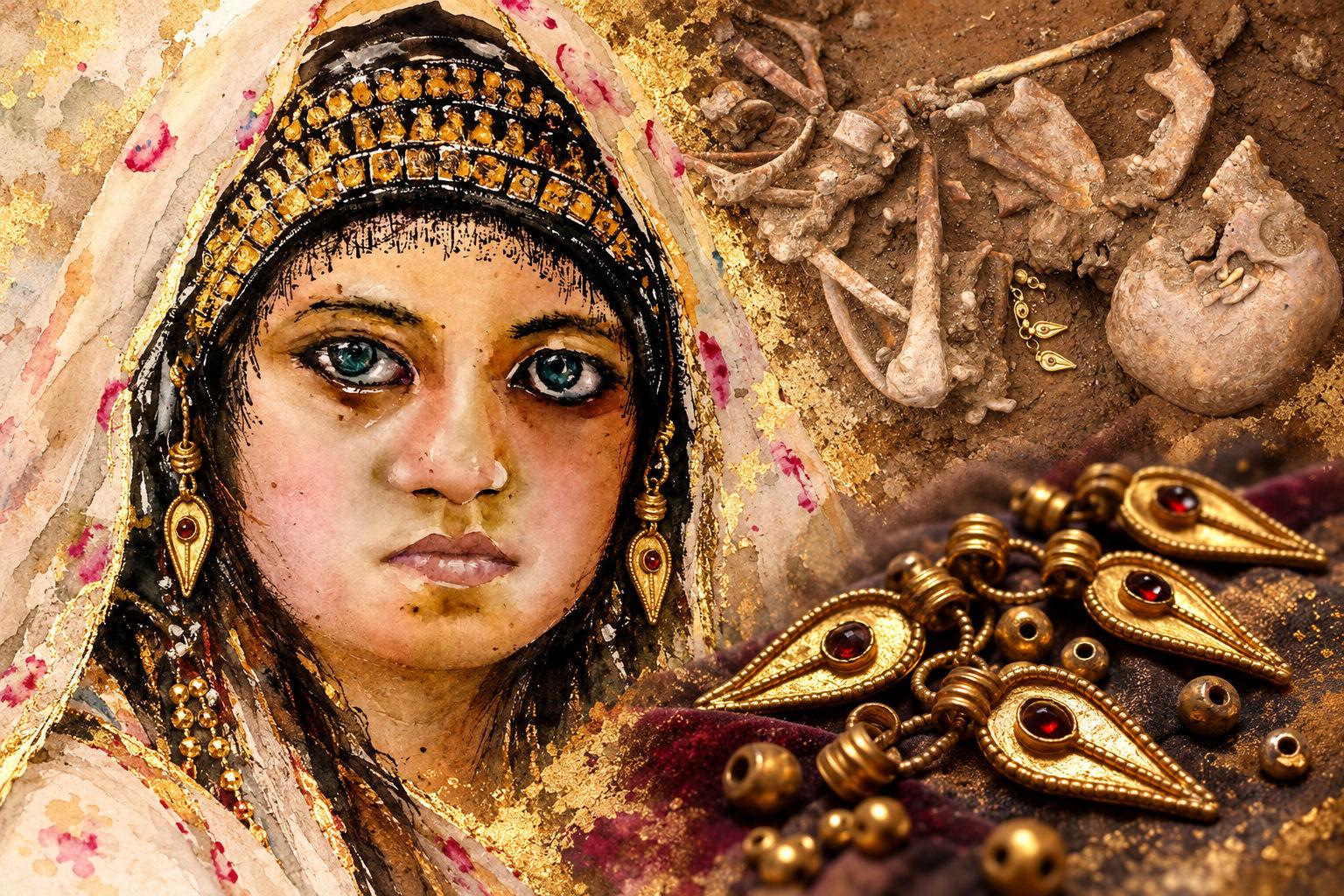
From an ancient DNA perspective, the Melville-linked haplogroup I2a1a2a1a1b3a1 belongs to a much older European paternal landscape. Related or linked ancient samples associated with this wider branch include Roman Era Cambridgeshire Duxford (DUX001), Early Neolithic Denmark Borremose (CGG106742), Neolithic Germany Esperstedt (I0172), the Ancient Gotlander Battle Axe individual Ajvide52X, Distillery Cave Oban in Argyll and Bute, Scotland (I3133), Neolithic County Clare, Ireland (PB443), Neolithic Ireland (CH448), and Ardcrony, Tipperary, Neolithic Ireland (ARD2). None of these should be read as direct ancestors of the Melvilles in any simple surname sense, but they do show how a related paternal line appears across a strikingly broad archaeological map: from Neolithic farmers and island communities to Roman-era Britain and prehistoric Scotland and Ireland. That is the real excitement of archaeogenetics: it gives a family tradition like Melville a deeper human backdrop, without collapsing thousands of years of history into one tidy but misleading bloodline tale.
Read more about Clan Livingstone
If you carry the Melville name, have Melville lines in your family tree, or simply want to see how your own ancestry connects with Scottish heritage and ancient DNA, you can upload your DNA to MyTrueAncestry and explore whether you match the family profile or any of these related ancient samples.
Comments