Clan Livingstone
– 3 min read


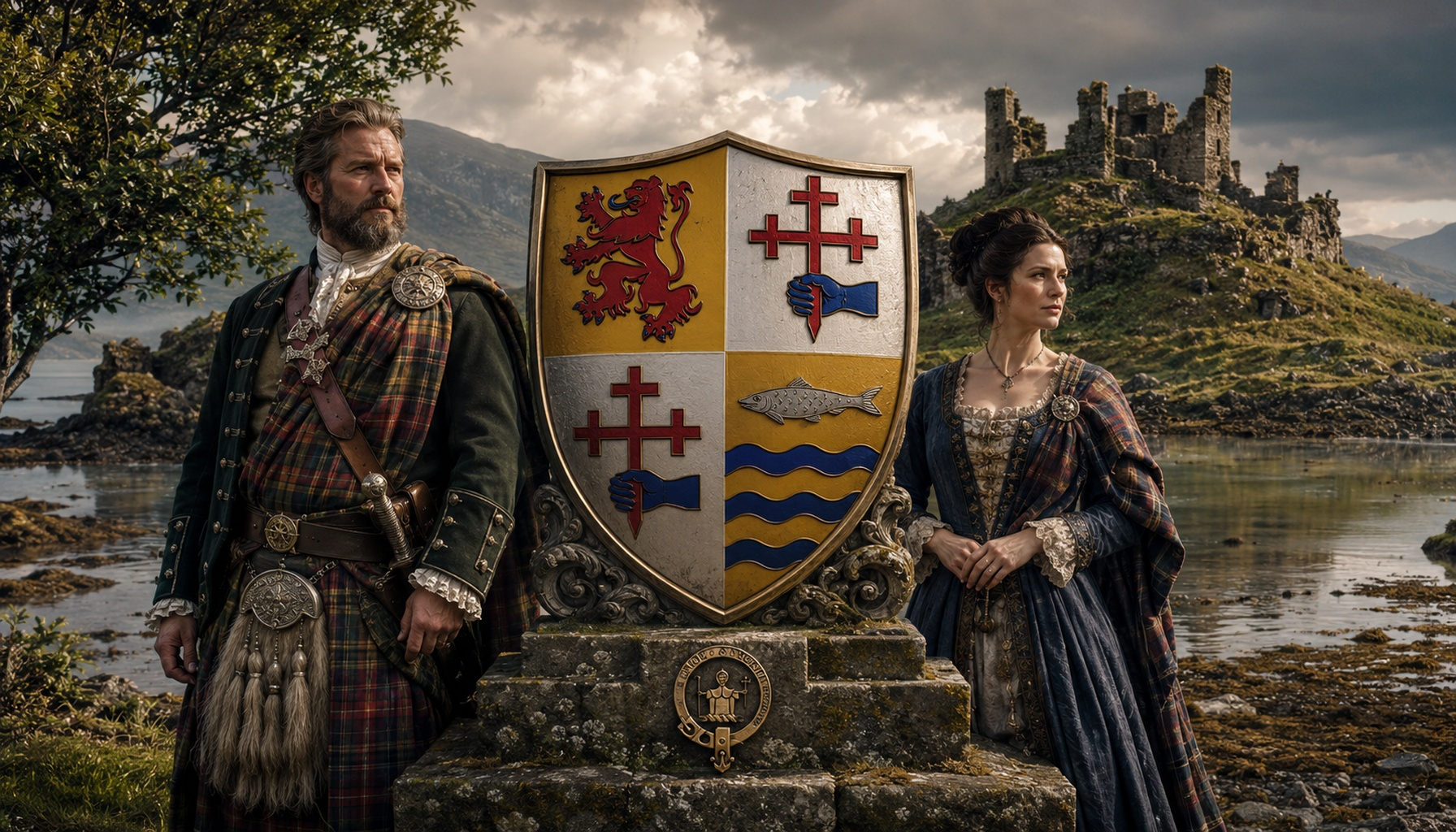
Clan Livingstone was a Scottish Lowland clan whose identity grew out of place, landholding, and service, rather than the more familiar Highland picture of one dominant chief ruling a mountain territory. The family is especially associated with West Lothian, and the surname itself is territorial in character, tying people to landscape, property, and memory in a very Scottish way. In genetic tagging, the primary family haplogroup linked here is R1b1a1b1a1a2c1a4d2, a branch within the broad R1b line so often found across Atlantic and western European histories.
The Livingstones belong to that important Lowland pattern in which a family became established through estates, legal authority, public duty, heraldic identity, and long surname continuity. That means their story is not simply about battle cries and tartan romance, but about governance, charters, local influence, and service in the civic and military life of Scotland. Even the older named figures connected with the wider ancestral world, such as Donn Sleibe Mac Eochada in 1091, remind us that medieval family history is rarely neat or isolated: it is a web of territorial claims, regional alliances, and remembered descent. In that sense, Livingstone heritage is not just a name, but a record of how families anchored themselves in Scottish society over centuries.
One evocative place connected with Livingstone memory is Achanduin Castle, on the north side of Loch Etive in Argyll. The ruin stands on a rocky coastal site with the loch stretching beside it, and what survives today is chiefly a 13th or 14th century tower house with later additions, long associated with the medieval lordship world of western Scotland. It was once a defensible residence, practical rather than palatial, and its position tells you everything about the politics of the place: access by water, command of movement, and a constant awareness that landscape and power went together. Like so many Scottish ruins, Achanduin is not simply picturesque stone; it is a fragment of a working historical system of lordship, tenancy, kinship, and regional control. The castle is ruinous but still visitable from the outside by those able to reach the site, and for many visitors that is exactly its attraction: a direct encounter with the raw fabric of medieval Scotland in one of its most dramatic natural settings.
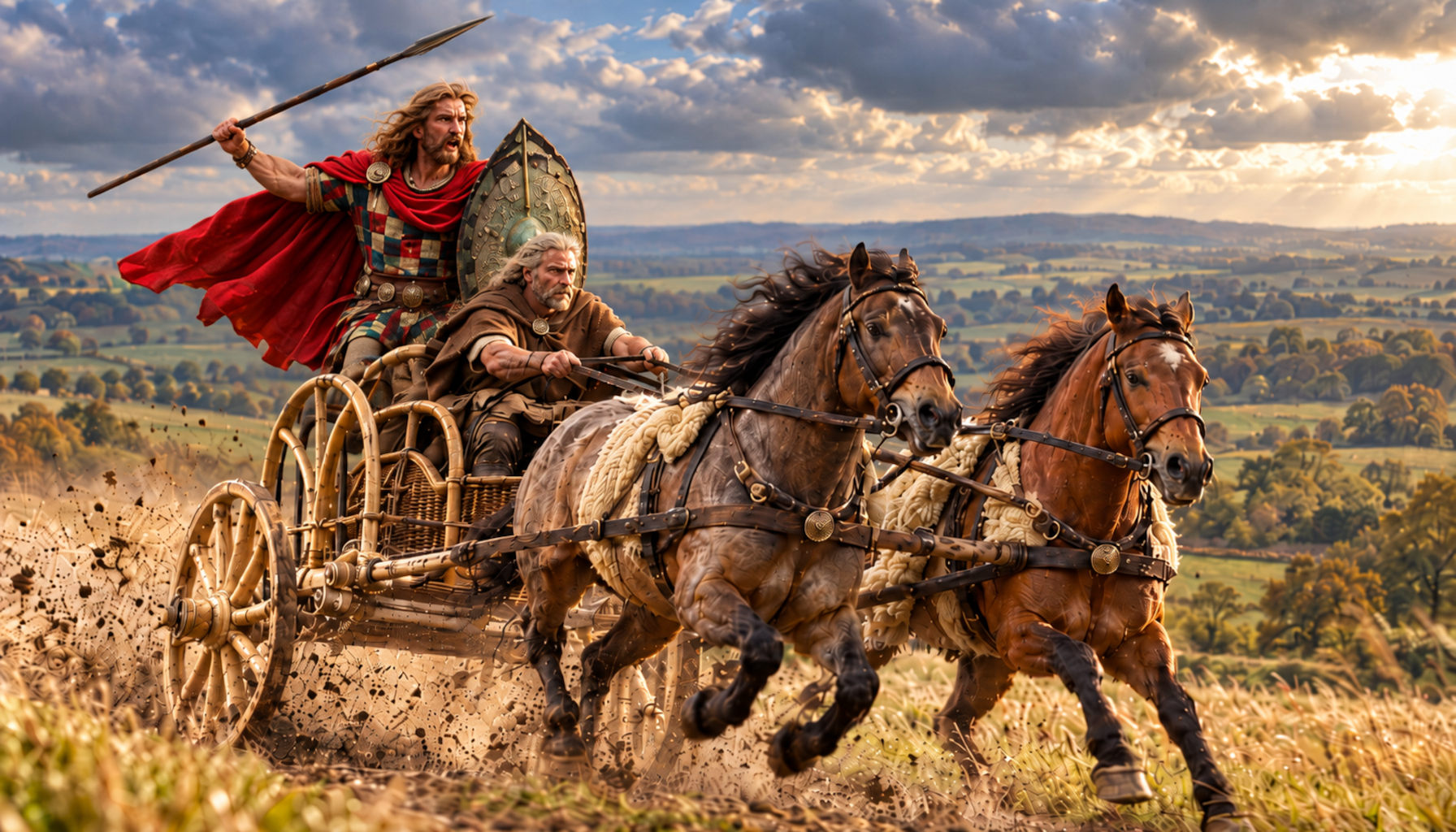
For deep ancestry, the haplogroup tag R1b1a1b1a1a2c1a4d2 connects the Livingstone story to a wide and fascinating spread of ancient DNA samples across Britain and Europe. These are not claims of direct descent, but related or linked paternal-line signals that help sketch the older world from which such lineages emerged and moved. Among them are Celtic Durotriges individuals from Duropolis at Winterborne Kingston in England, including WBK12, WBK20, WBK29, WBK41, WBK05, WBK30, WBK43, WBK06, WBK08, WBK18, and WBK191, alongside Iron Age and Bronze Age samples such as Worlebury Somerset I11991, Battlesbury Bowl I21309, Trumpington Meadows I3256, Amesbury Down I2417, Upavon I4950, Bedfordshire I7576 and I7577, Boatbridge Quarry South Lanarkshire I5473, Hinxton HI2, Thames I5377, and Rathlin2B from Copper Age Ireland. The same broader linked line also appears in later contexts across Europe, including Imperial Roman Zadar I26776, Late Roman Conimbriga R10488, Late Roman Klosterneuburg R10656, Early Medieval Sint-Truiden ST2025, medieval ST1308, Alt-Inden IND013, Parancot CGG023699, Worth Matravers I11580, and farther afield in Orkney KD061 and Calabria GMO015. What that suggests, in broad historical terms, is a lineage network deeply entangled with the long making of Atlantic Europe, Celtic Britain, Roman mobility, and medieval population continuity.
Explore ancient DNA and Celtic origins
If you carry the Livingstone name, or suspect ties to this Lowland Scottish family, DNA can add another layer to the paper trail. Uploading your results can help you see whether you match Clan Livingstone, the R1b1a1b1a1a2c1a4d2 haplogroup branch, or any of the related ancient samples that illuminate the deeper background to this heritage.
Comments