Clan McMahon
– 3 min read


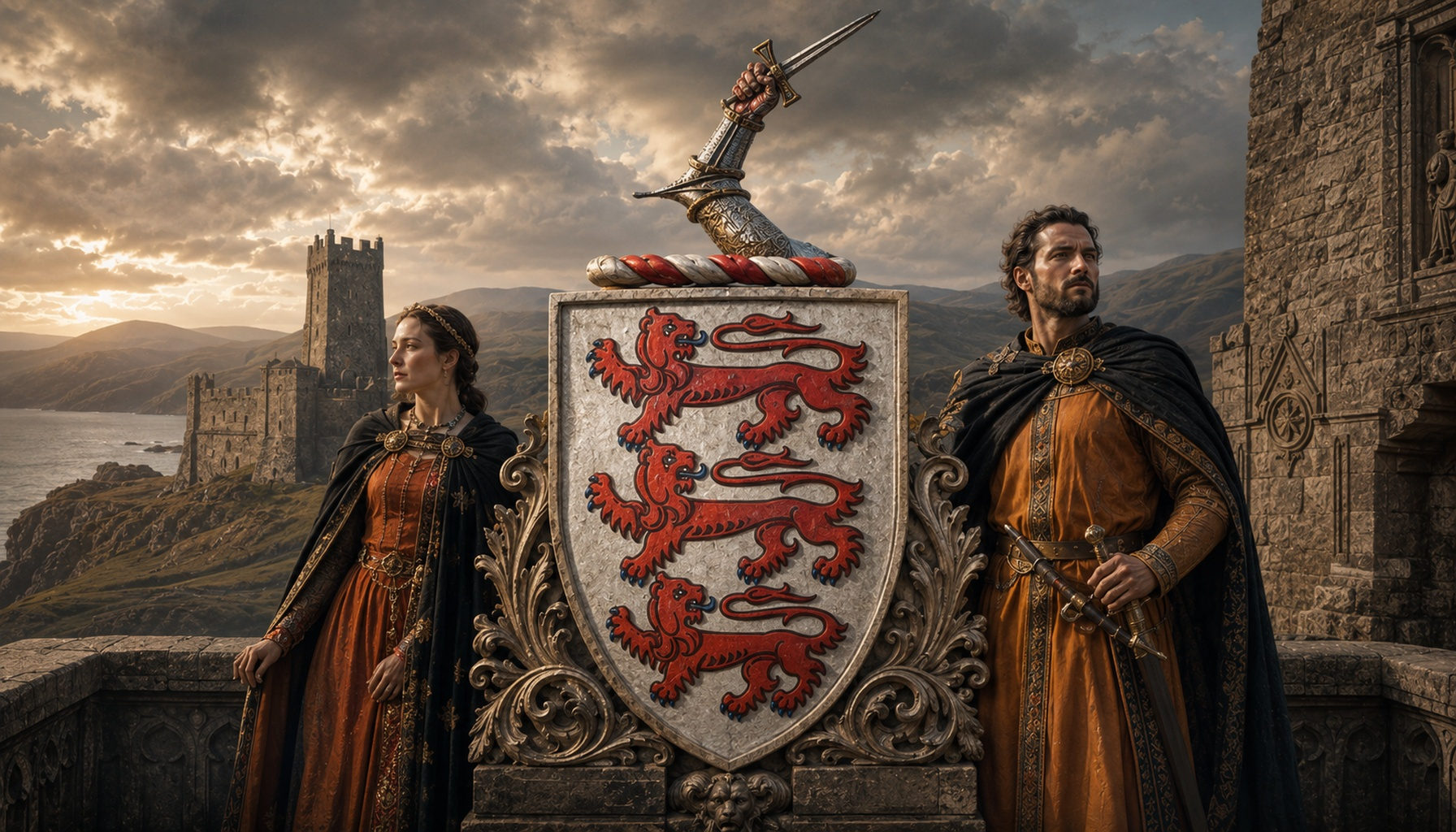
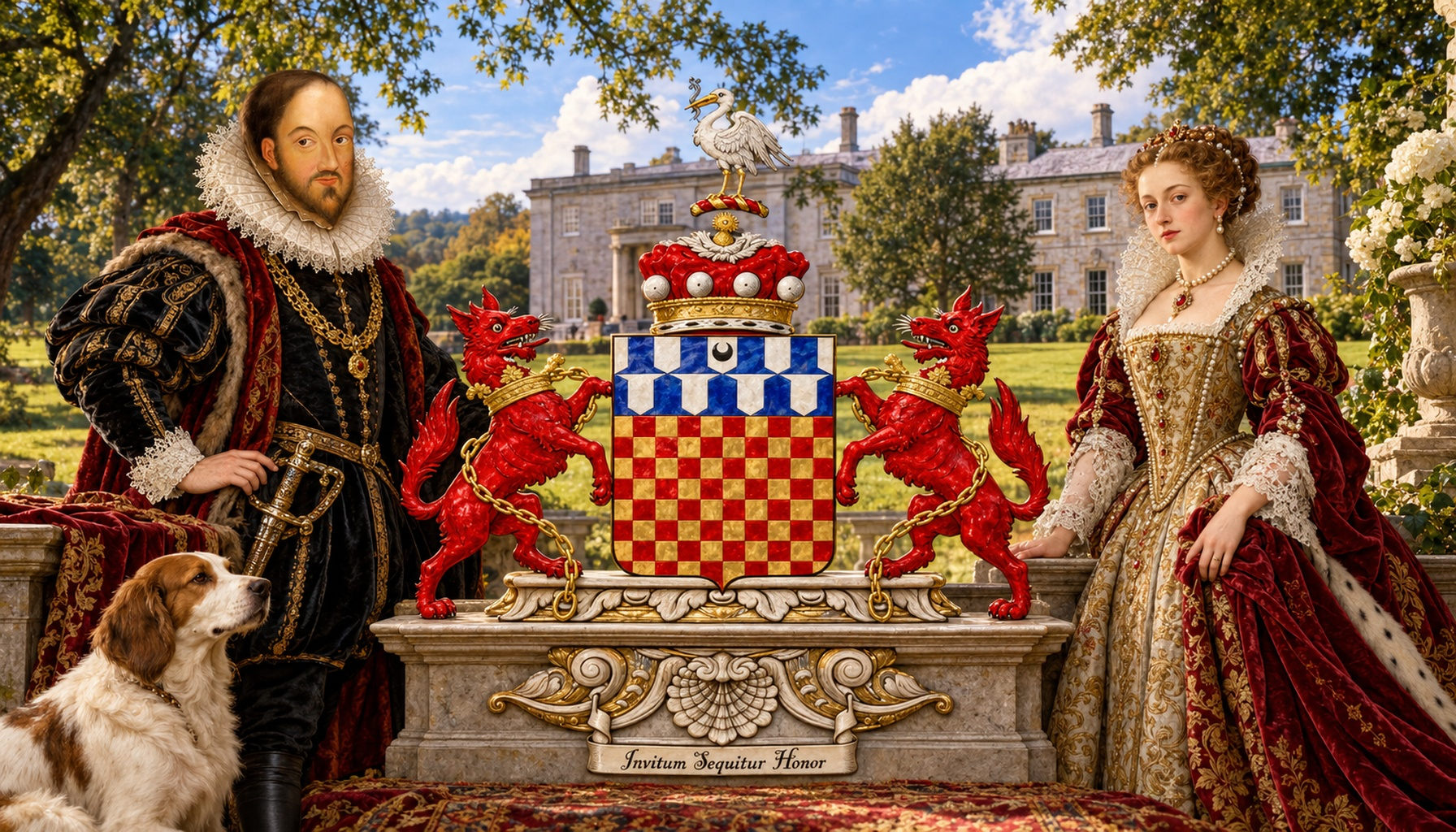
Clan McMahon was one of the old Gaelic Irish ruling families, rooted above all in County Monaghan in Ulster, though the name also belongs to a separate Gaelic lordship tradition in Thomond in the west. In both cases, McMahon heritage sits squarely inside the world of Irish kin-based power: chieftains, client families, church patronage, cattle, land, military obligation, and the endless business of alliance and rivalry. The primary haplogroup often linked with this family tradition is R1b1a1b1a1a2c1a2a1a1a1b, a branch within the wider Atlantic and Gaelic-speaking world.
The name itself comes from the Gaelic Mac Mathghamhna, usually understood as "son of Mathghamhain," and the family story is not one of a neat single line marching through time, but of regional authority constantly renegotiated under pressure. In medieval Ulster, the McMahons emerged as lords in the kingdom of Oriel, navigating the ambitions of neighboring dynasties, church foundations, and later Anglo-Norman intrusion. In Thomond, the name appears in the orbit of Dalcassian power and the wider political world of Munster. Figures such as Murtagh Mahone, recorded in 1129, and Sir Teige Catch MacMahon, active in 1602, show the long span of the surname in Irish history: from native lordship to the hard-edged world of Tudor conquest, surrender, regrant, and survival under anglicized rule. Through all that, the surname endured, carried into exile, migration, and diaspora without quite letting go of its Gaelic memory.
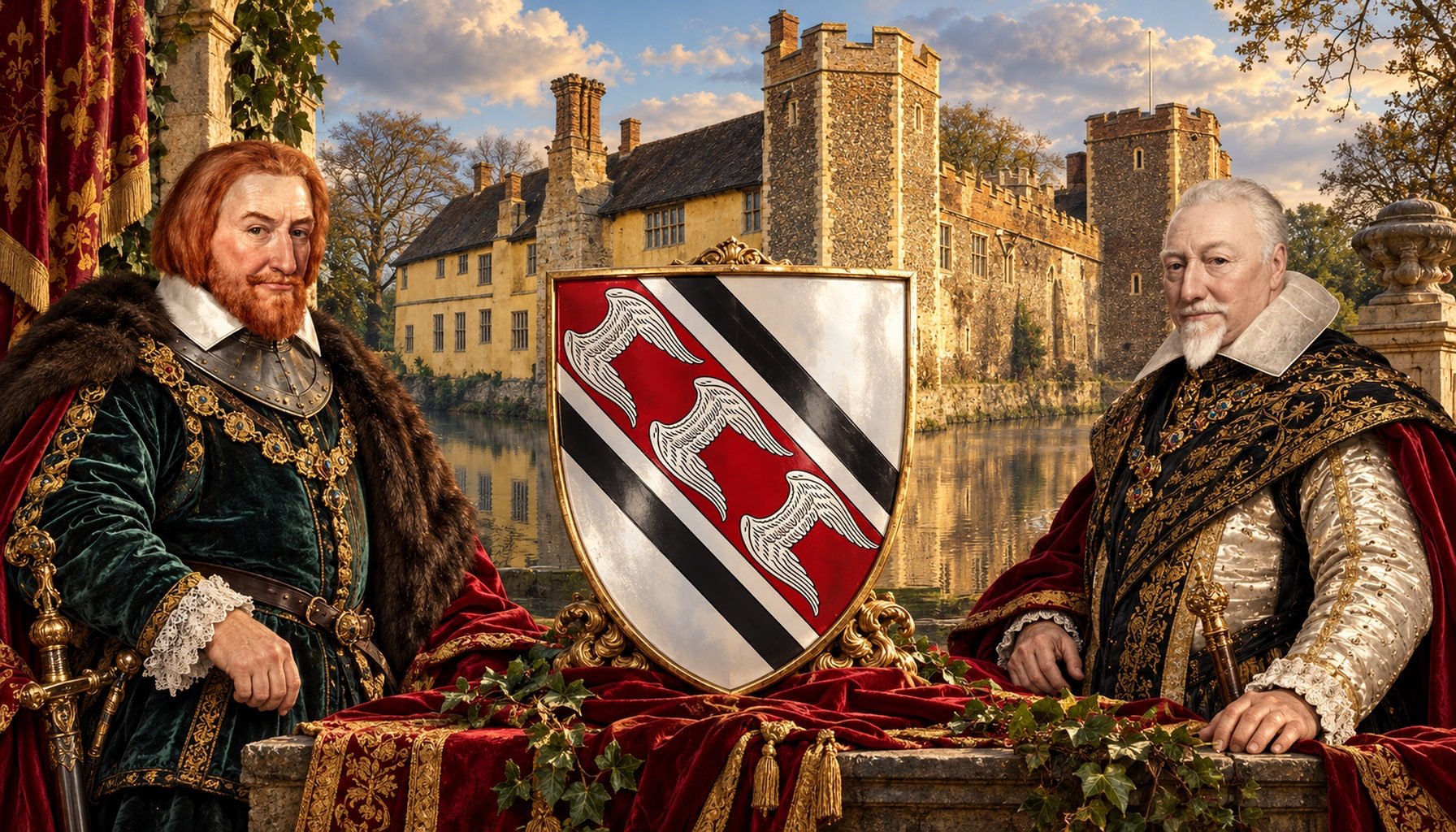
One of the best place-anchors for McMahon history is Clones Castle in County Monaghan, a site that still evokes the borderland world in which Gaelic lordship operated. The castle is generally associated with the medieval power struggles around Clones, a settlement that had earlier ecclesiastical importance and later became strategically valuable because of its position in the Monaghan landscape. What survives today is a substantial tower house, with the familiar late medieval Irish mixture of defense and residence: thick walls, elevated entrance, narrow windows, and the unmistakable sense that this was a building made for authority in uncertain times. The broader history of Clones includes monastic beginnings, local lordship, and later conflict as Ulster was drawn ever more tightly into English state expansion. In that sense, the castle is not just a ruin but a witness to the fading of the Gaelic political order that families such as the McMahons had long inhabited. It can still be visited, and for anyone tracing McMahon roots it offers something invaluable: not a vague feeling of ancestry, but an actual place where the texture of that world can still be felt in stone.
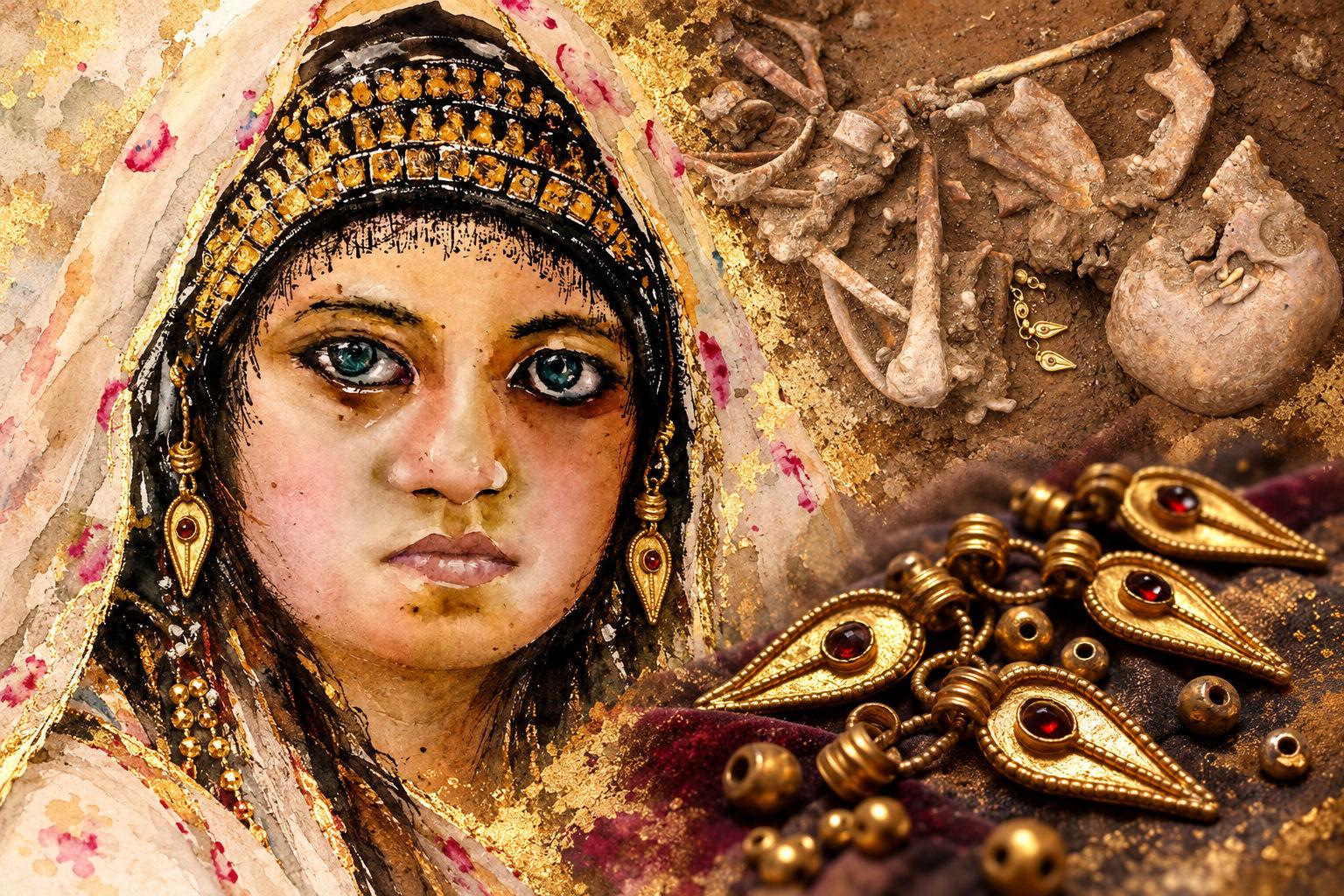
From a DNA perspective, the McMahon story is best approached with caution and curiosity together. The haplogroup R1b1a1b1a1a2c1a2a1a1a1b is linked with a wide spread of ancient individuals across Atlantic and western European contexts rather than with one proven medieval McMahon ancestor. Related or linked samples include Iron Age and Romano-British individuals such as the Celtic Durotriges from Duropolis, Winterborne Kingston in England, including WBK12, WBK20, WBK29, WBK41, WBK05, WBK30, WBK43, WBK06, WBK08, WBK18, and WBK191; Celtic Briton East Kent England I13730; Iron Age Worlebury Somerset I11991; Iron Age Hillfort Battlesbury Bowl I21309; and Post Roman Worth Matravers Dorset I11580. The same broader paternal line also appears in samples from farther afield and across time, including Bronze Age Orkney KD061, Bell Beaker and Bronze Age England samples such as I4950, I2417, I3256, I7576, I7577, I5473, I5377, and the Irish Copper Age sample Rathlin2B, as well as later individuals from Croatia, Portugal, Belgium, Germany, Austria, Denmark, the Faroe Islands, and France. None of this proves direct descent from any one ancient person to a documented McMahon line. What it does suggest is that the McMahon-associated haplogroup belongs to a very old population history stretching through Bell Beaker, Bronze Age, Iron Age, Celtic, Romano-British, and early medieval worlds that helped form the genetic backdrop of Ireland and its neighboring regions.
See Neolithic Irish kinship and DNA
If you carry the McMahon surname, have Monaghan or Thomond roots, or simply want to know how your own DNA fits into the deeper Gaelic and ancient European story, you can upload your DNA to MyTrueAncestry and explore whether you match Clan McMahon, its associated haplogroup R1b1a1b1a1a2c1a2a1a1a1b, or related ancient DNA samples from Ireland, Britain, and beyond.
Comments