Clan Ewing
– 2 min read


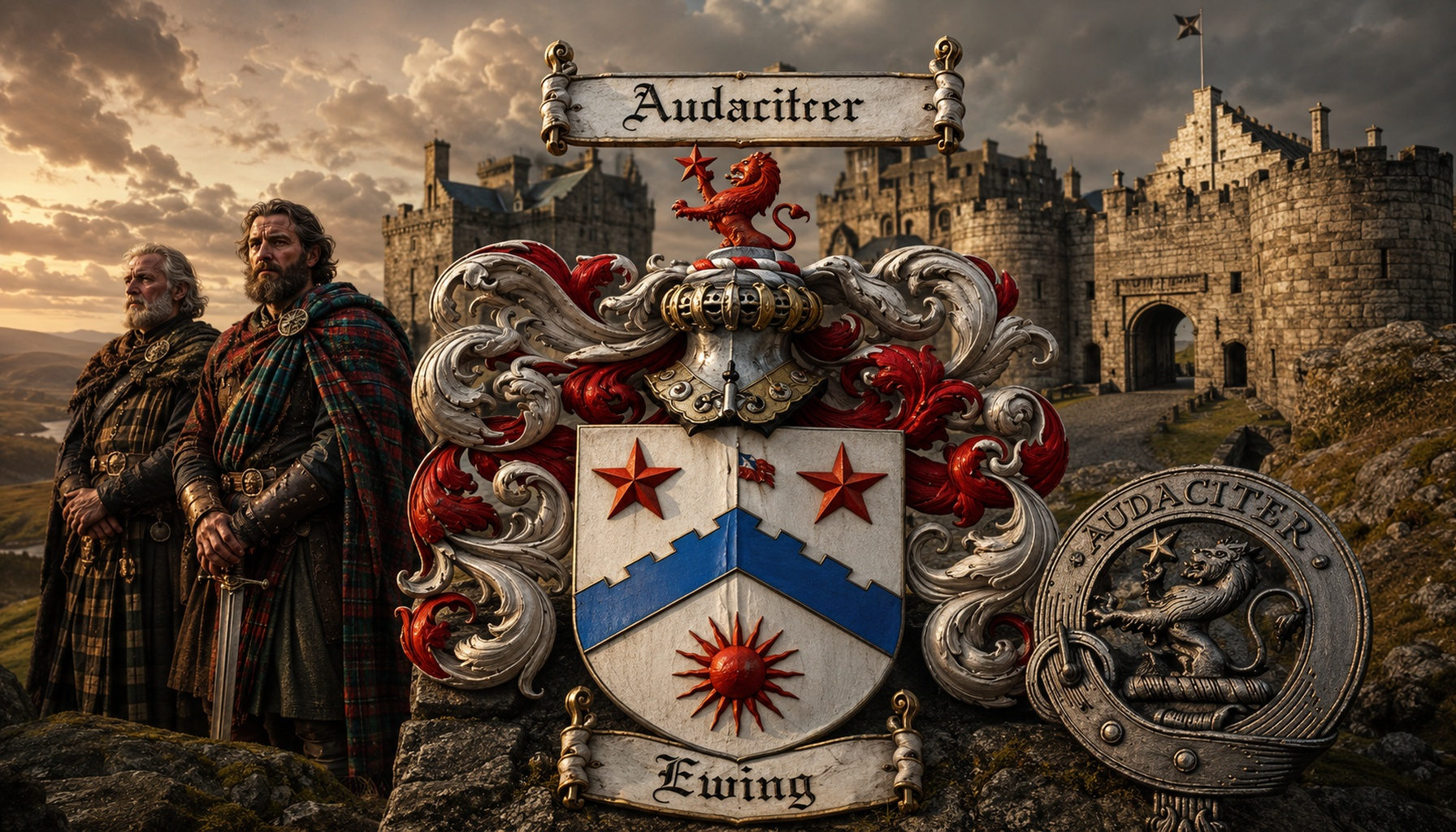
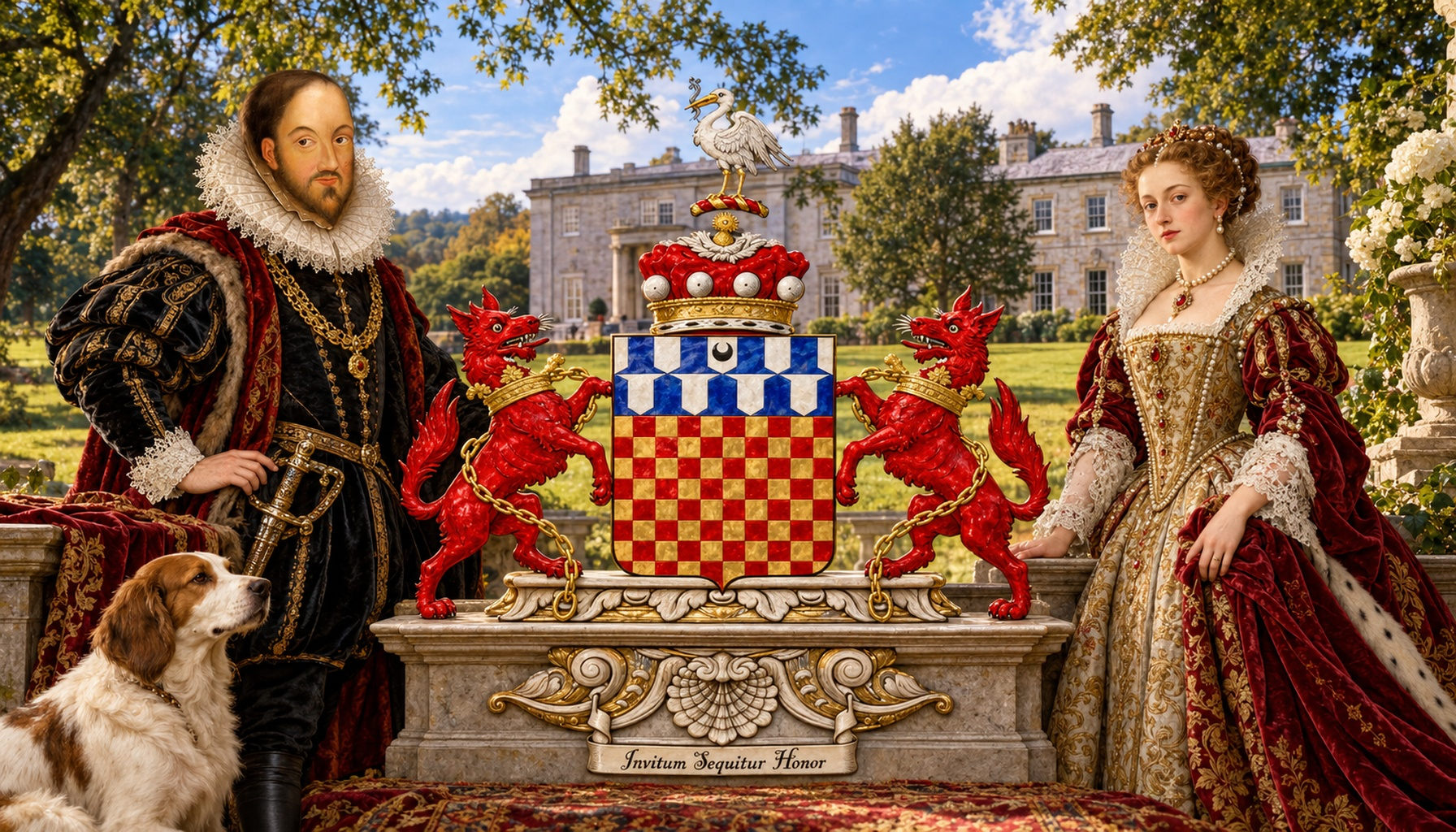
Clan Ewing was part of the broad Scottish surname-and-kinship world, rooted especially in western Scotland, where family identity was carried not just by land or lordship but by memory, service, movement, and the stubborn survival of a name across centuries. The surname has been linked with both older Gaelic traditions and Lowland Scottish usage, which is rather typical of the western Scottish world, where cultural frontiers were rarely tidy. In genetic tagging terms, the primary family haplogroup associated here is R1b1a1b1a1a2c1a1a1a1a1a1a2b3, a paternal line within the great Atlantic-facing R1b landscape so often found across Ireland and Scotland.
The Ewing story is best understood not as a single neat dynasty but as a family tradition shaped by regional roots, kinship identity, migration, and endurance. That is precisely why it fits the classic Scottish clan pattern so well. Families of this sort emerged through local standing, military or household service, marriages, resettlement, and the carrying forward of surname identity into new districts and eventually into diaspora communities overseas. One early figure associated with the deeper naming tradition is Donnsleibhe, recorded in 1036, a reminder that behind later surnames stand older Gaelic personal names and medieval family memories that were preserved long after politics and frontiers had changed.
A useful location anchor for understanding Ewing heritage is Stirling Castle, one of the most important strongholds in Scottish history. Perched high on a volcanic crag, the castle commands routes between the Highlands and Lowlands and overlooks the strategic heart of the kingdom. This was no sleepy family tower tucked into a glen; Stirling was a royal fortress, a political stage, and a military prize fought over repeatedly in the Wars of Independence. Kings and queens were crowned or resident there, great nobles orbited around it, and the whole place speaks to the wider Scottish world in which surname families such as the Ewings developed their sense of belonging. It also became a major Renaissance residence under the Stewart monarchs, which gives the site that extraordinary mixture of battlefield drama and royal display. Happily, Stirling Castle can still be visited today, and it remains one of the best places in Scotland for feeling how geography, lordship, war, and memory all fused together.
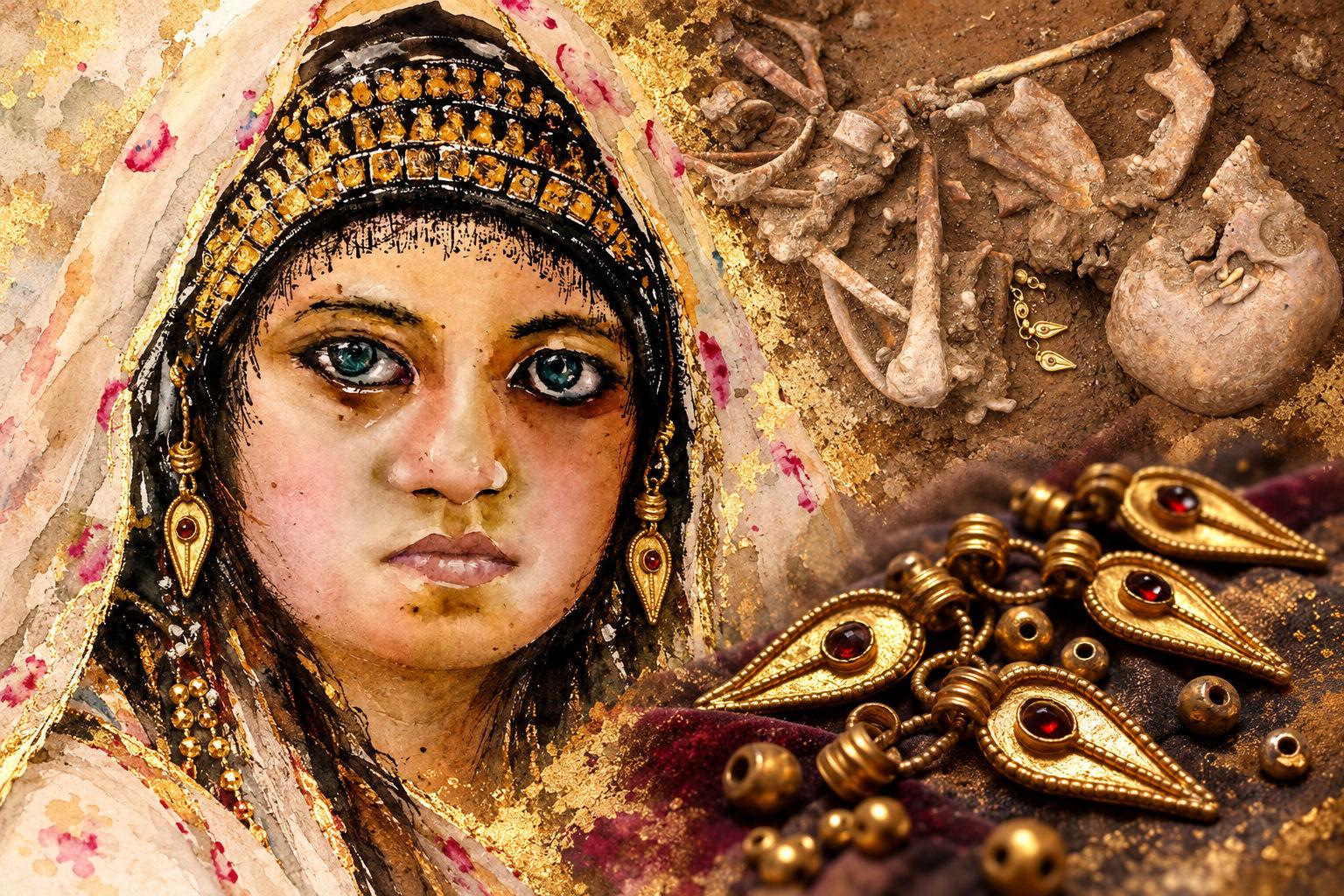
From an ancient-DNA point of view, the haplogroup R1b1a1b1a1a2c1a1a1a1a1a1a2b3 is linked or related to a notable cluster of medieval Irish samples, especially from Ballyhanna, County Donegal, including individuals such as Sk197an, Sk197y, Sk197q, Sk197am, Sk197s, Sk197ab, Sk197u, Sk197t, Sk197r, Sk197ad, Sk197x, Sk197n, Sk197aa, Sk197z, Sk197ak, Sk197w, Sk197ai, Sk197m, Sk197ah, Sk197ag, Sk197v, Sk197ac, Sk197al, Sk197af, Sk197ae, Sk197o, Sk197aj, HAN197x, Sk197a, Sk197b, Sk197c, Sk197d, Sk197e, Sk197f, Sk197g, Sk197h, Sk197i, Sk197j, Sk197k, Sk197l, Sk197p, and HAN197, as well as related medieval Irish examples from Kilteasheen in Roscommon such as KIL041, KIL044, and KIL014. These are not evidence of direct descent from or to Clan Ewing, and one must be careful about that. What they do show is that the broader paternal landscape connected with this lineage was present in the medieval Gaelic world across Ireland, a world deeply entangled with western Scotland through migration, lordship, church networks, mercenary service, and family formation. In other words, the DNA fits the sort of historical sea-lanes and kin connections one would expect.
Read more about Clan Gallagher
If you carry the Ewing surname, or suspect Ewing roots somewhere in your Scottish family story, this is exactly the sort of heritage where documents, surname history, and DNA can illuminate one another beautifully. Upload your DNA to MyTrueAncestry to see whether you match Clan Ewing associations or related ancient DNA samples from the wider medieval Irish and Scottish world.
Comments