Clan Eustace
– 3 min read


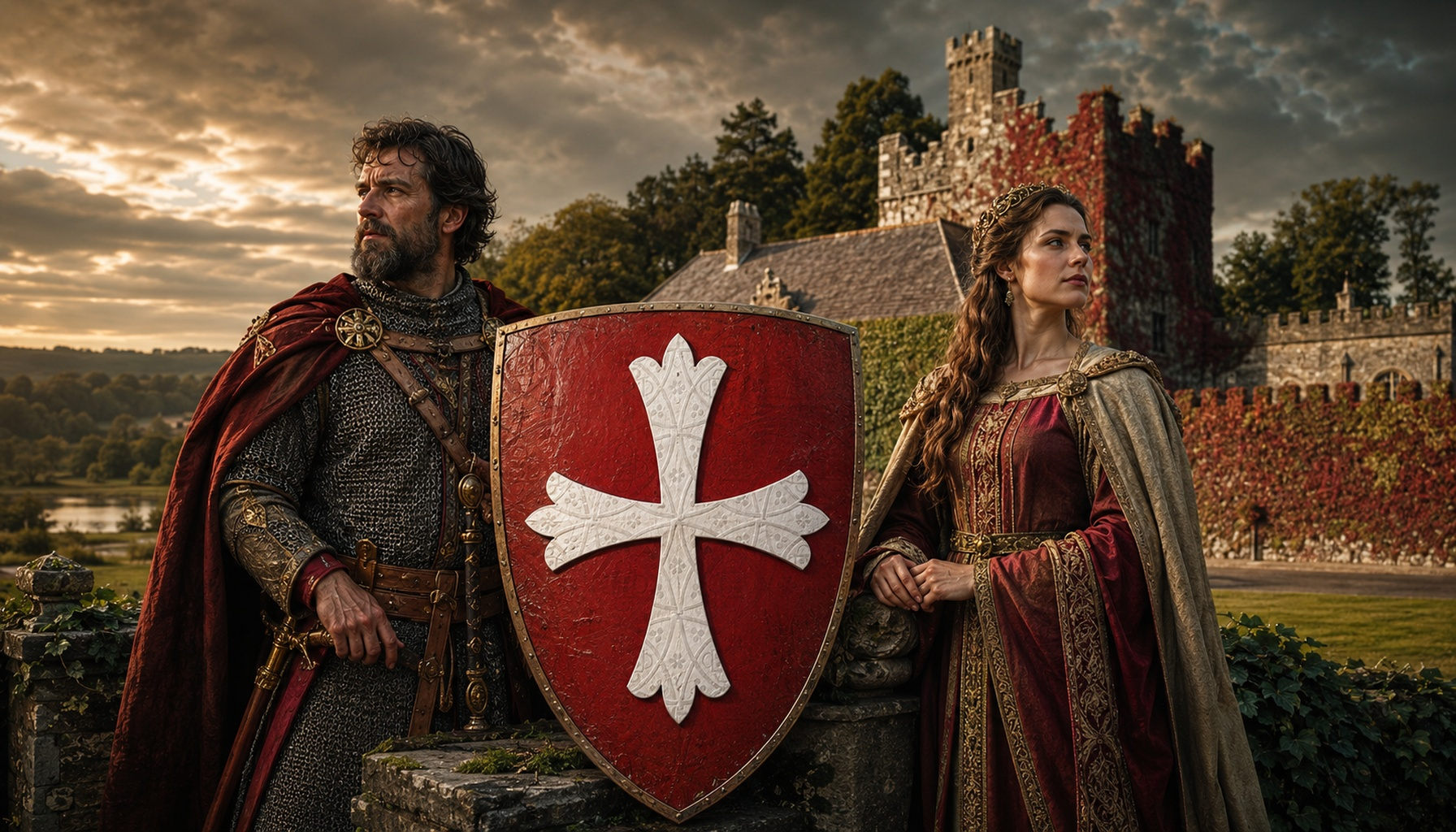
Clan Eustace was one of those classic Anglo-Norman families that arrived in the wake of medieval expansion into Ireland and then put down remarkably deep roots there. Their story belongs above all to eastern Ireland, the Pale, and the long world of castles, charters, military obligation, and local office. The family name itself points back to a continental and English Norman setting before the line became firmly woven into Irish history. In genetic tagging terms, the primary family haplogroup linked here is I1a2a1a1a1a2b, a paternal line with a wider north European and Germanic-era profile. Haplogroups: I1a2a1a1a1a2b.
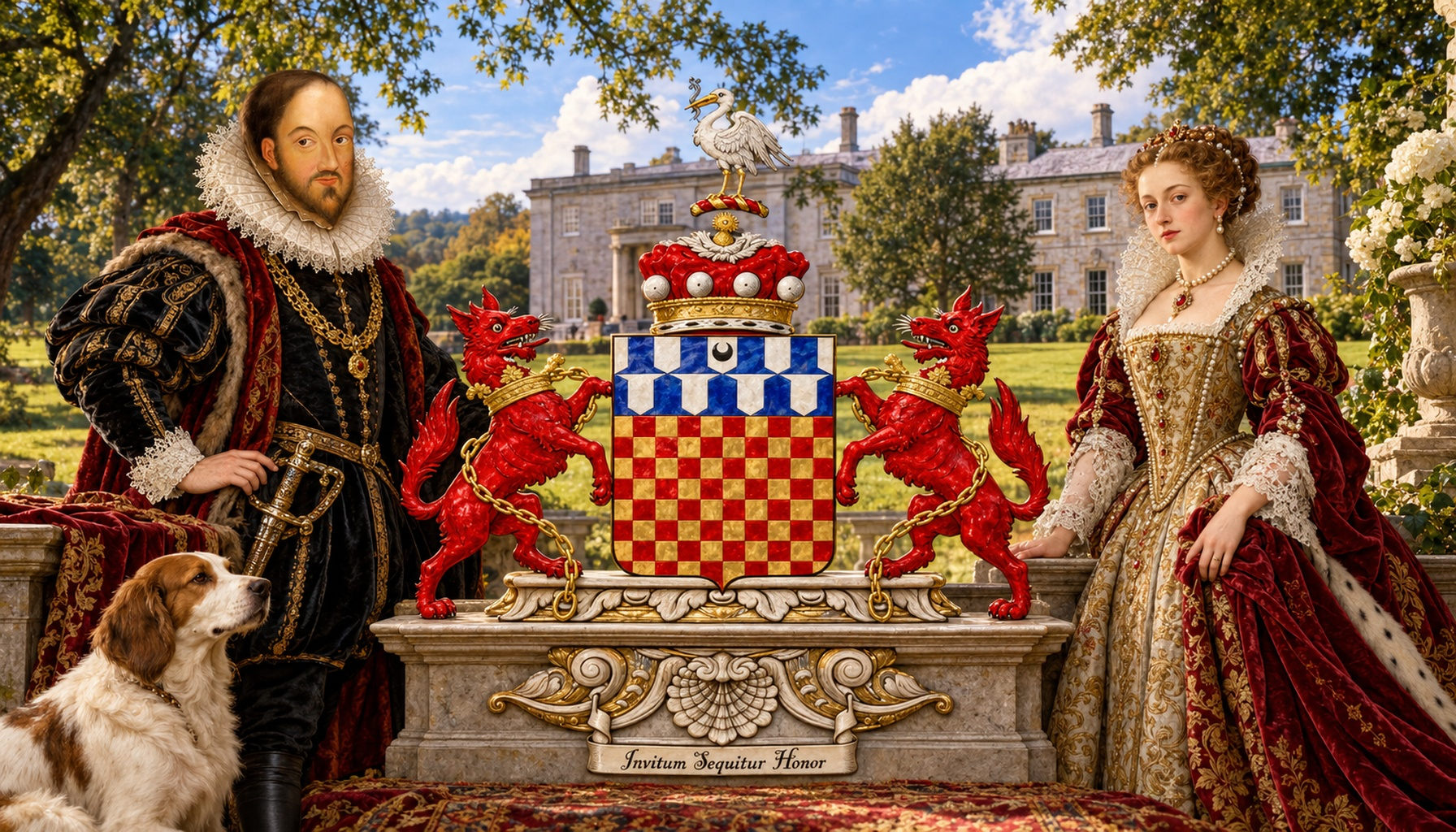
What makes the Eustaces interesting is not simply that they were settlers, but that they became a lasting Norman-Irish house: landholders, public servants, and people of rank who adapted to Irish conditions without entirely losing the memory of older origins. Over centuries, they appear in the familiar furniture of medieval power, heraldry, legal authority, church patronage, and regional service. A notable early figure is Richard de Eustace, Bishop of Ely, who died in 1215, a reminder that the family was part of a broader Anglo-Norman world before its Irish branches became so locally anchored. In Ireland, the Eustaces came to embody that very recognizable pattern of medieval settlement followed by long continuity through political upheaval, conquest, and reform.
Read more about Clan Fitzgerald
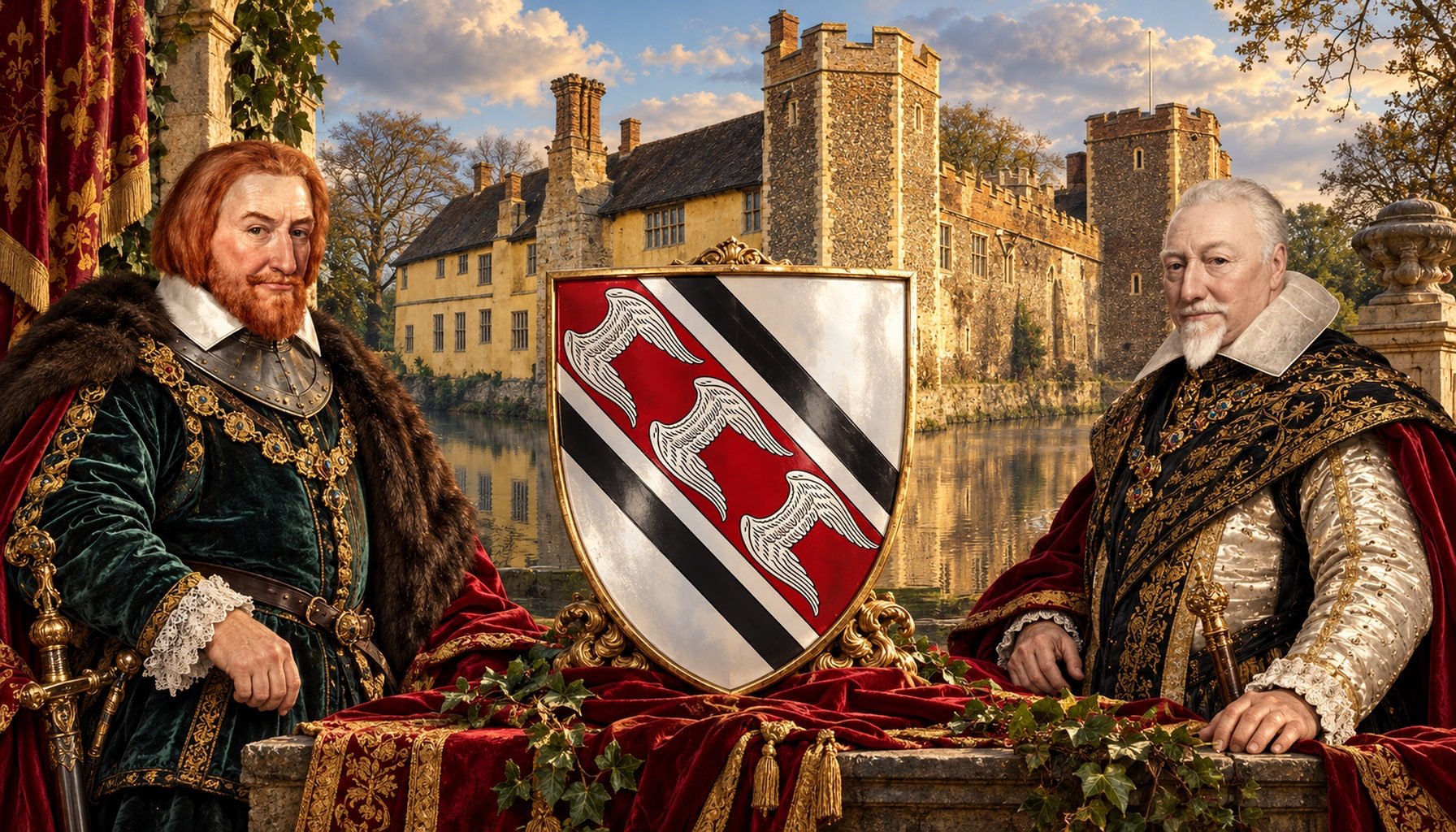
A strong location anchor for Eustace heritage is Barretstown Castle in County Kildare, not far from the old heartland of Anglo-Norman settlement in Leinster. The present structure is generally described as a tower house with later additions, and it stands in a landscape shaped for centuries by gentry estates, defended residences, and the uneasy frontier conditions of the Pale. Barretstown is associated with the Eustace family through ownership and local standing, and like so many Irish castles it tells a layered story rather than a single neat one: medieval defense, later domestic adaptation, changing proprietors, and eventual survival as a visible fragment of the older order. It is exactly the sort of place that makes family history feel tangible, because one can see in stone what the documents only hint at, namely that authority in medieval and early modern Ireland was local, practical, and built into the landscape. The site survives and, as a standing historic castle known in the public record, it can reasonably be appreciated from the area and visited in that broader heritage sense, though access conditions may vary.
The haplogroup I1a2a1a1a1a2b also opens a much older window onto the wider paternal world connected with Eustace-linked ancestry. Related or linked ancient samples carrying nearby or matching branches appear across a striking historical spread: Migration Period Hungary at Rakoczifalva (RKF280), Gothic Period Serbia at Timacum Kuline Ravna Village (I15549) and Timacum Slog Necropolis (I15545), Longobard Period Pannonia at Savaria Szeleste Barbaricum in Hungary (SZL028), Nordic Bronze Age Denmark at Strandlunden II Gerlev (CGG106515), Iron Age Denmark at Sjaelland Holbaek Fjord Trundholm Mose (CGG106734), Viking Age Denmark at Bogovej (CGG106777), Anglo-Saxon Sedgeford in Norfolk (SED014), Gothic Kecskemet-Mindszenti in Transtisza Hungary (A181016), Medieval Tarquinia in Lazio (TAQ009), and Viking Age Oland in Sweden (VK337, VK357). These do not prove direct descent from any one ancient individual, of course, but they do place the haplogroup in a long and very mobile north European story that includes Bronze Age Scandinavia, Germanic migrations, Viking networks, and Anglo-Saxon England before we ever arrive at the Norman and then Irish medieval world.
If you are exploring Eustace roots, this is exactly where documentary history and DNA can start talking to each other. Uploading your DNA to MyTrueAncestry can help you see whether you match Clan Eustace, or whether your results connect you to related ancient samples linked with haplogroup I1a2a1a1a1a2b across the medieval, Migration Period, Viking, and even Bronze Age world.
Comments