Clan Norton
– 3 min read


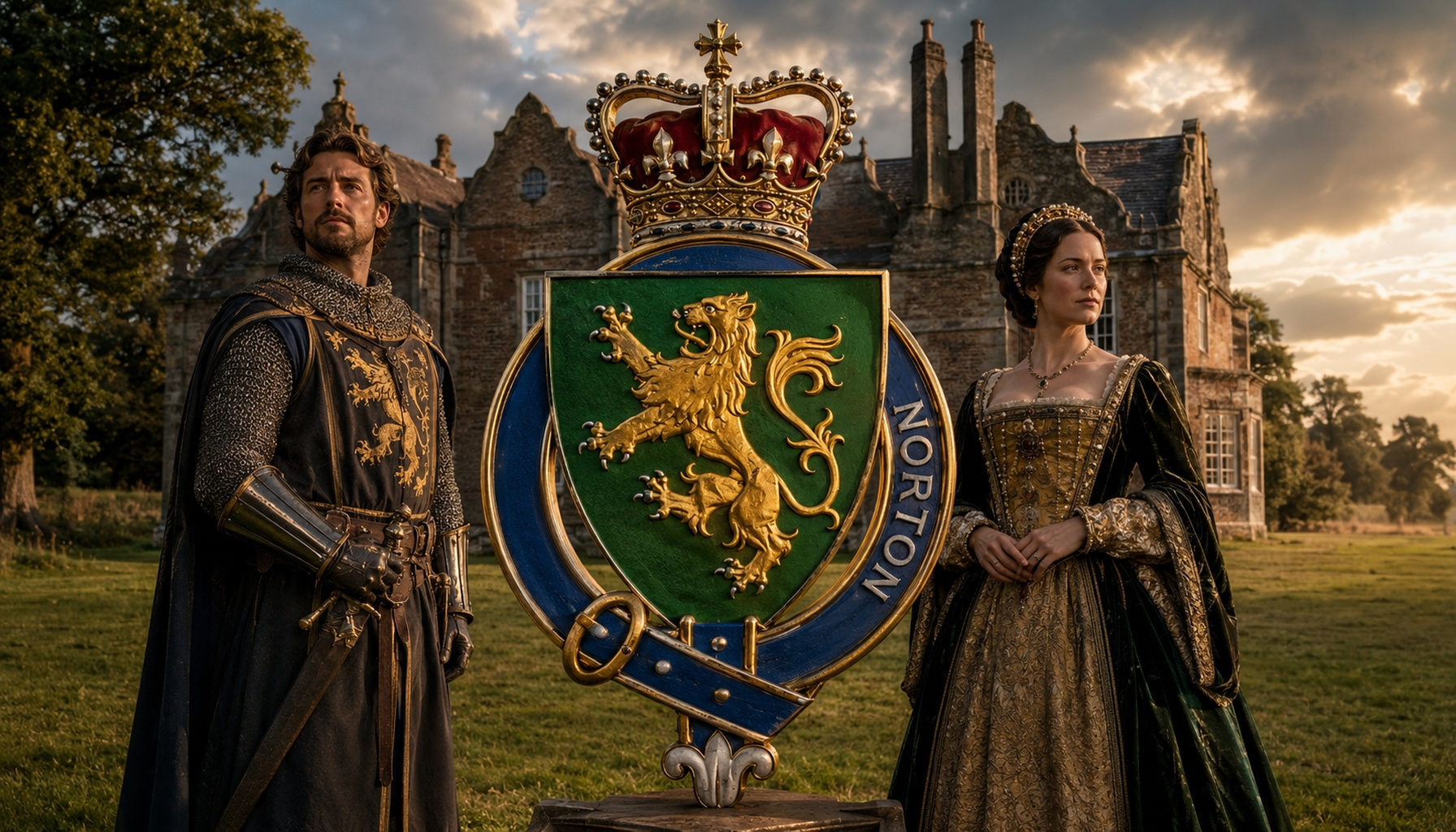
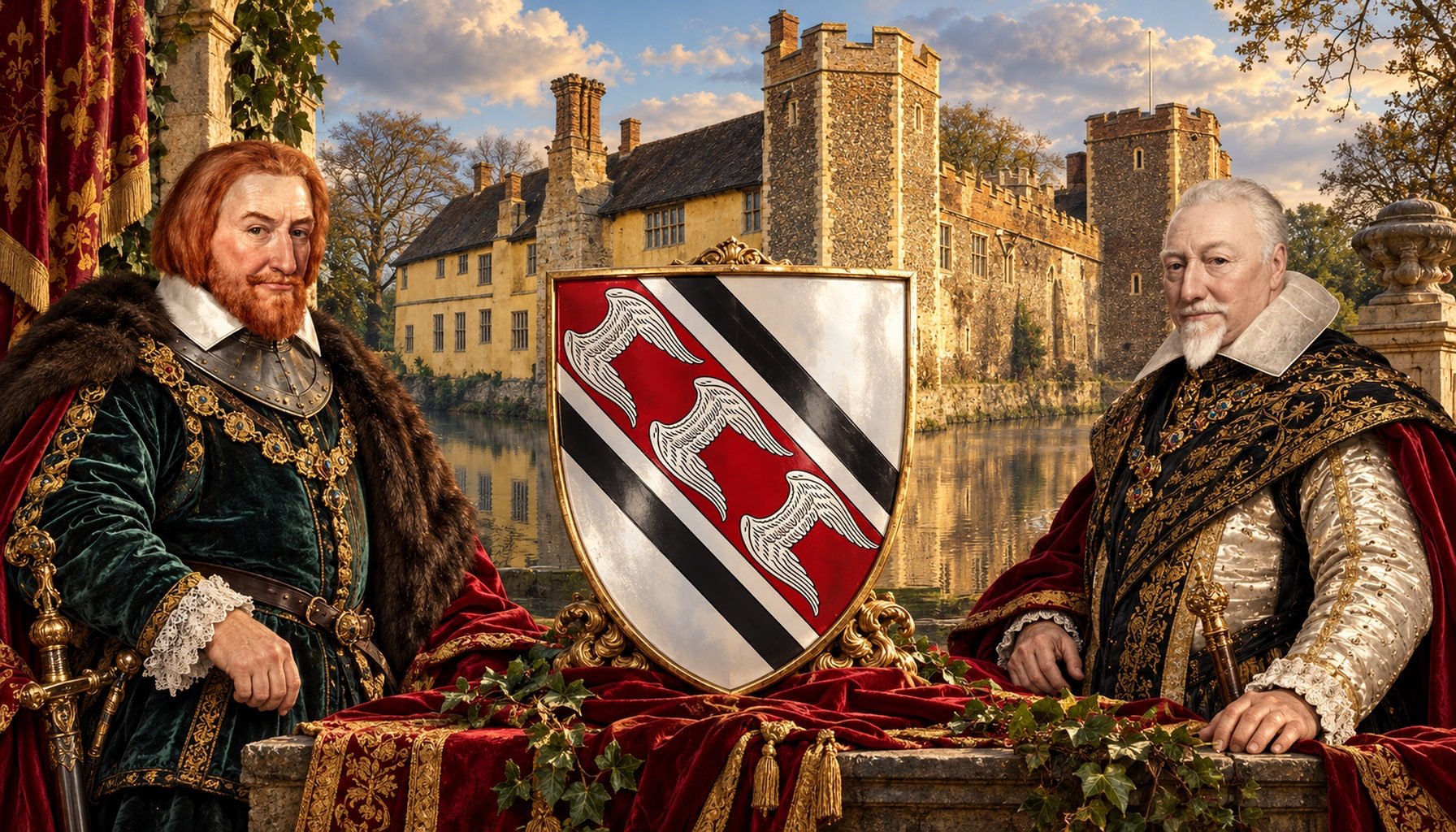
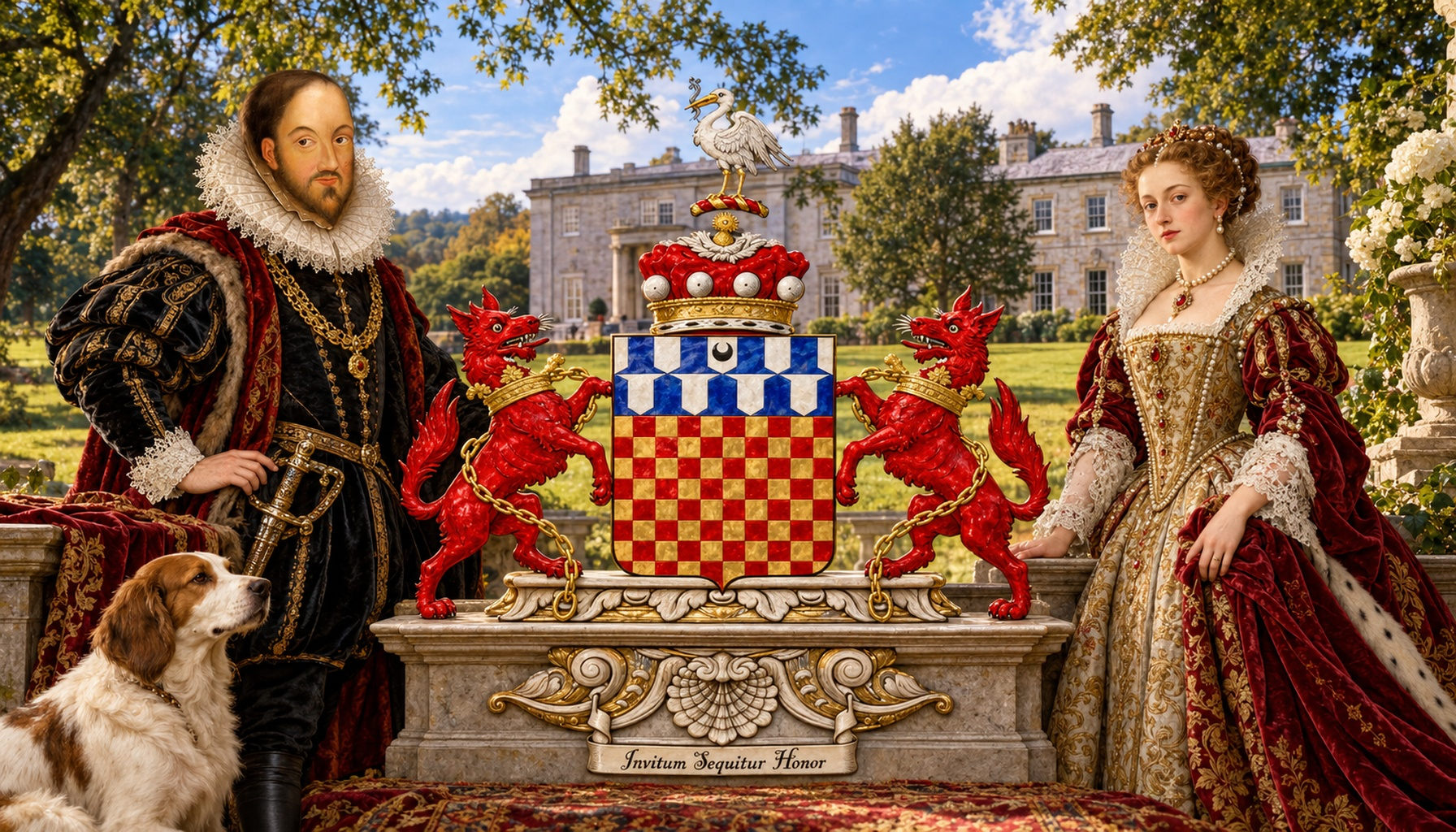
Clan Norton is best understood not as a grand princely house, but as a deeply rooted British family tradition shaped by place, memory, and long local continuity. The surname is territorial in character, coming from place-names that usually mean a northern settlement or an enclosed northern farmstead, and it appears across both England and Scotland in the wider pattern of location-based surnames. In that sense, the Nortons belong to an old and very British story: families named from the land they were associated with, then carrying that name forward through parish life, service, tenancy, ownership, office, and inheritance. The primary haplogroup linked here is R1b1a1b1a1a1c2b1b3b, a branch within one of the major paternal lineages of western Europe.
Historically, Norton families emerged through regional standing rather than royal glamour. Their identity is the sort that grew in market towns, manor houses, church patronage, county politics, and military duty. That makes the name especially interesting, because it shows how British family history often worked in practice: not all enduring lineages were crowned, but many were woven into local authority and public life. Among notable figures were Thomas Norton (1532-1584), remembered as a lawyer, writer, and political figure of the Tudor age, and Colonel Richard Norton (1615-1691), a Parliamentarian soldier and politician of the Civil War period. Together they show the breadth of the name, from letters and law to war and government.
Read more about Clan Middleton
One of the strongest location anchors for the family story is Norton Conyers House near Ripon in North Yorkshire, a house with medieval origins that later developed into the striking historic building seen today. It stands on a site associated with the Norton family from the medieval period, and the place itself captures much of what the Norton story means: continuity of surname, continuity of land, and continuity of local presence. The house contains fabric from different periods, including an undercroft and later additions, showing how English family seats were rarely built in one go but accumulated over centuries, rather like the family memories attached to them. Norton Conyers House is also widely noted in literary circles for its supposed connection to Charlotte Bronte and the inspiration for Thornfield Hall in Jane Eyre. Just as important for visitors now, it remains a historic house that can still be visited, with gardens and public access at stated times, making it a living link to the regional world in which the Norton name took shape.
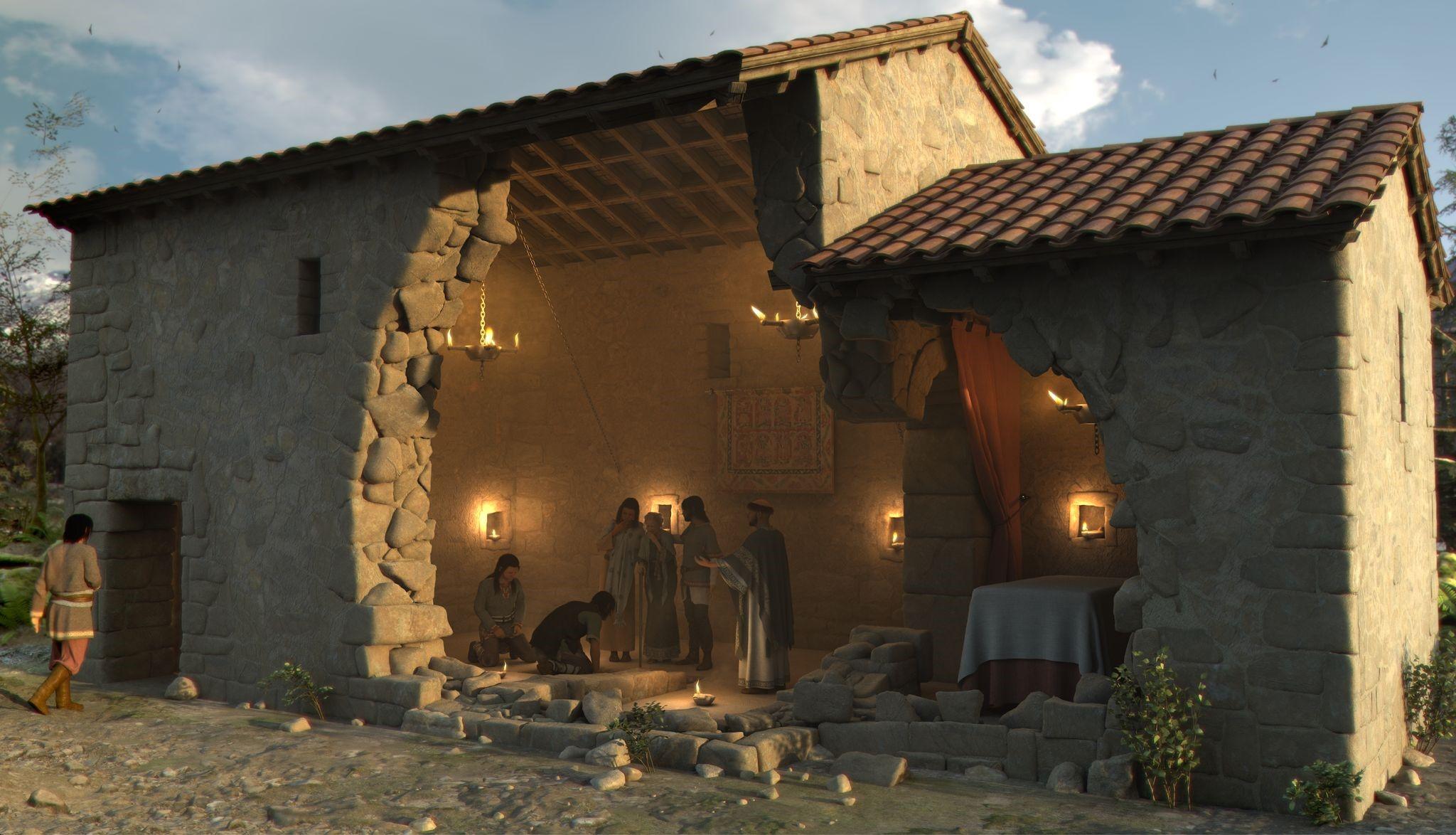
From the genetic side, the Norton-associated haplogroup R1b1a1b1a1a1c2b1b3b links into a wider web of ancient and medieval paternal lines found across Europe. Related or linked samples include Medieval Belgium Outsider Sint-Truiden Onze-Lieve-Vrouwekerk (ST1189), Royal Tombs of Aigai Macedonia Elite Tomb I (DEM3235), Medieval Belgium Sint-Truiden Onze-Lieve-Vrouwekerk (ST2320), Early Medieval Yorkshire England Norton Bishops East Mill (I17274), Viking Age Galgedil Funen Denmark (VK134), Medieval Trondheim Norway (VK117), and Viking Age Skara Varnhem Sweden (VK424). These do not prove direct descent from any one buried individual, and they should not be treated as a ready-made family tree. What they do offer is a fascinating sense of the broader historical world in which related paternal branches moved: from Yorkshire to the Low Countries, from Scandinavia to the Balkans, across the same Europe that shaped medieval surnames, lordship, war, travel, and settlement.
Explore Roman and Early Medieval Britain DNA
If the Norton story feels familiar, that may be because so many family histories in Britain were built this way: from a place-name, a district, a duty, and generations who kept the name alive. If you have Norton roots, or surnames tied to the same northern landscape and pattern of service, you can upload your DNA to MyTrueAncestry and see whether you match the family story or any of these related ancient DNA samples.

Comments