Clan McBurney
– 2 min read


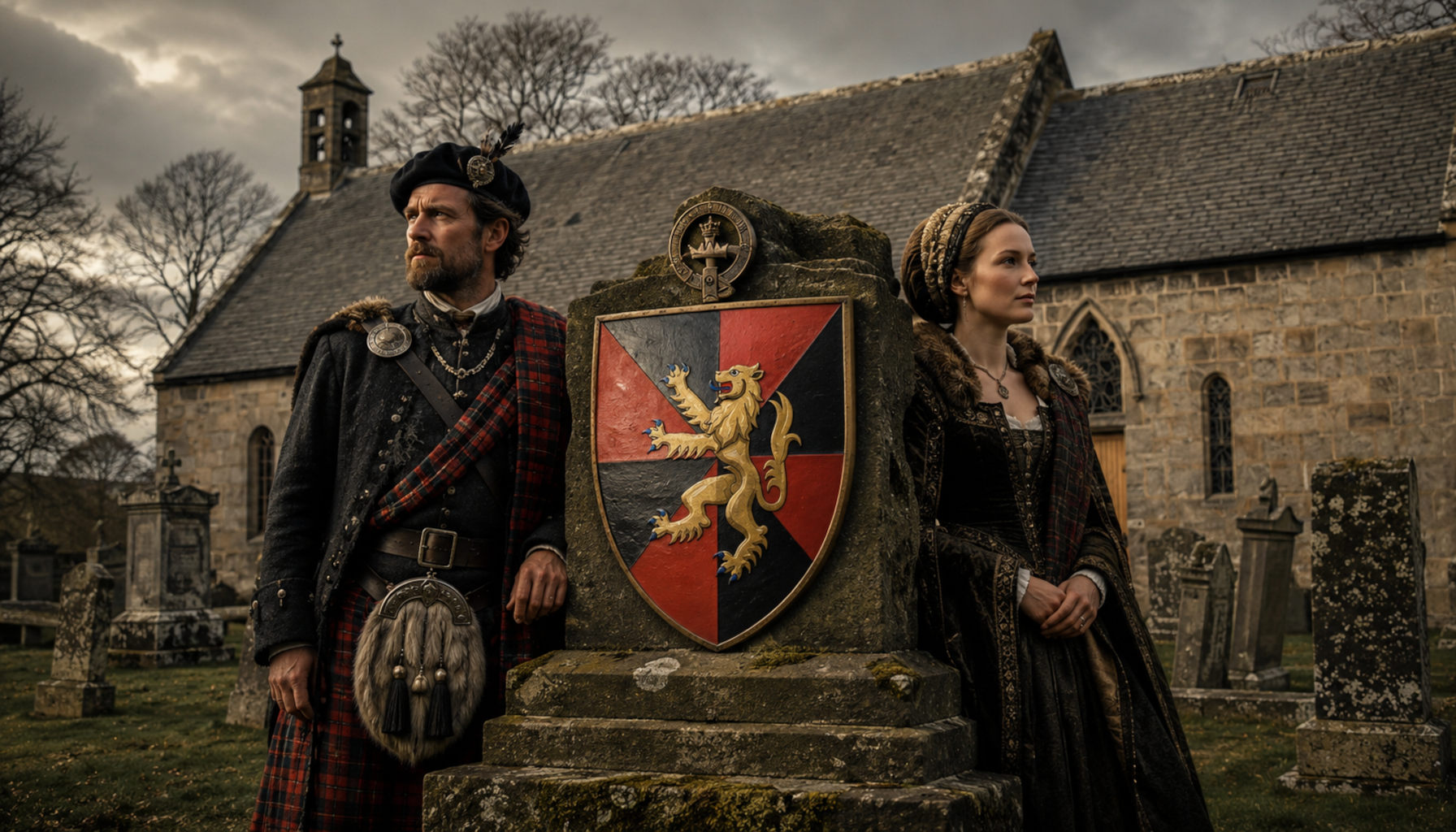
Clan McBurney belongs to that very recognisable Scottish and Irish surname world in which family identity was carried not by grand castles alone, but by kinship, local reputation, movement across the Irish Sea, and the long memory of a name. The family is generally linked to the old north of Scotland, especially the Moray area, with later branches and kindred lines becoming part of the wider Scottish-Irish story. In genetic tagging terms, the primary family haplogroup associated here is R1b1a1b1a1a2c1a1d3b1a, a branch firmly at home in the western British Isles and entirely fitting for a surname tradition shaped by Gaelic roots, regional continuity, and later migration.
The name itself appears in early and shifting medieval forms, which is exactly what one would expect before surnames settled down into modern spelling. Figures such as Ralph de Bernai in 1086 and William de Byrneth in 1360 help show the family in historical motion rather than frozen in one neat form. That matters, because Clan McBurney is best understood not as a single unbroken line marching tidily through time, but as part of the broader Scottish-Irish surname pattern: people tied to place, church, service, and community, then carried onward into Ulster and the diaspora while still preserving a recognisable surname memory.
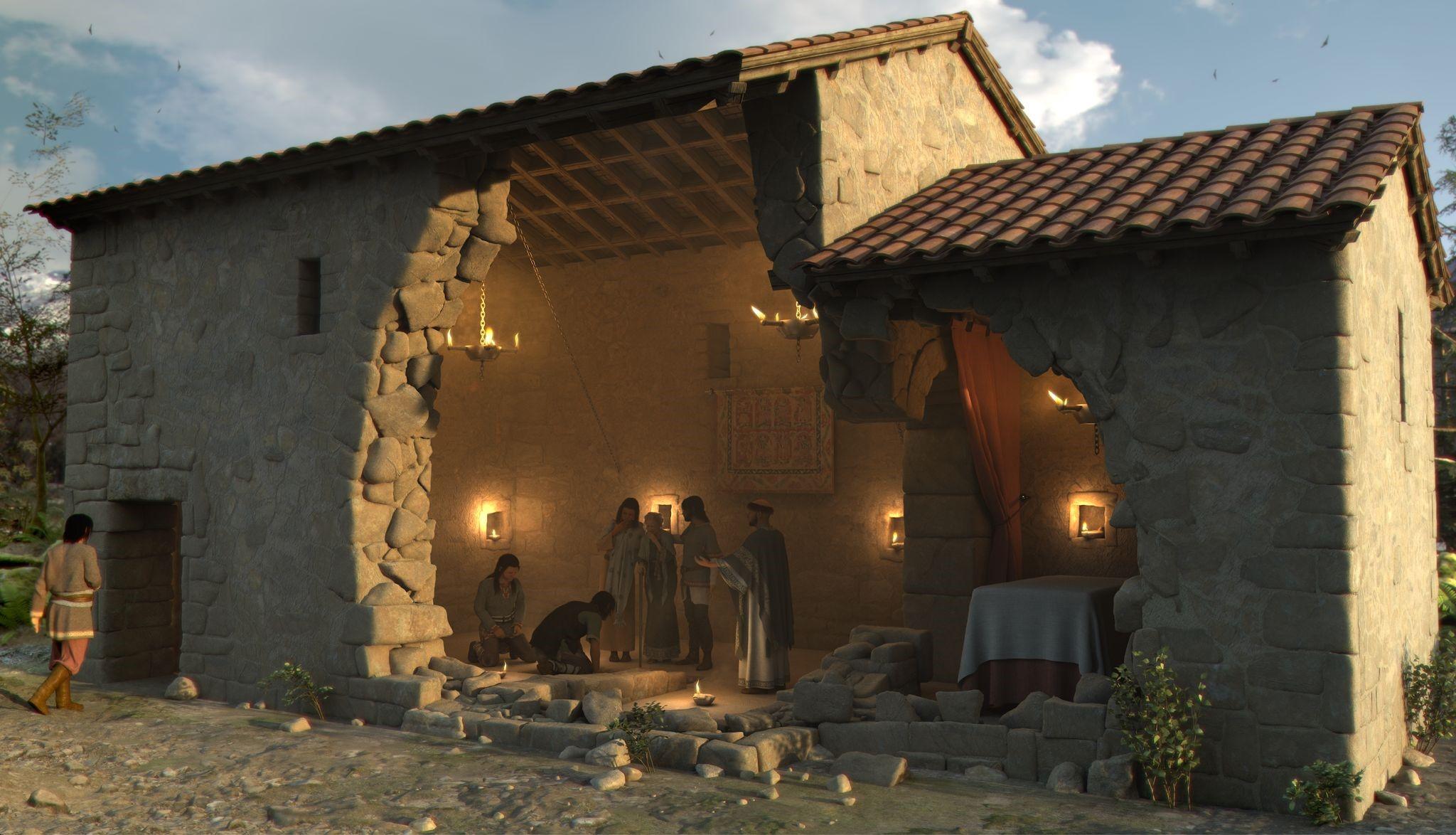
A key location anchor for the story is Birnie Kirk, near Elgin in Moray, a small church with an extraordinarily long history. It is one of the oldest continuously used churches in Scotland, with origins going back to the early medieval period, probably the 12th century, and with important Romanesque features still surviving. The place has that wonderful quality so common in old Scottish sacred sites: it is modest in scale, but immense in historical atmosphere. Birnie was not some theatrical frontier outpost; it was part of the lived landscape of Moray, where church, settlement, landholding, and identity were all entangled. For a family tradition connected with forms like Bernai and Byrneth, Birnie provides a convincing geographical and historical setting, rooted in the old ecclesiastical world of northeastern Scotland. It is also a site that can still be visited today, which gives the McBurney story a rare and satisfying physical anchor.
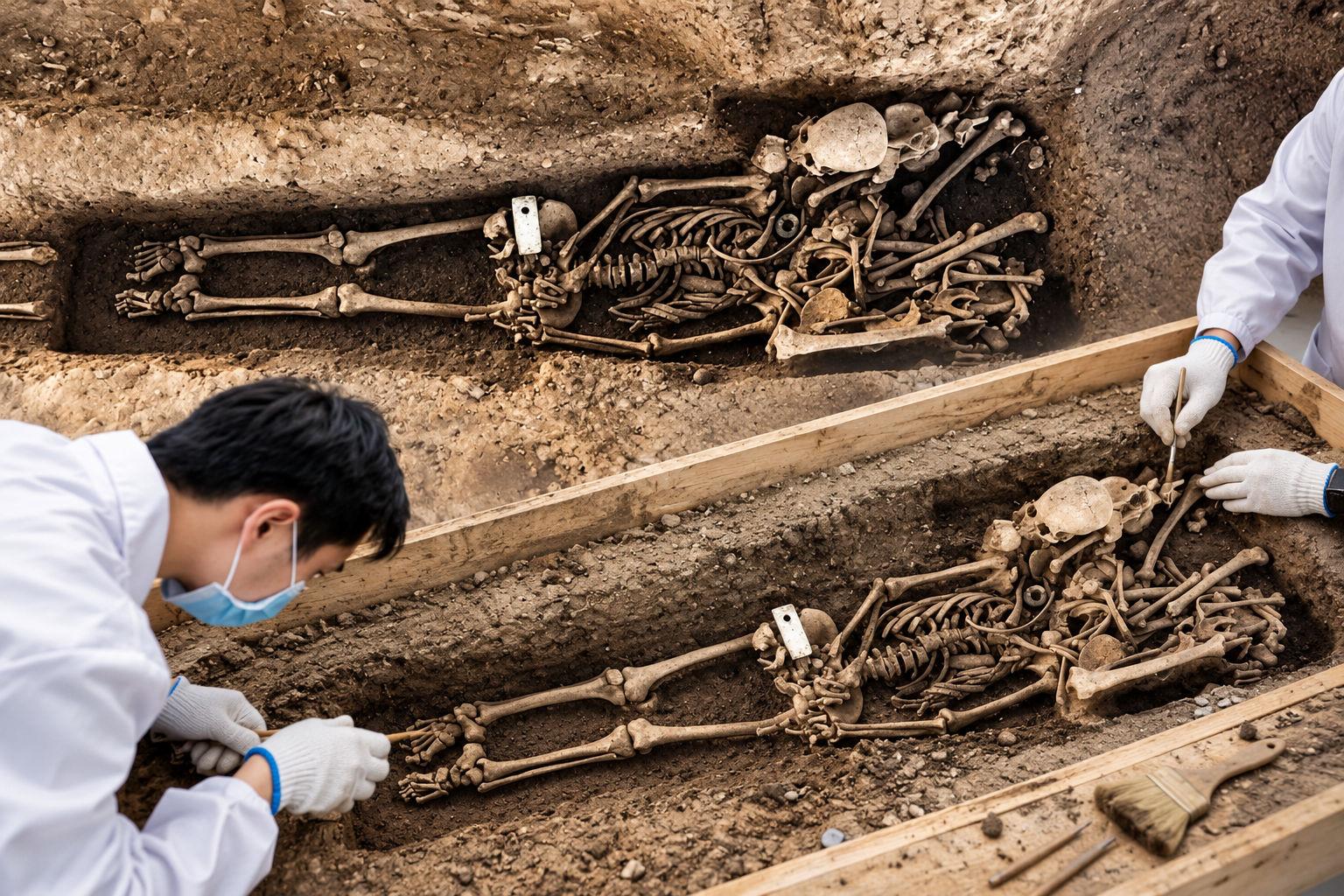
From an ancient DNA perspective, the McBurney-associated haplogroup R1b1a1b1a1a2c1a1d3b1a sits within a wider family of lineages well represented across Britain and nearby northern Europe. Related or linked samples include Medieval England Augustinian Friars ATP_PSN_512 and ATP_PSN_520, Medieval Vasterhus Sweden mbv151, the Celtic Briton from Yarnton in Oxfordshire I21182, and the Late Bronze Age individual from Raven Scar Cave in North Yorkshire I16469. These are not evidence of direct descent from those specific individuals, and it is important not to pretend otherwise. What they do show is a deep paternal backdrop spread across the same broad historic zone in which Scottish, English, and Irish surname traditions later emerged: a world of movement, continuity, and local belonging layered over many centuries.
Explore Ancient DNA in Post-Roman Britain
If you carry the McBurney name, or have McBurney lines in your Scottish, Irish, or diaspora family tree, this is exactly the sort of heritage worth testing against both surname history and ancient DNA. Upload your DNA to MyTrueAncestry to see whether you match Clan McBurney, this R1b1a1b1a1a2c1a1d3b1a-linked heritage, or any of the related ancient samples from Britain and northern Europe.
Comments