Clan Burnett
– 2 min read


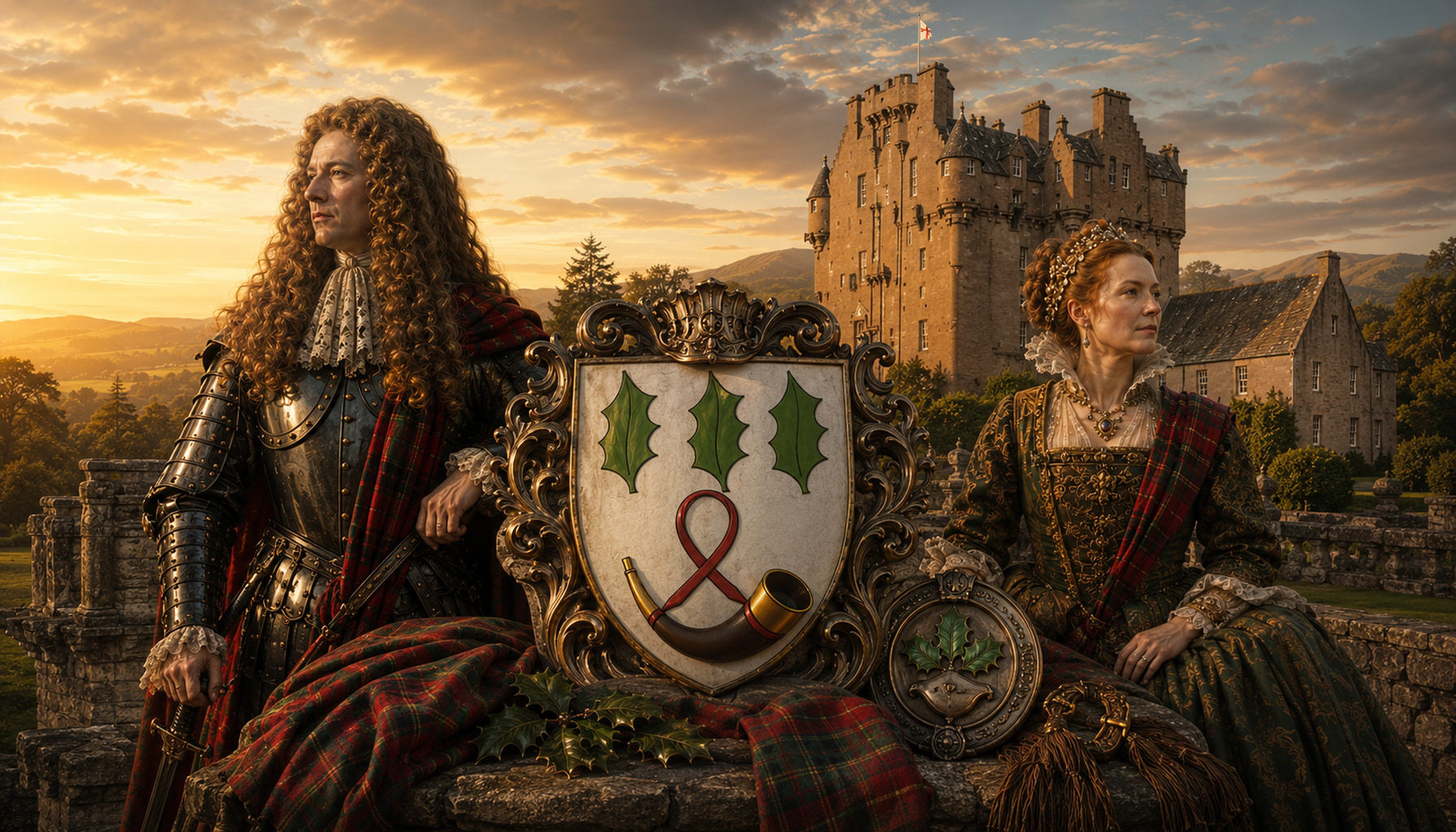
Clan Burnett was a Scottish Lowland family whose story is tied above all to Deeside in north-east Scotland, and especially to the Burnetts of Leys. In historical terms, they belong to that recognisable Lowland noble tradition built on landholding, royal service, estate management, heraldry, and the long patience required to keep a family seat going across centuries of Scottish politics. The primary haplogroup linked with the family here is I1a2b1b, a paternal line with deep roots in northern Europe.
The family emerged in the medieval record as local authority, royal favour, and landed identity began to knit together in the north-east. One early named figure is Alexander Burnard in 1323, a reminder that surnames in this period were still settling into the forms we know today. Over time the Burnetts became firmly associated with the lands of Leys and with a reputation for service and endurance. Their motto, Virescit Vulnere Virtus, often translated as courage grows strong at a wound, is one of those clan mottos that feels less like decoration and more like a summary of lived history: resilience under pressure, continuity after setbacks, and a determination to endure.
Crathes Castle is perhaps the best-known emblem of Burnett heritage, and it gives the clan's history a wonderfully solid, visible anchor in the landscape of Aberdeenshire. Set near Banchory on Deeside, the castle was begun in the 16th century by the Burnetts of Leys on lands granted to the family by King Robert the Bruce in the 14th century. What survives is not just a defensive tower house, but a statement in stone about status, continuity, and regional power. With its turrets, painted ceilings, walled garden, and long association with the family, Crathes shows how a Scottish landed house was never merely a home. It was an administrative centre, a symbol of legitimacy, and a way of planting a surname permanently into local memory. Today Crathes Castle is in the care of the National Trust for Scotland and can still be visited, which means Burnett history is not confined to charters and pedigrees but remains part of the living landscape.
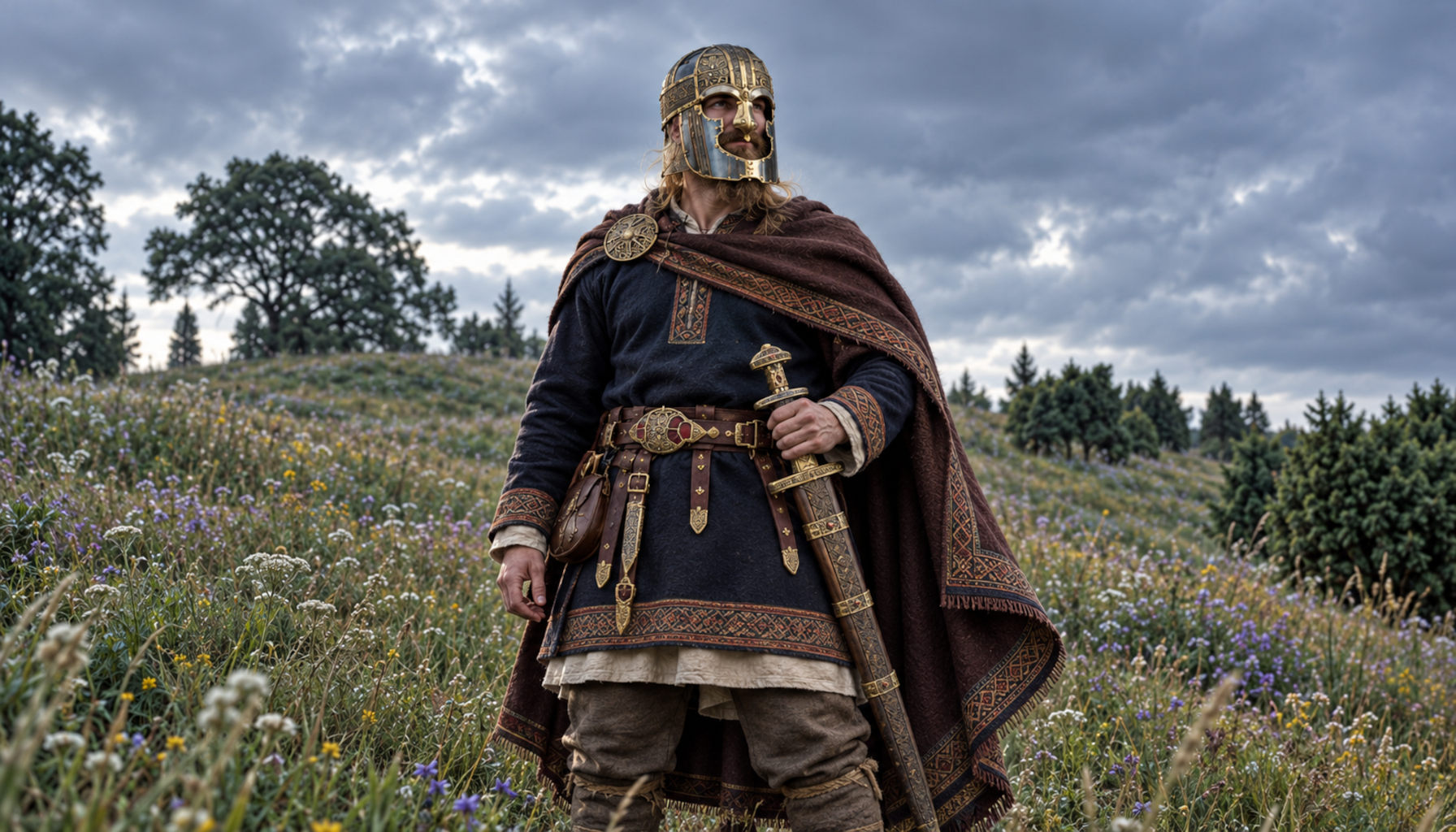
For those interested in the deeper genetic backdrop, the Burnett-linked primary haplogroup I1a2b1b connects to a wider northern European story rather than to any single documented medieval ancestor. Related or linked ancient DNA samples in this branch include individuals from Saxon and post-Roman England such as West Heslerton in North Yorkshire and Worth Matravers in Dorset, along with Early Medieval Lakenheath in Suffolk, Buckland Dover, Hatherdene Close in Cambridgeshire, and Oakington. The same wider line also appears in continental contexts including Thuringii-associated burials at Obermoellern and Deersheim in Germany, a Danii-linked sample from Vemmelev Hemmeshoj in Denmark, a post-Viking Age sample from Hedeby, and even deeper-time Scandinavian examples such as Karlstrup in Neolithic Denmark and Nordic Bronze Age Vordingborg. These are best understood as related markers in the long population history of the I1 world, not as proof of direct descent from any named ancient individual to the Burnetts themselves.
Read more about Clan Farquharson
If you are researching Burnett ancestry, the fascination lies in both the paper trail and the deeper human one: charters, castles, service, survival, and the older genetic currents moving beneath them. Upload your DNA to MyTrueAncestry and see whether you match Clan Burnett or any of the related ancient I1a2b1b-linked samples that help illuminate the family's broader ancestral world.
Comments