Clan Edmondson
– 2 min read


Clan Edmondson is best understood not as a princely house draped in pageantry, but as a British and Scottish family tradition built around a surname. The name itself means son of Edmond or Edmund, a classic patronymic form that ties the family to the long Christian naming culture of Britain, where personal names became hereditary surnames over the later medieval centuries. In that sense, Edmondson belongs to a very recognisable historical pattern: local roots, service in community life, movement from one district to another, and the stubborn continuity of a family name carried across generations. For genetic tagging, the primary family haplogroup associated here is I1a1b1a1e2f2, a lineage with deep northern European resonance.
Historically, families bearing the Edmondson or closely linked Edmonstone forms emerged in the world of medieval Britain, especially in the borderlands and lowland zones where surnames hardened into inherited identity. This was a society of parish, manor, charter, and service, where a family might rise not by wearing a crown but by being useful, remembered, and locally established. The wider story also brushes against notable names from older northern tradition, including King Eric Eymundsson of Sweden, dated here to 882, and in documented Scottish history John Edmonstone in 1352. These figures should not be taken as proof of direct descent for every Edmondson line, but they do show how the name cluster sits in a broad northern and British historical landscape shaped by faith, kinship, and regional belonging.
Read more about Clan Johnstone
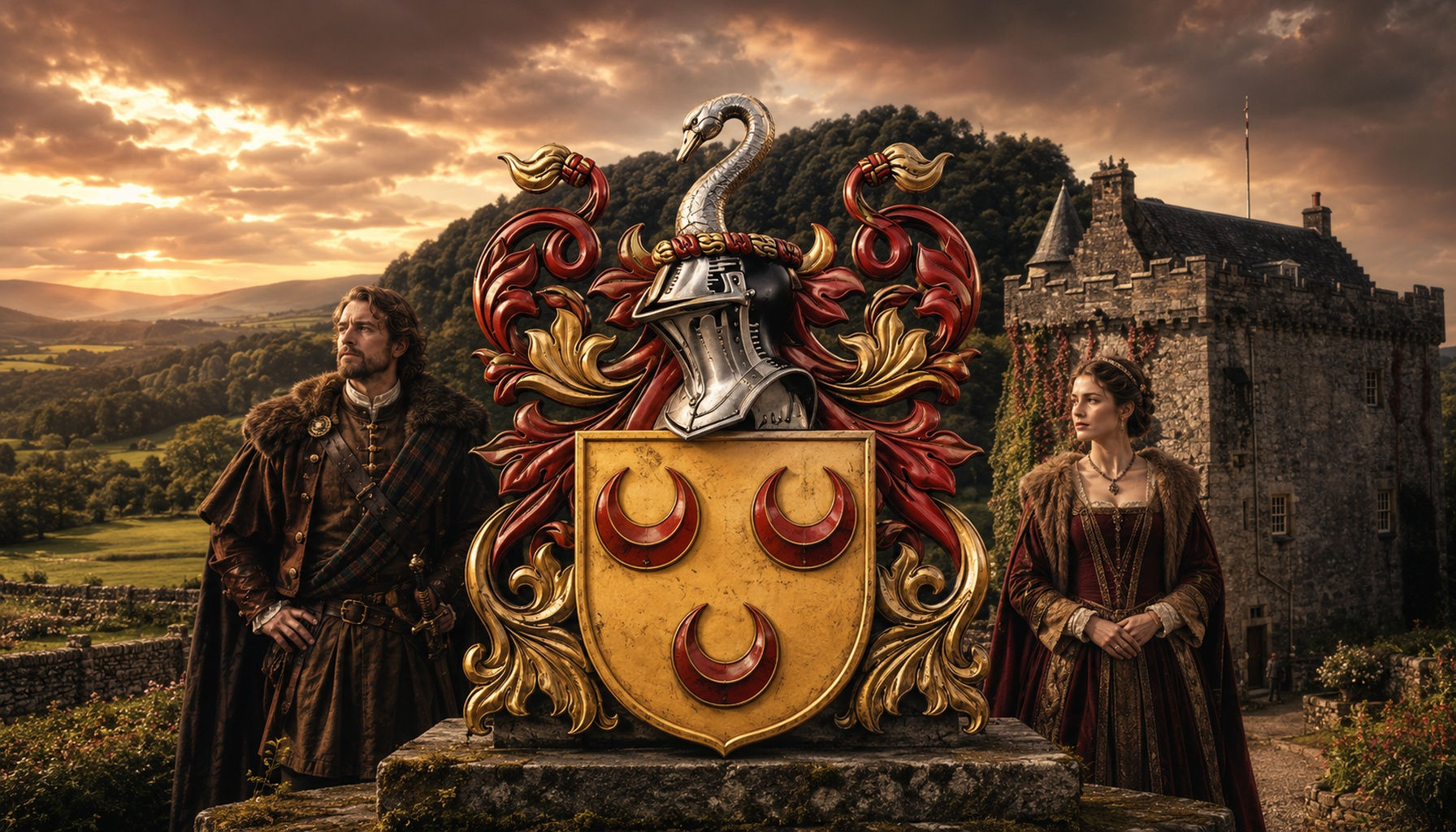
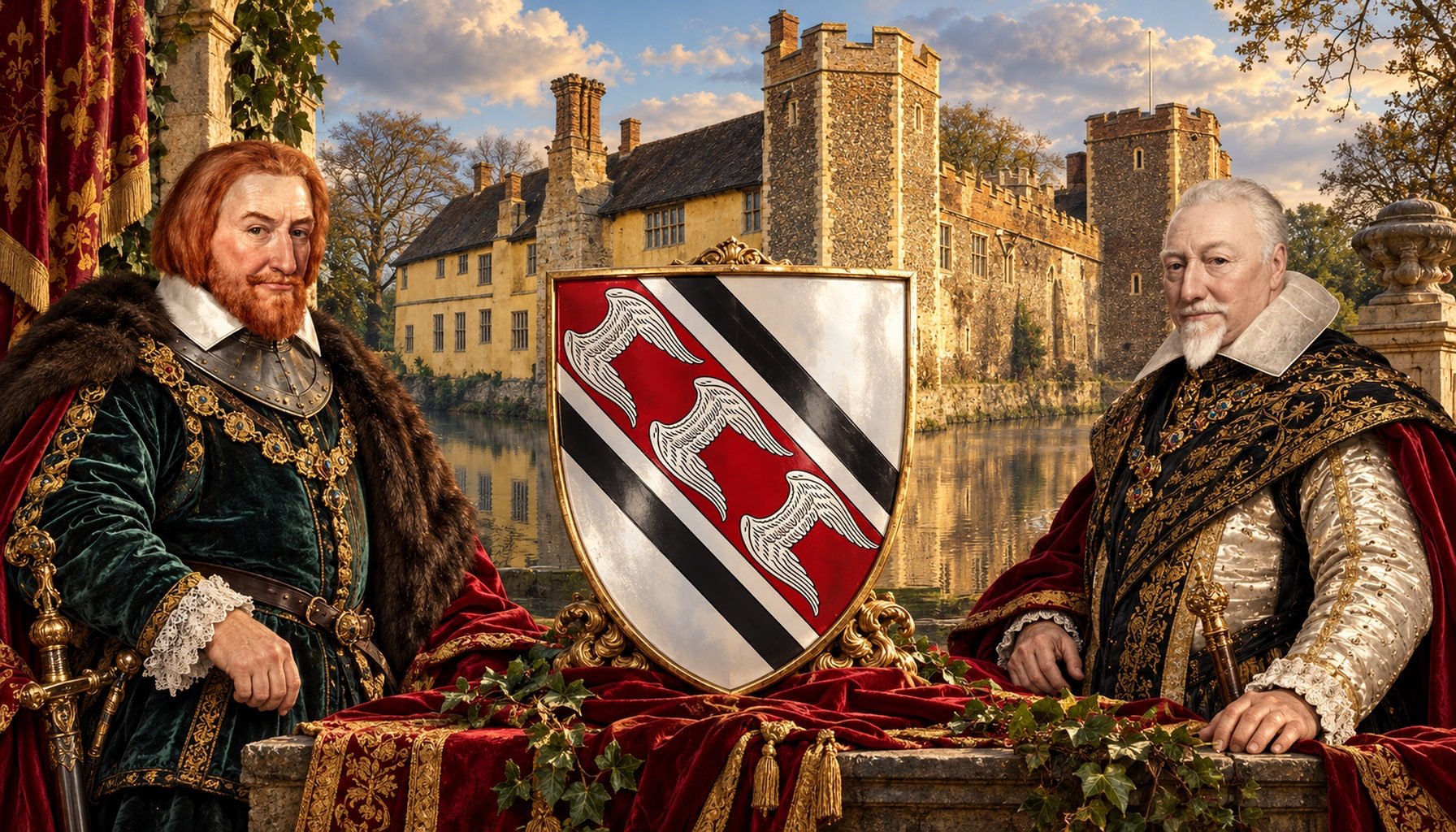
A particularly important location anchor for the Edmonstone tradition is Duntreath Castle in Stirlingshire, near the old frontier between Highland and Lowland Scotland. According to the castle's own historical presentation, Duntreath has been held by the Edmonstone family for many centuries and is regarded as one of Scotland's oldest continuously occupied family homes. That continuity matters because it turns a surname into something physical: stone walls, estate memory, marriages, loyalties, and the slow accumulation of local standing. The setting is not some fantasy fortress in the mist, but a real historic seat with a long family association and a place in the social geography of central Scotland. The castle has operated as a venue and heritage site in modern times, so it is reasonable to say that it can still be visited, at least by arrangement or through events, which gives the Edmondson and Edmonstone story a living landscape rather than a merely archival one.
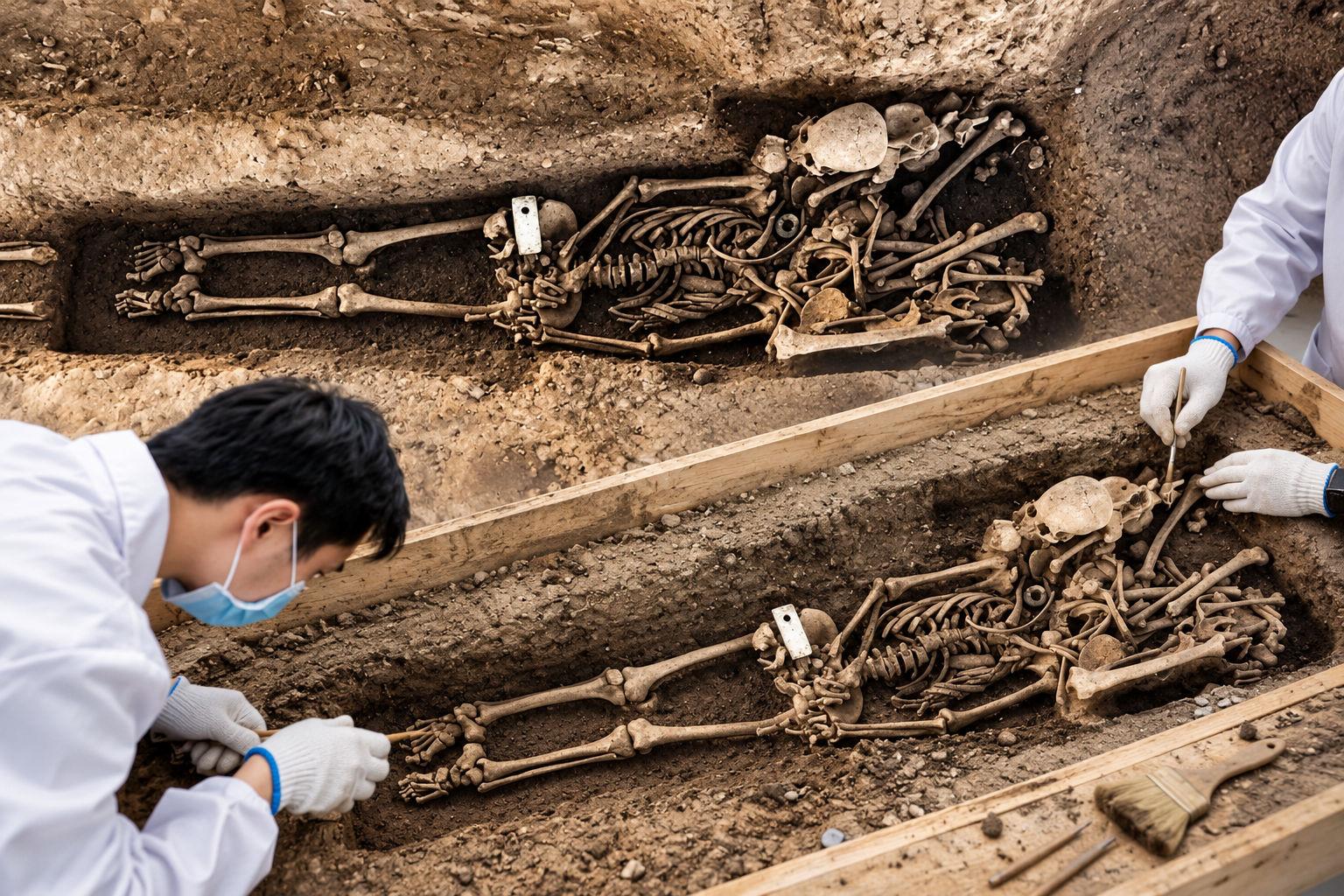
From the ancient DNA side, the haplogroup tag I1a1b1a1e2f2 connects the Edmondson story to a wider northern European genetic background rather than to any single proven ancestor. Related or linked samples include Iron Age Pommerania, Gdansk Wielbark PCA0480, Viking Age Sweden Uppsala Enbacken enb200, Early Viking Age Hundstrup on Sealand in Denmark VK296, and the Vendel Age Salme burials in Saaremaa, including Salme II-J VK549 and Salme II XXVIII VK511. These are not direct Edmondsons in any documentary sense, of course, but they help sketch the deeper world from which lineages of this kind emerged: the Baltic, southern Scandinavia, warrior mobility, trade routes, and the north sea networks that later fed into the historical populations of Britain and Scotland.
If you carry the Edmondson name, or an allied form such as Edmonstone, DNA can add an intriguing extra layer to the paper trail. Upload your DNA to MyTrueAncestry to see whether you match the Clan Edmondson profile or show links to related ancient DNA samples from Iron Age and Viking Age northern Europe.
Comments