Clan Craig
– 2 min read


Clan Craig is one of those very Scottish families whose name tells you a great deal before you even open a charter. "Craig" comes from the Scots and Gaelic landscape word for a rock, crag, or stony height, and that matters. This is a surname rooted in place: in outcrops, ridges, and rocky ground across Lowland Scotland, where people were often identified by the land beside which they lived. In that sense the Craigs were not a single mighty territorial dynasty ruling a vast principality, but a broad Scottish surname tradition shaped by locality, service, landholding, heraldry, and the stubborn continuity of family memory. The primary haplogroup linked here is I2a1b1a2b1a1a1a1.
Historically, the Craigs belong to that very familiar Scottish pattern in which a place-name becomes a lasting surname and then, over generations, a family identity. Men of the name appear in records as landholders, witnesses, local officials, and people woven into the ordinary but important machinery of Scottish life. One early named figure is Johannes Del Crag, recorded in 1335, whose name preserves the old topographic sense very plainly: literally, "of the crag." That is the point, really. Clan Craig grew not from one grand origin story, but from repeated attachment to place, public duty, and the ability of a name to endure while Scotland itself changed around it.
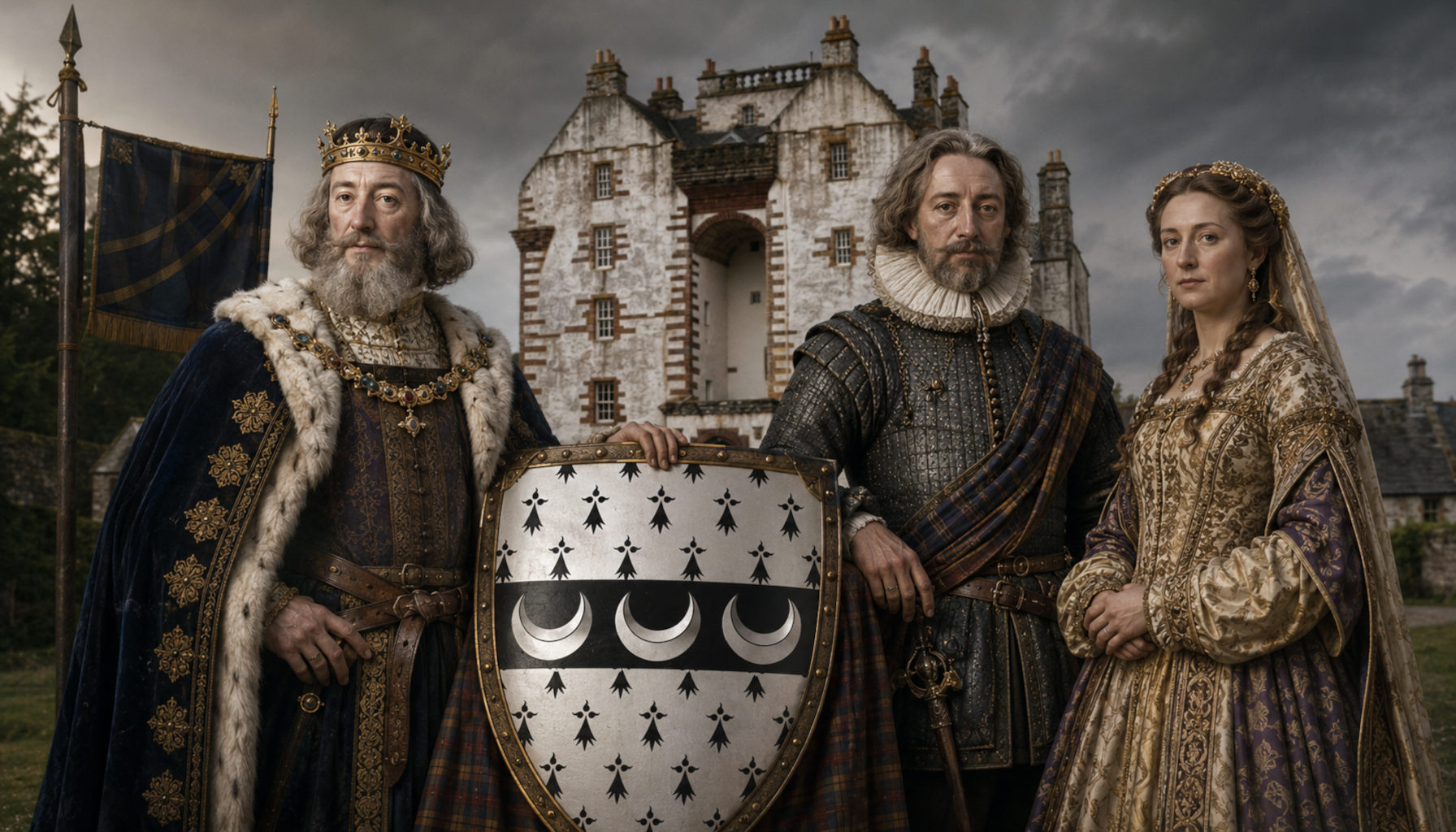
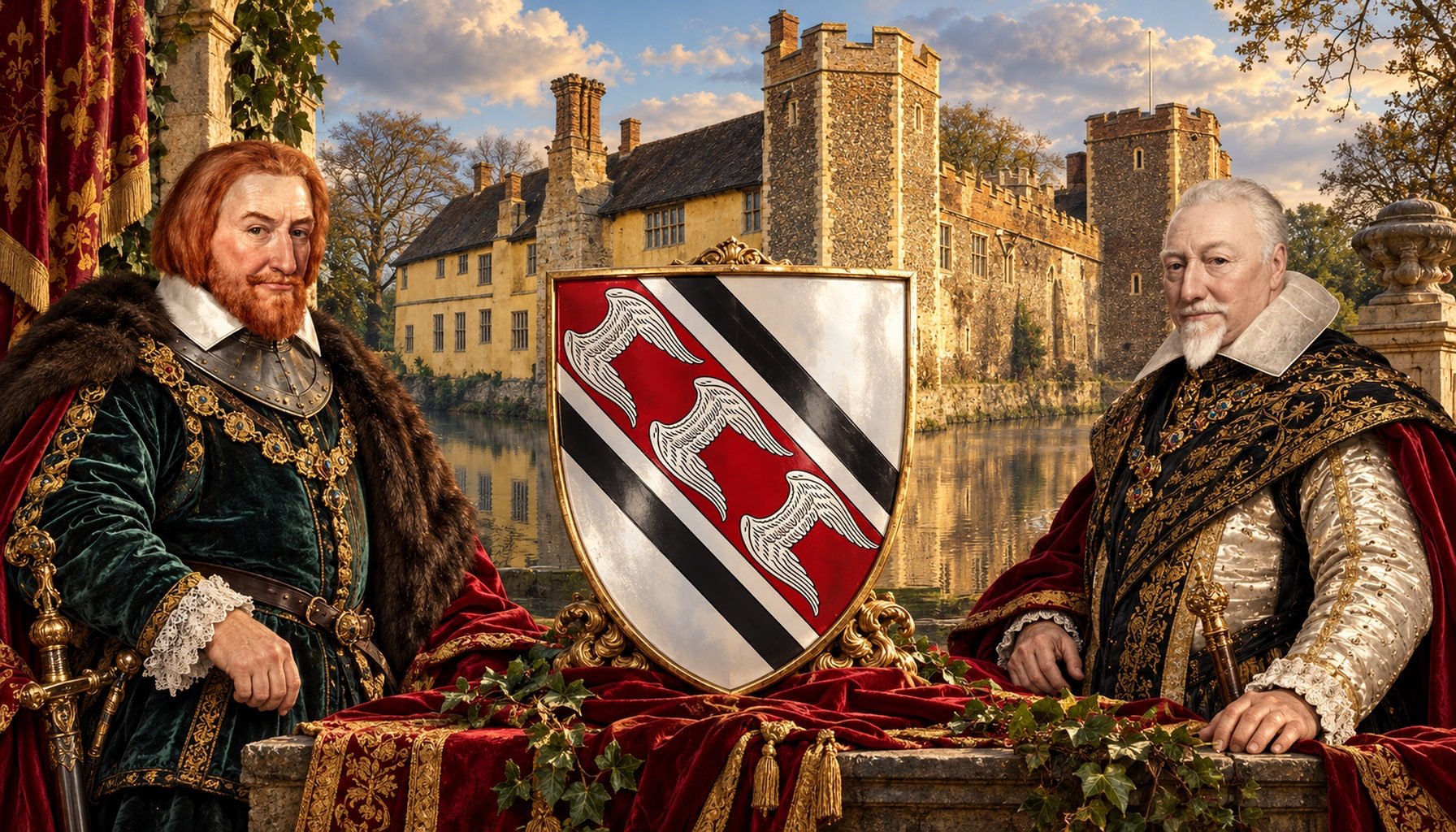
A fine location anchor for the family story is Craigston Castle in Aberdeenshire, near Turriff in the northeast of Scotland. The present castle was built in the later 16th century, beginning around 1604, for the Urquhart family, and it is widely admired as one of the most elegant examples of Scottish Renaissance domestic architecture. Its turrets, crow-stepped gables, and long developed estate landscape give it that unmistakable mixture of defensiveness and display that so many Scottish houses acquired in the age when lairds wanted both security and style. The interiors are noted for plasterwork and later additions, while the grounds evolved over centuries into a designed estate rather than a medieval fortress setting. Although Craigston Castle was not built as the primal seat of all Craigs everywhere, it serves beautifully as a symbolic anchor for the name because it preserves the same conversation between family, land, architecture, and continuity. It has been known to open for visits and events, so it can still be visited when public access is available.
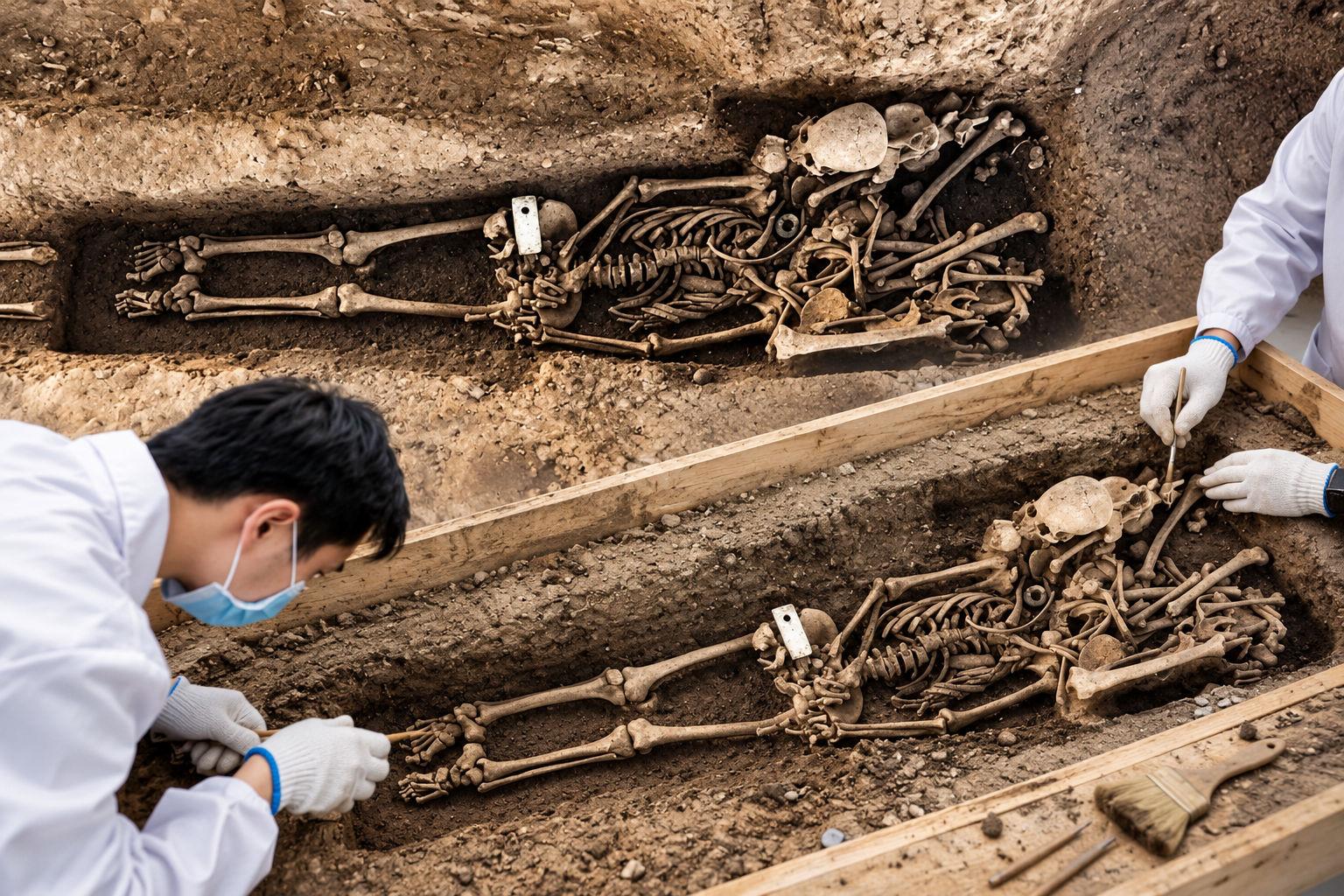
From the ancient DNA side, the haplogroup I2a1b1a2b1a1a1a1 connects Clan Craig to a wider and older European paternal story rather than to one provable single ancestor. Related or linked samples include YYY087A from the Soldier of Napoleon Grande Armee mass grave at Vilnius, ST0298 from medieval Sint-Truiden in Belgium, CGG107422 from the Danii tribal context at Kirkebjerggaard in Sjaelland, ADN013 from a Saxon grave at Hannover-Anderten in Lower Saxony, and VK332 from Viking Age Oland in Sweden. These are not evidence of direct descent from those individuals. What they do show is that this paternal line appears across a remarkably wide historical map: medieval towns, Scandinavian worlds, Germanic burial grounds, and even the wreckage of Napoleonic war. It is a reminder that a modern Scottish surname can sit atop a much deeper human journey.
If you carry the Craig surname, or simply suspect a connection to this rocky Lowland family tradition, the most interesting next step is to test the story against your own DNA. Upload your results to MyTrueAncestry and see whether you match Clan Craig, haplogroup I2a1b1a2b1a1a1a1, or any of the related ancient DNA samples that help illuminate the deeper past behind the name.
Comments