Clan Crawford
– 3 min read


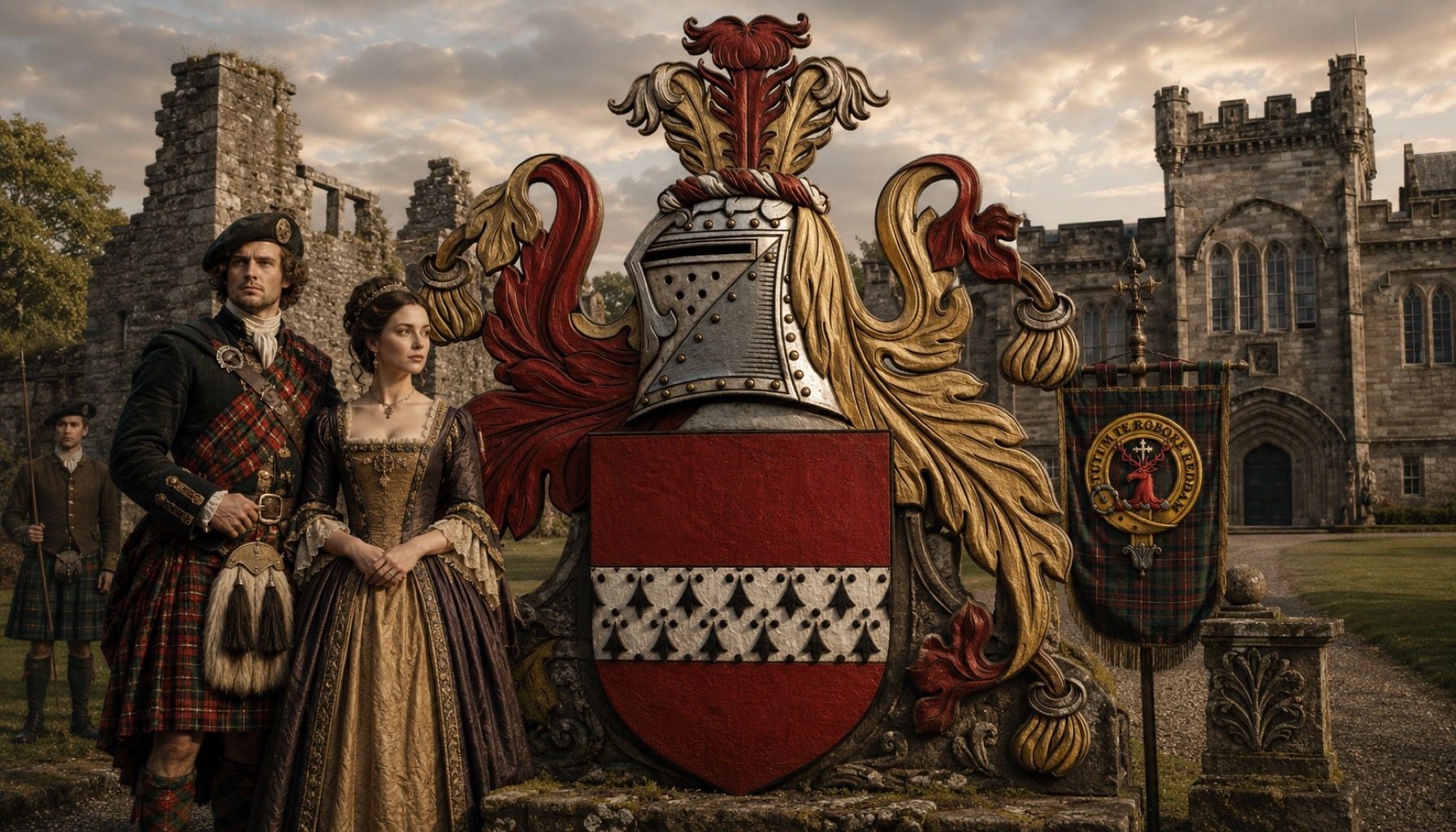
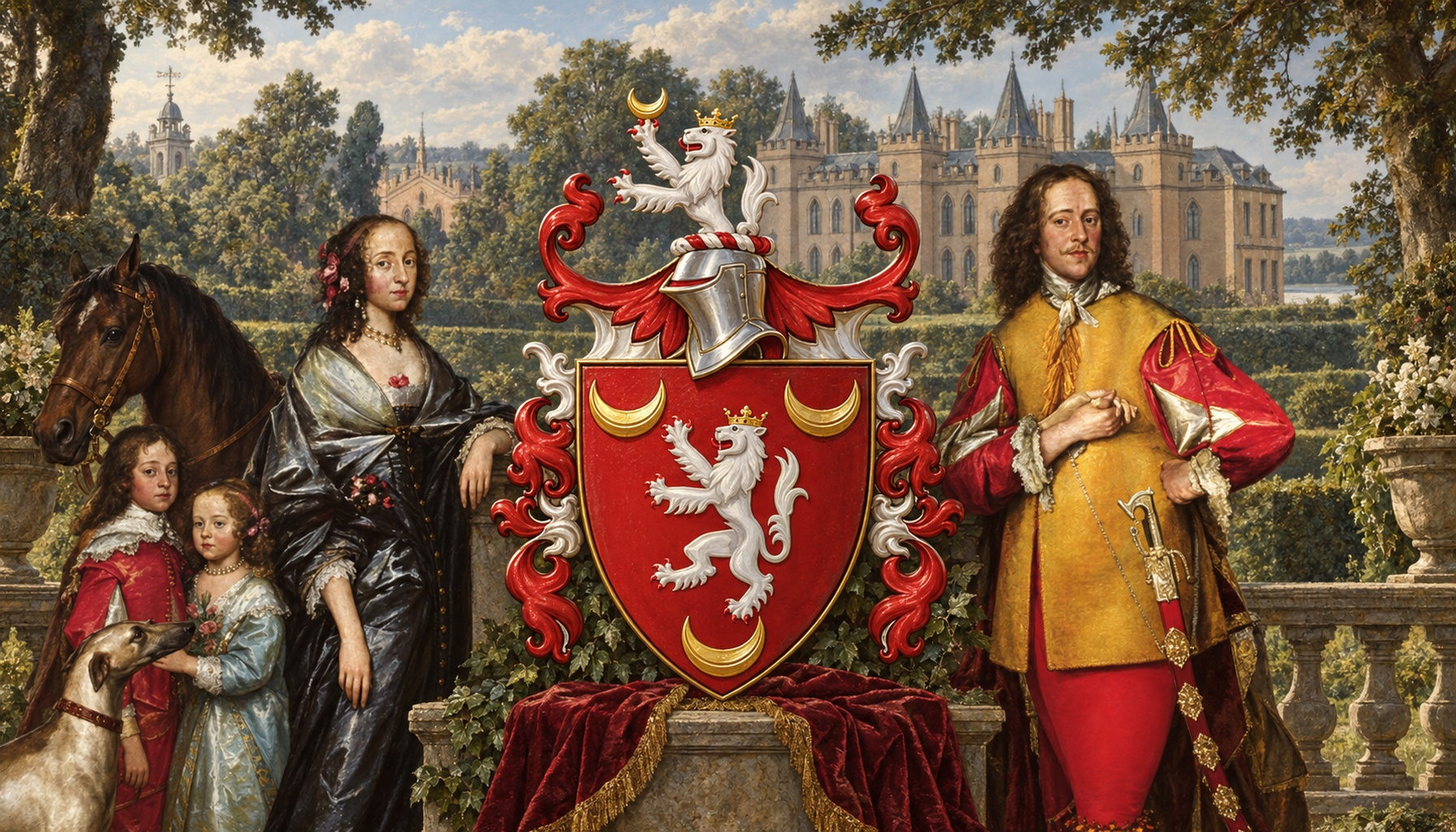
Clan Crawford was a Lowland Scottish landed family whose identity grew out of territory, service, and continuity rather than the more theatrical Highland model people often imagine when they hear the word clan. The name is territorial, tied to places in Lanarkshire and later strongly associated as well with Ayrshire, where landholding, local influence, marriage networks, and public duty shaped the family story over centuries. The primary haplogroup linked here is R1b1a1b1a1a2b1a1, a branch well represented across ancient and later western and central European contexts.
Historically, the Crawfords are a very Scottish kind of family in the Lowland sense: rooted in estates, remembered in heraldry, visible in military and civic service, and sustained by surname continuity. Their origins are generally taken from the lands of Crawford in Lanarkshire, where the family name first makes sense as a label of place and authority. From there, Crawford heritage expanded through cadet branches, local lordship, alliances, and service to crown and realm. One early named figure is Sir Reginald Crawford, recorded in 1296, a reminder that the family stands clearly within the documentary world of late 13th-century Scotland, when land, fealty, and survival were inseparable.
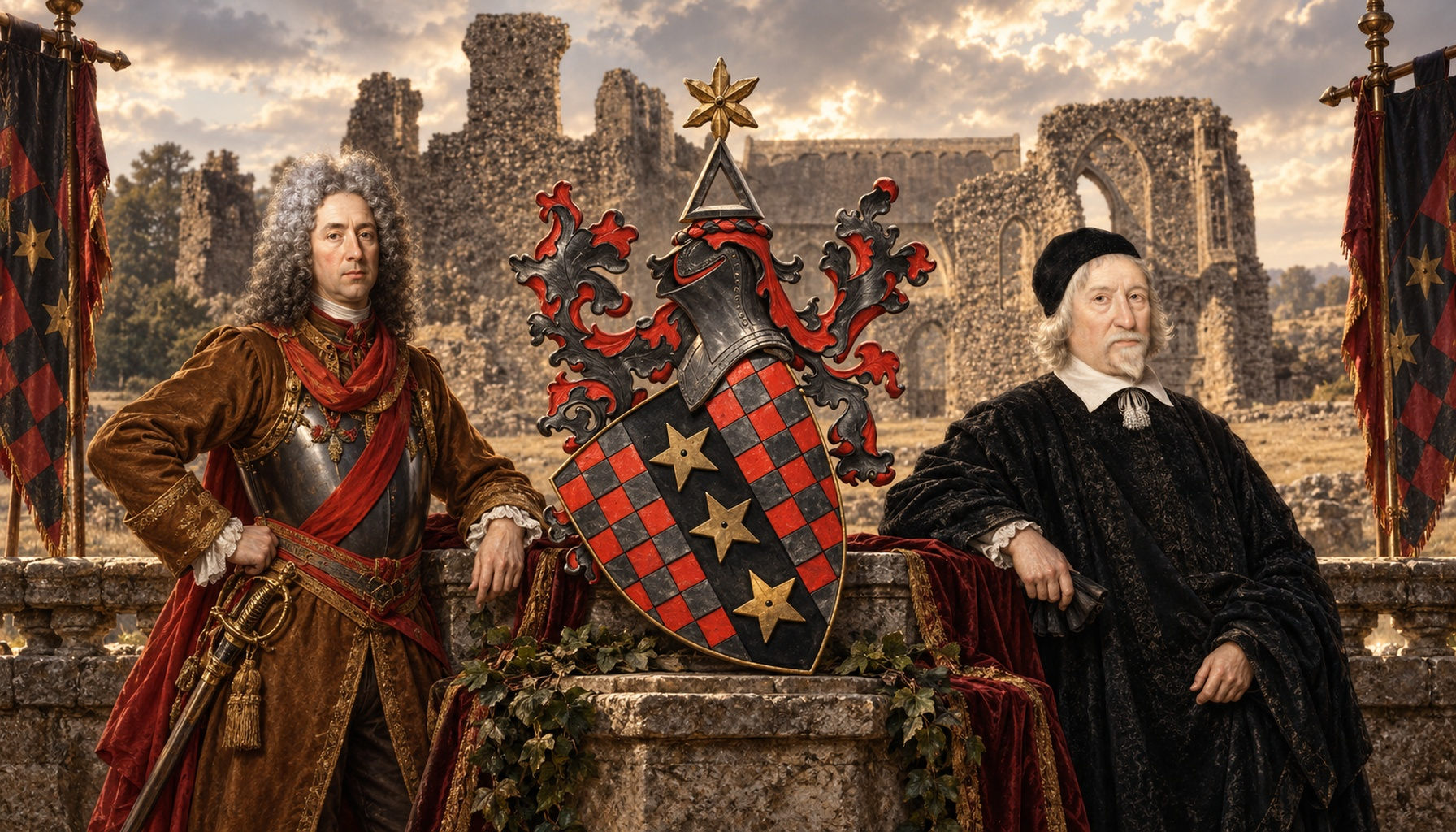
One of the most evocative Crawford anchors is Auchinames Castle in Renfrewshire, long associated with the Crawfords of Auchinames and the barony that carried their name into the local political landscape. The barony of Auchinames reflects exactly how a Lowland family operated: not as an abstract blood label, but as a lived connection between estate, jurisdiction, tenants, neighboring families, and regional standing. The site developed as part of a wider feudal and post-feudal landed world in which the family seat mattered because it fixed memory onto the ground. Auchinames Castle itself survives as a ruin, and that matters too, because ruins are often more honest than later romantic stories. They show where a family actually stood in stone. Based on its surviving remains and documented local interest, it is reasonable to say the site can still be visited, though visitors should always check current access and conditions before making a special trip.
The haplogroup R1b1a1b1a1a2b1a1 connected with Crawford heritage belongs to a much older European paternal story, and ancient DNA gives that story real texture. Related or linked samples appear in Celtic and Iron Age settings such as Durotriges England Duropolis Winterborne Kingston (WBK13), Gallo-Celtic Switzerland Pont de Cornaux-Les-Sauges (3429, 3431, 3439), Celtic Briton Pocklington Yorkshire England (I13758), Iron Age Hillfort Broxmouth East Lothian Scotland (I16422), and Late Iron Age North Yorkshire Scorton Quarry (I14097). The same broader paternal line also turns up in Bronze Age contexts including Leubingen Sommerda Germany samples such as LEU025 and LEU055, Bell Beaker and Copper Age Brandysek in Czechia such as I7249 and I7278, the Amesbury Archer from Bronze Age England (I14200), Longniddry Bronze Age Scotland (I2656), and a wide spread of central European Bronze Age burials. Later related appearances include Etruscan Tarquinii samples TAQ018A and TAQ018B, Roman and post-Roman individuals, medieval Belgium ST1298, Piast-associated samples PCA0391, PCA0618, and PCA0252, and even Viking Age Oxford sample VK177. None of this proves direct descent from any one ancient individual, of course. What it does show is that the Crawford-linked paternal branch belongs to a remarkably widespread and durable strand of European male-line history, stretching from Beaker and Bronze Age communities through Celtic worlds, Roman-era populations, and medieval elites.
If you carry the Crawford surname, have Crawford ancestors in Lanarkshire or Ayrshire, or simply want to see how your DNA fits into this longer Scottish and European story, you can upload your DNA to MyTrueAncestry and explore whether you match the family profile or any of these related ancient DNA samples.
Comments