The Talbot Family
– 3 min read


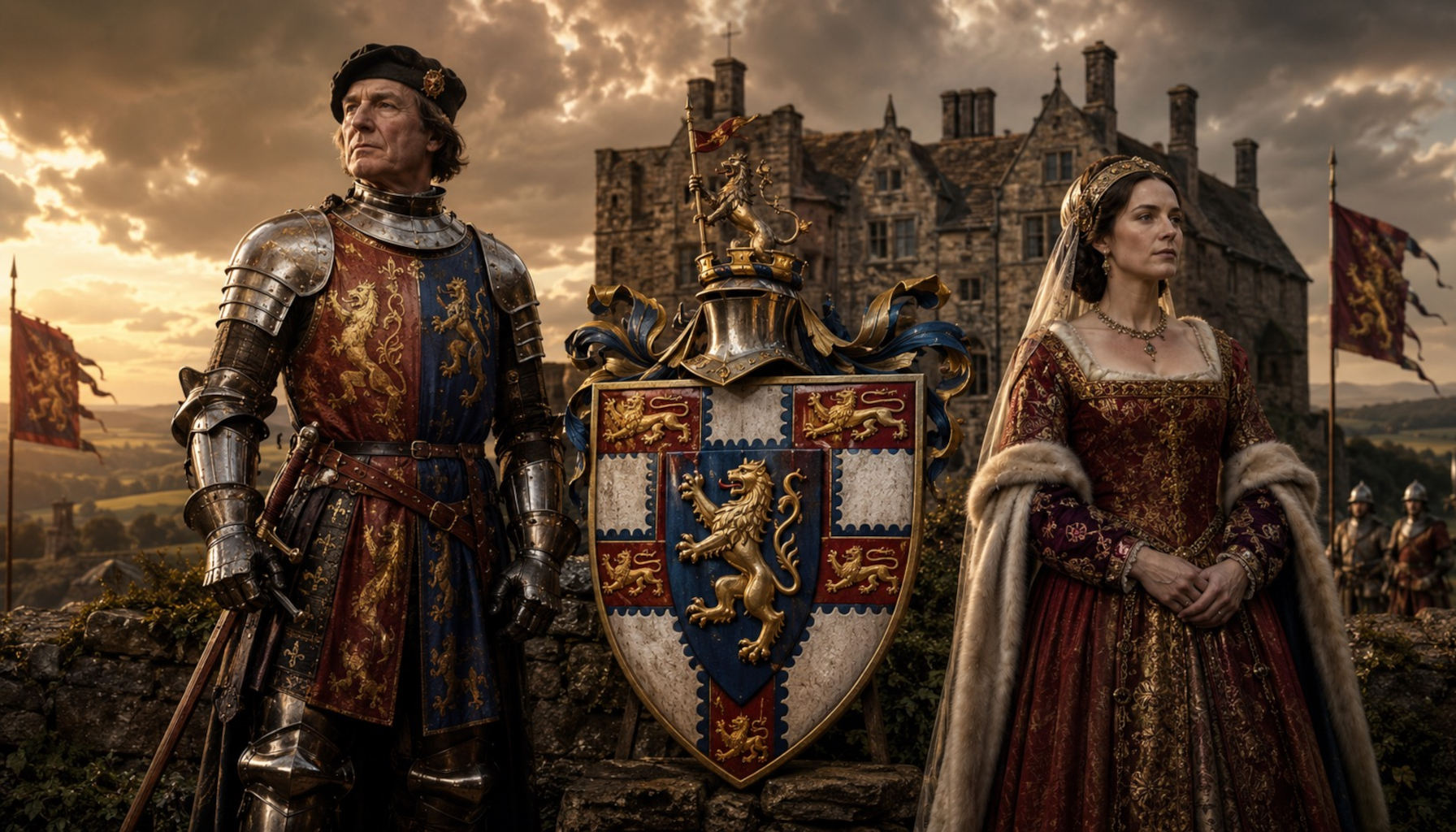
The Talbot family was one of the great Anglo-Norman and later English noble houses, rooted above all in Shropshire, the Welsh Marches, and the earldom of Shrewsbury. Their story belongs to that hard-edged frontier world where castles, lordship, warfare, and royal service all ran together. Emerging from the Norman and marcher aristocracy after the conquest era, the Talbots built their standing through military reputation, loyal service to the Crown, and strategic marriage into other powerful families. In genetic tagging terms, the primary haplogroup linked here is R1b1a1b1a1a2c1a1e1, a branch within the broad western European R1b line often seen in ancient and historic contexts across Britain and the Continent.
The family background is richer than a simple list of titles. The Talbots were not just grandees in velvet; they were a border dynasty shaped by the political weather of medieval Britain. The Welsh Marches demanded men who could command troops, hold land, negotiate alliances, and sometimes terrify their enemies. That world helps explain why the Talbot name became so associated with martial nobility. Among the figures attached to the family story are Hugh Talbot (1005-1077), placed in the early Norman background of the line; John Talbot, 1st Earl of Shrewsbury (1387-1453), the formidable captain of the Hundred Years' War whose fame for courage became almost legendary; and George Talbot, 6th Earl of Shrewsbury (1528-1590), a major Tudor magnate whose career shows the family still operating at the highest level of English politics long after the medieval frontier age had changed.
Read more about the Stafford family
A fine location anchor for the Talbot world is Goodrich Castle, in Herefordshire, close to the Wye and in that broader Marcher zone where authority was always tied to landscape. Goodrich is one of the best-preserved medieval castles in England, with its dramatic curtain walls, great tower, gatehouse defenses, and commanding position above the river route. The site began as an early Norman stronghold and was later rebuilt in stone, developing into the striking concentric-looking fortress visitors see today. Though not exclusively a "Talbot castle" in the sense of single-family possession across all centuries, it belongs powerfully to the same marcher environment that made families like the Talbots important: a world of defended lordship, regional control, and military display. It also had a vivid later history in the English Civil War, when it was besieged and slighted, which only adds to its atmosphere. Crucially for anyone following the family through place as well as pedigree, Goodrich Castle can still be visited today, and it remains one of those rare sites where the fabric of noble power is still very easy to feel in the stone.
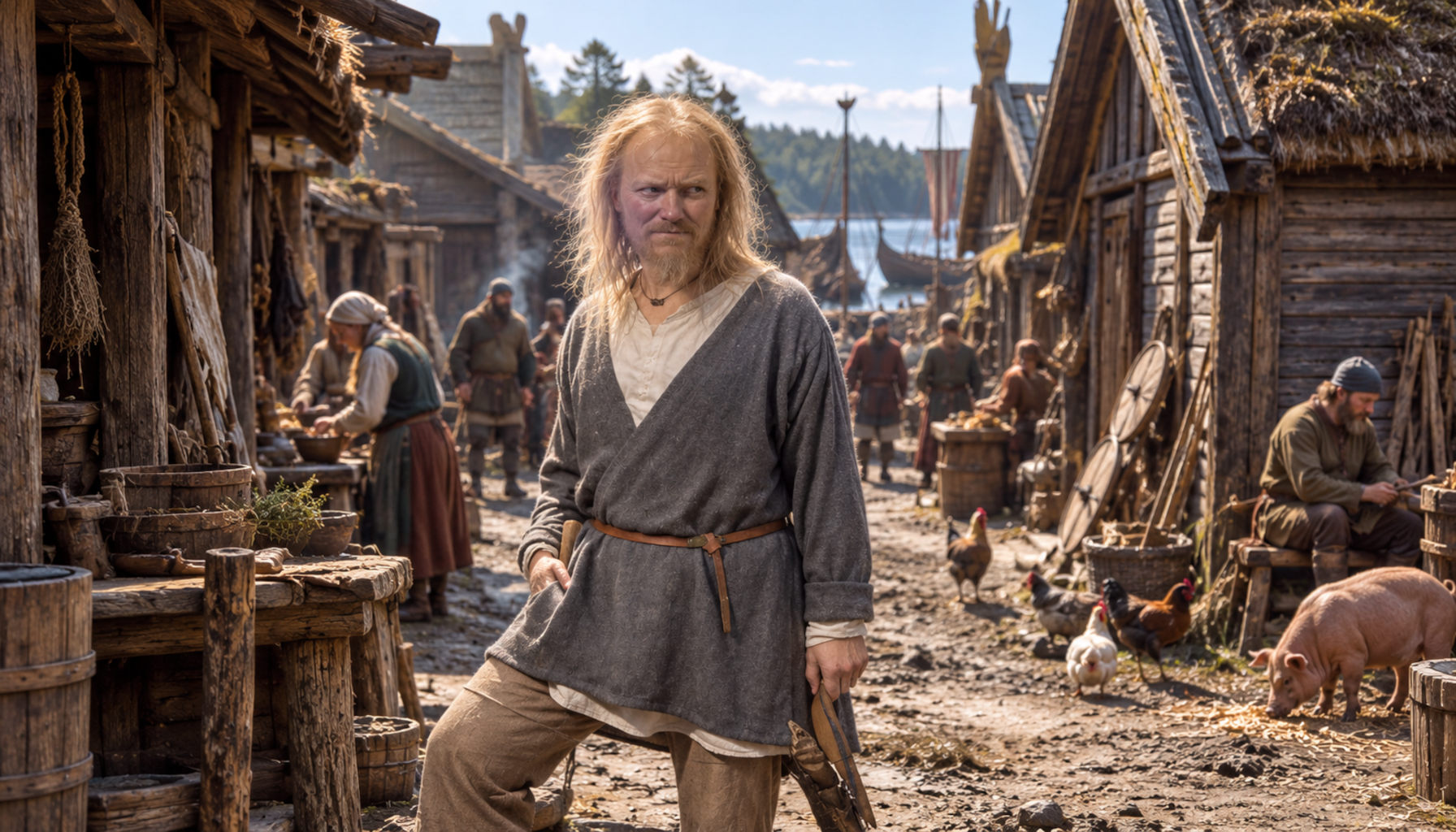
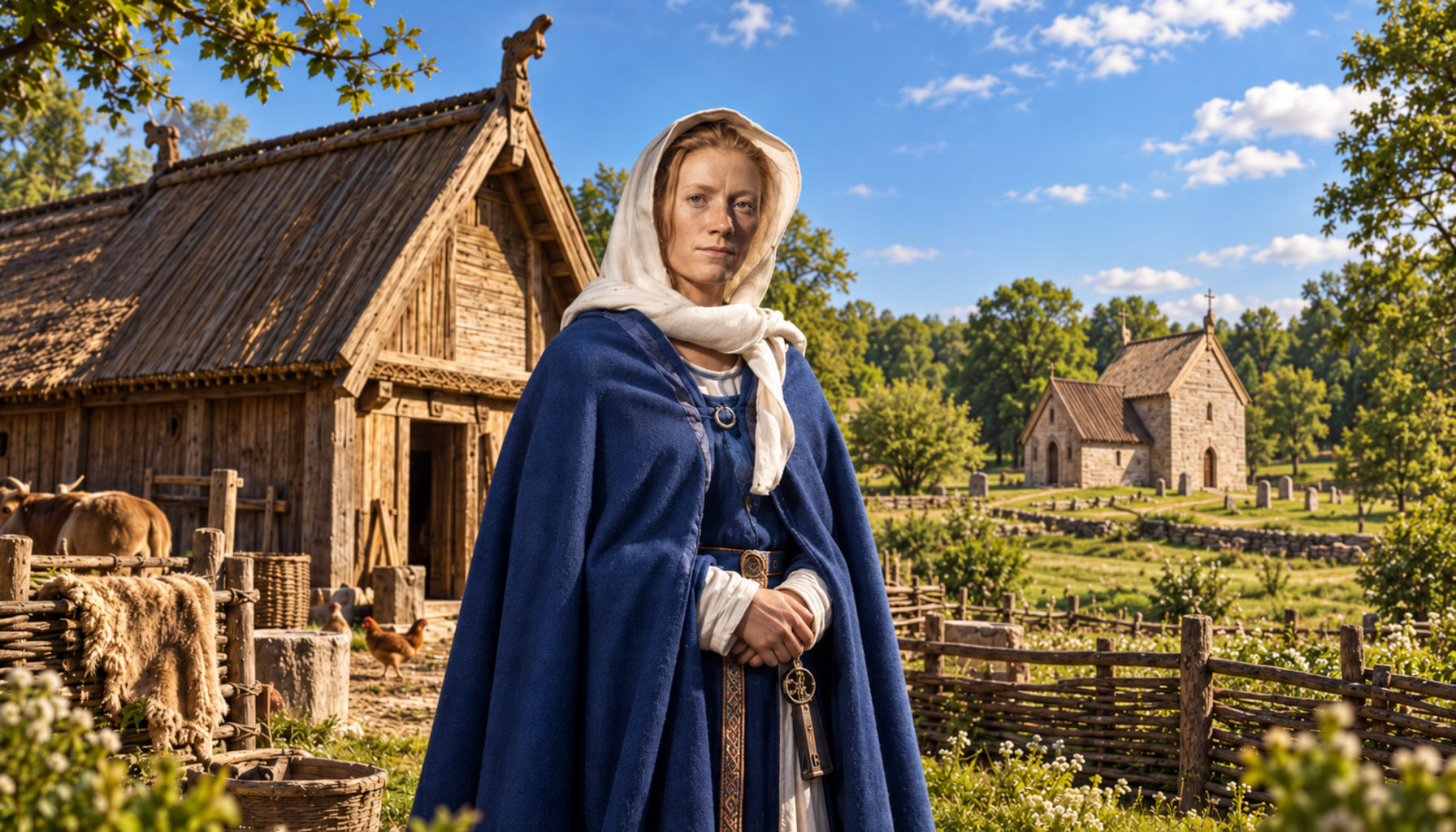
From an ancient-DNA perspective, the Talbot haplogroup tag R1b1a1b1a1a2c1a1e1 can be placed in a much deeper and wider historical frame through related or linked samples rather than any claim of direct descent. These include Roman Era England Knobbs Farm Somersham KNF006; multiple Celtic Durotriges samples from Duropolis, Winterborne Kingston in England, including WBK12, WBK20, WBK29, WBK41, WBK05, WBK30, WBK43, WBK06, WBK08, WBK18, and WBK191; Imperial Roman Era Zadar Croatia I26776; Bronze Age Orkney Westray Links of Noltland KD061; Post Roman Period Szeleste Savaria Pannonia Prima Hungary SZL013; Bronze Age Calabria Cosenza Grotta della Monaca Sant Agata di Esaro GMO015; Early Medieval Belgium Sint-Truiden Groenmarkt ST2025; Medieval Belgium Outsider Sint-Truiden Onze-Lieve-Vrouwekerk ST1308; Gallic France CGG023647 from Maisey-le-Duc and CGG023699 from Parancot; Post Roman Era Worth Matravers Dorset England I11580; Merovingian Grave Alt-Inden Germany IND013; Late Roman Klosterneuburg Lower Austria R10656; Late Roman Conimbriga Portugal R10488; Celtic Briton Yarnton Oxfordshire I21182; Iron Age Worlebury Somerset I11991; Iron Age Battlesbury Bowl I21309; Bronze Age Trumpington Meadows I3256; Bronze Age Amesbury Down I2417; Bell Beaker Upavon Wiltshire I4950; Bell Beaker Canada Farm Dorset I5379; Bronze Age Bedfordshire I7576 and I7577; Bronze Age Boatbridge Quarry South Lanarkshire I5473; Celt Hinxton Iron Age HI2; Early Bronze Age England Thames I5377; Ireland Copper Age Rathlin2B; and Norwegian Viking Iceland STT-A2. What this gives us is not a neat family tree stretching back into prehistory, but something more interesting: a sense that the Talbot-associated paternal line belongs to a long and well-attested western European genetic story, moving through Bell Beaker, Bronze Age, Iron Age, Romano-British, post-Roman, and medieval worlds.
Read more about the Herbert family
If you are exploring Talbot heritage, the exciting question is not whether legend can be made to behave like a document, but whether your own DNA may show links to the same wider ancient populations and haplogroup story. Upload your DNA to MyTrueAncestry to see whether you match the Talbot family profile or any of the related ancient DNA samples connected with R1b1a1b1a1a2c1a1e1.
Comments