The Svedenborg Family
– 3 min read


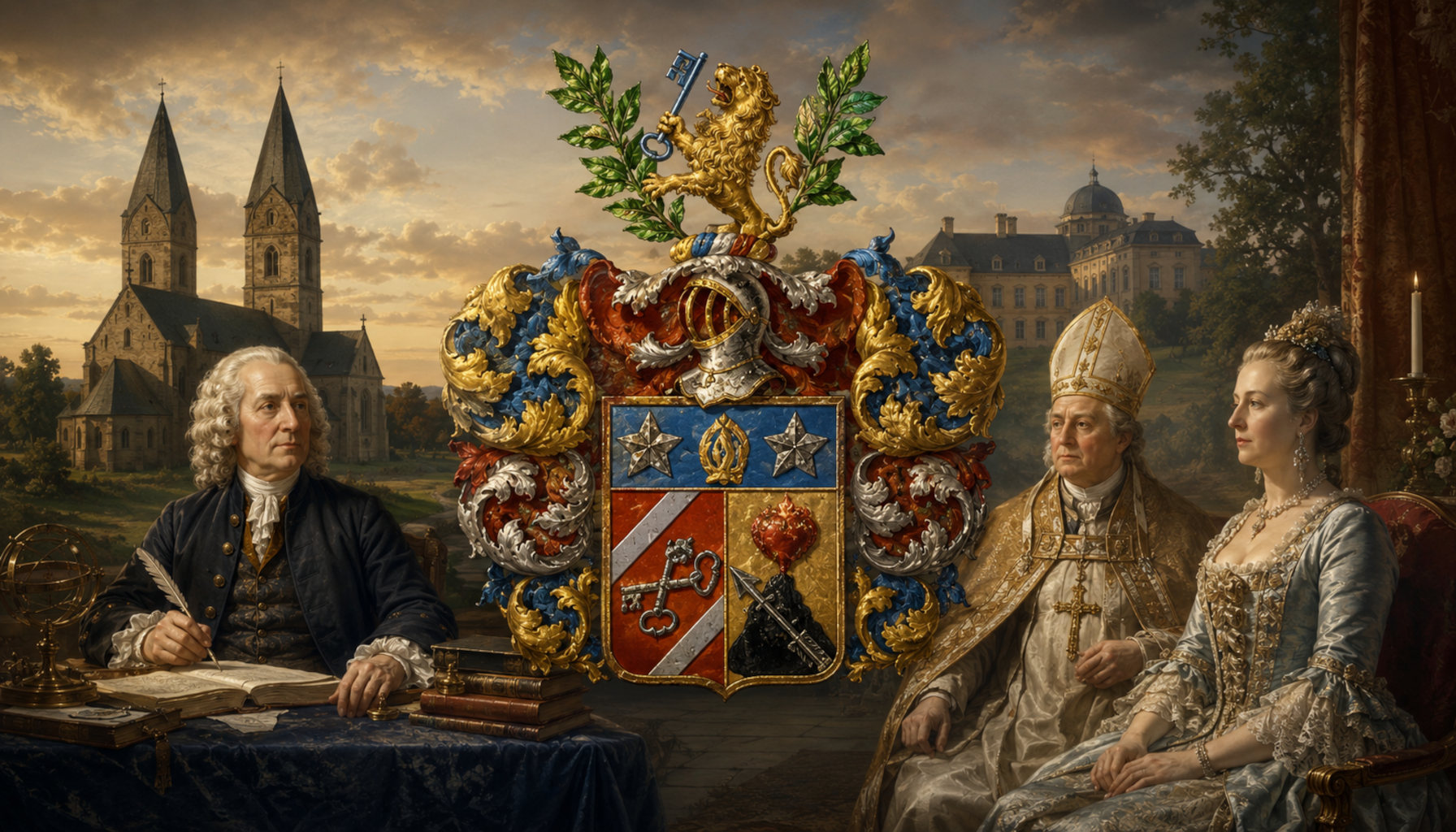
The Svedenborg family was a Swedish noble family, formally introduced at Riddarhuset in 1720 as noble family no. 1598, and it rose from learned clerical roots rather than from old battlefield aristocracy. Its story begins at Sveden near Falun in Dalarna, where Jesper Svedberg was born in 1653, and where the family name ultimately anchored itself in place as much as in pedigree. The primary family haplogroup linked here is I1a2a1a1d1a1a2c13, a branch associated with deep Scandinavian paternal history. In historical terms, the family is fascinating because it shows how scholarship, church office, royal service, and state administration could lift a family into the Swedish nobility in the early 18th century.
Jesper Svedberg became one of the major Swedish churchmen of the Carolinian age, that period of Swedish power and strain under the later 17th-century kings. He studied at Uppsala and Lund, served as court preacher, professor of theology, dean of Uppsala, and later bishop of Skara, while also contributing to Sweden's hymn tradition as a noted hymn writer. His children were ennobled in 1719 under the name Svedenborg, and among them the most famous was Emanuel Svedberg, later Emanuel Swedenborg (1688-1772), who moved with extraordinary ease between science, engineering, mining administration, philosophy, and visionary theology. Other members of the family served in the military, travelled to England and New Sweden, and married into clerical, noble, and official circles, making the family a neat window into how Sweden's educated elite connected church, state, empire, and ideas across the Baltic and beyond.
Read more about the Bure Family
One of the best places to anchor the Svedenborg story is Uppsala University, because this was not just a school on a biography line but one of the great engines of Swedish intellectual life. Founded in 1477, it is the oldest university in Sweden and among the oldest in northern Europe. After difficult early periods, it was strongly revived in the late 16th and 17th centuries and became central to the making of Sweden's clergy, administrators, scholars, physicians, and men of science. By Jesper Svedberg's time, Uppsala stood at the heart of a growing state that needed educated servants in church and government alike. The university is also tied to a remarkable scholarly tradition, later associated with figures such as Carl Linnaeus, and its historic buildings, collections, and academic setting still make it one of the most evocative heritage sites in Sweden. Yes, it can still be visited, and for anyone interested in the world that formed the Svedenborgs, it offers a very direct sense of the academic and ecclesiastical culture that helped make this family's rise possible.
Explore the Lagerbielke Family
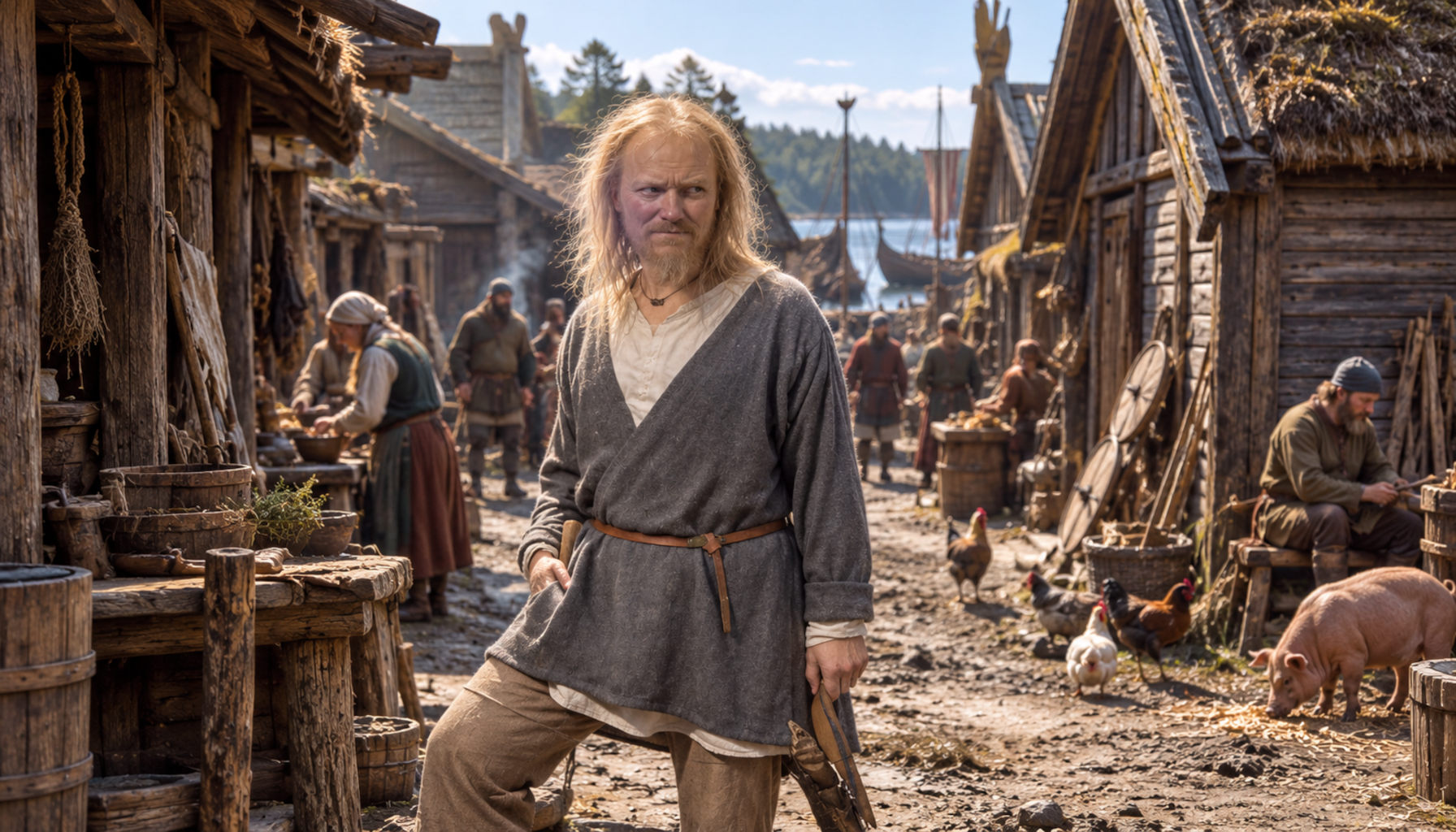
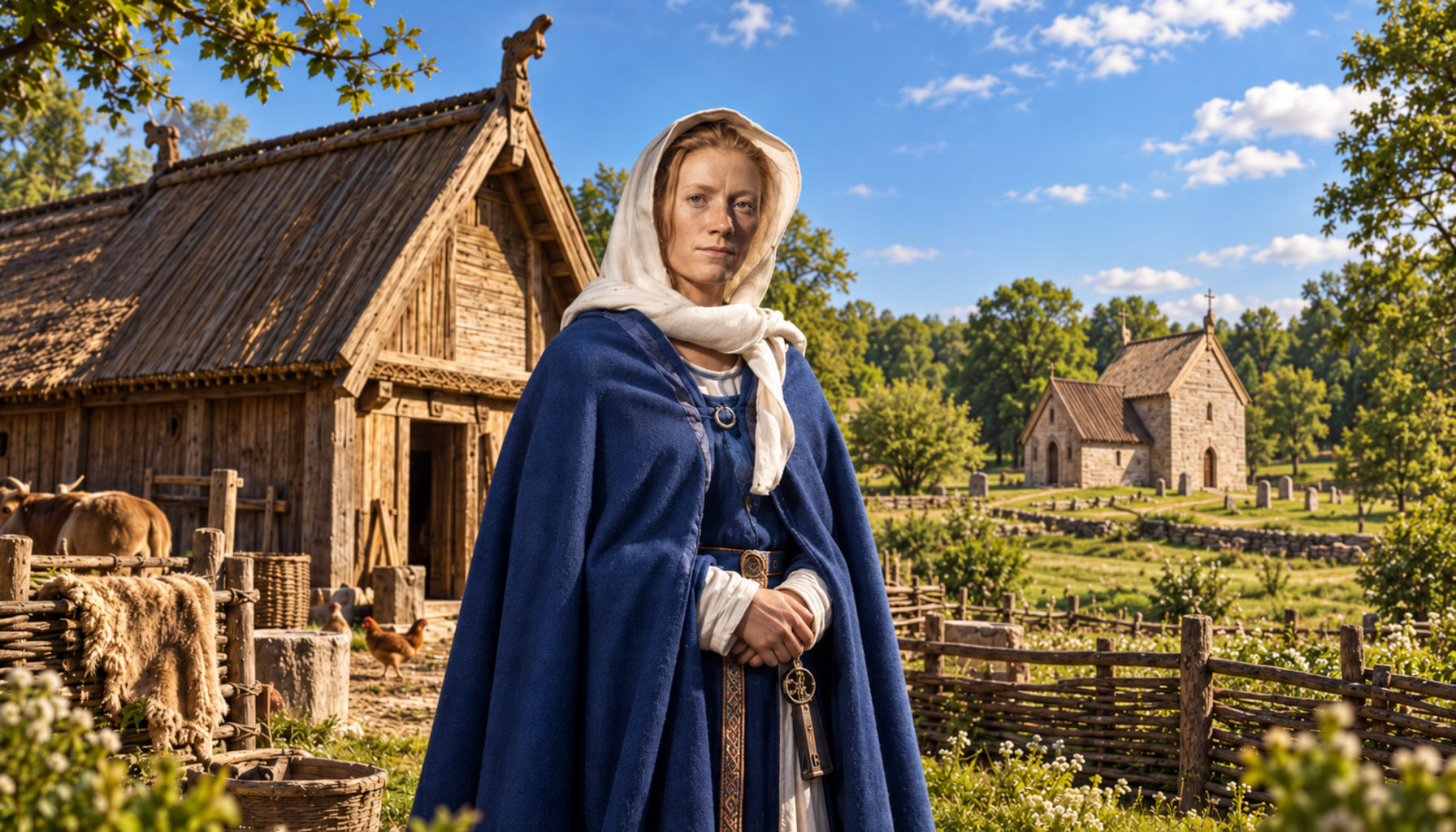
From the ancient DNA side, the haplogroup I1a2a1a1d1a1a2c13 links the family to a wider Scandinavian and north European story rather than to any single proven individual ancestor. Related or linked ancient samples include Viking Age and earlier finds such as VK146 from the St. Brice Massacre in Oxford, VK524 from a Viking Age boat burial in Nordland, Norway, VK515 from a Viking Age warrior at Ronvik in Nordland, and several Vendel Age Salme burials from Saaremaa, including VK491, VK483, VK485, VK490, and VK497. There is also I10865 from Roman-era Empuries. These do not prove direct descent from the Svedenborg family, of course, but they help sketch the deeper population background of the paternal line: one spread across the Scandinavian world, the Baltic sphere, raiding and trading networks, and even farther south into the wider movements of ancient Europe.
Read more about the Royal House of Bernadotte
The Svedenborg family is a splendid reminder that noble history is not always about ancient castles and inherited swords. Sometimes it is about books, sermons, laboratories, mines, ships, and the astonishing social climb of a family rooted near Falun that reached into the highest circles of Swedish religion and thought. If you want to explore whether your own DNA matches the Svedenborg family or related ancient DNA samples, you can upload your DNA to MyTrueAncestry and see where your story connects.


Comments