The House of Nugent
– 3 min read


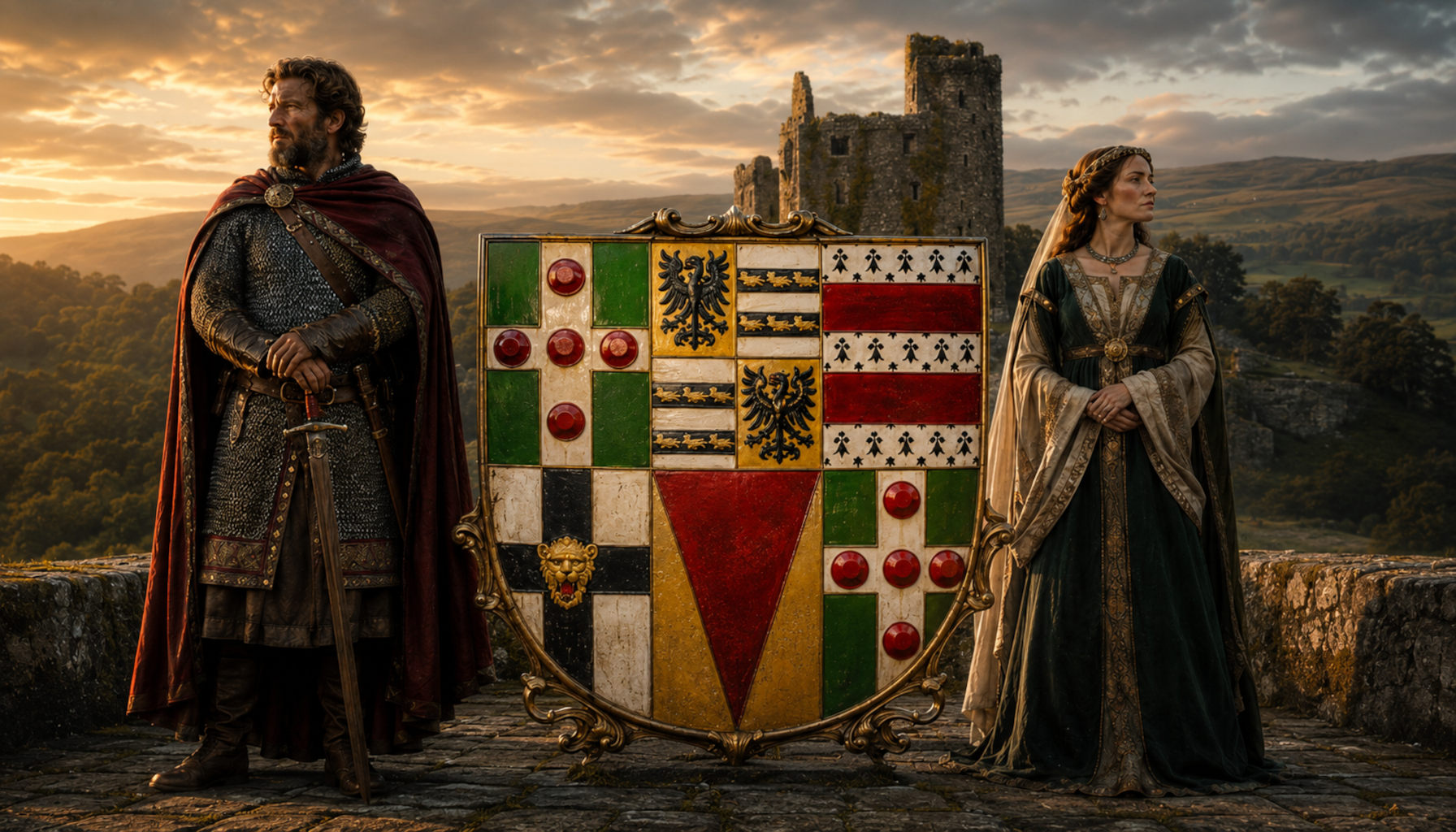
The House of Nugent was one of the great Anglo-Norman noble families of Ireland, long associated with Meath and Westmeath and with the layered world of medieval and early modern lordship. In broad historical terms, the Nugents fit a pattern seen again and again after the Norman arrival in Ireland: a family of continental and Anglo-Norman background established through conquest, land grants, feudal service, marriage strategy, and political usefulness, which in time became deeply rooted in Ireland itself. Their primary family haplogroup is linked here as R1b1a1b1a1a2c1a, a lineage found across a wide swathe of ancient and medieval western and central Europe.
The family name ultimately points back to Nogent in northern France, part of the wider world from which many Norman and Anglo-Norman lineages emerged before moving into England and then Ireland. Once in Ireland, the Nugents were not merely passing landlords. They became baronial power-brokers, office holders, military men, and regional magnates, especially around Delvin and the midlands. Over generations they developed that familiar but fascinating Norman-Irish dual identity: proud of aristocratic ancestry, yet unmistakably Irish in political entanglements, alliances, and local standing. Figures such as Richard Nugent, 1st Baron Delvin (d. 1475), Richard Nugent, 1st Earl of Westmeath (1583-1642), and Thomas Nugent, 4th Earl of Westmeath (1669-1752) show the long arc of the family story, from late medieval lordship to the complicated confessional and political upheavals of early modern Ireland.
A particularly vivid Nugent anchor is Clonyn Castle in County Westmeath, near Delvin, a place that embodies both continuity and reinvention. The present house is a castellated country residence dating largely to the 19th century, built for the Nugent family on the Clonyn estate and associated with the Earls of Westmeath. It is not a grim medieval fortress in the storybook sense, but rather one of those Irish aristocratic houses that deliberately borrowed the language of the castle to project lineage, memory, and status. That is precisely what makes it interesting: it tells us how noble families in Ireland curated their own past. Clonyn also became known in the 20th century as a residence connected with members of the exiled French royal Bourbon family. The castle remains a recognizable historic site today, and it has operated as visitor accommodation, so it is reasonable to say that it can still be visited in some form.
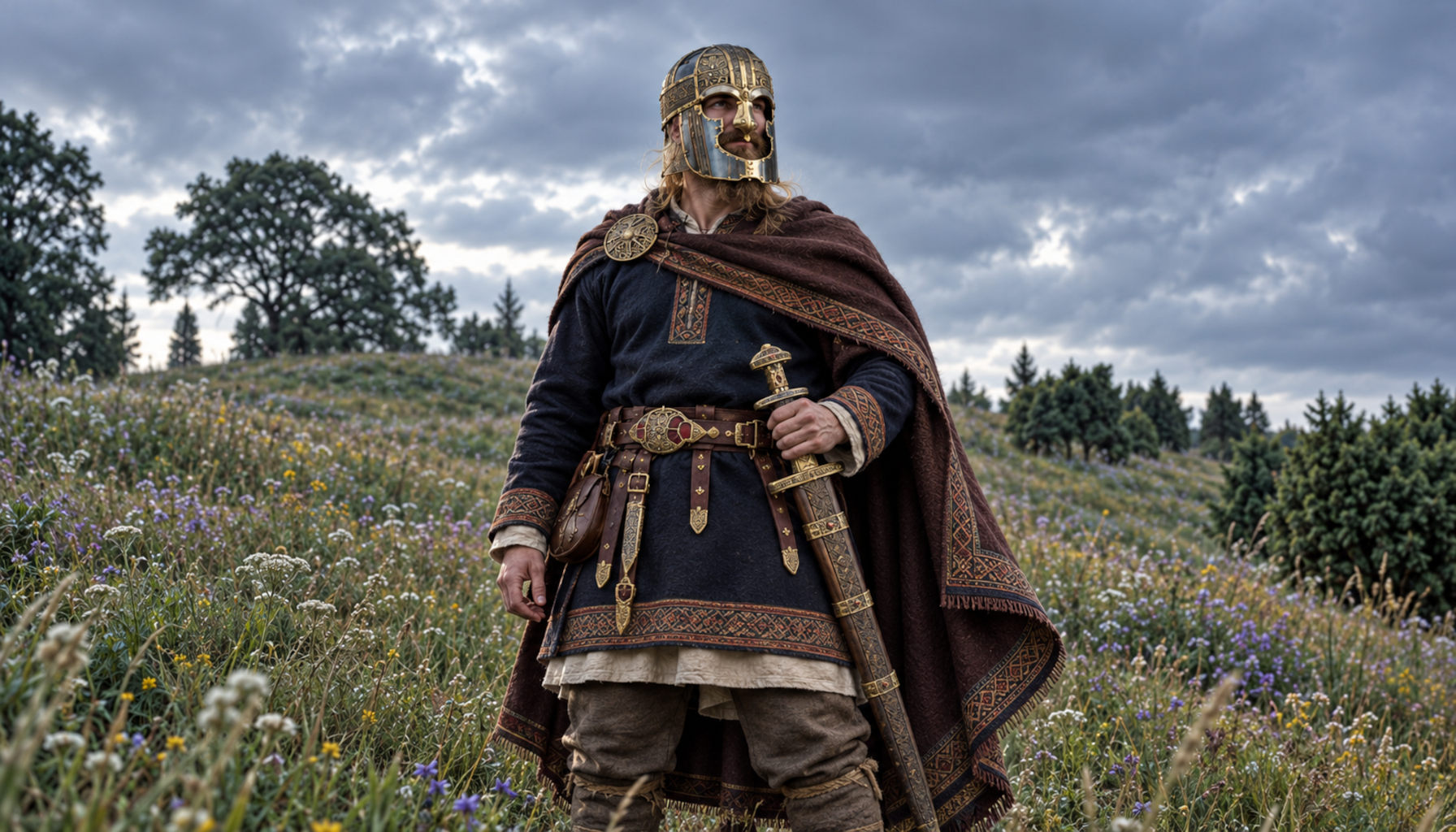
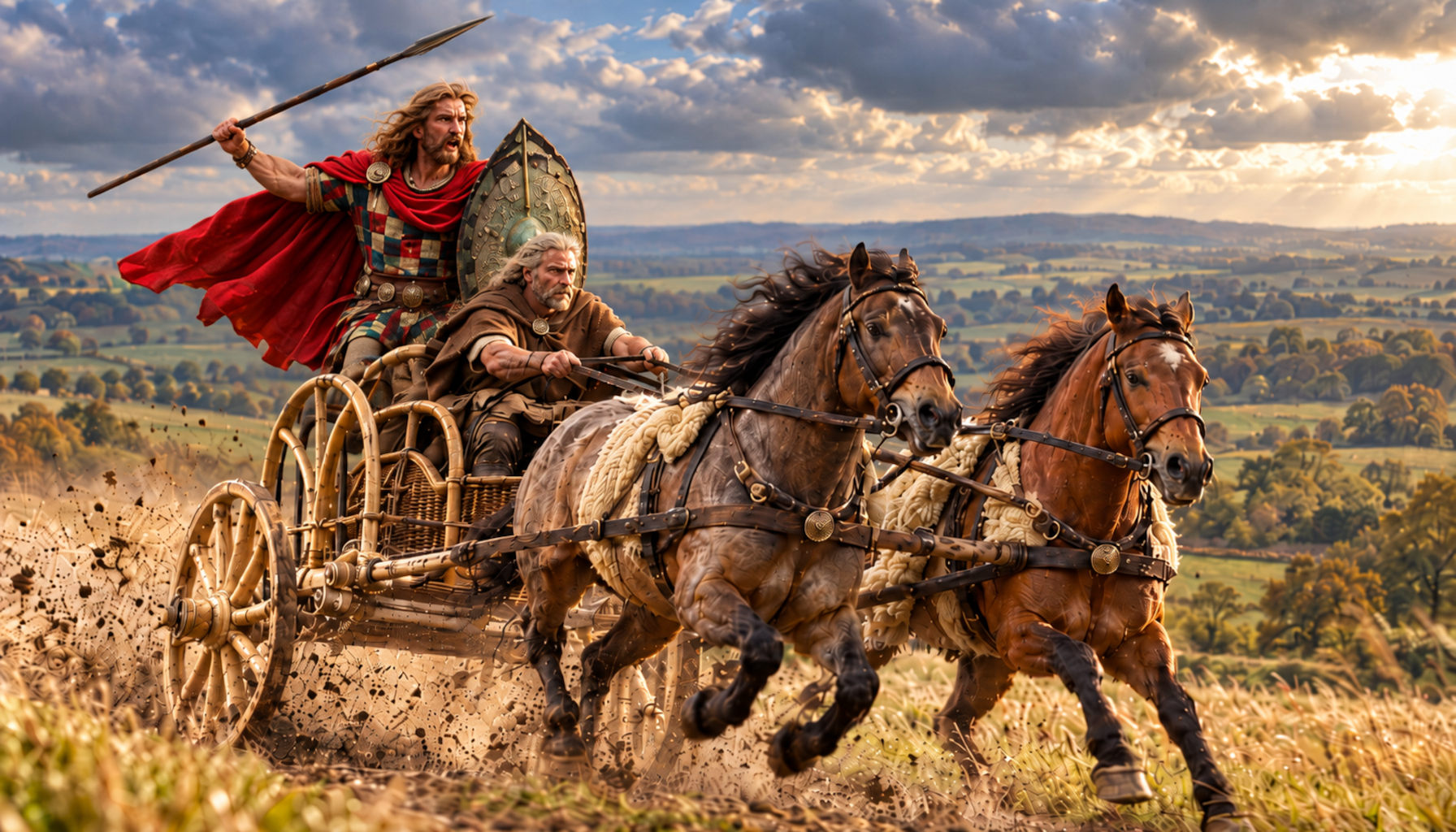
From a DNA storytelling point of view, the Nugent-linked haplogroup R1b1a1b1a1a2c1a belongs to a paternal branch with a striking archaeological spread. Related or linked ancient samples appear in contexts ranging from Bronze Age and Iron Age Britain and continental Europe to Roman, early medieval, and medieval burials. Among them are Medieval Northern Spain Las Gobas individuals such as ldo066, ldo037, ldo048, ldo062, ldo039, ldo052, and ldo242; Roman Era England samples including KNF006 from Knobbs Farm Somersham, FEN008 from Fenstanton, and VIC016 from Cambridge Vicars Farm; elite Celtic burials in Germany such as APG001, APG003, and LWB001; and medieval Irish examples from Kilteasheen in Roscommon including KIL047, KIL032, KIL034, KIL035, KIL024, KIL025, KIL015, KIL002, KIL004, KIL007, and KIL012. None of this proves direct descent from any named ancient individual, of course. But it does place the Nugent paternal signature within a very old and very mobile European landscape, one that runs through Celtic, Romano-British, medieval Iberian, insular British, and Irish settings. In other words, the genetics fit rather neatly with what the history already suggests: a noble house whose remembered origins were continental, but whose long historical life unfolded in Ireland.
Read more about the House of Neville
If you are exploring the House of Nugent in your own family history, the interesting question is not whether every Nugent line leads back neatly to one medieval baron. History is rarely so tidy. The better question is whether your DNA and documentary trail place you near the same broad networks of Norman-Irish ancestry, medieval Ireland, and the deeper R1b1a1b1a1a2c1a-linked world seen in ancient samples across Europe. Upload your DNA to MyTrueAncestry and see whether you match the family or related ancient DNA samples.
Comments