The House of Hastings
– 3 min read


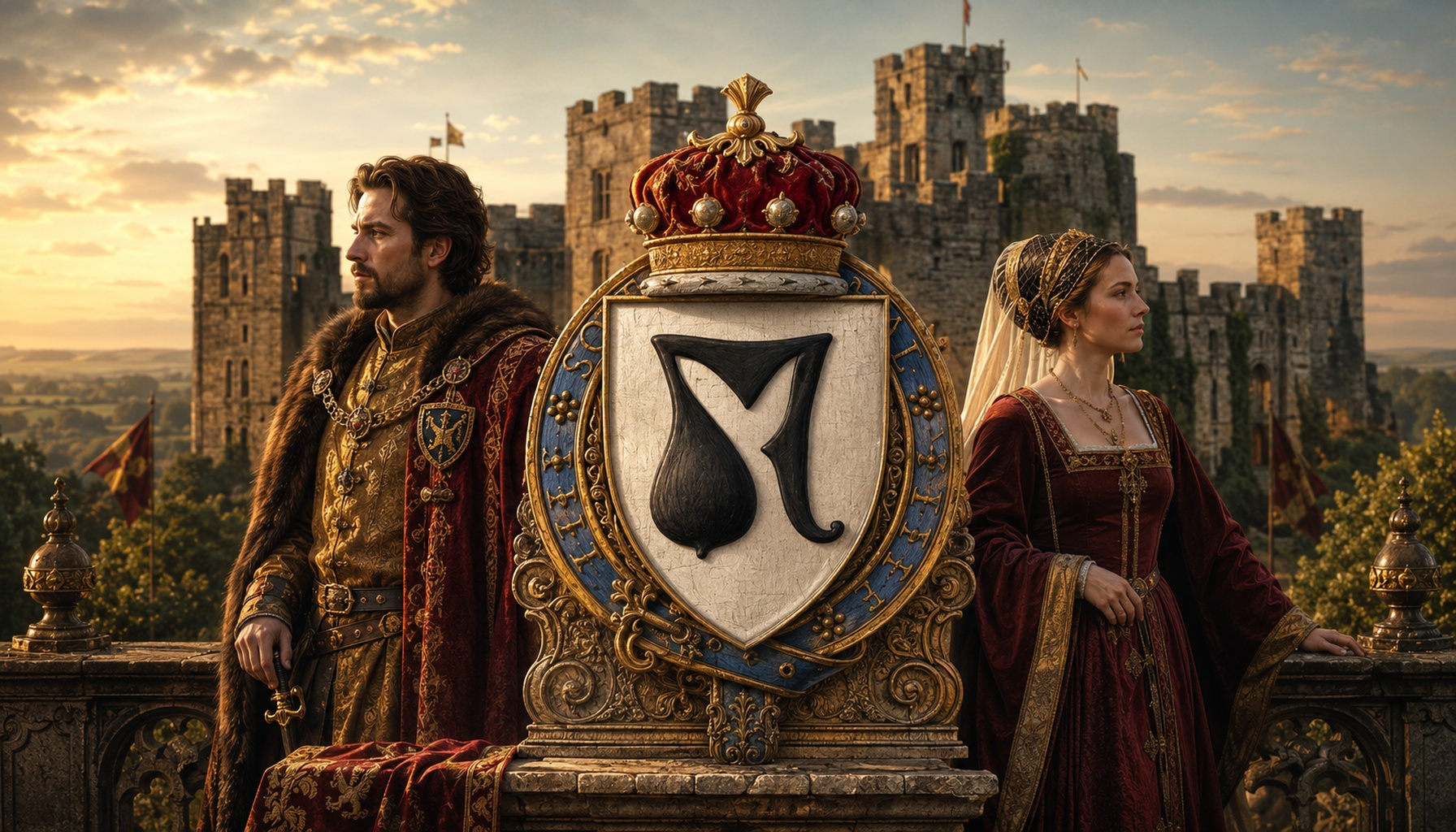
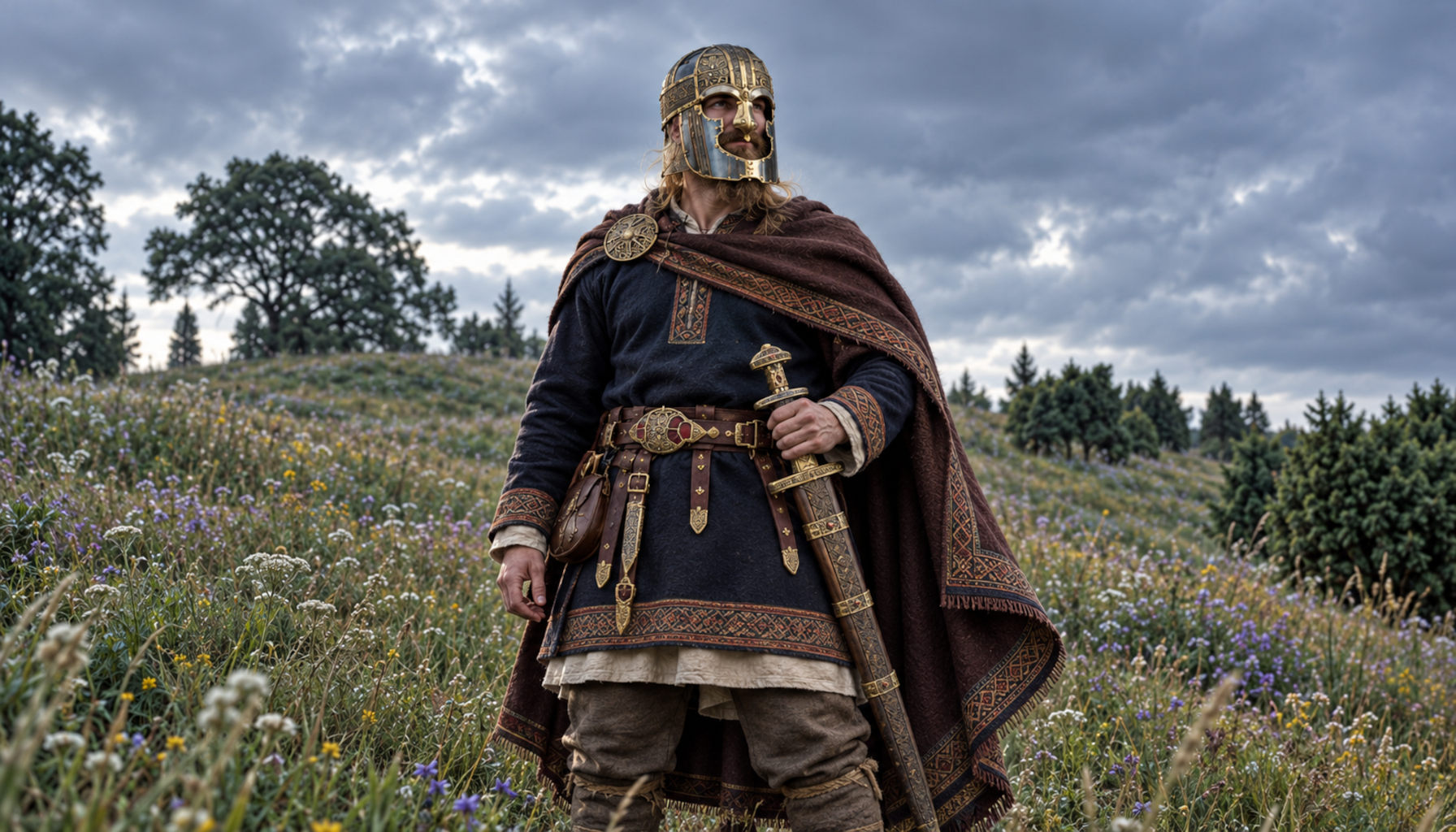
The House of Hastings was one of those great medieval English noble families whose story is written not just in pedigrees, but in land, war, office, marriage, and memory. Their heritage belongs squarely to the world of barons, castles, feudal service, and royal politics. Associated here with the Y-DNA haplogroup I1a1b1e as the primary family haplogroup, the Hastings name evokes the kind of aristocratic continuity that shaped England after the Norman Conquest and through the high Middle Ages: a family that rose and endured through estates, alliances, heraldry, and service to the crown.
The family took its name from Hastings in Sussex, a place already charged with historical meaning in post-Conquest England. Like many noble houses, the Hastings emerged from a landscape where local lordship and royal favor went hand in hand. Their power was built in the practical medieval way, by holding land, performing military service, marrying well, and staying close enough to the center of politics to matter without always being safe from its dangers. John Hastings, Baron of Hastings (1262-1313), stands among the named figures who carried the family into the thick of national affairs, reflecting how the house was woven into the changing fortunes of English peerage and monarchy. The Hastings story is, in many ways, the classic English noble pattern: regional strength, baronial authority, heraldic prestige, and a reputation that outlived any single generation.
A striking location anchor for Hastings heritage is Loudoun Castle in Ayrshire, Scotland, later closely associated with the Earls of Loudoun and the Hastings line through inheritance and title. The site has a long history: there was an earlier medieval castle here, and the later structure grew into a grand country house in castellated style, set within an estate that carried centuries of aristocratic identity. It is the sort of place that reminds us that noble power was never just about one battle or one title; it was about anchoring a family in the landscape. Loudoun Castle also had links to major historical events, with the estate associated with figures active in the Wars of the Three Kingdoms and later political life. Although the building suffered severe fire damage in the twentieth century and is now a ruin, the castle and its grounds remain a powerful historic landmark, and the site can still be visited from the outside or as part of the surrounding estate area where access is available. Even in ruin, it says something unmistakably medieval and post-medieval about noble memory: families fade, fortunes change, but stone keeps talking.
Read about the House of de Clare
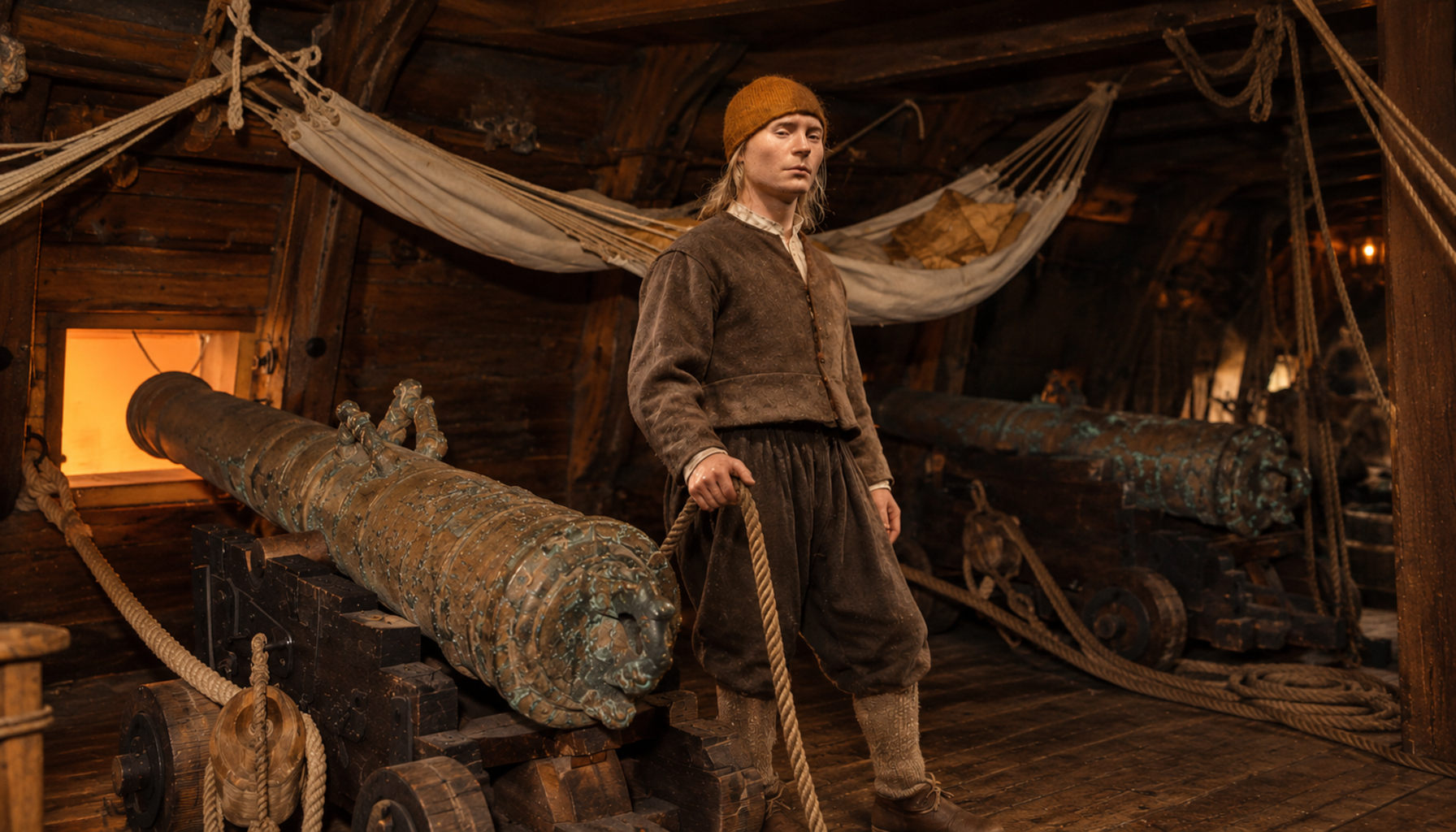
From a DNA perspective, the Hastings-associated haplogroup I1a1b1e sits within a wider northern European paternal story, and we can see related or linked traces of that deep background in ancient samples across a remarkable sweep of time and place. These include Migration Period Hungary Rakoczifalva (RKF183), Longobard Period Pannonia Savaria Szeleste Barbaricum Hungary (SZL026), Merovingian Bavaria samples Alh_236 and Alh_141, Medieval Jutland Denmark Vor Frue Kirkegard Aalborg (CGG100498), Kingdom of Dumnonia Britain Cornwall Widemouth Bay (I16383), Kingdom of Mercia England Wolverton Buckinghamshire (I16509), Early Medieval Croatia Velim-Velistak (VEM057), Danii Tribe Denmark Northwest Sjaelland Asnaes (CGG107443), Viking Age Trelleborg Denmark (CGG106823), Iron Age Netherlands Valkenburg Marktveld (CGG107762), Neolithic Sweden Albacksbacken Maglarp (CGG105926), Dark Ages Italy Torino Lavazza (To_Lav_T2US16), Post-Roman Pannonia Balatonszemes (Bal_111, Bal_111m, Bal_111x), Pre-Vendel Age Oland Sandby Borg (snb013), Viking Age Sweden Uppland Alsike (als007), the Stora Kronan shipwreck sample kro016, Saxon Lower Saxony Dunum (DUN005), Carolingian Drantum (DRU011), Viking Age Rantzausminde on Funen (VK315), Viking Age Skara Varnhem (VK404), and Vendel Age Saaremaa Salme I (VK507). These are not claims of direct descent from the House of Hastings. Rather, they are related markers in the long paternal backdrop from which later medieval northern European lineages emerged.
Explore the Noble House of Percy
If the House of Hastings is part of your family story, or simply part of the world you feel drawn to, DNA can add another layer to the history. Upload your DNA to MyTrueAncestry to see whether you match the House of Hastings, or any of the related ancient DNA samples linked with haplogroup I1a1b1e and the wider medieval north European world.

Comments