The Noble House of Percy
– 2 min read


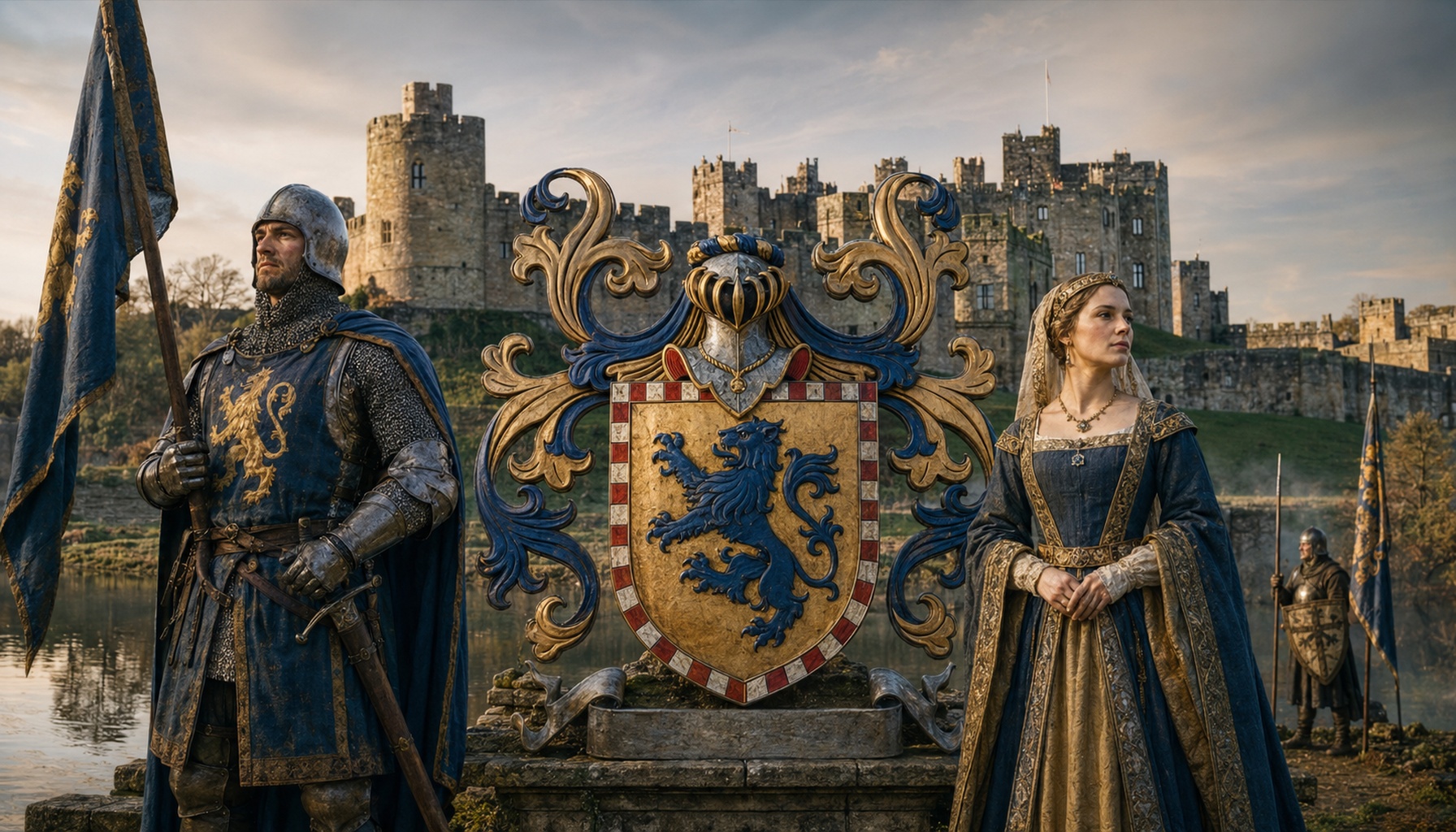
The Percy family was one of the great noble houses of medieval and early modern England, rooted above all in Northumberland and the hard, political landscape of the Anglo-Scottish frontier. Their primary family haplogroup is linked here as I2a1b1a2b1a2a1a, a paternal line that adds a genetic thread to a story otherwise told through castles, charters, rebellions, marriages, and war. The Percys became famous not simply because they were rich, though they certainly were, but because they mastered a very northern form of power: holding land, commanding men, serving kings, and keeping one eye always on the border.
The family name itself points back to Percy in Normandy, and like so many great English aristocratic lines, their rise belongs to the upheaval after 1066. William de Percy, recorded in 1096, stands among the early builders of the dynasty in England. From those Norman beginnings the house expanded through royal favour, inheritance, military service, and shrewd alliance-making until the Percys became earls of Northumberland and one of the defining magnate families of the realm. Their history is full of heraldry, fortress lordship, court intrigue, and periodic defiance of the crown, which is exactly what makes them so interesting: they were loyal servants of kings, until they were not.
If one place anchors Percy heritage, it is Alnwick Castle in Northumberland. This was not just a handsome family seat but a strategic fortress in one of the most contested regions in Britain. Founded soon after the Norman Conquest and extensively developed over the centuries, Alnwick guarded routes through the north and sat close enough to the Scottish border to matter in every period of tension. The castle passed into Percy hands in the early fourteenth century and became the visual and political centre of their power. Architecturally it is a layered building, with medieval fortifications, later remodelling, and the unmistakable grandeur of an aristocratic residence that never quite forgot it had once needed to withstand attack. Today it remains one of the great historic castles of England and, yes, it can still be visited, which is part of the pleasure of Percy history: this is not an abstract family tree, but a landscape you can actually walk through.
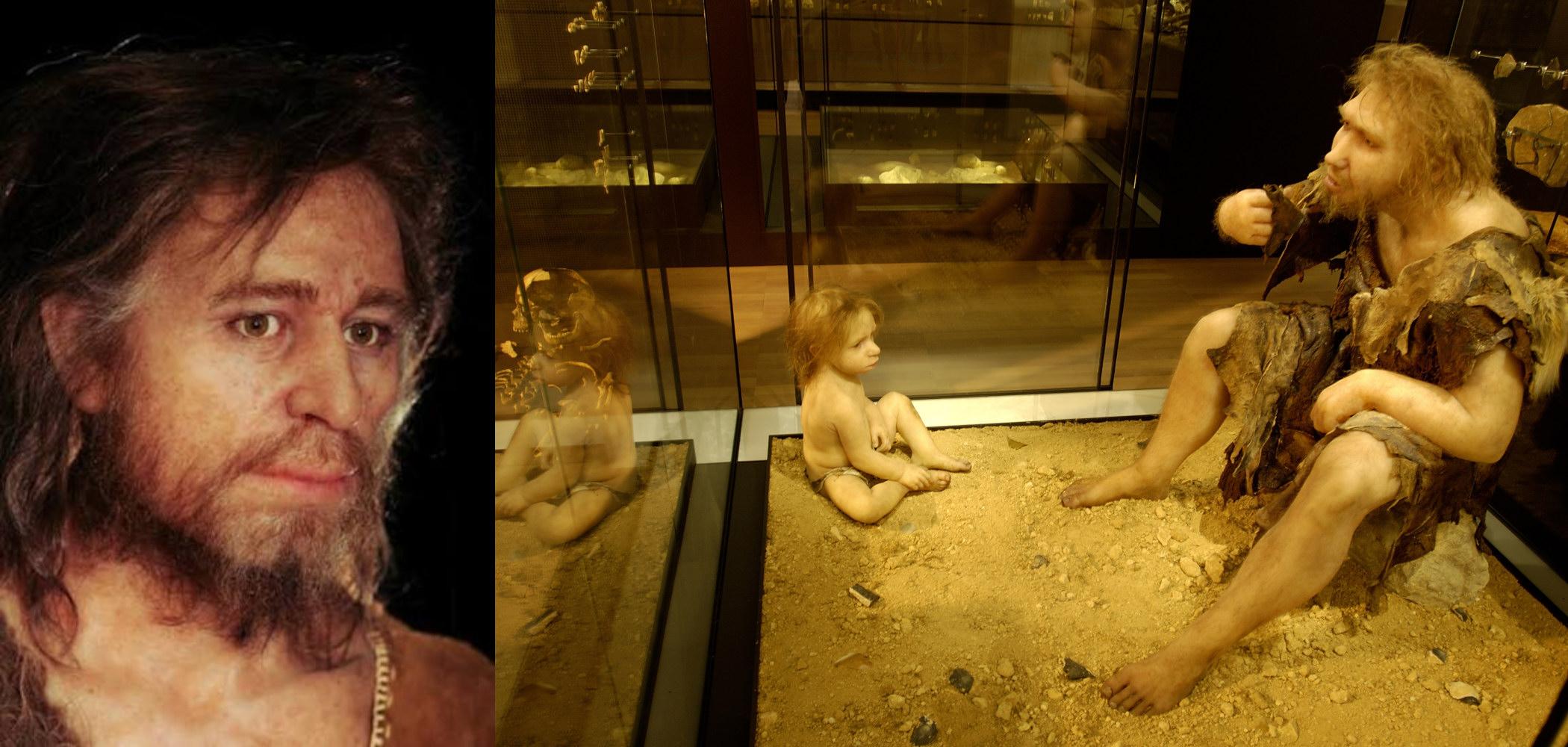
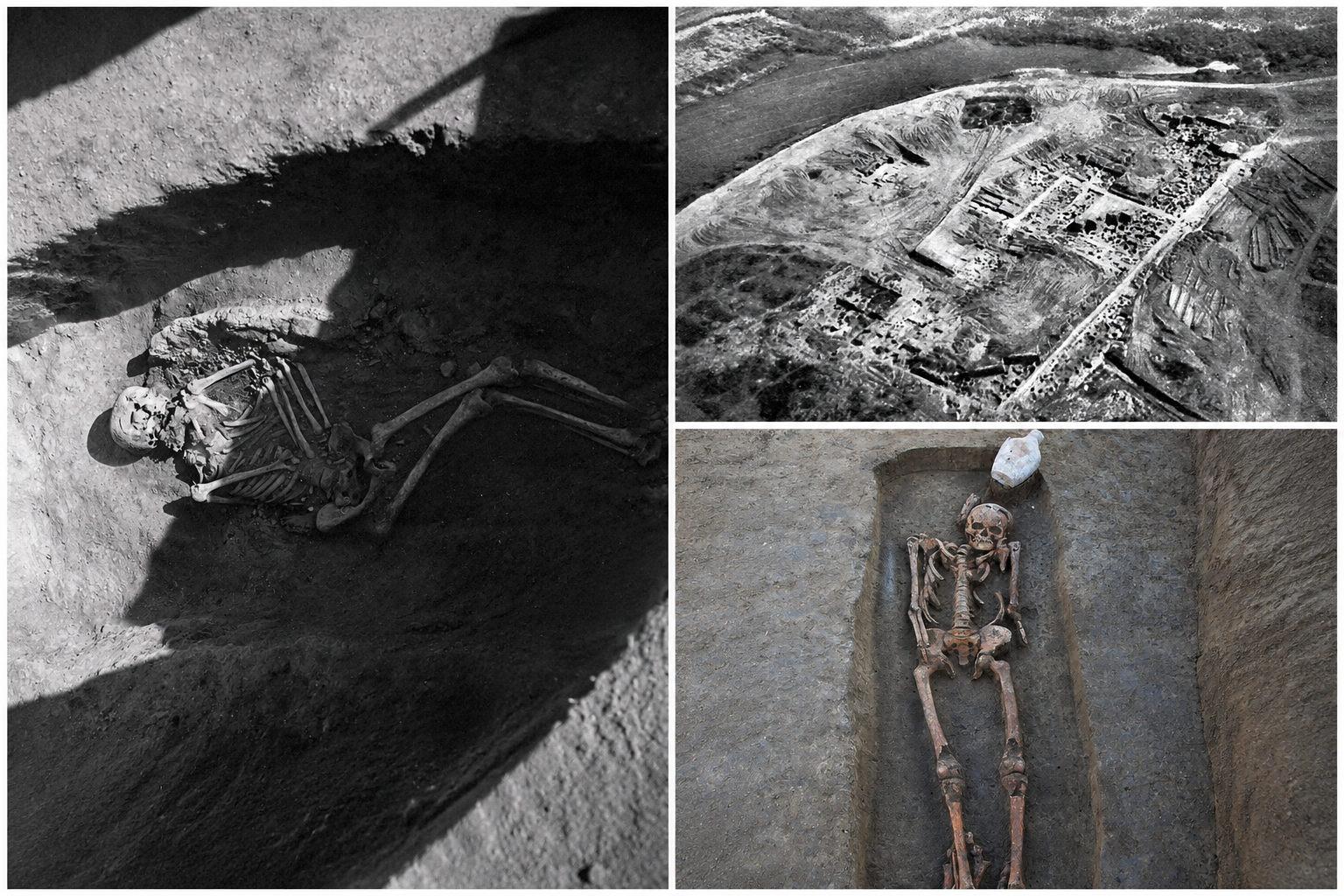
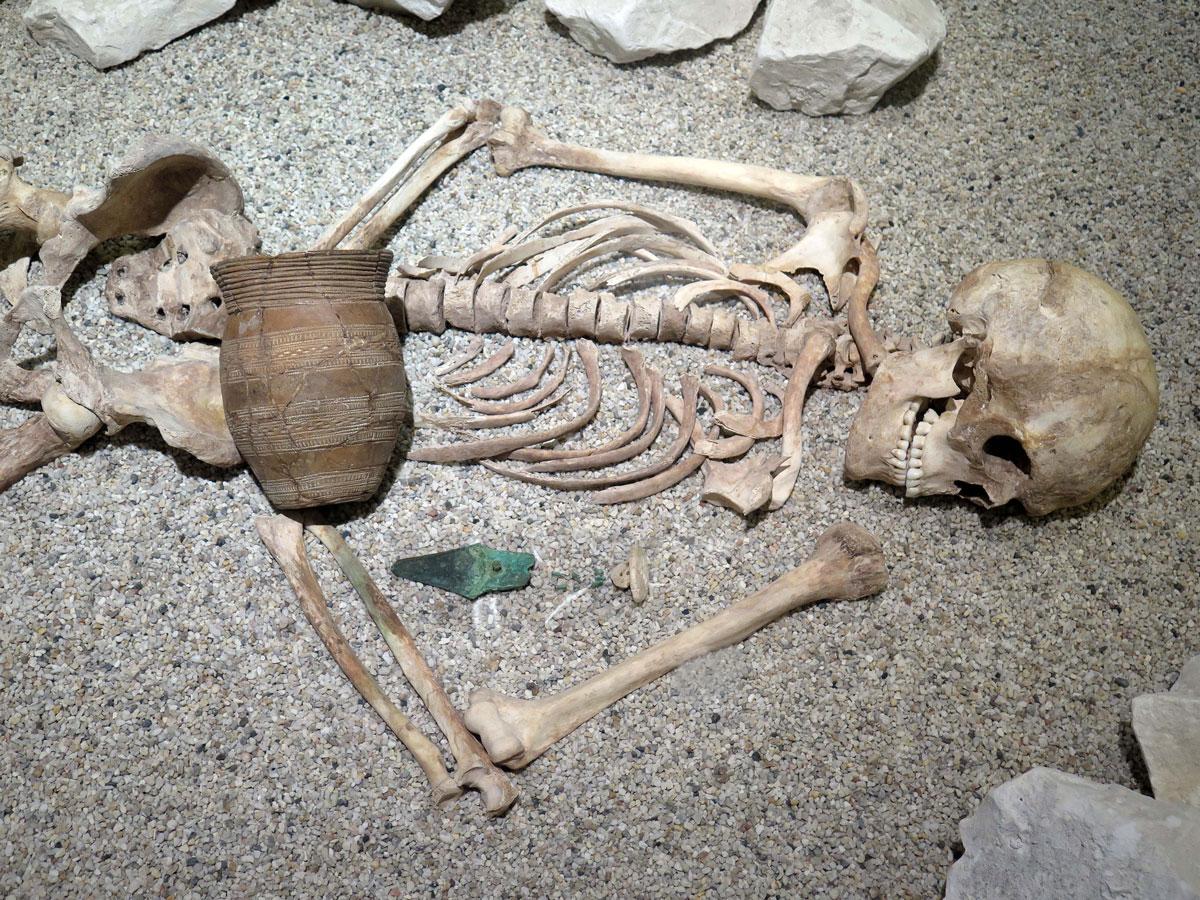
The haplogroup I2a1b1a2b1a2a1a also appears in a wider northern European ancient DNA context, and that is where things become especially evocative. Related or linked samples include Jute Early Roman Era Denmark Jutland Bog War Alken Enge (CGG019202), Jute Early Roman Era Denmark Jutland Bog War Alken Enge (CGG019212), Iron Age Denmark Eastern Sjaelland Varpelev (CGG107412), Danii Tribe Denmark Forevejlegard (CGG107532), Viking Age Oland Sweden (VK342), and Viking Age Dwarf Uppsala Sweden (VK517). These are not proof of direct descent from any one ancient individual, and they should not be treated as such. What they do offer is a broader genetic backdrop, linking the Percy-associated paternal line to the deep population history of Scandinavia and the North Sea world, the same world that shaped early medieval England long before the Percys emerged as a documented noble dynasty.
Read about Anglo-Saxon migration DNA
If Percy history speaks to you, whether through Northumberland, noble lineage, border history, or the haplogroup I2a1b1a2b1a2a1a, you can take the next step and explore your own results. Upload your DNA to MyTrueAncestry to see whether you match the Percy family profile or related ancient DNA samples from Iron Age and Viking Age northern Europe.
Comments