The House of de Soucy
– 3 min read



The House of de Soucy was a French noble family of territorial origin, rooted in the world of provincial lordship rather than the glitter of kings and princes. As the name suggests, the family almost certainly took its identity from a place called Soucy or Souzy, which is exactly how many noble houses in medieval France first emerged: from land, seigneurial rights, local standing, and the careful building of family memory over generations. In haplogroup tagging, the primary family line is associated here with R1b1a1b1a1a2b1c1b1a, a branch within the wider R1b world so often tied to the long paternal histories of western Europe.
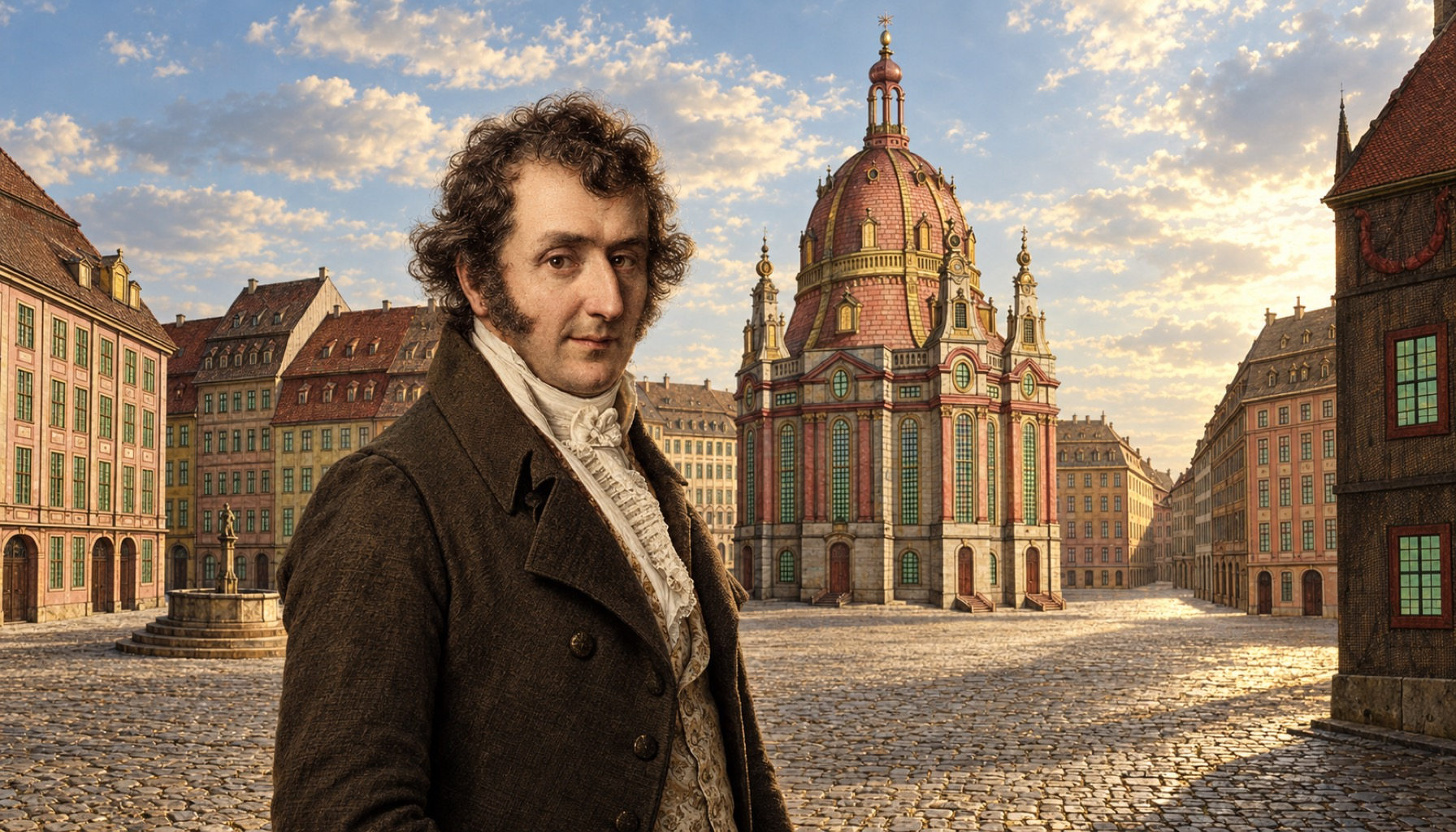
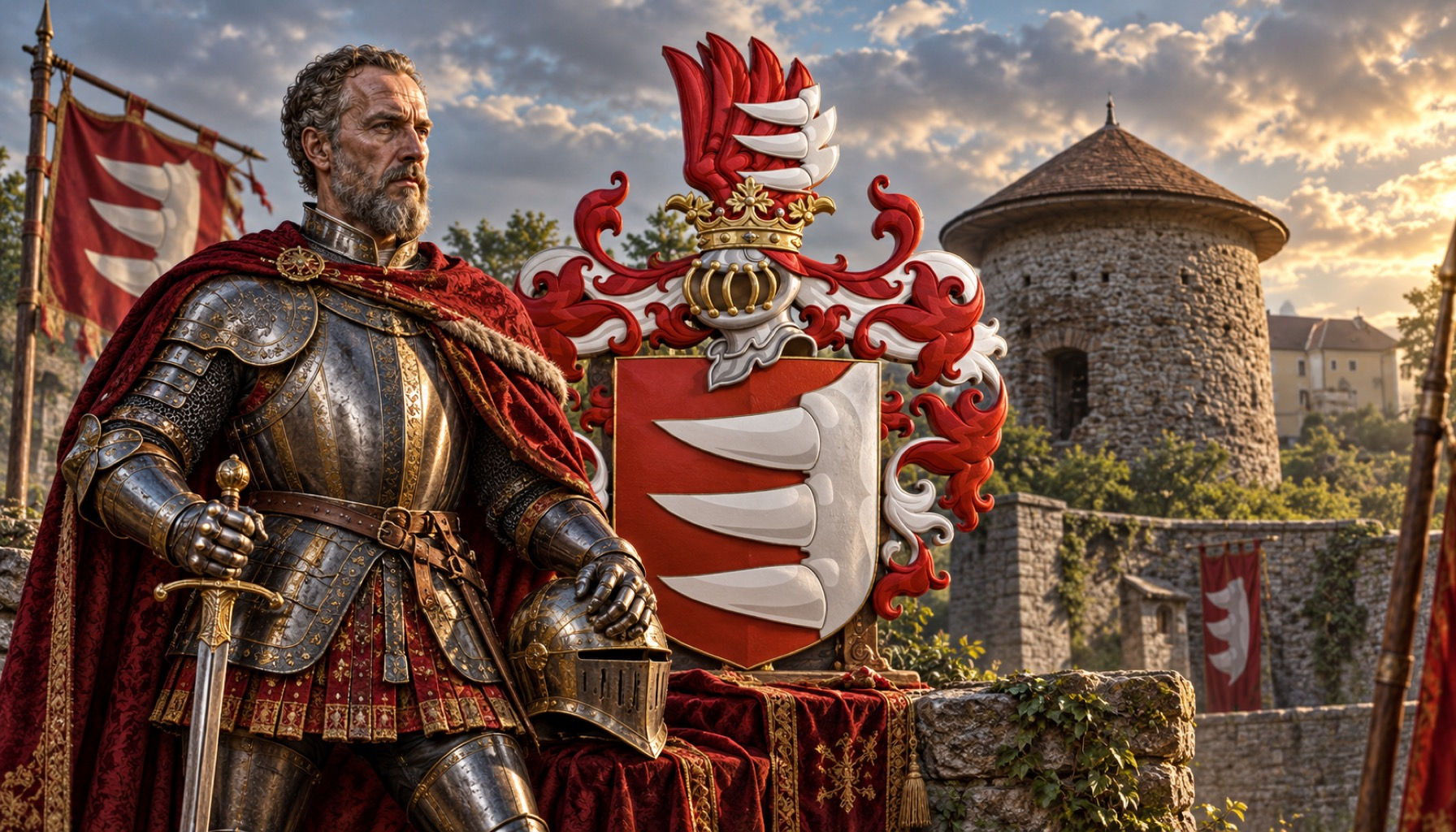
What makes the de Soucys interesting is that they fit a very recognisable French pattern. They were not necessarily shaping all of Europe, but they were part of the machinery that held medieval and early modern France together: landholders, office-holders, alliance-makers, people of arms, reputation, and inheritance. Their identity would have been expressed through estate management, feudal obligation, marriages into neighbouring families, and heraldic display. Later named figures help keep that lineage visible, including Renee Suzanne de Soucy (1758-1841) and Louis Xavier de Fitte de Soucy (1775-1840), who belong to that long afterlife of noble memory when old houses adapted to a changing France without quite forgetting where they came from.
A particularly strong location anchor for the family story is the Chateau de Souzy-la-Briche, in the Essonne region south of Paris. The site reflects exactly the sort of landscape in which a family like de Soucy would have mattered: not a royal capital, but a place of estate, status, continuity, and rural authority. The chateau known today is the product of later rebuilding and adaptation, with its history tied to the commune of Souzy-la-Briche and the long evolution of landed property in the Ile-de-France orbit. It has also had a modern public life beyond old aristocratic ownership, becoming known in the twentieth century as a state residence used by the French Republic. That layered history is rather splendid, really: a seigneurial place-name turned noble identity, then an estate, then part of the modern national story. The grounds and exterior setting are known and documented, and the place can be seen as part of the local heritage landscape, though access to interiors may depend on current arrangements rather than ordinary open-tour visiting.
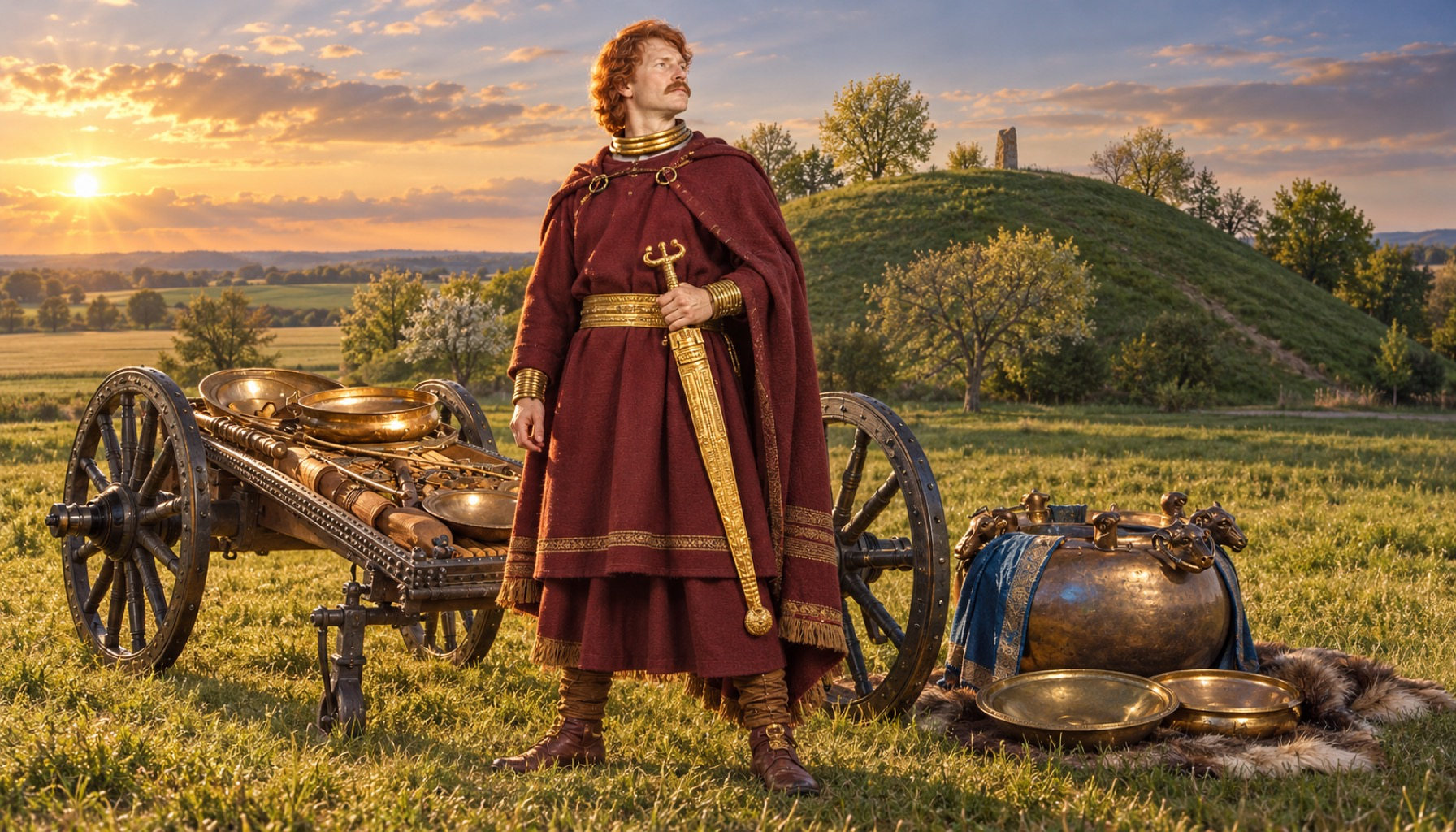
From the ancient DNA side, the de Soucy haplogroup tag R1b1a1b1a1a2b1c1b1a can be set beside a wider network of related or linked ancient samples across Europe, without claiming any direct line of descent from them. These include RKF247 from Migration Period Rakoczifalva in Hungary, I16440 from Celtic Iron Age Harlyn Bay in Cornwall, I19873 from Late Iron Age East Kent in England, I11712 associated with the Quadi world near Bratislava in Slovakia, and VK40 from Viking Age Skara Varnhem in Sweden. That is a marvellous spread, because it reminds us that one paternal branch can appear in very different archaeological settings: Celtic Atlantic communities, Iron Age Britain, Migration Period groups in the Carpathian Basin, central European tribal confederations, and Viking Age Scandinavia. The point is not that the de Soucys came from all these places, but that their tagged paternal lineage belongs to a much deeper and broader European story.
Explore ancient DNA and archaeogenetics
If you are exploring the House of de Soucy, the most exciting question is not whether a noble surname sounds familiar, but how your own DNA might connect with the deeper historical world behind it. Upload your DNA to MyTrueAncestry to see whether you match the de Soucy family profile or any of the related ancient DNA samples linked to haplogroup R1b1a1b1a1a2b1c1b1a.


Comments