The House of Sully
– 3 min read


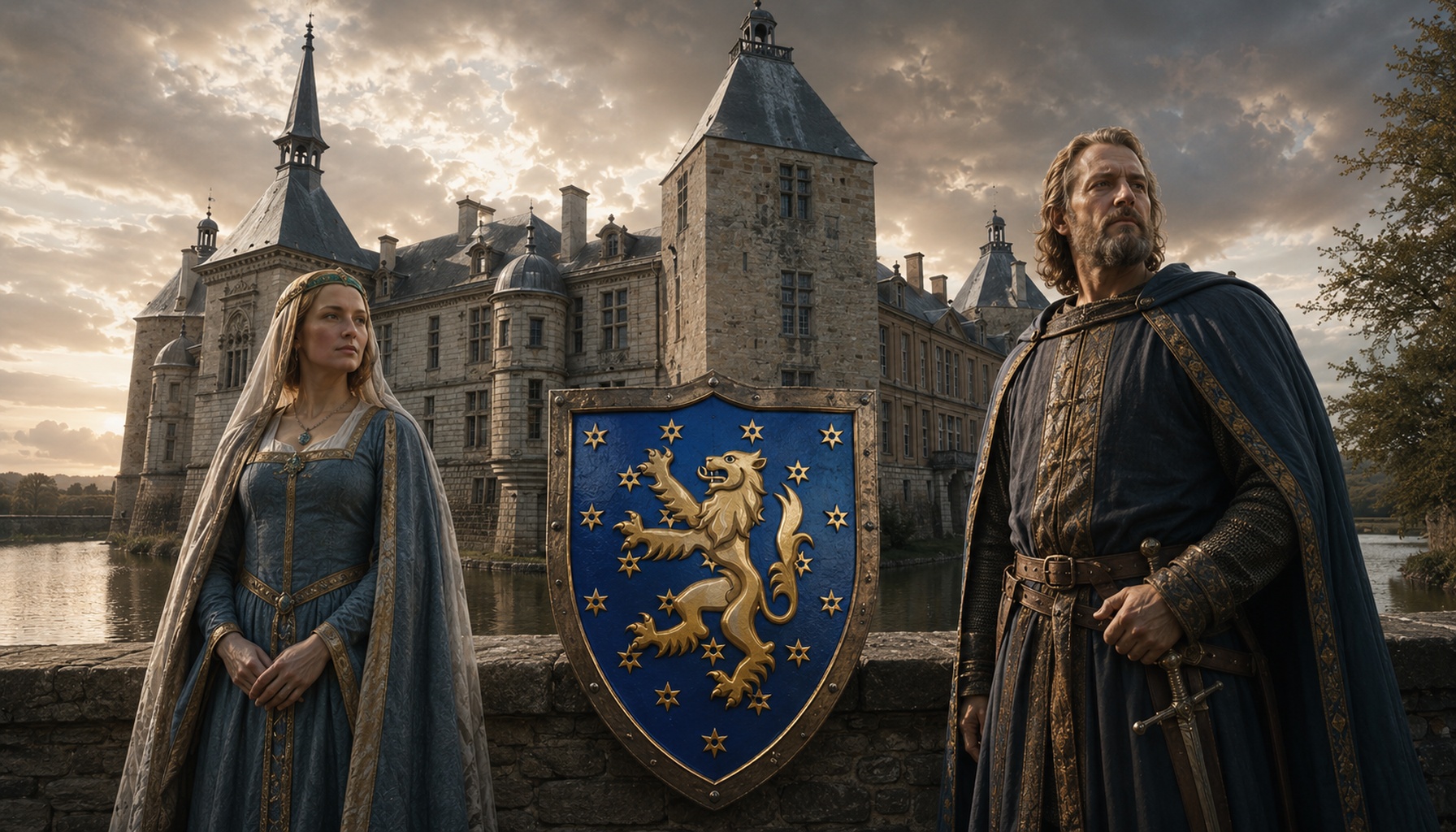
The House of Sully was a Norman and later distinctly French noble house, rooted in the lordly world of medieval France and remembered through land, service, heraldry, and long aristocratic continuity. In broad historical terms, Sully belongs to that very recognizable French noble pattern: a family anchored to a place, strengthened by castle lordship, military obligation, marriage alliances, and regional authority within feudal society. In haplogroup tagging, the primary family haplogroup linked here is R1b1a1b1a1a2c1a, a branch associated with a wide spread of western European paternal lines.
The name Sully comes from place identity, above all Sully-sur-Loire in the Loire valley, where geography and power met in the classic medieval way. This was not nobility floating abstractly above the landscape; it was nobility tied to estates, fortified residences, dependents, revenues, and obligations. Over generations, the Sully name came to evoke not just one lineage but a whole social world of castellans, churchmen, royal servants, and remembered ancestry. Among the notable figures associated with the family are Henri de Sully, active in 1189, Eudes de Sully, who died in 1208 and became bishop of Paris, and much later Maximilien de Bethune, Duke of Sully (1560-1641), the great minister of Henri IV whose title carried the name Sully into the political imagination of early modern France.
Explore the House of de Harcourt
The great location anchor for this heritage is the Chateau de Sully-sur-Loire, one of those French castles that makes the medieval and early modern past feel wonderfully concrete. Standing on the Loire, with its moat, towers, and commanding silhouette, it reflects both defense and display: a place built to control, protect, administer, and impress. Historically the site developed from a fortified seigneurial base into a residence shaped by later rebuilding, especially from the late medieval period onward. It became associated with the powerful seigneurial identity of Sully-sur-Loire and, in time, with the memory of the Duke of Sully. In other words, this is not just a pretty castle with a noble label attached; it is exactly the sort of place where lineage, office, estate management, and regional prestige came together. Better still, the chateau still exists and can be visited today, which means Sully heritage is not only archival or genealogical but also walkable, visible, and very much part of the historical landscape of France.
Read more on the Princely House de Dreux
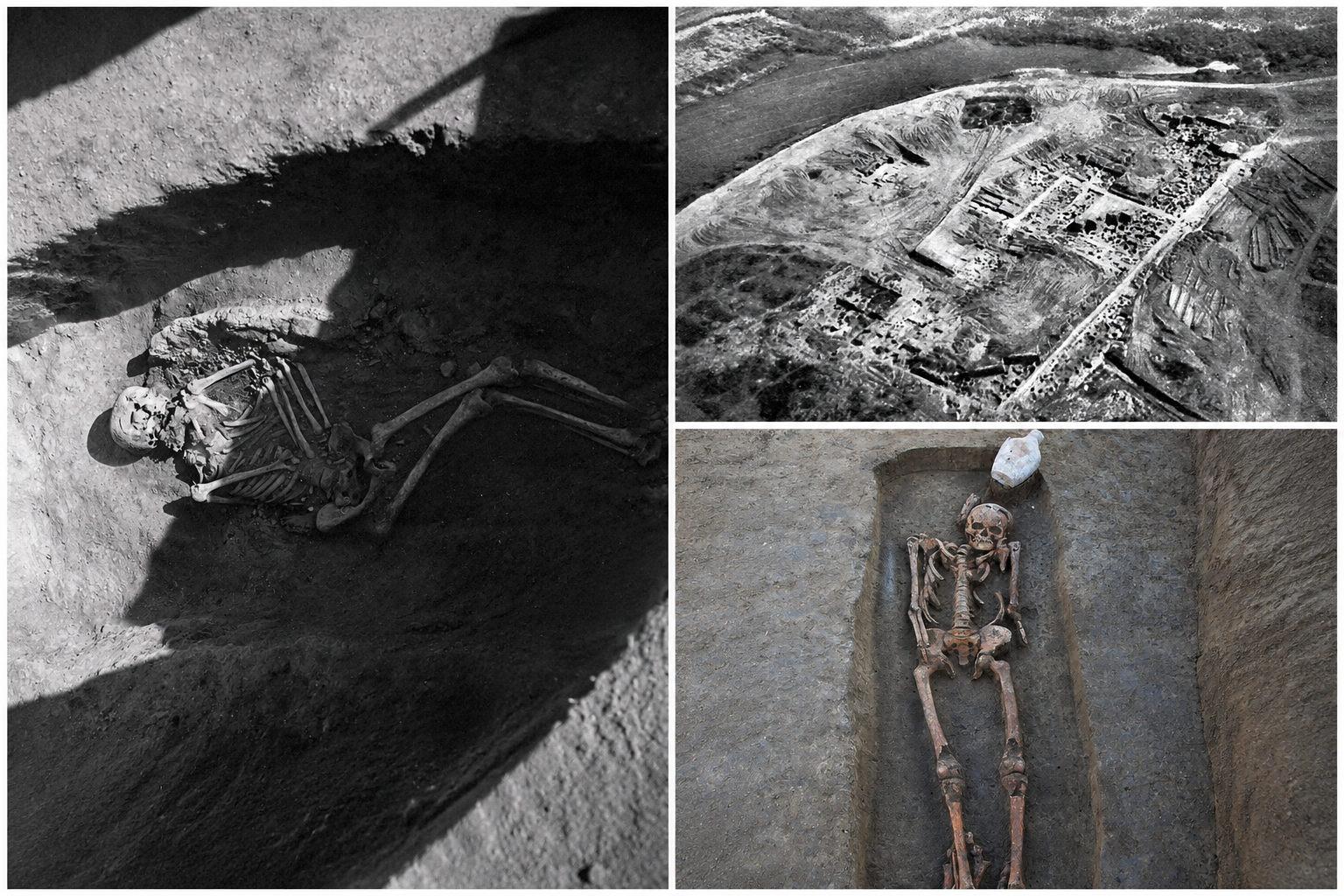
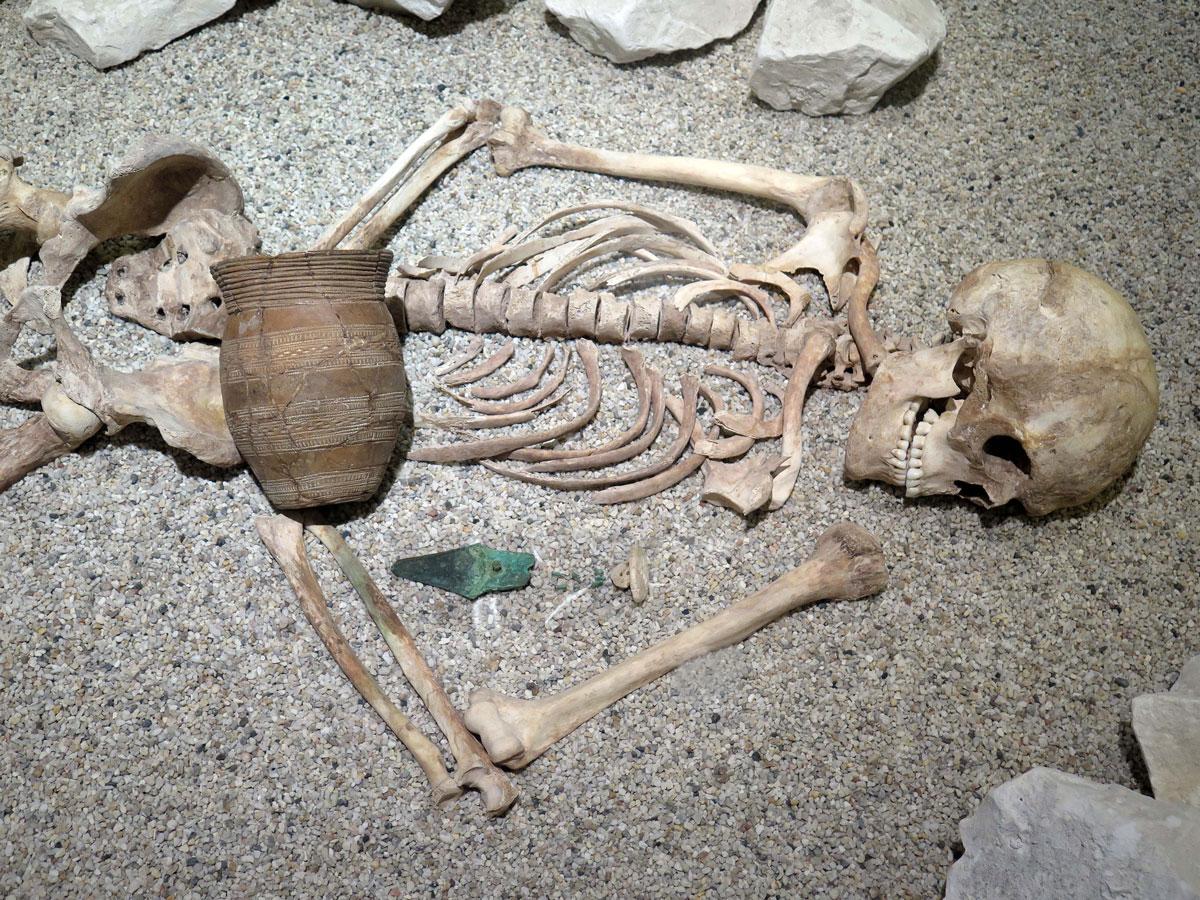
The primary haplogroup tag for the House of Sully here is R1b1a1b1a1a2c1a. That does not prove direct descent from any excavated individual, and it is important not to pretend otherwise. What it does give us is a wider paternal context, linking the Sully line to ancient and medieval men from parts of western and central Europe. Related or linked samples on this branch include Medieval Northern Spain Las Gobas individuals such as ldo066, ldo037, ldo048, ldo062, ldo039, ldo052, and ldo242; Roman and later Britain examples such as KNF006 from Knobbs Farm Somersham, FEN008 from Fenstanton, VIC016 from Cambridge Vicars Farm, ATP_PSN_192 and ATP_PSN_68 from Cambridge St Johns Hospital, ATP_PSN_512 and ATP_PSN_520 from the Augustinian Friars, and ATP_PSN_1217 from Clopton; Iron Age and elite Celtic links such as WBK36 from Durotriges territory, APG001 and APG003 from Asperg-Grafenbuehl, and LWB001 from Ludwigsburg Roemerhuegel; as well as continental examples from Gallo-Roman France like Metz Lunette Sablon R2055a through R2055e. Taken together, these linked samples suggest a deep and widespread western European paternal history running through Bronze Age, Iron Age, Roman, and medieval settings, which is exactly the sort of long background one might expect behind a historic Norman-French noble house.
Explore the Royal House of Capet
If the House of Sully speaks to your family story, the next step is to test whether your DNA shows links to this noble-house heritage or to related ancient DNA samples tied to haplogroup R1b1a1b1a1a2c1a. Upload your DNA to MyTrueAncestry and see whether your results connect with the Sully world of castles, lordship, heraldic identity, and long French historical memory.
Comments