The House of Cecil
– 3 min read


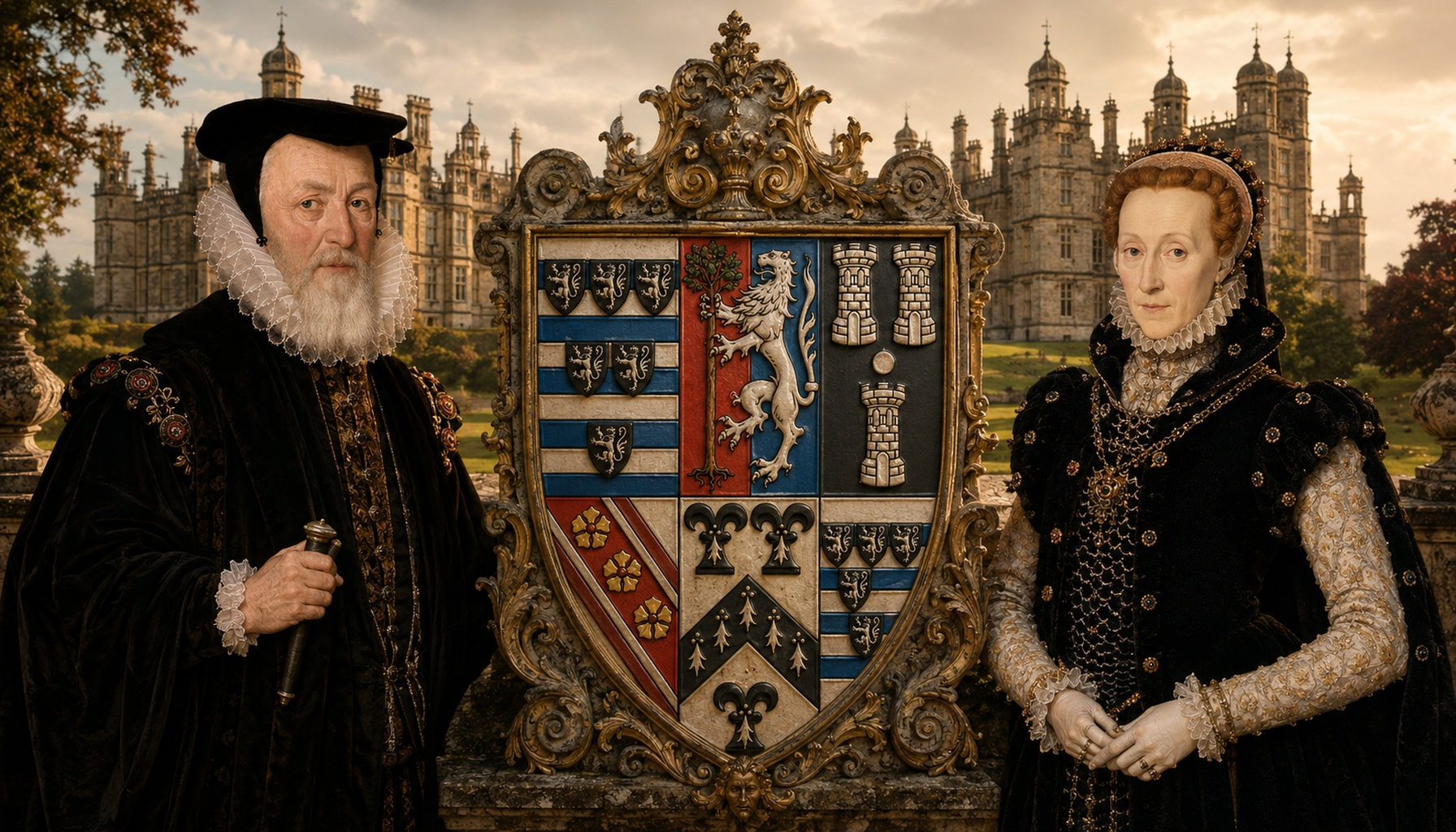
The House of Cecil was one of the great political families of England, a dynasty made not first by medieval swordplay but by paperwork, patronage, and sheer ability at court. Their principal family haplogroup is linked here with R1b1a1b1a1a1c2b2b1a2, a branch within the wider R1b line so common in western Europe. Historically, the Cecils rose from comparatively modest gentry roots in the Welsh Marches and Lincolnshire world into the very centre of Tudor and Stuart government, where service to the crown became the foundation of hereditary grandeur.
That rise is really the point of the Cecils. They are not simply an old noble house drifting out of the misty feudal past. They are a textbook English success story of the 16th and 17th centuries: professional administration turned into landed power, court influence turned into title, and loyal statecraft turned into a family legacy. William Cecil, Lord Burghley, chief minister to Elizabeth I, stands at the heart of it, but the story continued through his descendants in the Salisbury and Exeter branches. Men such as Thomas Cecil, 1st Earl of Exeter, carried the family upward into the peerage, while marriages, offices, and estates fixed the Cecils into the political map of England for generations.
Read more about the House of Boleyn
If one place anchors the Cecil story, it is Burghley House near Stamford, on the border of Lincolnshire and Northamptonshire. Built for William Cecil in the 1550s and 1560s, it is one of the grand masterpieces of Elizabethan architecture, vast, confident, and deliberately impressive in the way only a new political dynasty can be. This was not merely a comfortable country seat. It was a statement in stone that service to the Tudor state had produced a family of lasting consequence. The house is famous for its great courtyards, towers, richly decorated state rooms, and later landscape setting, including grounds associated with Capability Brown. It remains closely tied to the Cecil descendants, especially the Exeter line, and yes, it can still be visited today, which makes it one of those rare places where the machinery of Tudor ambition feels almost physically present.
Explore the House of Cavendish
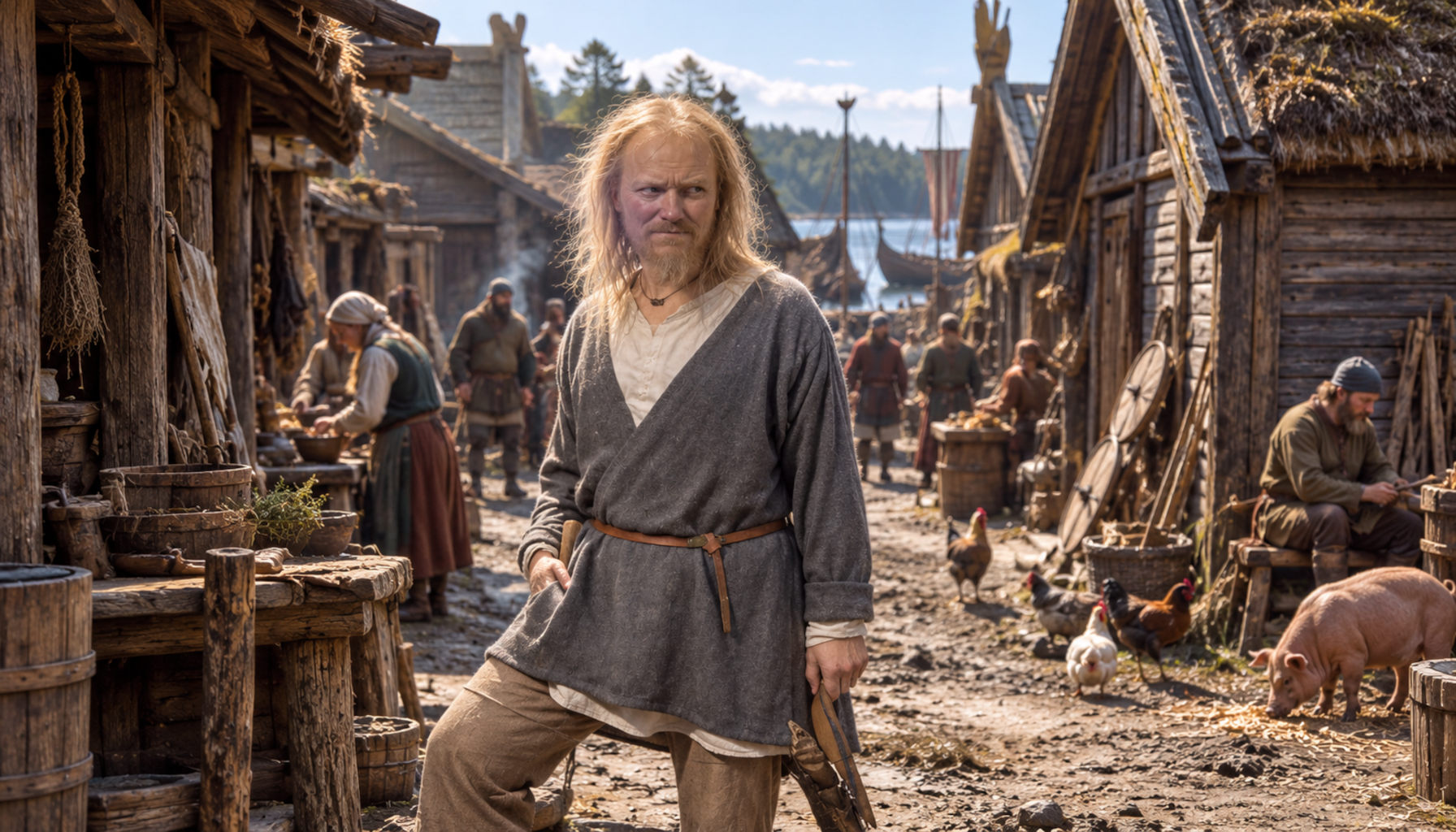
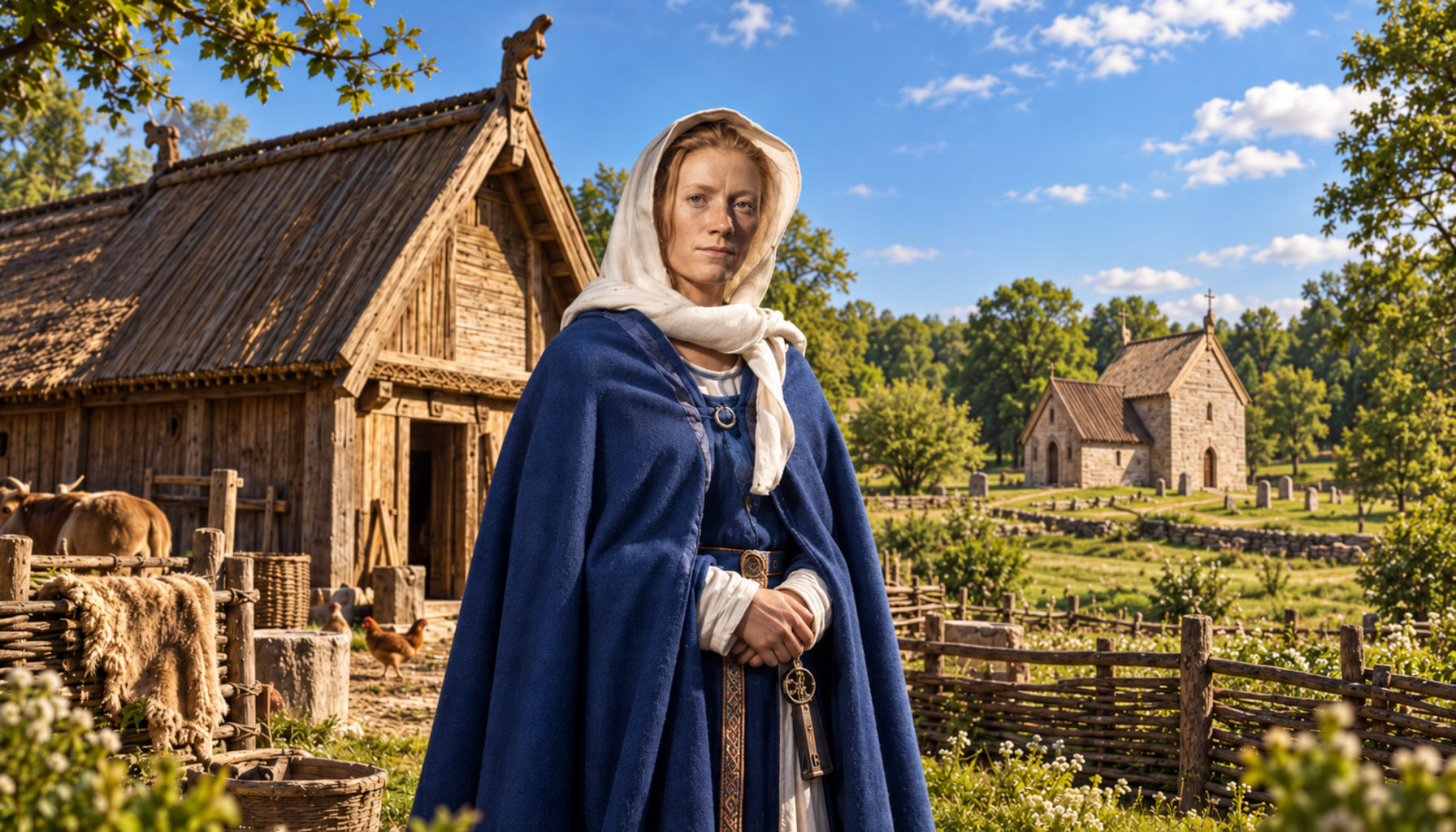
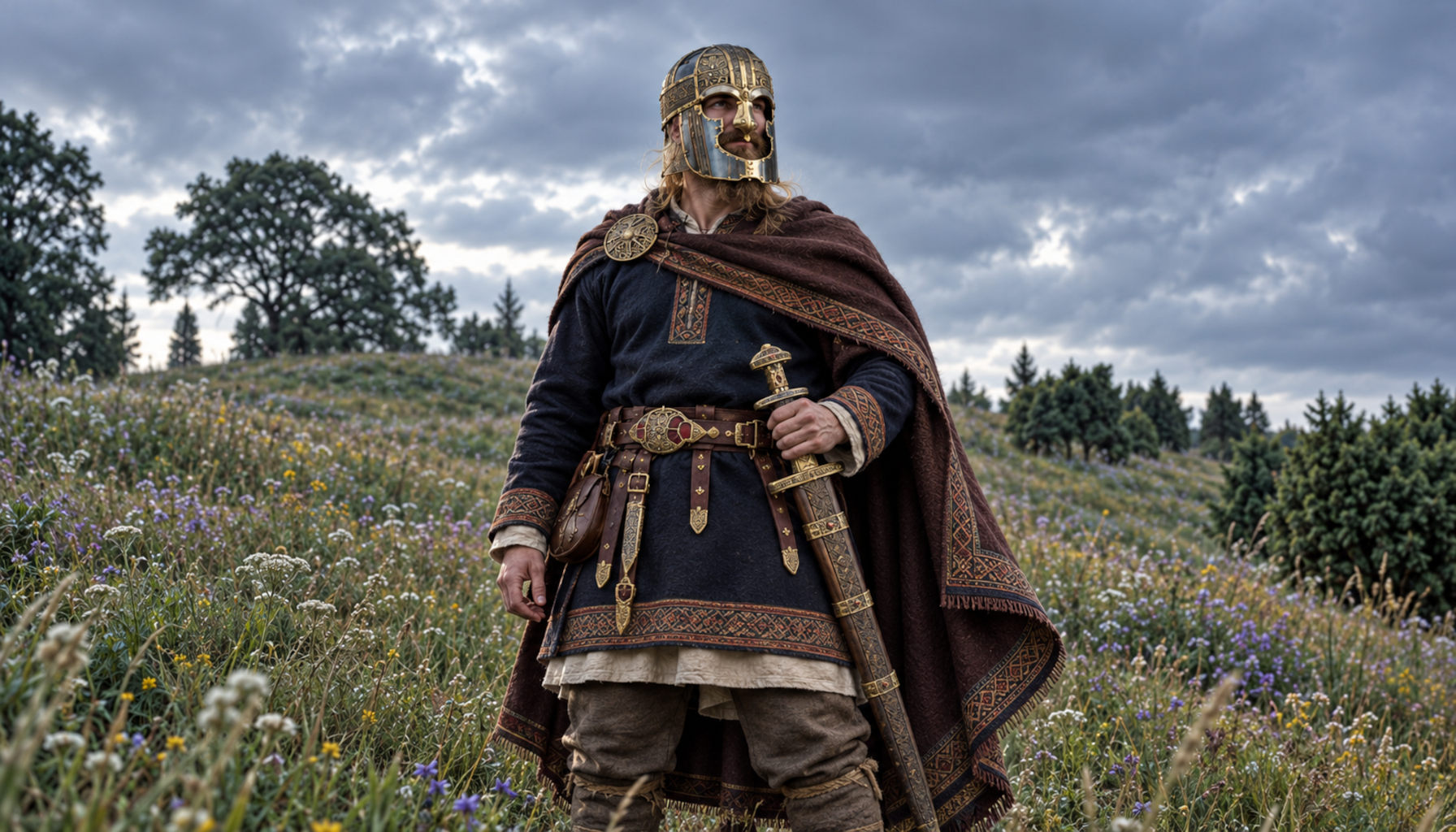
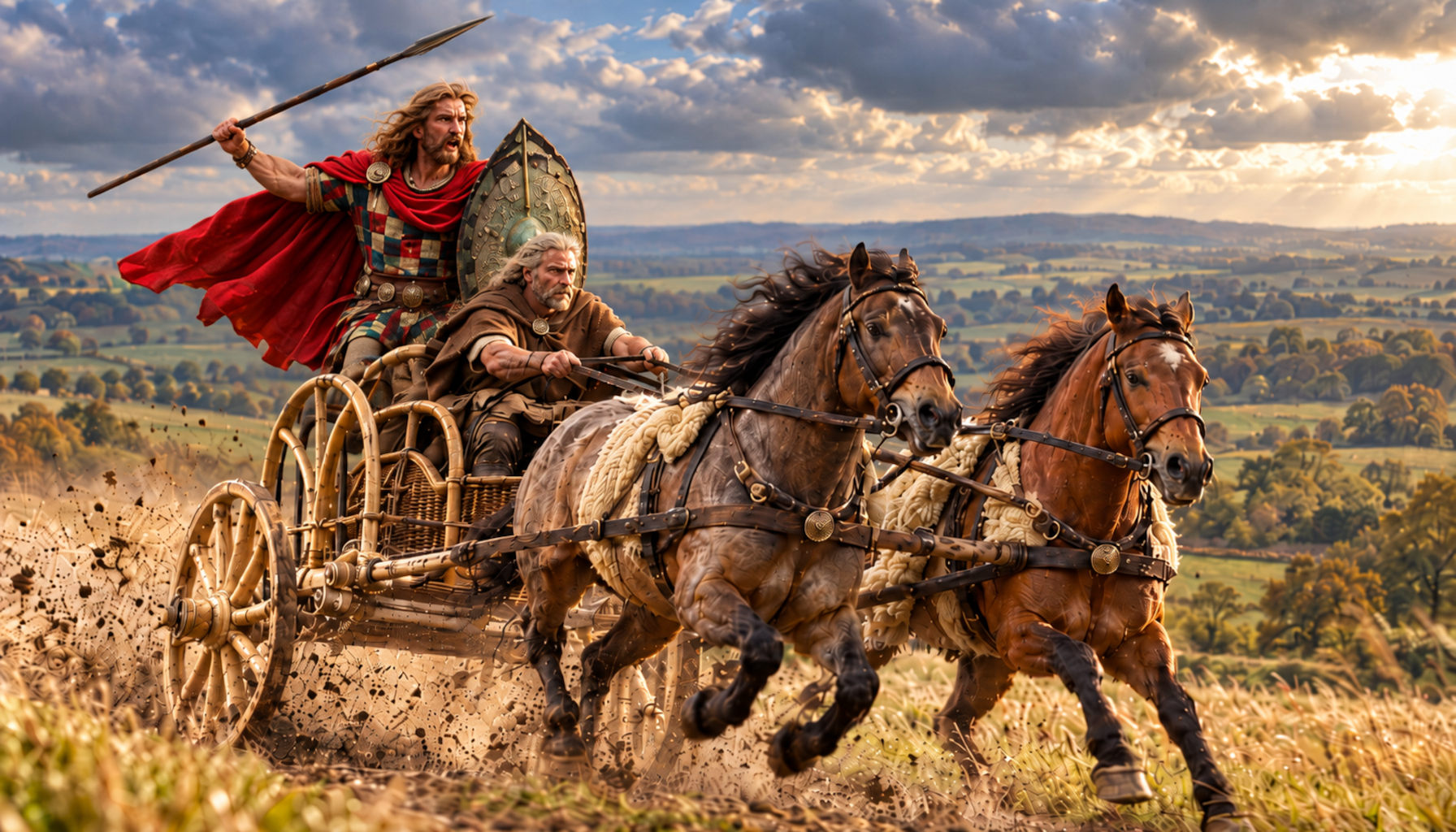
From a DNA perspective, the Cecil family is tagged here with haplogroup R1b1a1b1a1a1c2b2b1a2. That does not mean the Cecils descend directly from any excavated ancient individual, and it is important not to pretend otherwise. What we can say is that related or linked ancient DNA samples carrying this same paternal branch appear across a striking sweep of European history. These include Elite Celtic Burial Germany Magdalenenberg Villingen-Schweningen (MBG002), Merovingian Period Frankish Moemlingen Germany (Mln28a), Merovingian Period Frankish Buettelborn Germany (Btb100), Medieval Belgium Sint-Truiden Onze-Lieve-Vrouwekerk (ST0062, ST2638, ST2326), Thuringii Tribe Germany Obermoellern (OBM053), Germanic Migration Period Saxony-Anhalt Bruecken (BRC004x, BRC025x), Migration Period Germany Rathewitz Saxony-Anhalt (RTW017), Medieval England Cambridge St Johns Hospital (ATP_PSN_190), Viking St. Brice Massacre Oxford (VK178), Viking Age Denmark Outlier Bilidt (CGG107386), Viking Age Gotland Kopparsvik Sweden (VK468), Viking Age Skara Varnhem Sweden (VK425), Early Medieval Yorkshire England Norton Bishops East Mill (I17272), Post Viking Age Hedeby Schleswig Rathausmarkt Southern Jutland (SWG012), Longobard Migration Period Czech Holubice (CGG021981), Hungarian Conqueror Elite Hungary Tiszanana-Cseh tanya (TCS-5), and Young Merovingian Noble (NS6). Taken together, these linked samples suggest a paternal lineage present among Celtic, Germanic, Frankish, Viking Age, medieval English, and wider northwestern European populations - a good reminder that aristocratic family history sits atop a much deeper and broader human past.
Read more about the Noble House of De Vere
If you are exploring Cecil family history, the next step is to see how your own DNA story connects with the deeper past. Upload your DNA to MyTrueAncestry to find out whether you match the House of Cecil profile or any related ancient DNA samples from medieval England, Frankish Europe, or the Viking world.
Comments