The House of Boleyn
– 3 min read


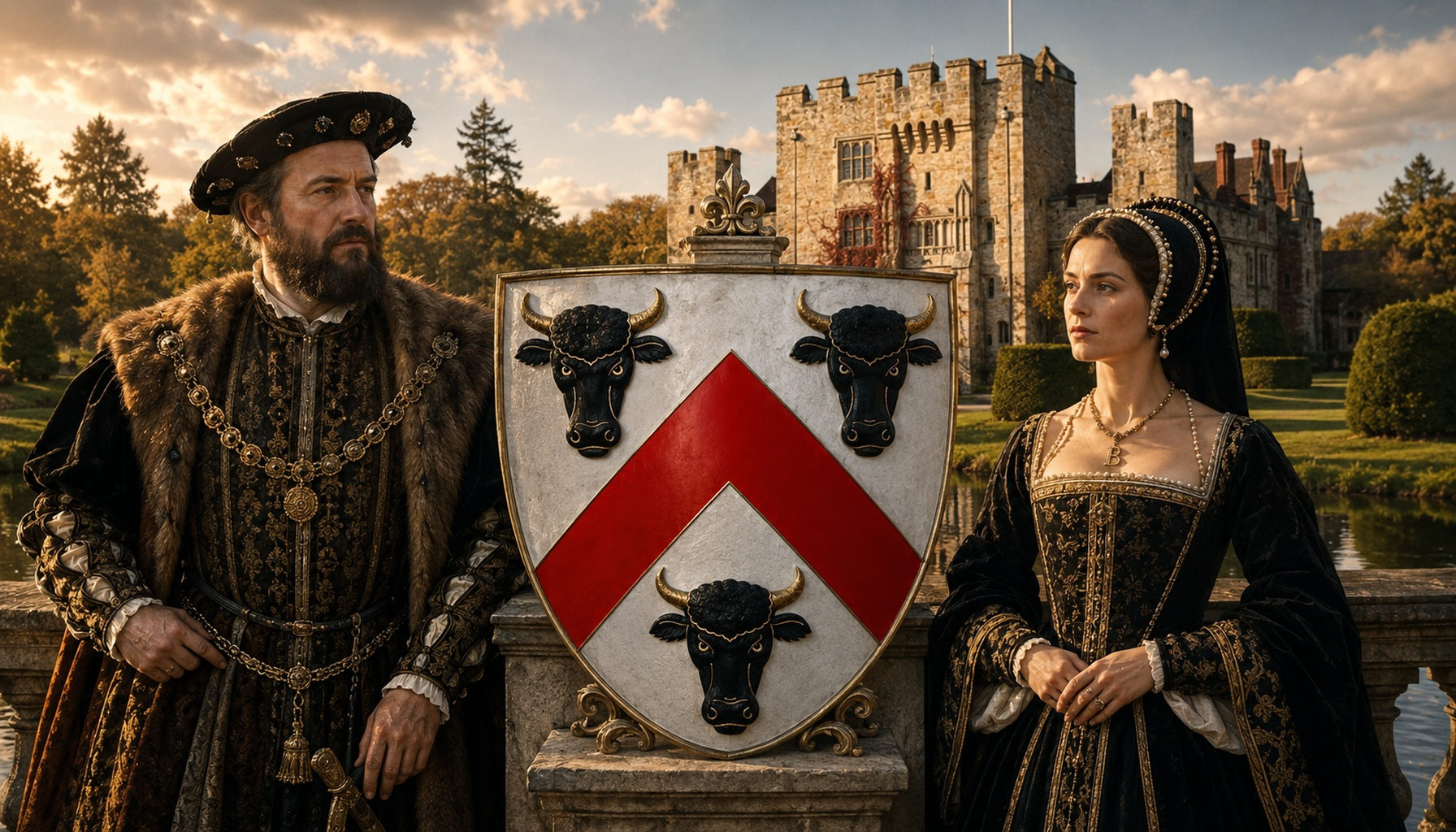
The House of Boleyn was an English noble family whose rise from late medieval gentry and court-connected ambition into the dangerous brilliance of Tudor politics remains one of the most striking family stories in English history. Associated here with the primary family haplogroup I2a1b1a2b1a2a1a, the Boleyns are remembered above all for Anne Boleyn, second wife of Henry VIII and mother of Elizabeth I, but the family story is much bigger than one queen's fall. It begins in the world of landholding, civic influence, trade, and carefully managed advancement, rooted in England and shaped by the social mobility that the later Middle Ages made possible for talented and well-placed families.
Their background is richer and more revealing than the usual short version suggests. Early figures such as John Boleyn, recorded in 1283, show the family already appearing in the documentary landscape of medieval England. By the fifteenth and early sixteenth centuries, the Boleyns had moved decisively upward through wealth, marriage, education, diplomacy, and service to the crown. Thomas Boleyn (1477-1539), a polished courtier and diplomat, became the great architect of the family's prominence, navigating the intensely competitive world of Henry VIII's court. His children would make the name unforgettable: Anne Boleyn at the center of dynastic and religious upheaval, and George Boleyn, executed in 1536, caught in the same deadly storm. The Boleyn pattern is almost textbook Tudor: spectacular ascent, intimate royal connection, and the ever-present risk that favor might turn, suddenly and fatally, into catastrophe.
If one place anchors the Boleyn story in the landscape, it is Hever Castle in Kent. Originally a country house dating back to the thirteenth century and later enclosed as a castle with gatehouse, moat, and defensive features in the fourteenth century, Hever became the best-known Boleyn residence and is traditionally linked with Anne Boleyn's early life. It sits in the gentle, strategic countryside of the Weald, within reach of London yet firmly part of the landed world that nourished aspiring Tudor families. Hever matters because it turns the Boleyns from court legend back into something more tangible: a household, an estate, a family consolidating status through property as much as performance. The castle later passed through other hands and was extensively restored in the modern era, but it remains one of the most evocative surviving places connected to the family. Yes, it can still be visited today, and for anyone interested in the Boleyns it offers that rare thing in history: not just names and dates, but walls, rooms, water, and setting.
Read more about the House of Seymour
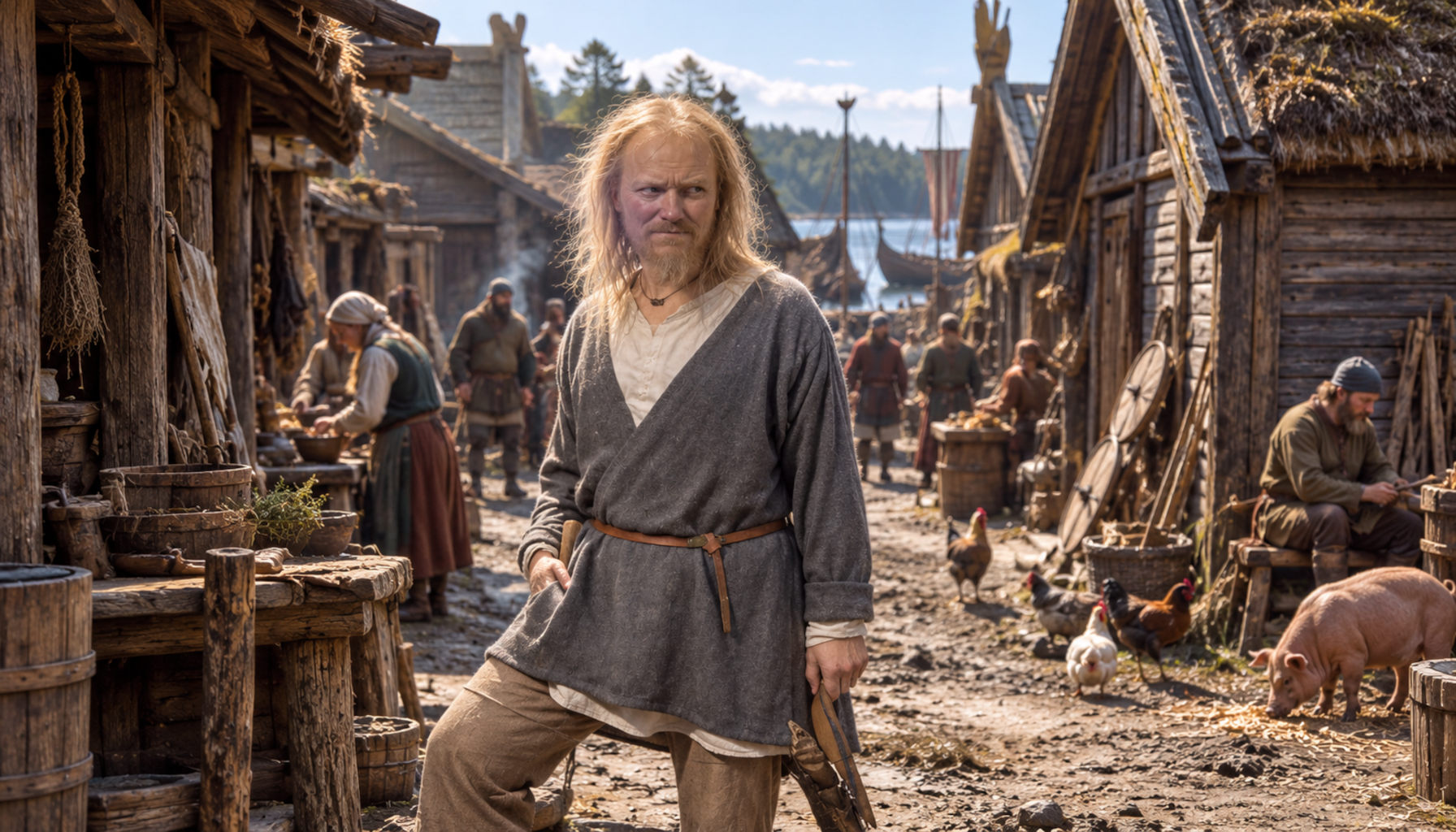
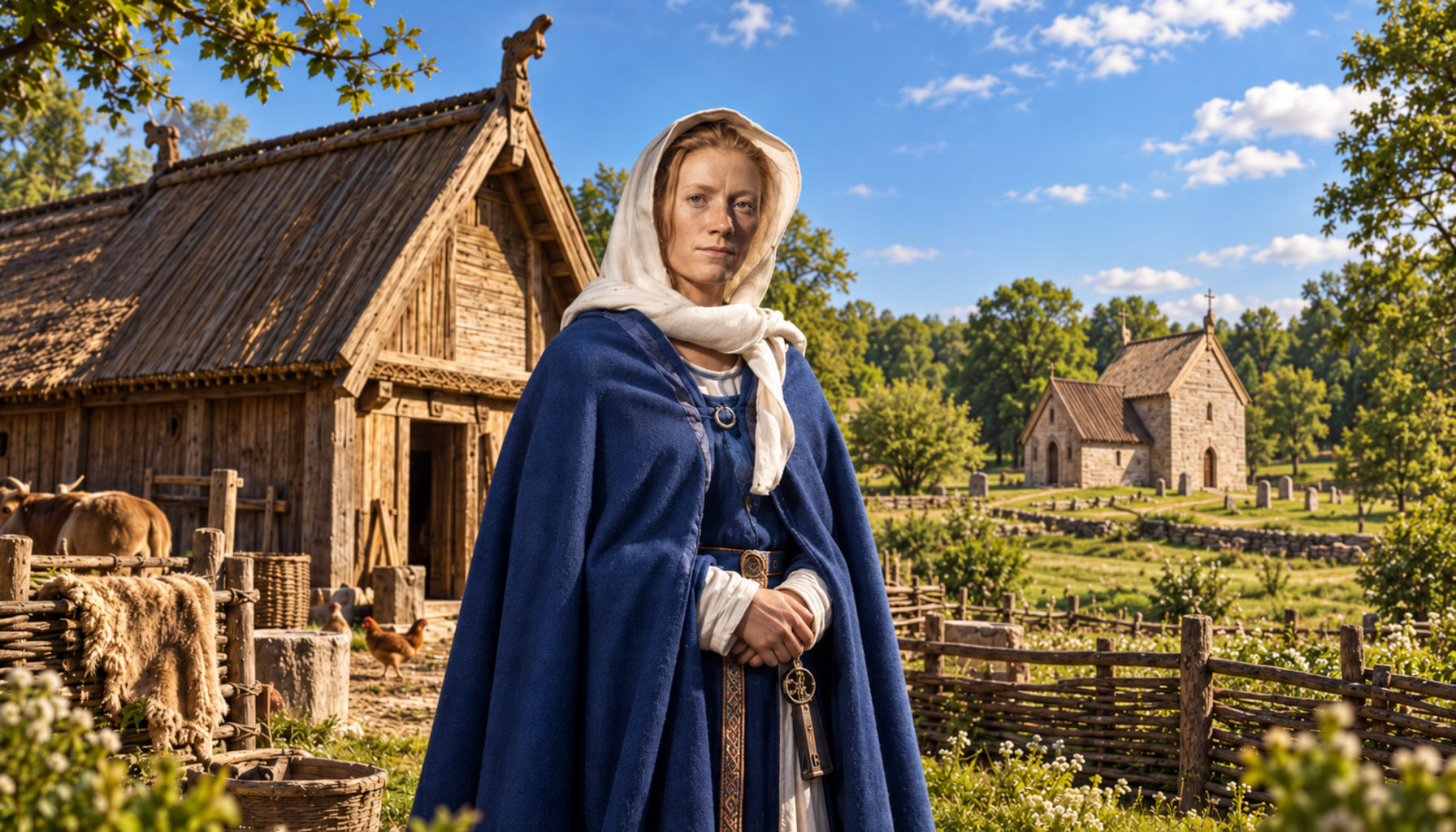
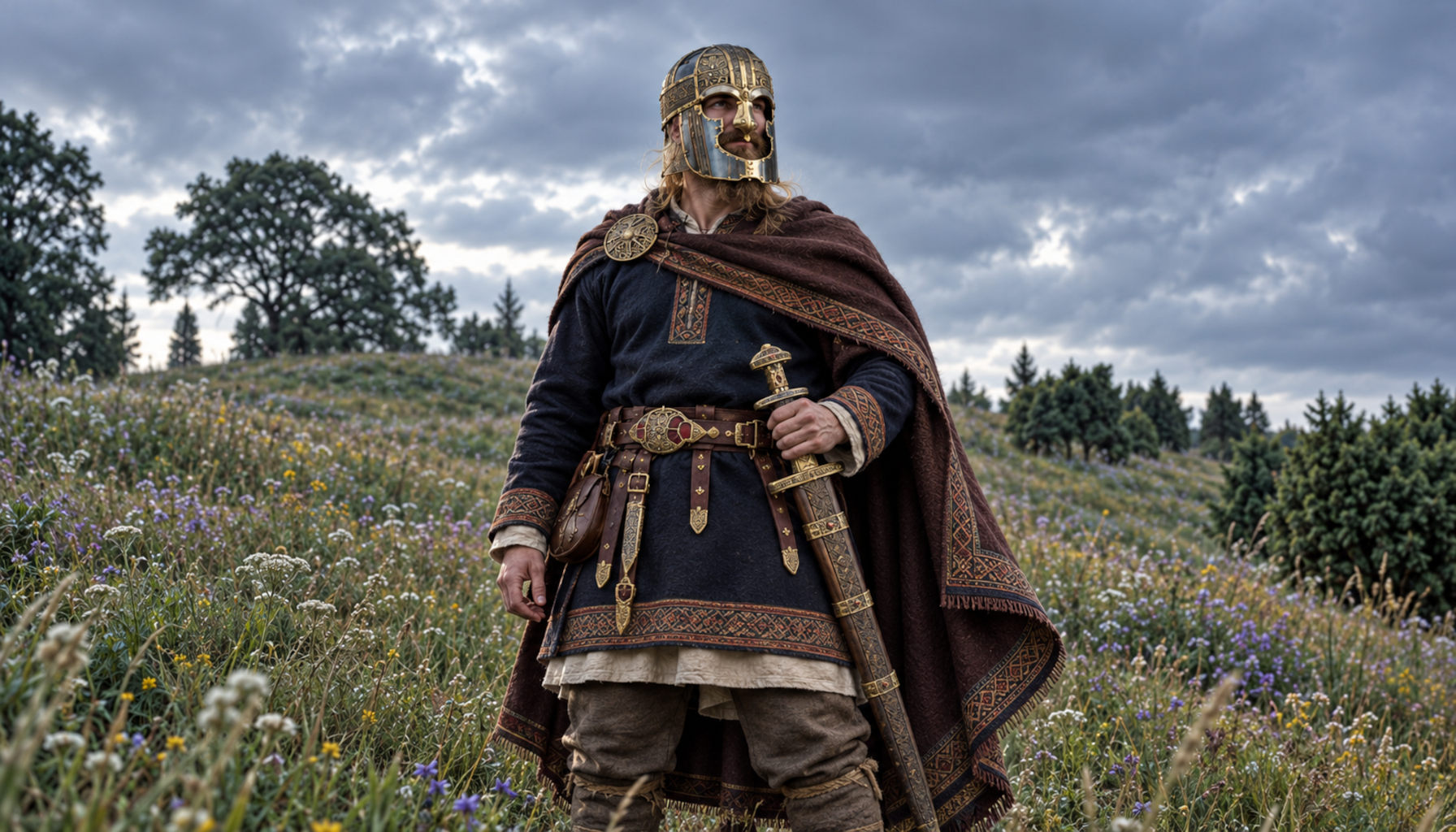
For those interested in deeper paternal-line context, the Boleyn family's tagged haplogroup is I2a1b1a2b1a2a1a. We should be careful here: ancient DNA samples linked to this branch are not proof of direct descent from the Boleyns, nor are they "the Boleyn line" in any simple sense. But they do offer a wider prehistoric and early historic backdrop for related paternal ancestry. Among linked samples are Jute Early Roman Era Denmark Jutland Bog War Alken Enge individuals CGG019202 and CGG019212, Iron Age Denmark Eastern Sjaelland Varpelev CGG107412, Danii Tribe Denmark Forevejlegard CGG107532, Viking Age Oland Sweden VK342, and Viking Age Dwarf Uppsala Sweden VK517. Taken together, these samples point toward a northern European background with visible roots in Iron Age and Viking Age Scandinavia and Denmark, a reminder that the later history of England's noble families unfolded atop far older layers of migration, kinship, and movement around the North Sea.
Explore Anglo-Saxon migration DNA
The Boleyns remain fascinating because they show how history really works: not as a neat tale of heroes and villains, but as a family navigating ambition, opportunity, marriage, faith, danger, and memory in one of England's most volatile courts. If your own DNA connects with haplogroup I2a1b1a2b1a2a1a or with related ancient samples, you may be seeing a distant echo of the same deep northern European past. Upload your DNA to MyTrueAncestry to see whether you match the House of Boleyn or related ancient DNA samples.

Comments