The House of Beauchamp

– 2 min read


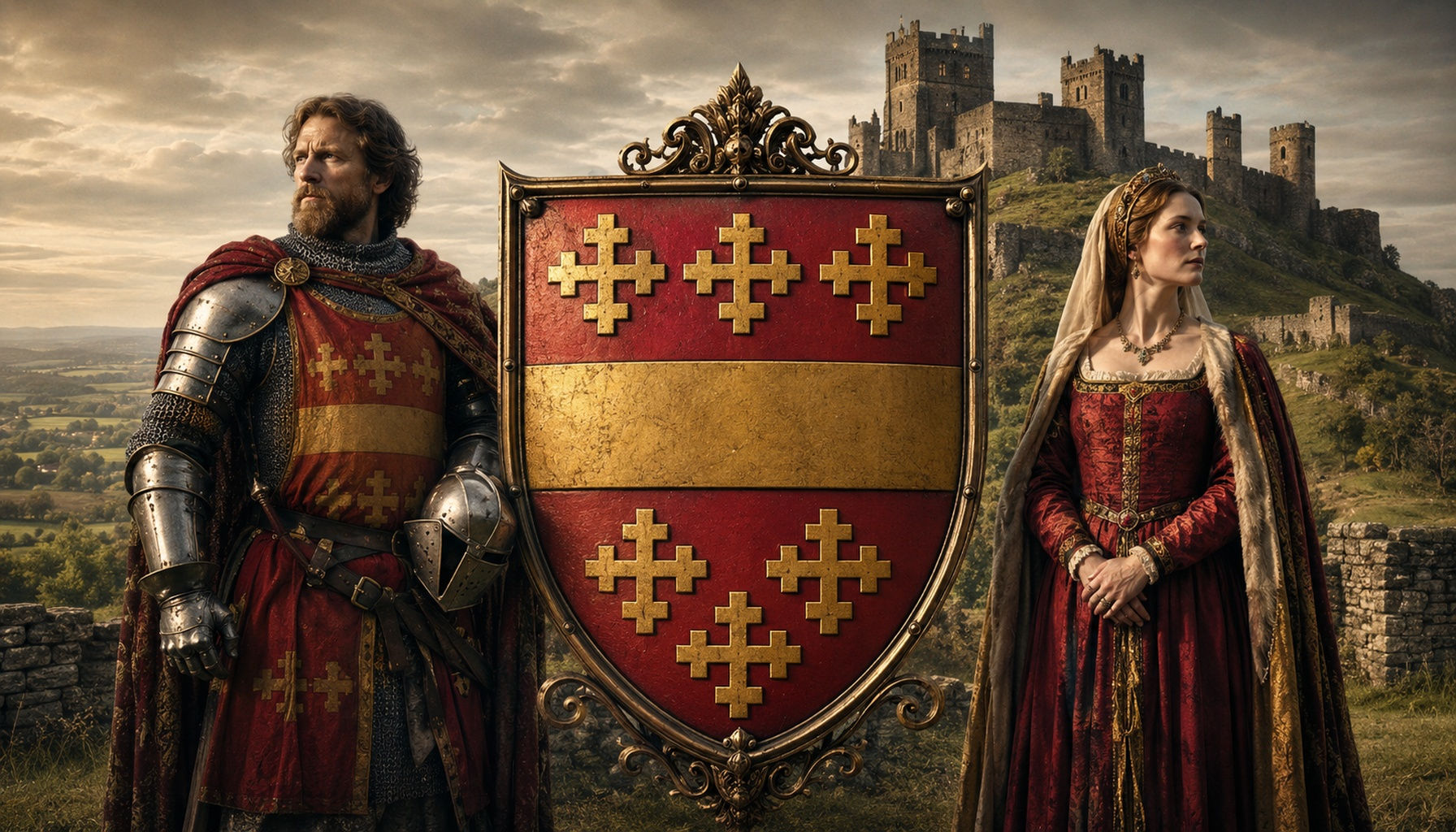
The Beauchamps were one of the great noble houses of medieval England: a family of Norman origin that became deeply woven into the political, military, and territorial fabric of the kingdom. Their name, from Beauchamp in Normandy, belongs to that familiar post-Conquest pattern in which lords arrived with continental roots and then built lasting English power through landholding, royal service, marriage, wardships, inheritance, and the careful management of feudal obligations. In haplogroup terms, the family is here linked with R1b1a1b1a1a1c2b2a1b1a4a, the primary family haplogroup tag attached to this house.
What makes the Beauchamps so interesting is that they were not merely local grandees with a handsome seal and a few tenants. They became one of the defining magnate families of high medieval England, especially through their association with the Earldom of Warwick. Their rise reflects the whole machinery of aristocratic power: castles as statements of command, estates as engines of wealth, heraldry as public identity, and loyalty to the crown balanced against the ever-shifting dangers of baronial politics. Figures such as John de Beauchamp (1274-1336) stand in this world of service, ambition, and influence, where noble families were expected to fight, govern, advise, and sometimes survive the consequences of doing all three at once.
If you want a place that anchors the Beauchamps to the landscape, Elmley Castle in Worcestershire is the obvious one. This was an early and important caput of the family, set beneath Bredon Hill and tied to the consolidation of Norman lordship in the English Midlands. The first castle there was a motte-and-bailey, established after the Norman Conquest, and it later developed into a more substantial stone fortress. In practical terms, this was not just a residence but a center of estate management, lordship, defense, and display: exactly the kind of place from which a medieval noble family projected power into the surrounding countryside. Although the castle is now a ruin rather than an intact fortress, the earthworks and surviving remains still speak eloquently of its former importance, and the site and village area can still be visited, making it a valuable stop for anyone interested in the Beauchamps in their proper setting.
Read more about the House of Mortimer
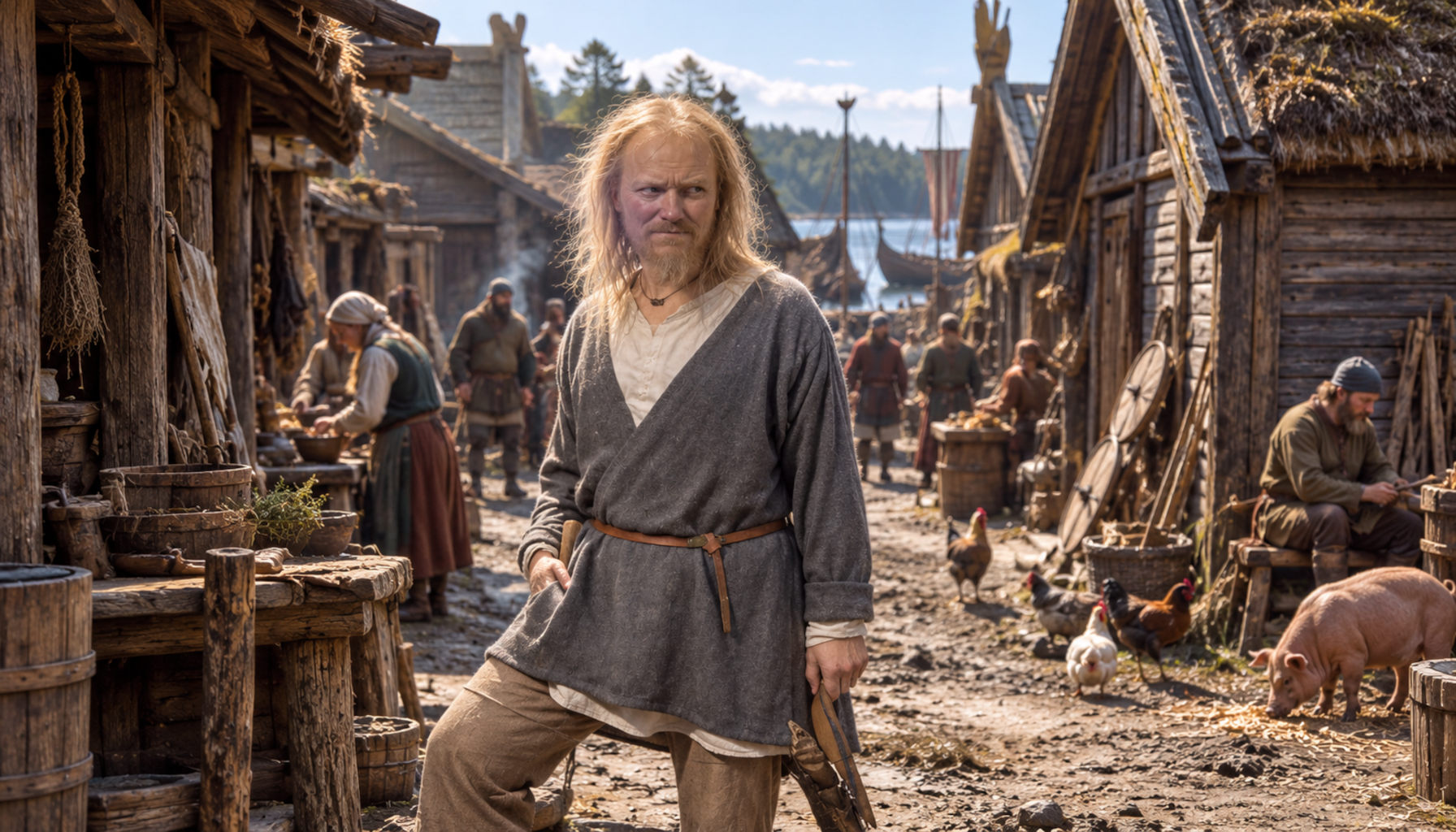
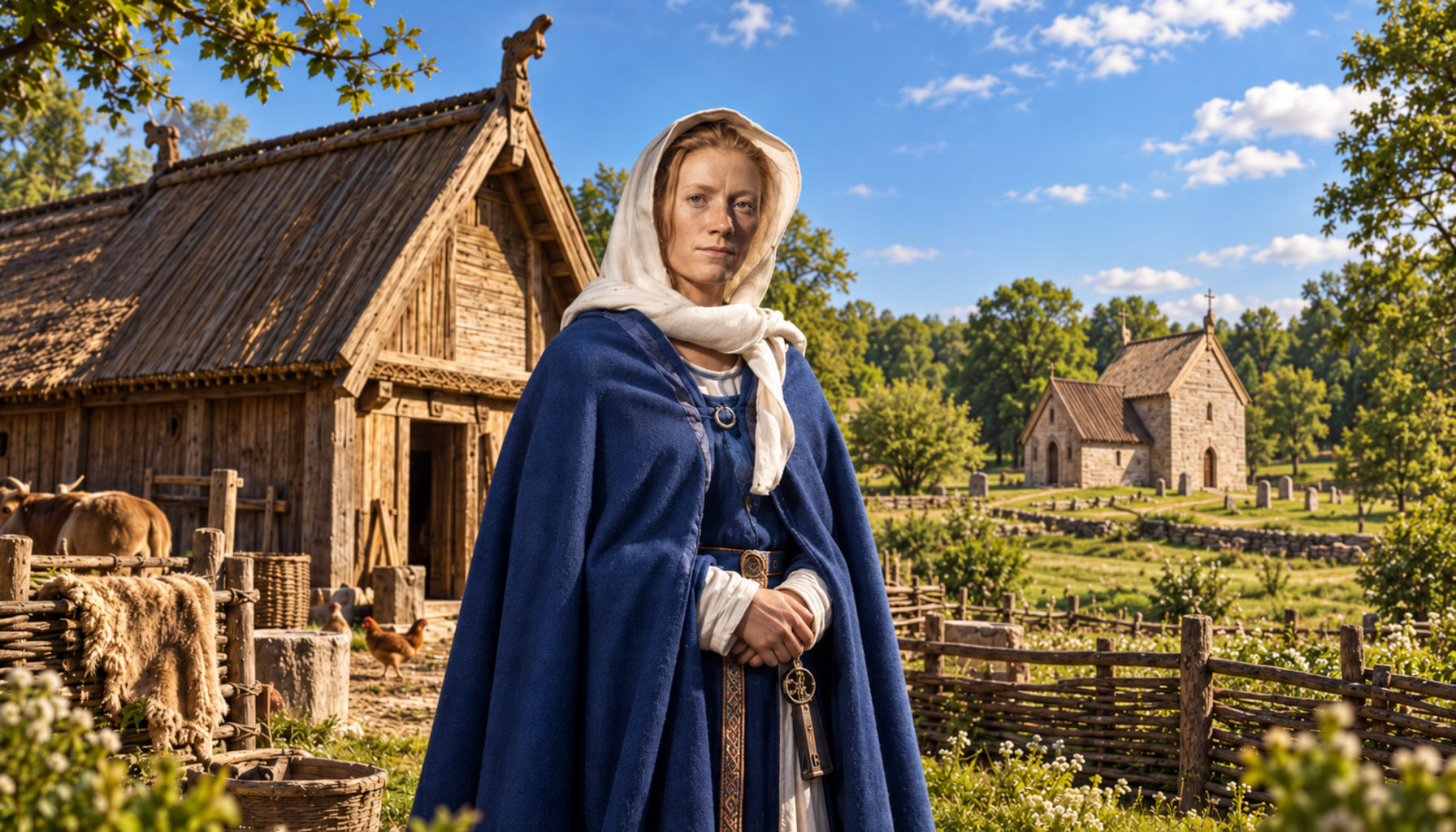
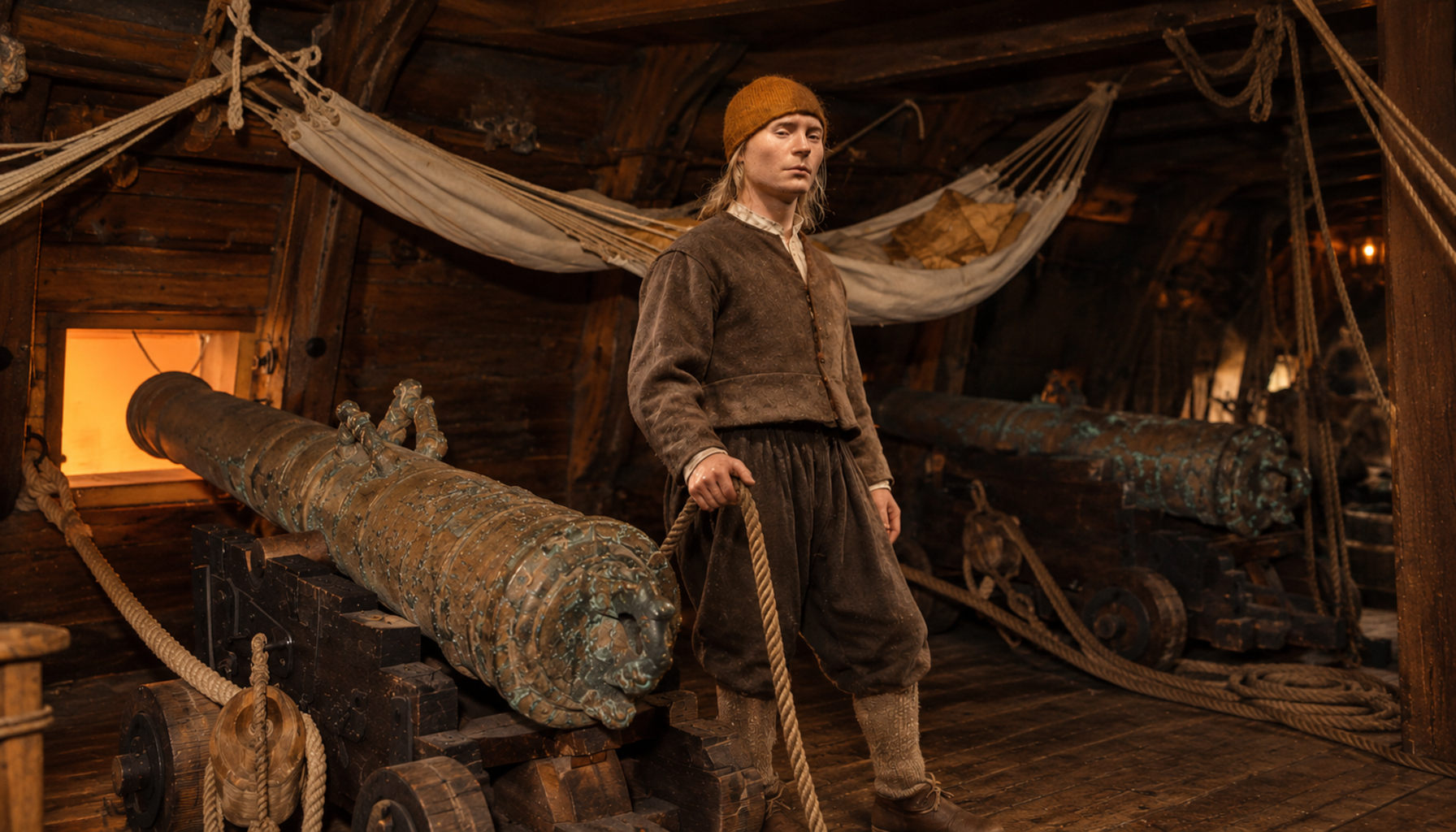
From an ancient-DNA perspective, the Beauchamp-linked haplogroup R1b1a1b1a1a1c2b2a1b1a4a appears in a spread of medieval and early medieval contexts across northwestern and northern Europe. Related or linked samples include Medieval England Cambridge St Johns Hospital (ATP_PSN_78), Medieval Germany Sachsen-Anhalt Western Slav Settler Steuden (SDN003), Early Anglo Saxon Period Hatherdene Close Cambridgeshire England (HAD011), Saxon Grave Lower Saxony Hannover-Anderten Germany (ADN002), Viking Age Gotland Kopparsvik Sweden (VK469), and Viking Age Galgedil Funen Denmark (VK133). These do not prove direct descent from the Beauchamps, and should not be read that way. What they do offer is a broader genetic backdrop for the kind of northern European paternal lineages that moved through the same medieval world of Normans, Anglo-Saxons, Danes, and regional elites from which later noble houses emerged.
The story of the Beauchamps is, in the end, the story of how medieval power really worked: not abstractly, but through places, kinship, service, warfare, inheritance, and memory. If you have tested your DNA, you can upload it to MyTrueAncestry and see whether you match the House of Beauchamp or any of these related ancient DNA samples.
Comments