The Gyllencreutz Family
– 3 min read


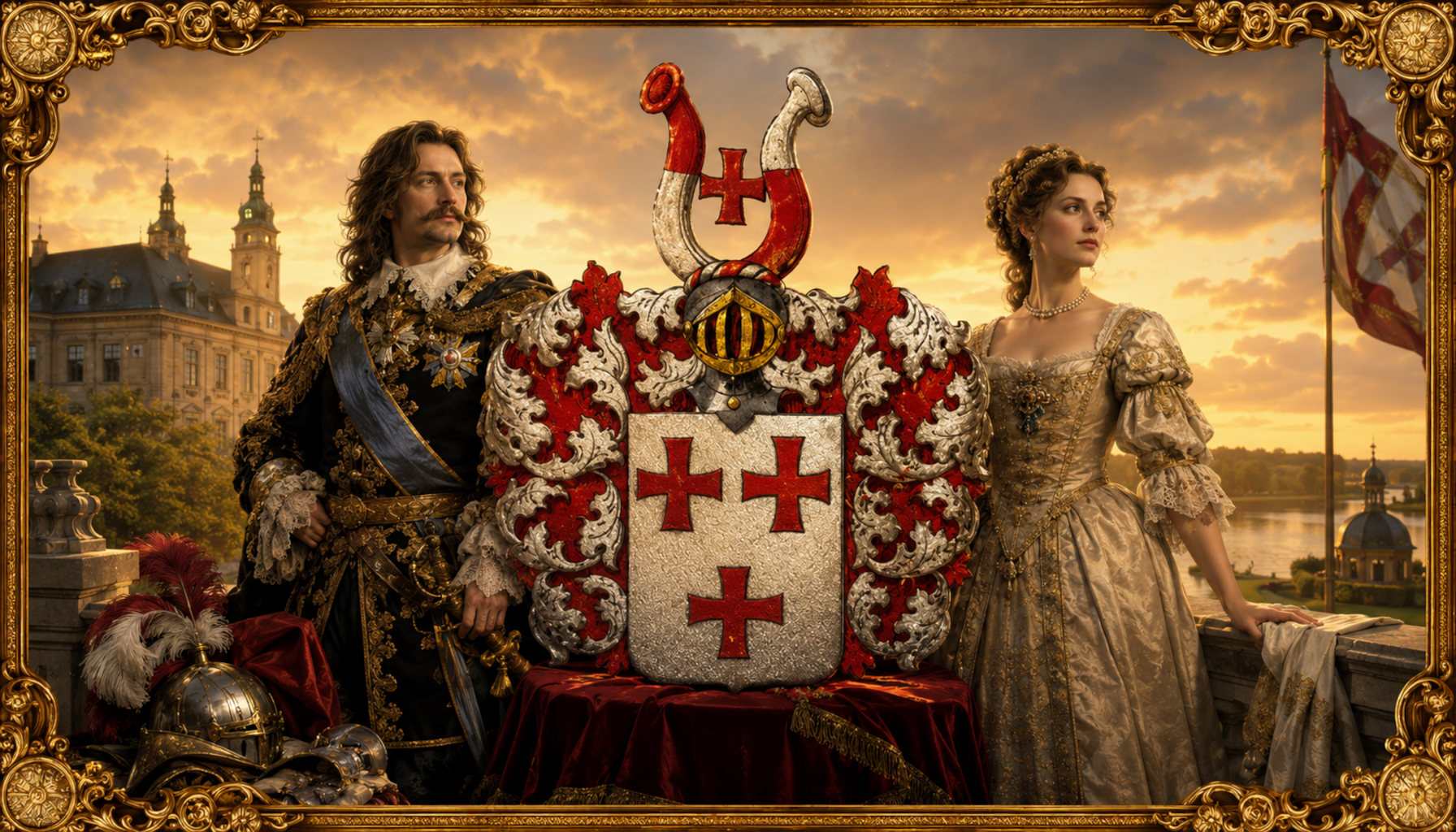
The Gyllencreutz family was a Swedish noble family of Holstein origin, introduced at the Riddarhuset in 1625 as noble family no. 54, and linked here with the haplogroup R1b1a1b1a1a2c1a4b2c1a1b1b1. Their story begins not in the old Swedish heartland but in Holstein, that busy borderland between the Danish and German worlds, where service, court culture, and ambition could carry a family far. From there came Lars Tygesson and his son Tyge Larsson, the man who would make the family name in Sweden.
Tyge Larsson was remembered as a well educated man, and that matters. In the late 1500s, education, literacy, and administrative skill were powerful currencies in a kingdom being refashioned by Reformation politics and royal government. After coming to Sweden, he served as tutor, court official, and then steward to Duke Magnus of Ostergotland. He signed the decision of the Uppsala meeting in 1593, was ennobled in 1594 under the name Gyllencreutz, and also served as governor or bailiff over Kongsbro and as district judge in Vitolka harad. This is the pattern of a family rising not simply by sword, but by service: law, office, estates, and proximity to power. Later generations spread through the cavalry, county administration, the courts, and provincial government. Among them were figures such as Alf Gyllencreutz, who died at the Battle of Leipzig in 1642, and Carl Gustaf Gyllencreutz, an important official and lagman who became a political voice in the Sweden of the late 17th and early 18th centuries. The women of the family, including Kerstin, Anna, Marina, Beata, Maria Elisabet, Ulrika, and Elisabet Maria, tied the house into a wider web of noble and military families, as so often happened in the social mechanics of early modern Scandinavia.
Read more about the Gyllenstierna Family
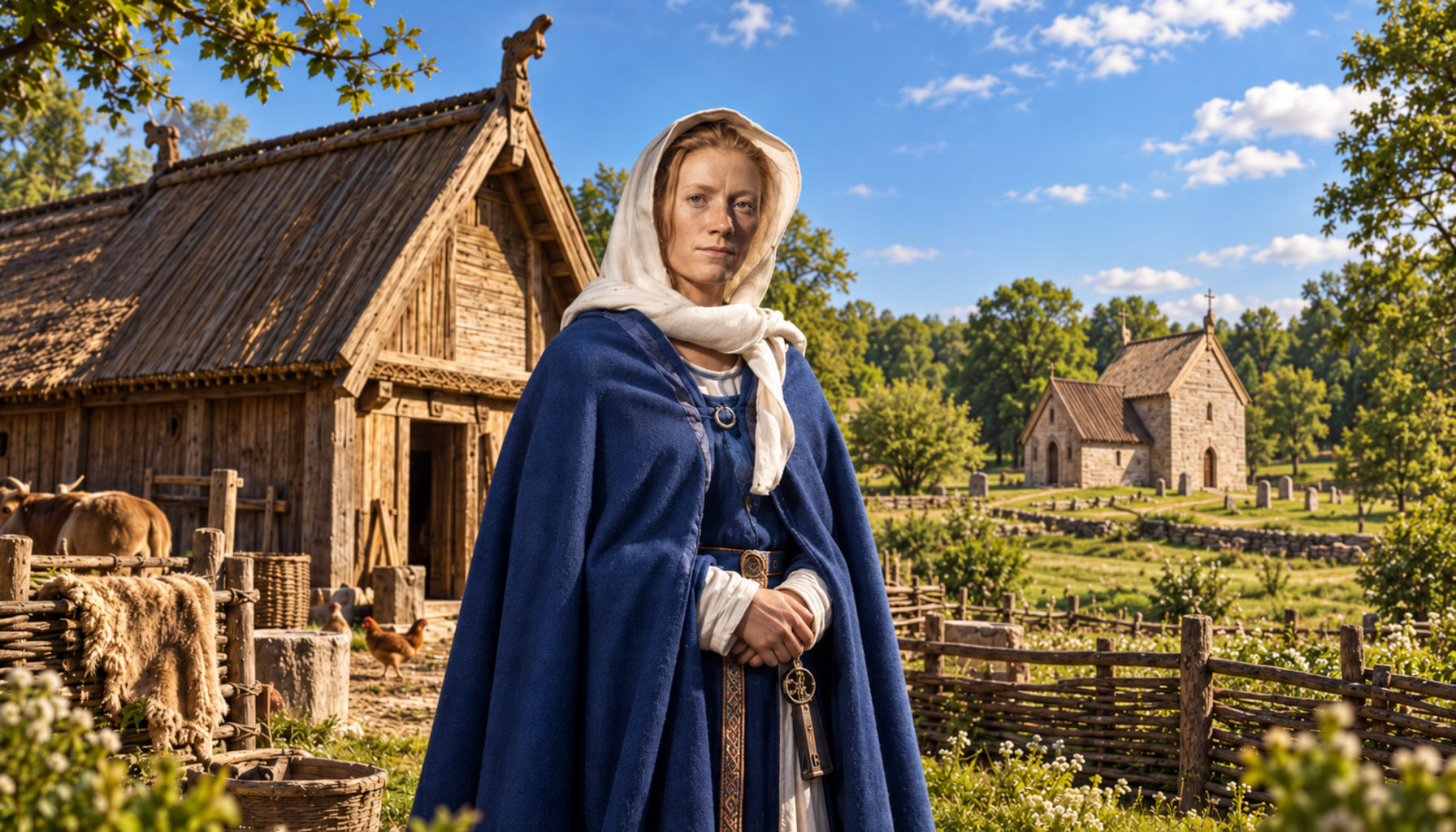
The real anchor of the Gyllencreutz family in Sweden was Ostergotland. Tyge Larsson was closely connected with Viby, Hallerstad, Fyrby, and Taby, and that is more than a list of place-names. It shows how an immigrant servant of the crown became rooted in the landed world of one of Sweden's most important provinces. Ostergotland in this period was a region of farms, manors, church parishes, legal districts, and strategic roads, where noble authority was exercised not in some abstract heraldic sense but in barns, courts, rent rolls, and cavalry musters. If you visit the area today, you can still move through landscapes that preserve much of that historic setting: parish churches, manor environments, and the broader agricultural terrain that framed the family's rise. Even when the exact buildings tied to one generation have changed, the geography of their power is still legible on the ground, which is often the most revealing thing of all.
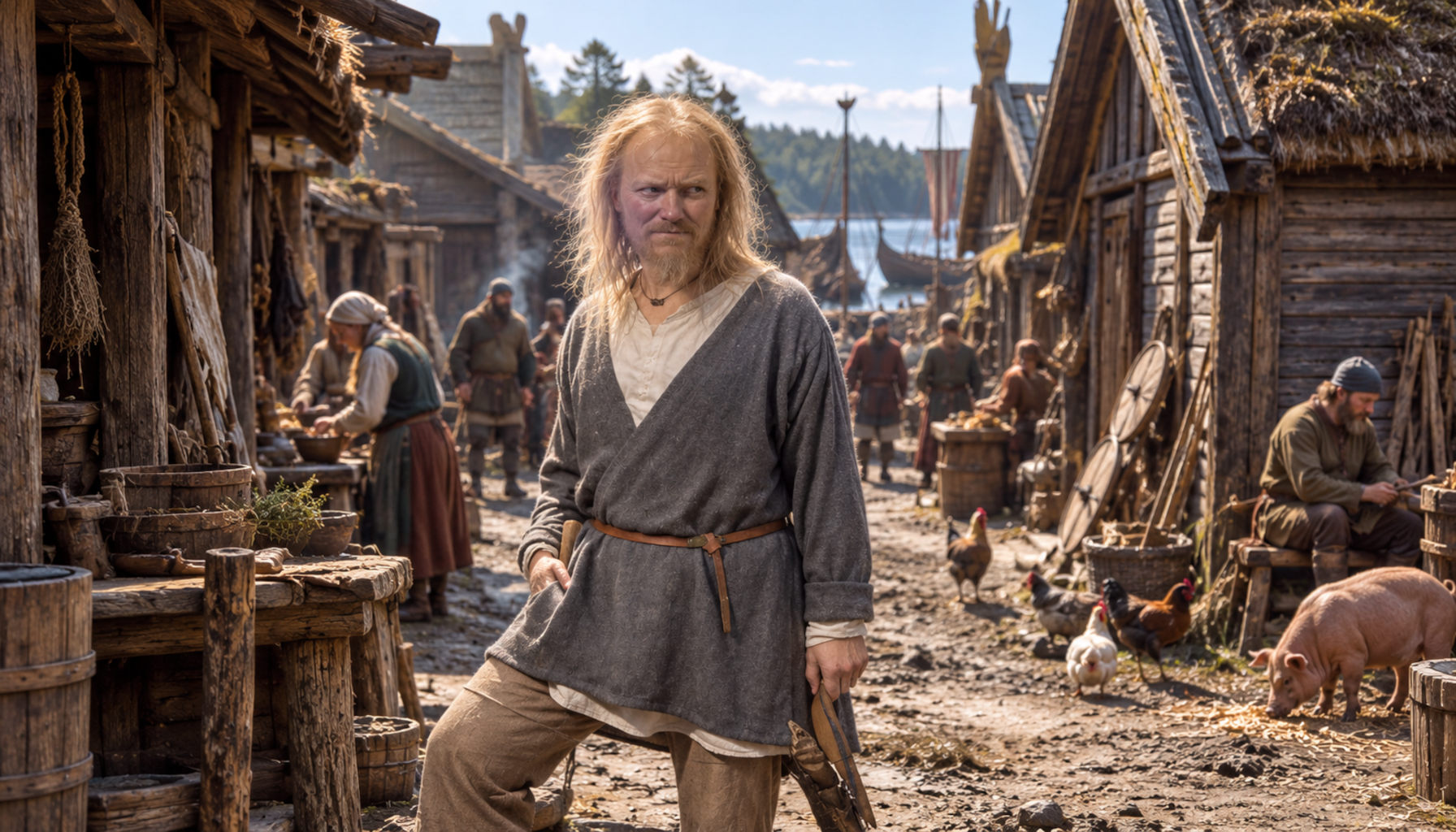
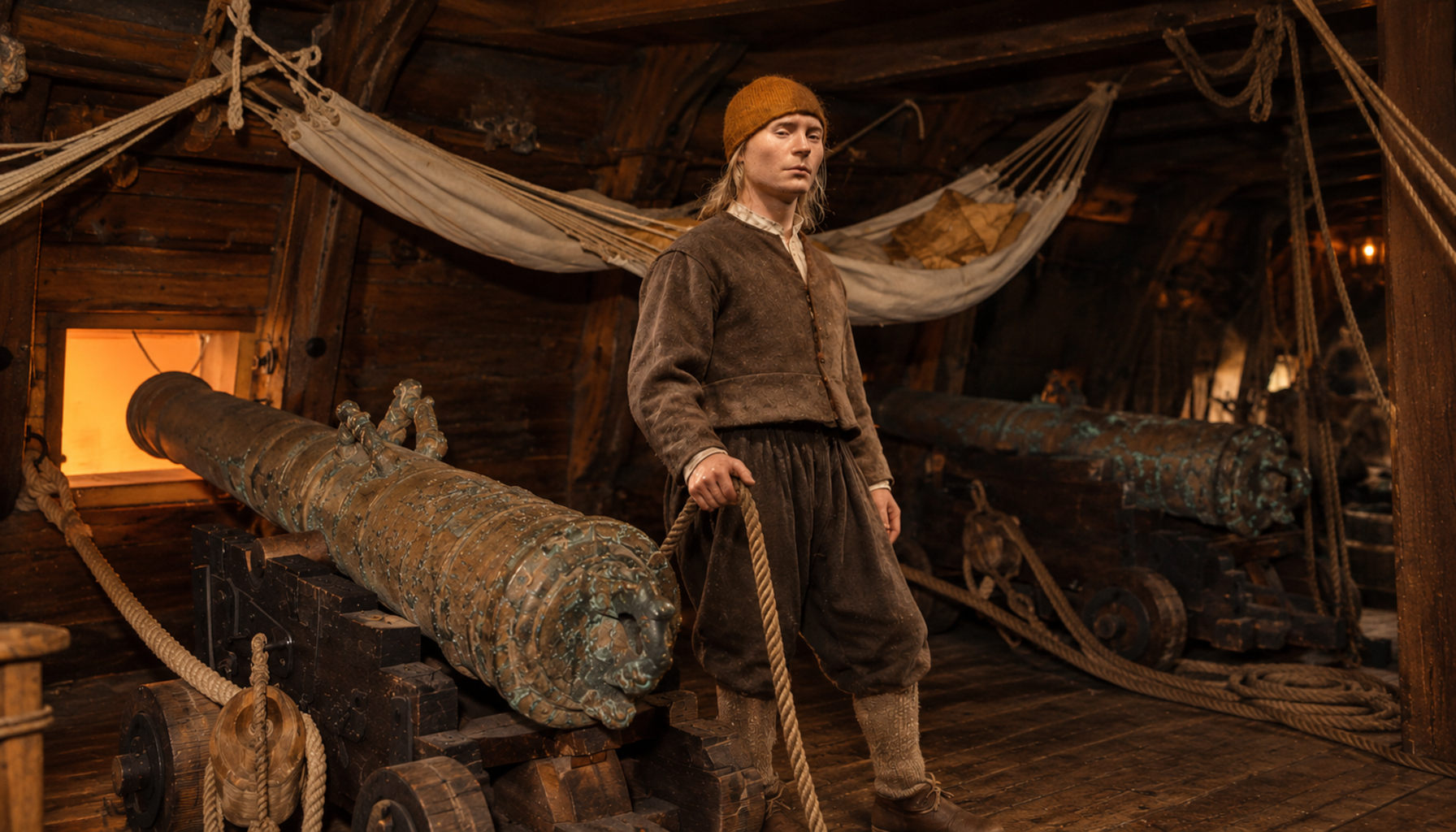
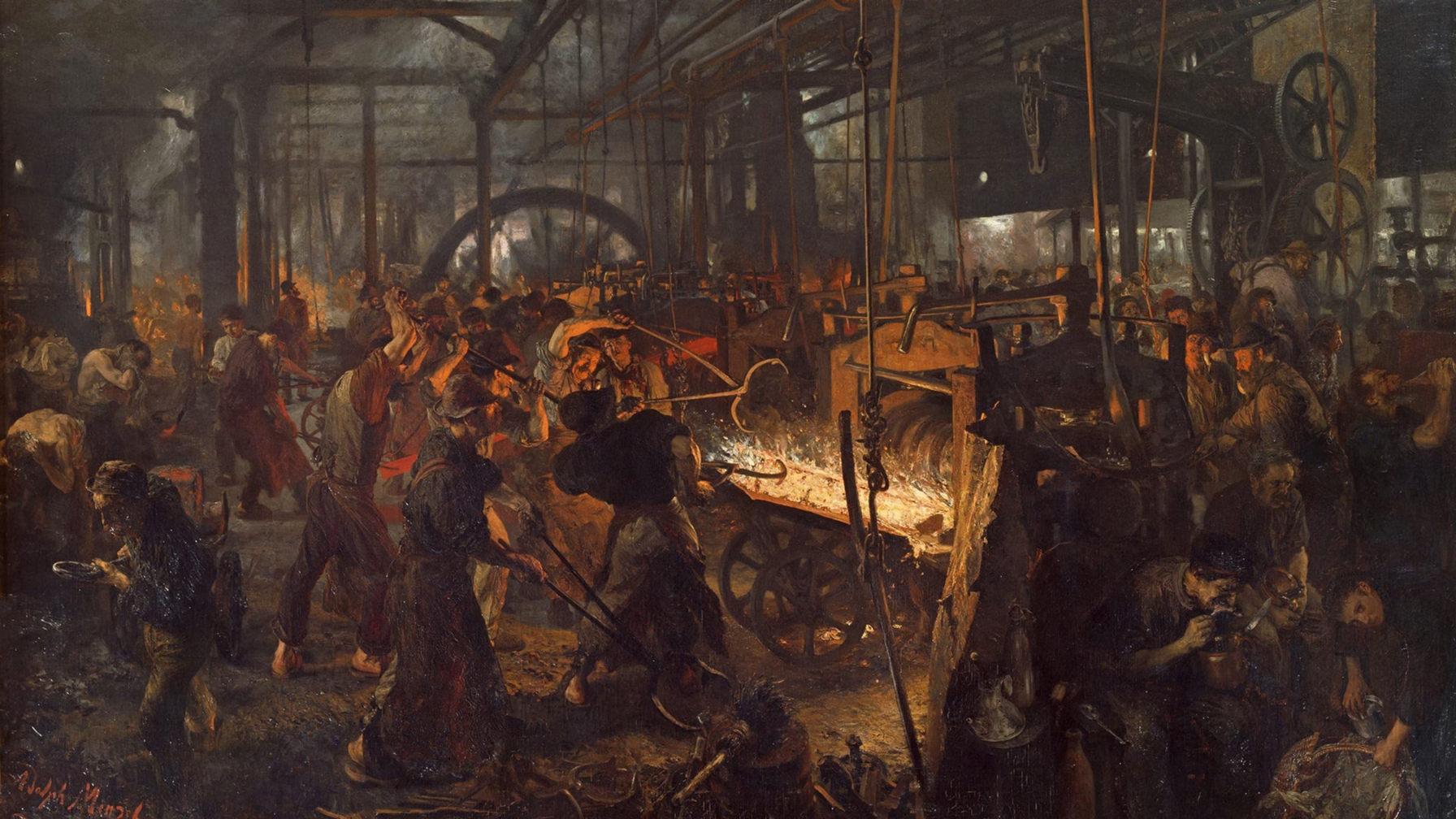
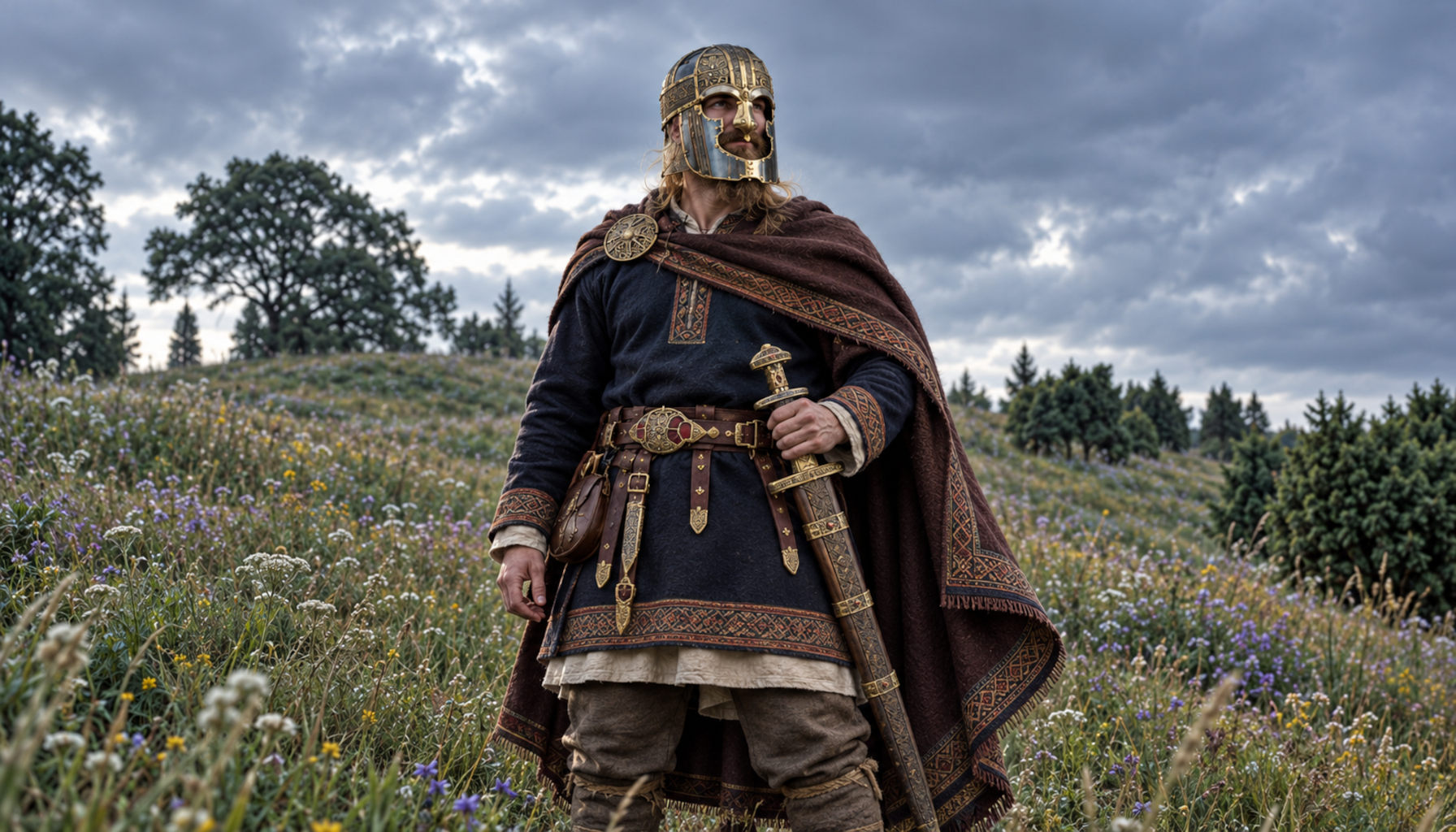
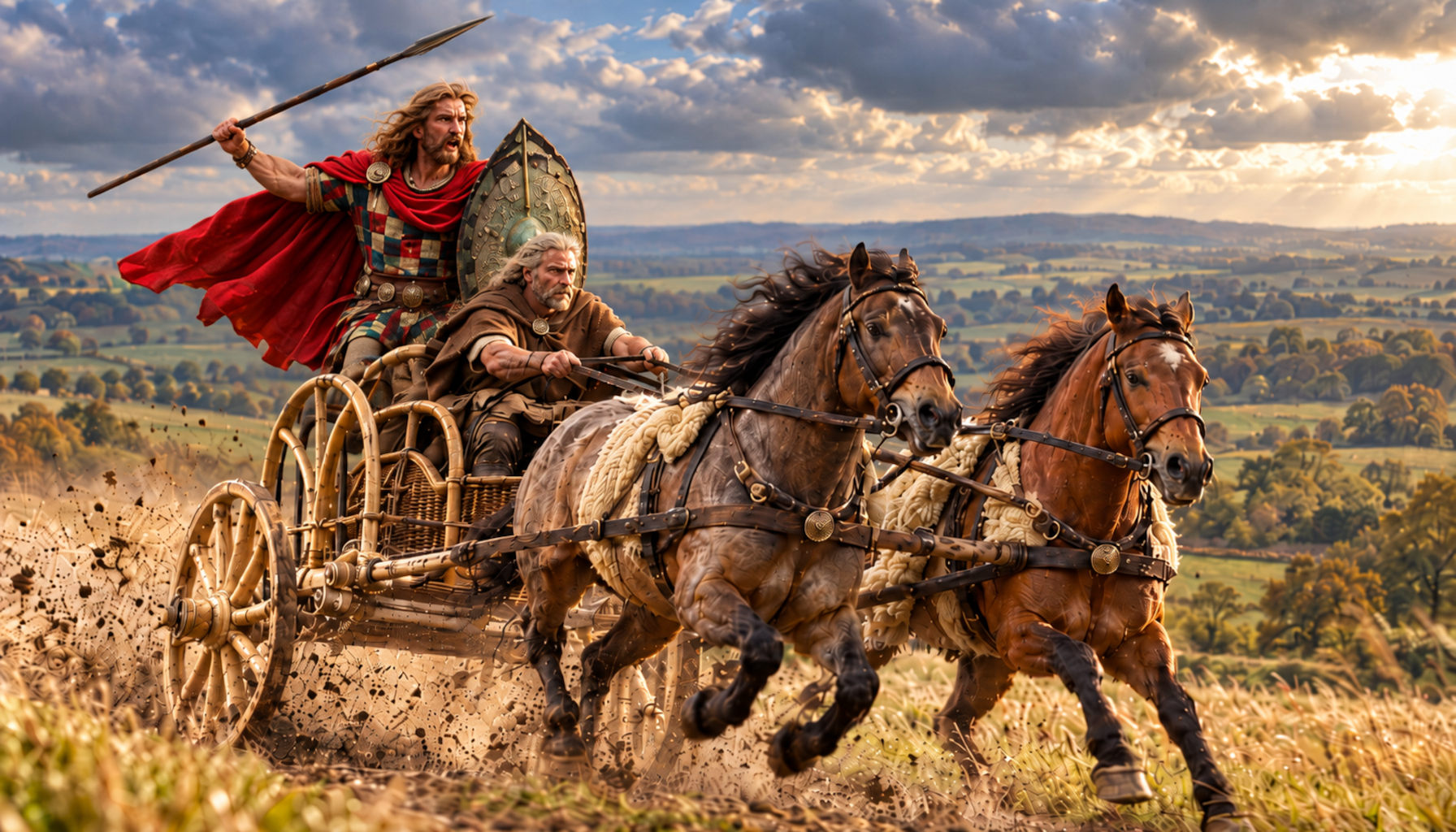
From a DNA perspective, the primary family haplogroup tag here is R1b1a1b1a1a2c1a4b2c1a1b1b1. That does not mean every historic Gyllencreutz line can be directly tied to any excavated ancient individual, and it certainly does not prove direct descent from specific ancient samples. What it does offer is a broader deep-time backdrop. Related or linked samples assigned within this wider paternal branch include Late Medieval England at Clopton, Cambridgeshire (ATP_PSN_1268), the Bronze Age Tollense Valley battlefield in Mecklenburg-Vorpommern (WEZ59), Medieval Ireland at Kilteasheen in Roscommon, Bishops Seat (KIL020), the Belgic tribal world of Danebury hillfort in Hampshire (I17264), Early Viking Age Oland in Sweden (VK349), and Bronze Age Trumpington in England (I7640). Taken together, these linked finds sketch a long northern and western European story of movement, warfare, local continuity, and social change - a fitting backdrop for a family that itself crossed from Holstein into Sweden and embedded itself in the military and legal fabric of the kingdom.
Read more about the Bure Family
If you are exploring the Gyllencreutz family, or families like it, the most interesting question is not just who held the title, but how deep the story runs. Upload your DNA to MyTrueAncestry and see whether you match the Gyllencreutz family line or related ancient DNA samples from medieval Britain, Viking Age Sweden, Bronze Age Germany, and beyond.
Comments