Shifting Sands: Population Dynamics during the Muslim-Christian Transition in 11th-13th Century Algarve Caterina November 14, 2025 – 3 min read Share this post Papers Paleogenomics of Ancient Italian Islands Sicily Before Farming: Caves, Burials, and the First Island Foragers Sicily's earliest people survive not in chronicles but in caves: limestone chambers holding broken bones, stone tools, and burials that have become almost characters in their own right. Grotta di San Teodoro, Grotta d'Oriente, Grotta dell& By Sven • 6 min read Papers Thomas Jefferson’s DNA and the Sally Hemings Paternity Question Monticello, Power, and the Human Drama Behind the Question of Paternity Monticello sits on a Virginia hilltop as one of America's most revealing historical landscapes. Beneath its elegant architecture lies a harder truth: this was a plantation sustained by enslaved labor, where ideals of liberty lived side by By Jamie L • 4 min read Papers Genetic History of Grecìa Salentina’s Greek-Speaking Community Grecia Salentina: A Greek-Speaking Corner at the Heel of Italy At the far southeastern tip of Italy, tucked into the Salento peninsula, a form of Greek has survived for centuries among a cluster of towns with an unusually long memory. The villages sit across mostly flat countryside, not far from By Caterina • 6 min read Papers Paleogenomics of Ancient Italian Islands Sicily Before Farming: Caves, Burials, and the First Island Foragers Sicily's earliest people survive not in chronicles but in caves: limestone chambers holding broken bones, stone tools, and burials that have become almost characters in their own right. Grotta di San Teodoro, Grotta d'Oriente, Grotta dell& By Sven • 6 min read Haplogroups and Noble Lines The House de Lalaing House de Lalaing Who were the House de Lalaing? The House de Lalaing was one of the notable noble families of Hainaut, rooted in the lordship of Lallaing in the southern Low Countries, in what is now northern France near the old frontier world of Flanders, Hainaut, and Brabant. Their By Sara V • 3 min read Haplogroups and Noble Lines The House Gernet The House Gernet Background The House Gernet was a medieval Anglo-Norman landed family rooted above all in Lancashire, and particularly associated with the manor of Halton near Lancaster. Established in northern England in the generations after the Norman Conquest, the Gernets belonged to that very important stratum of society that By Jamie L • 3 min read Haplogroups and Noble Lines The House de Mandeville House de Mandeville Who the family was The House de Mandeville was one of the great Norman and Anglo-Norman noble families to rise in the wake of 1066, and it is closely associated here with the Y-DNA haplogroup I1a2b1c1a, treated as the primary family haplogroup tag. The name itself points By Jamie L • 3 min read Haplogroups and Noble Lines The House van Tuyl House van Tuyl Background The House van Tuyl was a medieval Dutch noble lineage rooted in Gameren and the river lands of Gelderland, part of that intricate low-country world where power was not held in grand capitals so much as in estates, dikes, rights, alliances, and fortified homes. Their name By Sven • 3 min read Haplogroups and Noble Lines The House Paynel House Paynel Norman lords of Hambye, Moutiers-Hubert, and the cross-Channel world The House Paynel was one of those thoroughly Norman families who seem to stride straight out of the eleventh century: lords rooted in western Normandy, tied to Hambye and Moutiers-Hubert, active in war, landholding, marriage politics, and church patronage By Sara V • 3 min read
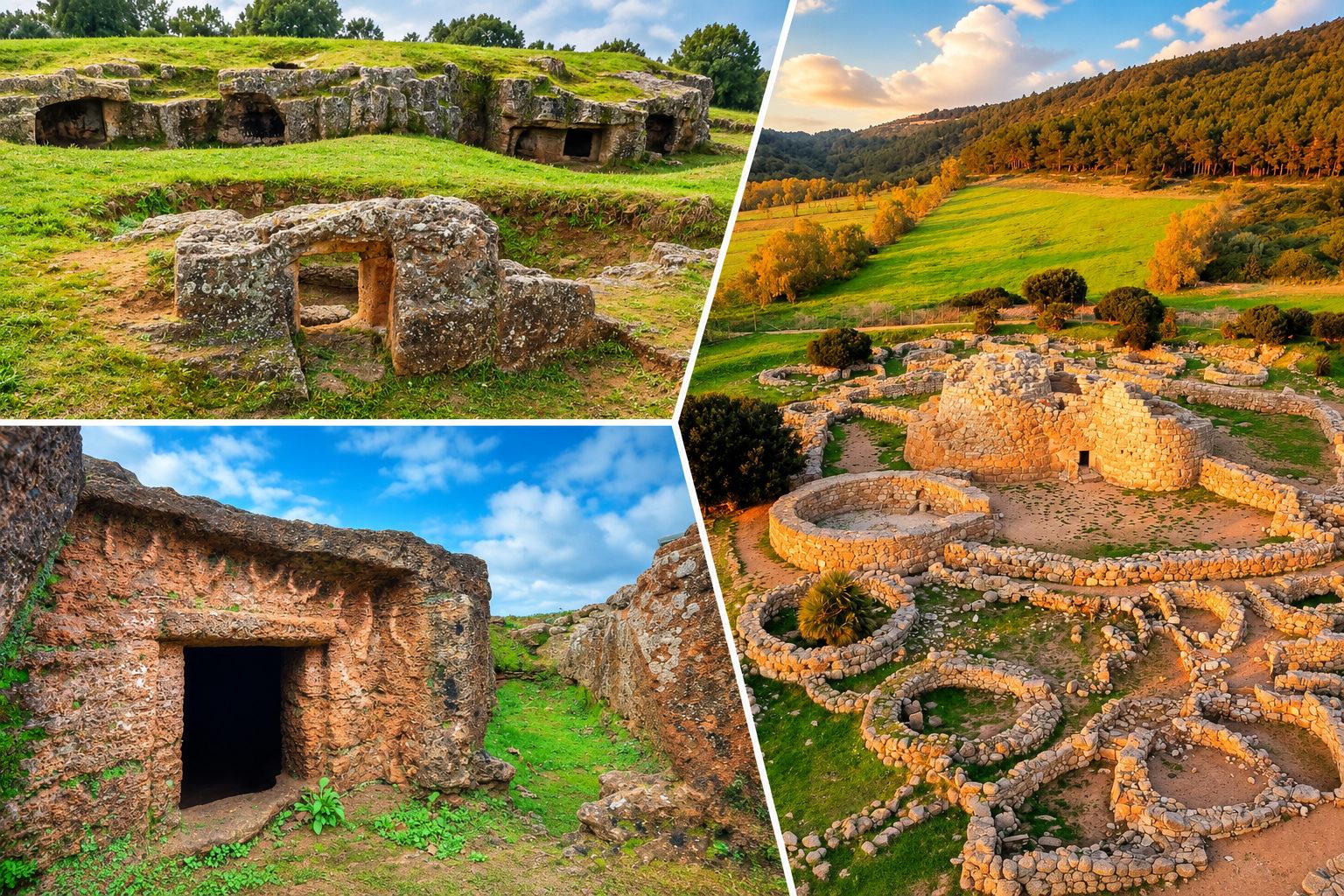
Papers Paleogenomics of Ancient Italian Islands Sicily Before Farming: Caves, Burials, and the First Island Foragers Sicily's earliest people survive not in chronicles but in caves: limestone chambers holding broken bones, stone tools, and burials that have become almost characters in their own right. Grotta di San Teodoro, Grotta d'Oriente, Grotta dell& By Sven • 6 min read
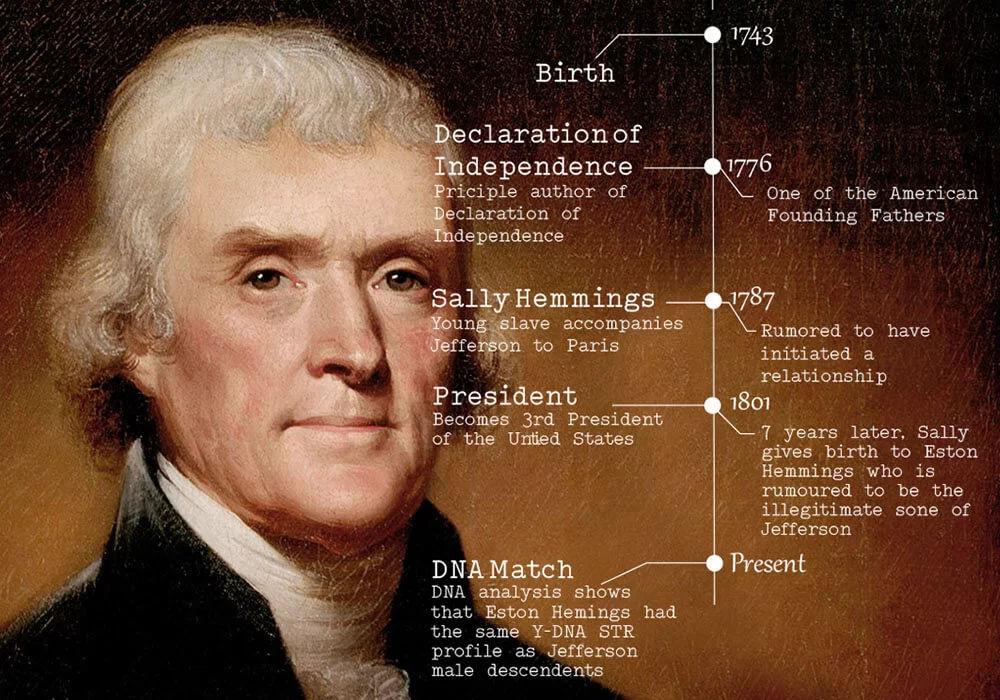
Papers Thomas Jefferson’s DNA and the Sally Hemings Paternity Question Monticello, Power, and the Human Drama Behind the Question of Paternity Monticello sits on a Virginia hilltop as one of America's most revealing historical landscapes. Beneath its elegant architecture lies a harder truth: this was a plantation sustained by enslaved labor, where ideals of liberty lived side by By Jamie L • 4 min read
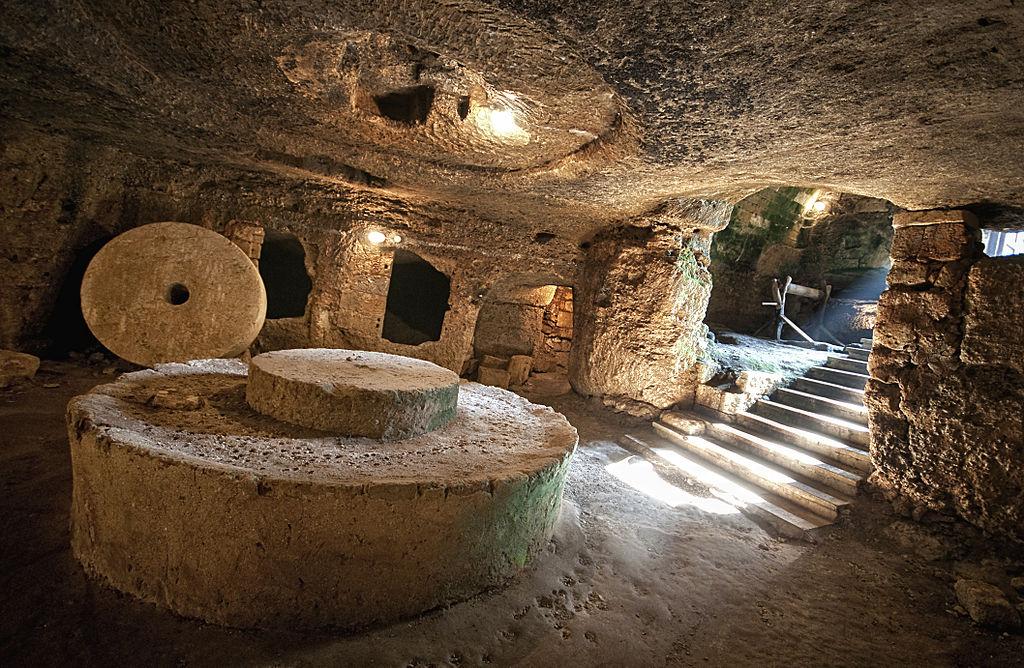
Papers Genetic History of Grecìa Salentina’s Greek-Speaking Community Grecia Salentina: A Greek-Speaking Corner at the Heel of Italy At the far southeastern tip of Italy, tucked into the Salento peninsula, a form of Greek has survived for centuries among a cluster of towns with an unusually long memory. The villages sit across mostly flat countryside, not far from By Caterina • 6 min read
Papers Paleogenomics of Ancient Italian Islands Sicily Before Farming: Caves, Burials, and the First Island Foragers Sicily's earliest people survive not in chronicles but in caves: limestone chambers holding broken bones, stone tools, and burials that have become almost characters in their own right. Grotta di San Teodoro, Grotta d'Oriente, Grotta dell& By Sven • 6 min read
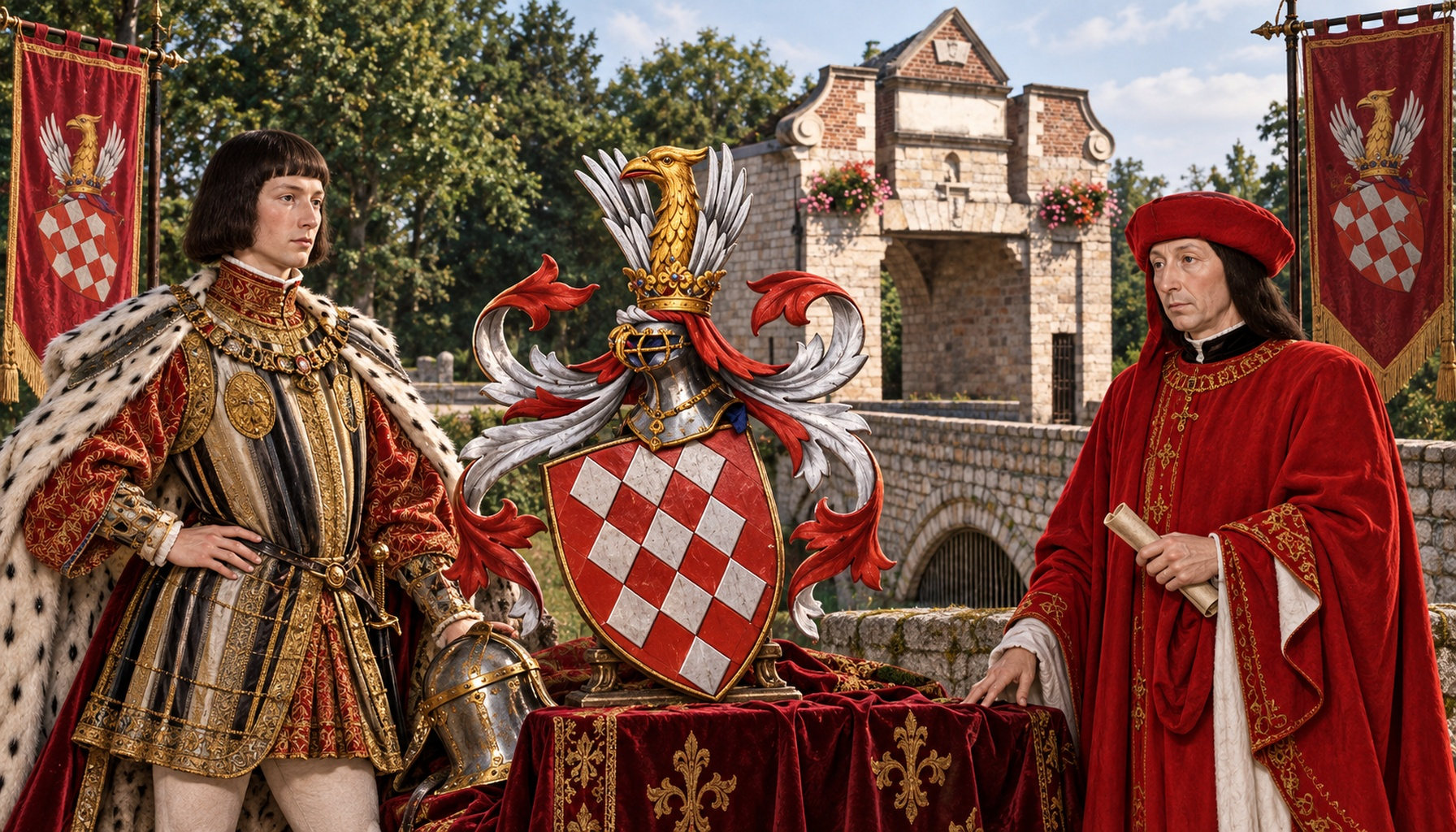
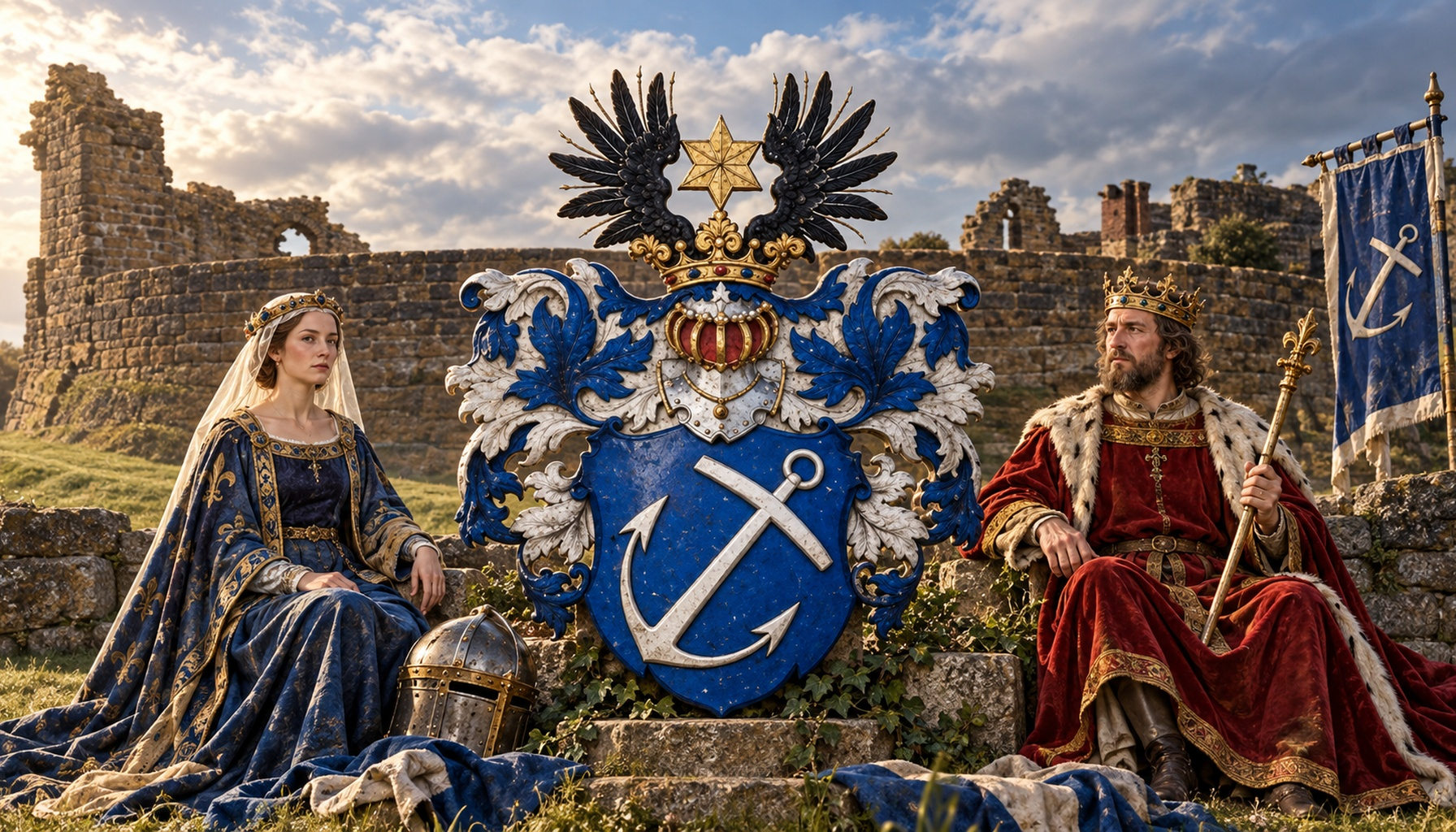
Haplogroups and Noble Lines The House de Lalaing House de Lalaing Who were the House de Lalaing? The House de Lalaing was one of the notable noble families of Hainaut, rooted in the lordship of Lallaing in the southern Low Countries, in what is now northern France near the old frontier world of Flanders, Hainaut, and Brabant. Their By Sara V • 3 min read
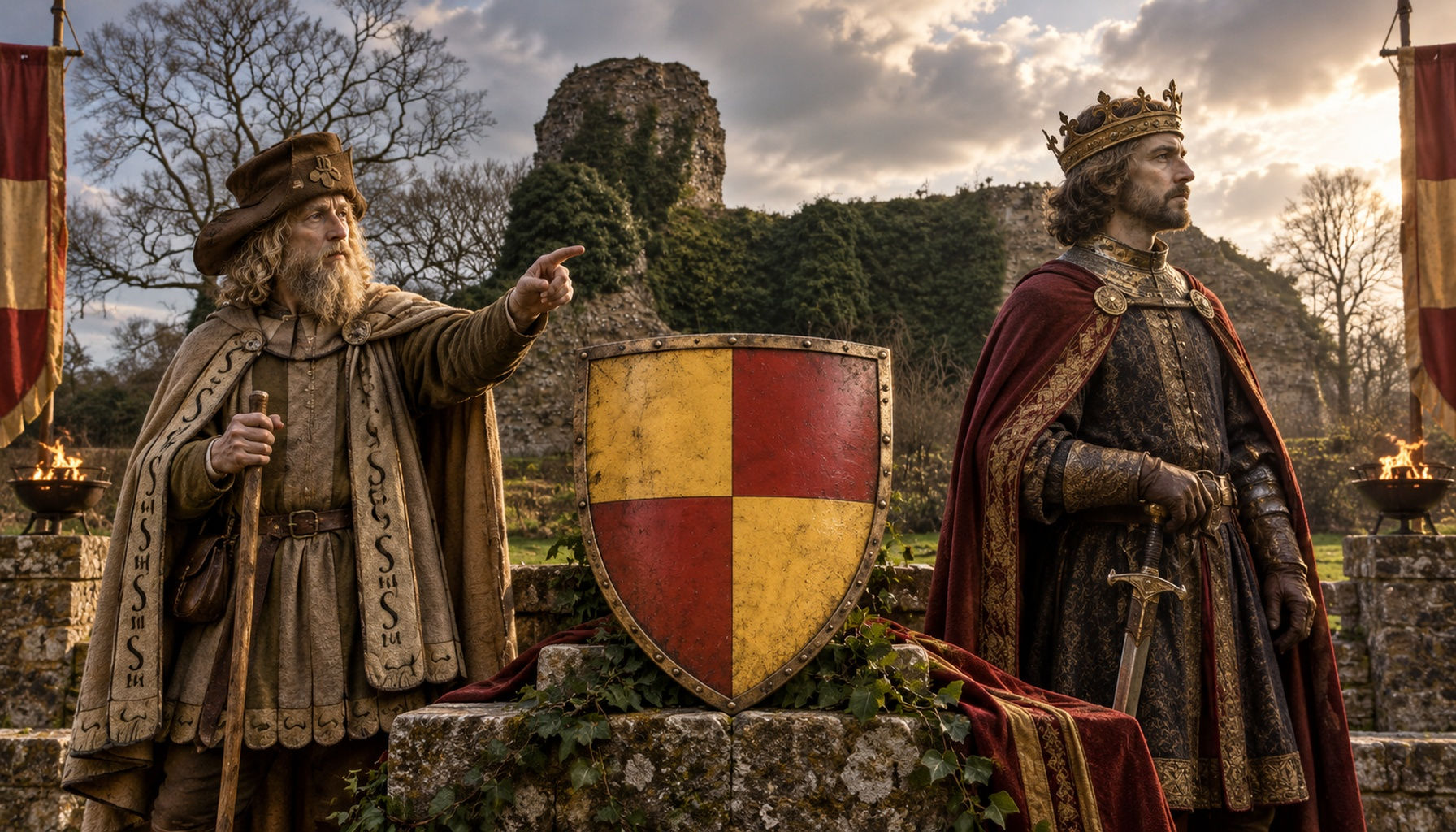
Haplogroups and Noble Lines The House Gernet The House Gernet Background The House Gernet was a medieval Anglo-Norman landed family rooted above all in Lancashire, and particularly associated with the manor of Halton near Lancaster. Established in northern England in the generations after the Norman Conquest, the Gernets belonged to that very important stratum of society that By Jamie L • 3 min read
Haplogroups and Noble Lines The House de Mandeville House de Mandeville Who the family was The House de Mandeville was one of the great Norman and Anglo-Norman noble families to rise in the wake of 1066, and it is closely associated here with the Y-DNA haplogroup I1a2b1c1a, treated as the primary family haplogroup tag. The name itself points By Jamie L • 3 min read
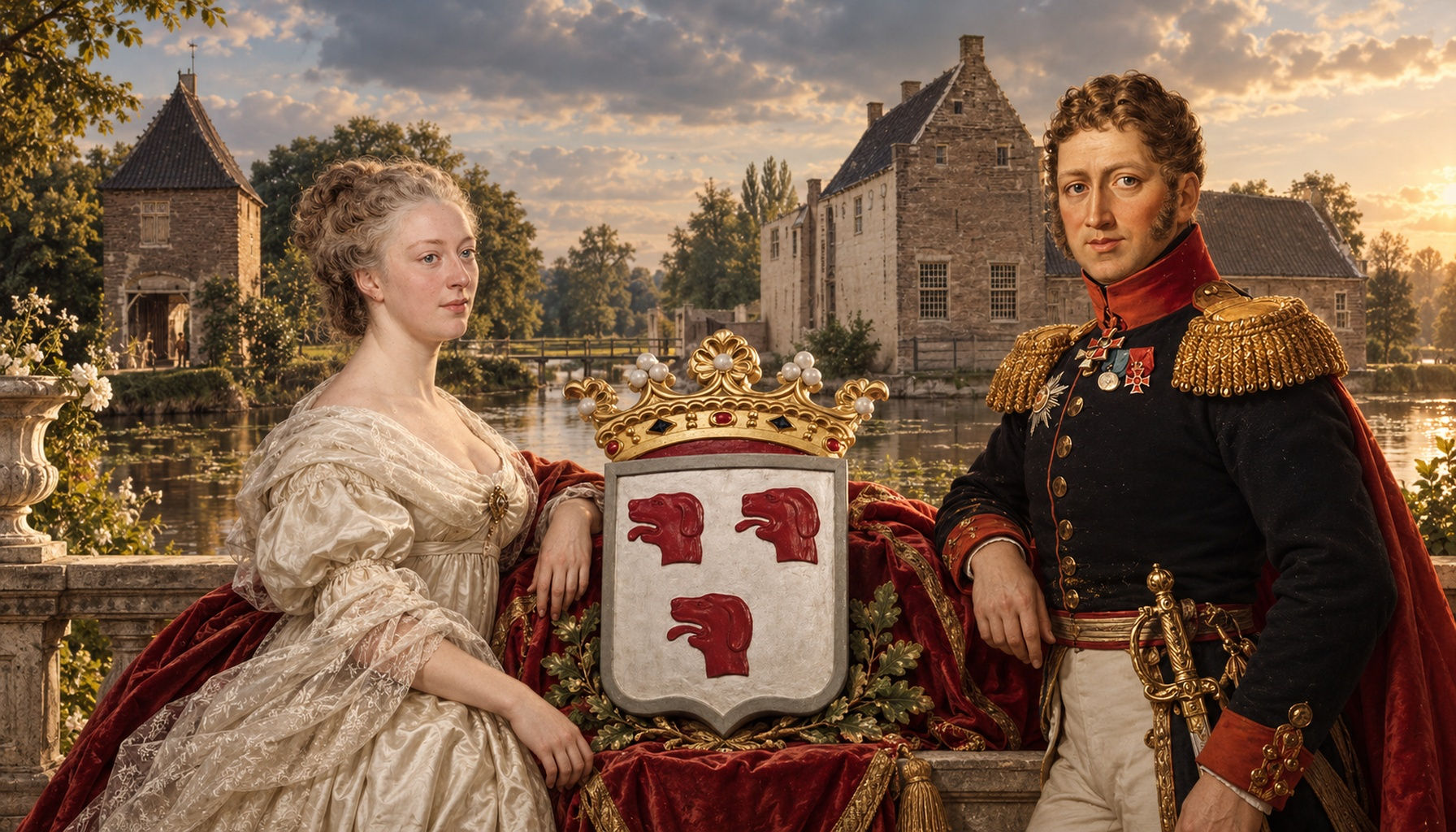
Haplogroups and Noble Lines The House van Tuyl House van Tuyl Background The House van Tuyl was a medieval Dutch noble lineage rooted in Gameren and the river lands of Gelderland, part of that intricate low-country world where power was not held in grand capitals so much as in estates, dikes, rights, alliances, and fortified homes. Their name By Sven • 3 min read
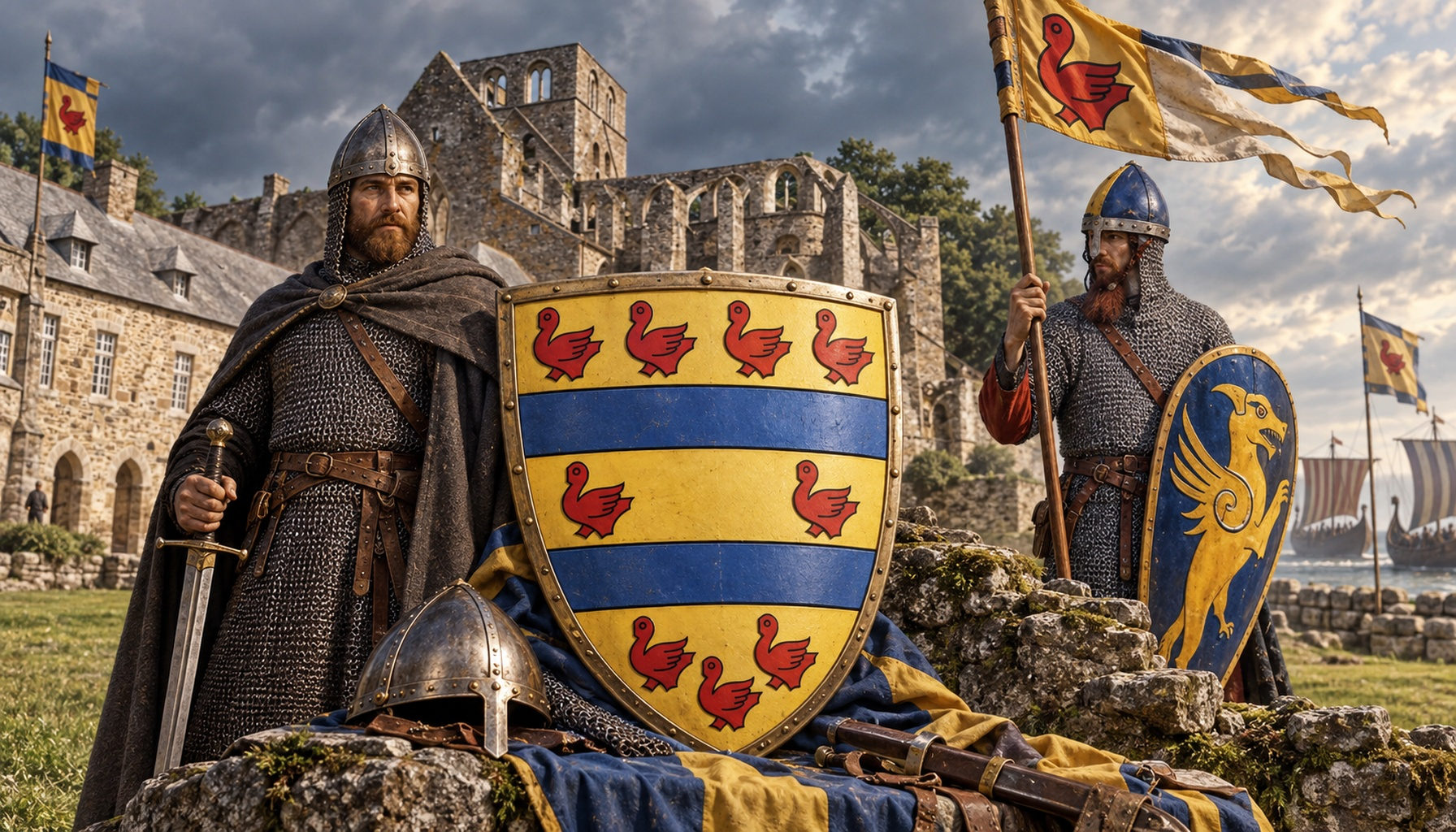
Haplogroups and Noble Lines The House Paynel House Paynel Norman lords of Hambye, Moutiers-Hubert, and the cross-Channel world The House Paynel was one of those thoroughly Norman families who seem to stride straight out of the eleventh century: lords rooted in western Normandy, tied to Hambye and Moutiers-Hubert, active in war, landholding, marriage politics, and church patronage By Sara V • 3 min read