Khazar Frontier Graves and Saltovo-Mayaki Diversity
– 5 min read


Between the seventh and tenth centuries, the Khazar Khaganate dominated the lands north of the Black Sea, connecting steppe, Caucasus and Caspian trade routes. This was no empty expanse but a vibrant contact zone of movement, negotiation and cultural exchange.
The Saltovo-Mayaki culture gives archaeologists their clearest window into this world. It describes not one people but a cluster of settlements, cemeteries and burial customs spread across a wide frontier region. Communities within it shared some practices yet differed considerably in houses, graves and family histories — steppe traditions beside Caucasus roots beside still more complicated mixtures, all within the same cultural sphere.
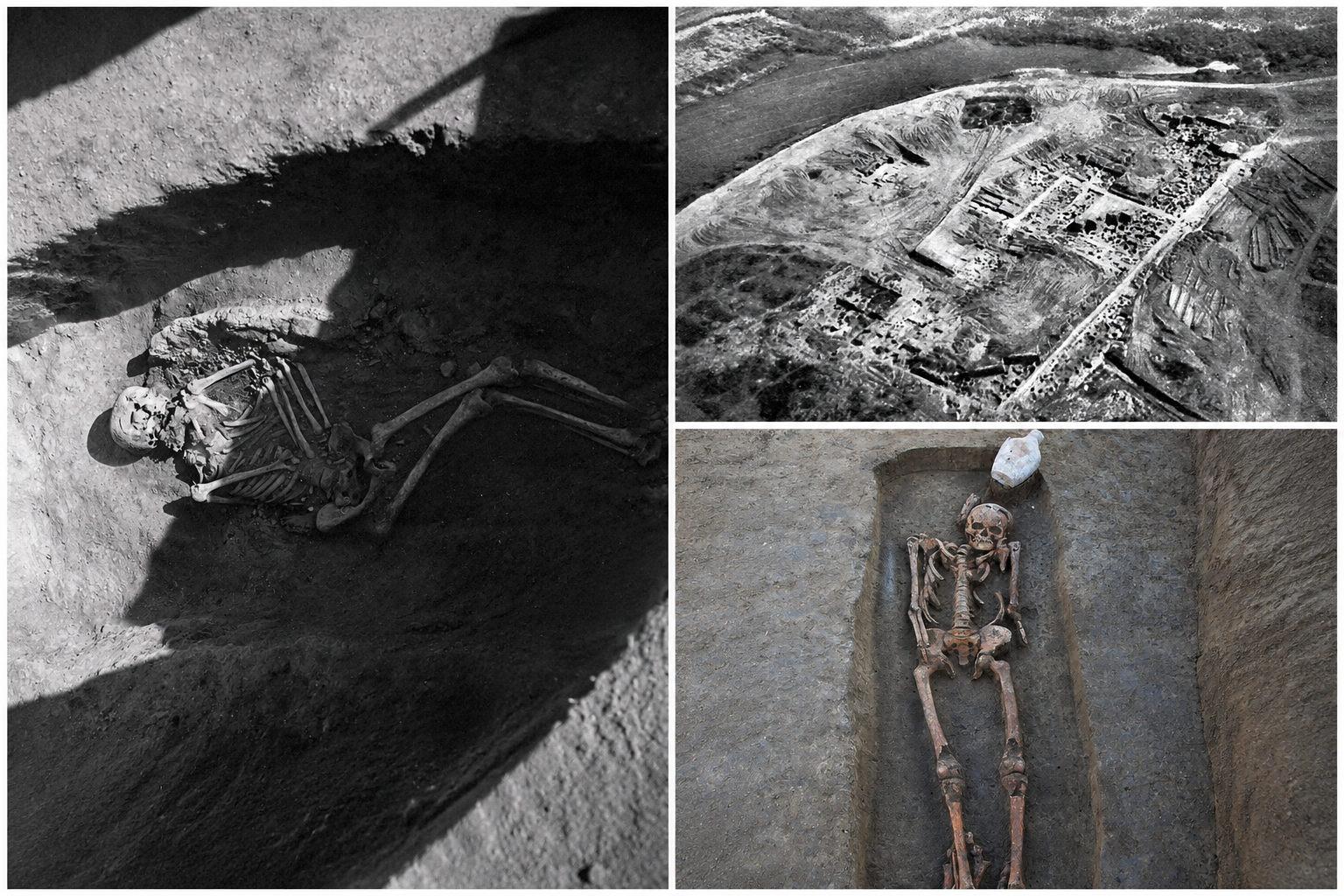
The Belgorod cemeteries of Podgorovsky and Dmitrievsky offer a particularly vivid slice of this world. Rivers like the Don and Donets acted as arteries carrying goods, ideas and people. A grave here can contain pottery reflecting household life, belt fittings hinting at rank, weapons suggesting military identity and horse equipment linking the dead to prestige and ritual — fragments that together reconstruct living worlds on a shifting frontier where the dead still guard clues to lives shaped by travel, contact and memory.
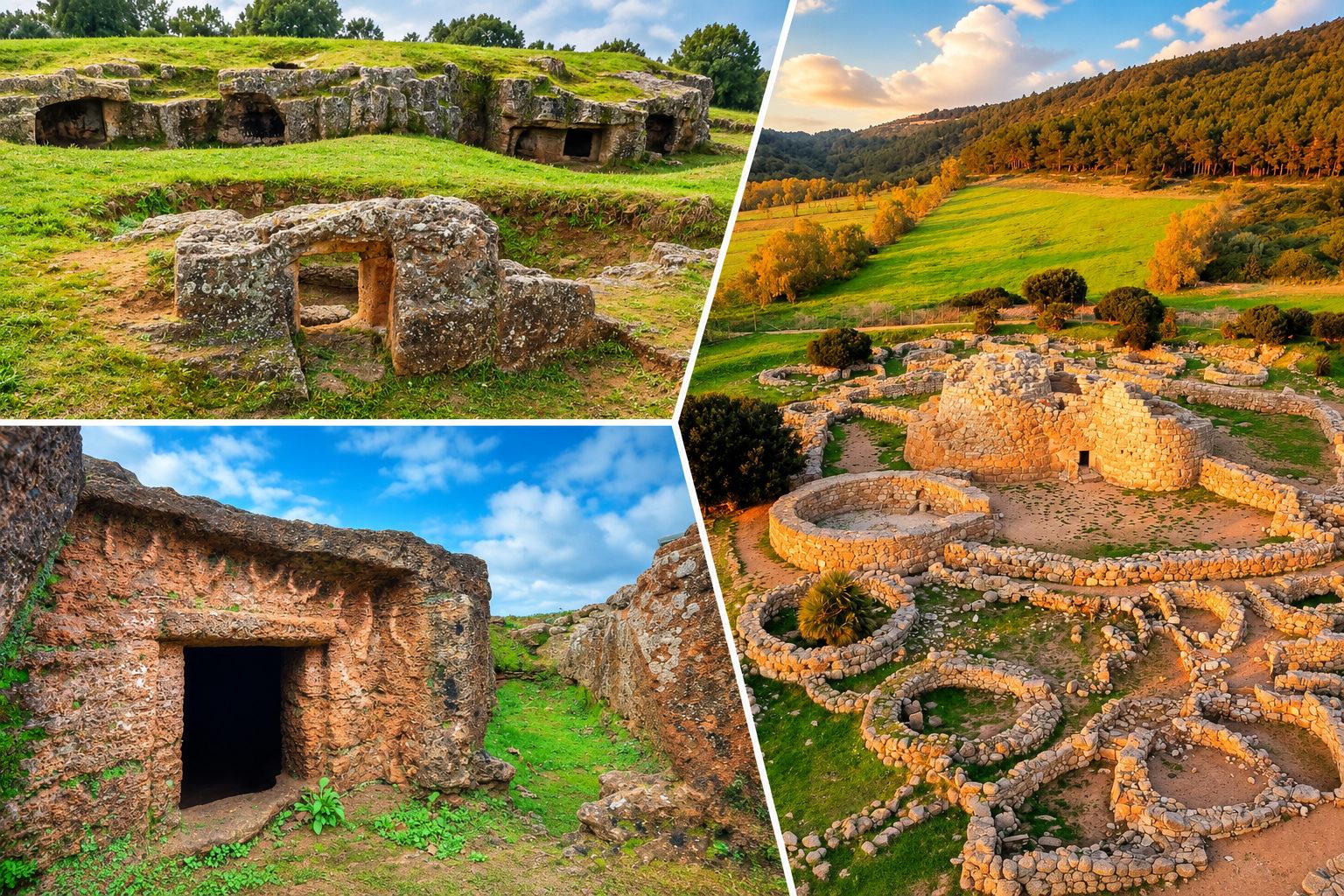
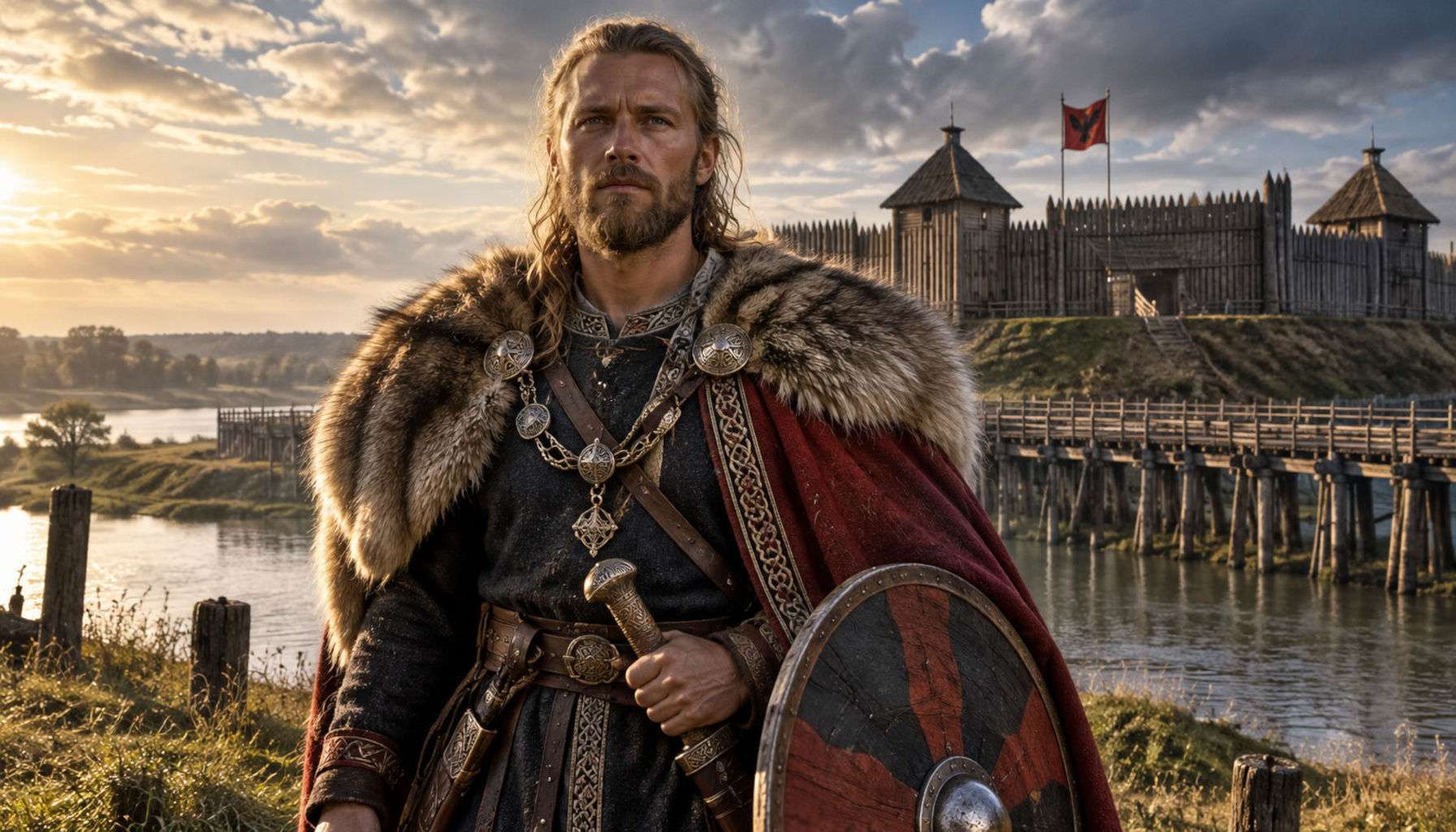
Dmitrievsky is not merely a cemetery. It is a complete archaeological landscape: a chalk-built fort on a promontory above the Koroch River, surrounding open settlements and a large catacomb cemetery. Together they reveal a community rooted in place and conscious of its frontier position.
Flourishing in the later eighth and ninth centuries, the site sat at a junction of opportunity and vulnerability. The hilltop fort proclaimed authority and watched the routes below, while nearby settlements hummed with craftwork, food preparation and social life.
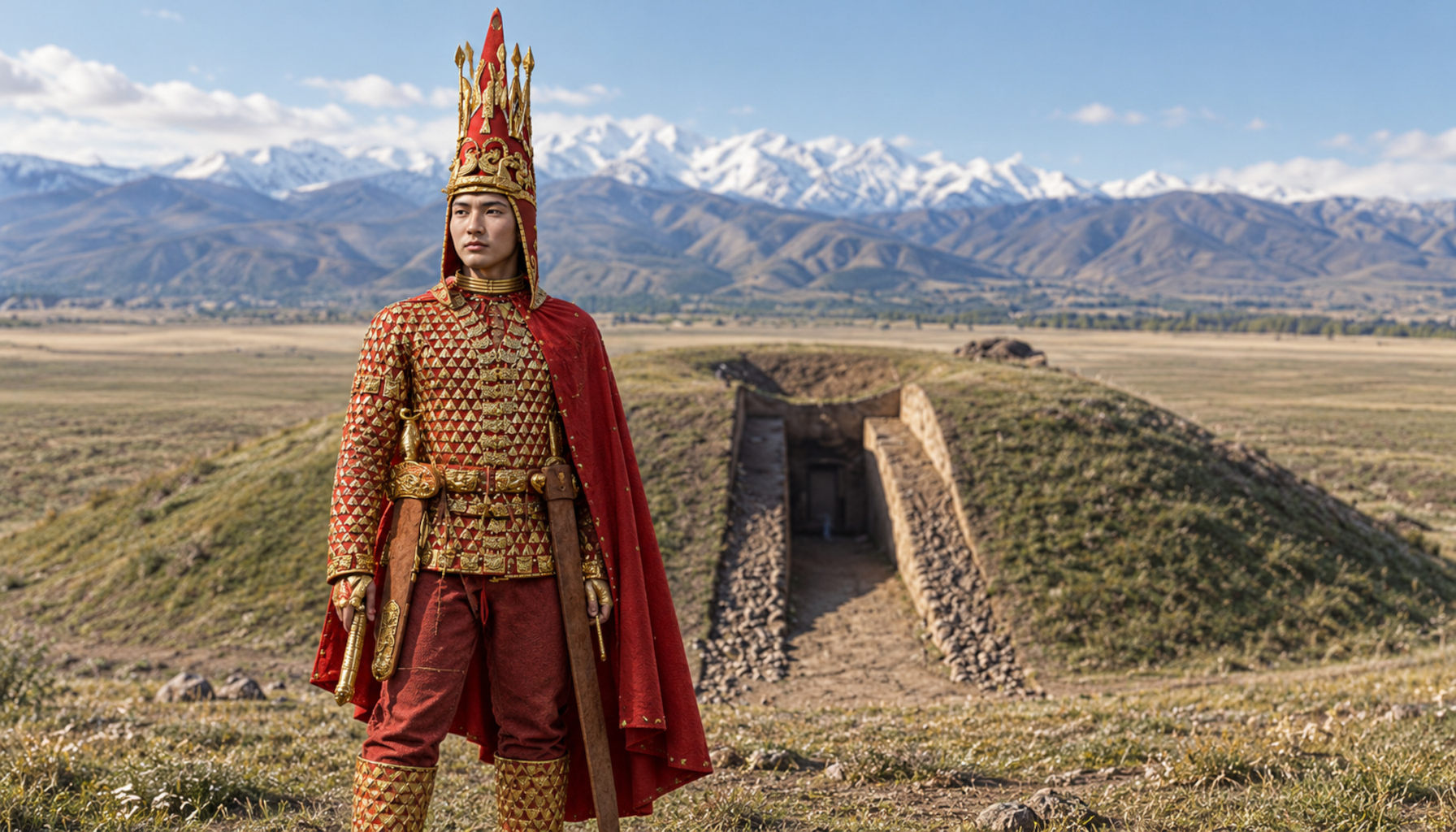
The cemetery is the most haunting element. Around 170 burial complexes — more than 150 of them catacombs — signal sustained communal use over generations. Each catacomb required deliberate labor: a narrow entrance passage cut into firm ground led to a hidden side chamber for the body, turning burial into a physical act of entry, transition and closure. Some held single individuals; others held several, suggesting family groupings and ancestral connection.
Fort, settlement and cemetery formed one social landscape. Death was woven into community geography, not banished to a distant margin. Pale stone defenses above a river, houses nearby, an expanding field of tombs cut into the earth — Dmitrievsky was inhabited in the fullest sense, with all the ambitions and ceremonies that frontier life demanded.
These graves are full of action. The catacomb form itself carries theatre: mourners cut a passage into earth and opened a side chamber, creating an underground room almost like a hidden house for the afterlife.
Inside, objects speak vividly. Pottery evokes household routine and offerings of food for the dead. Belt fittings — buckles, mounts, decorative metal pieces — signal adult status, military identity and wealth, freezing in metal how a person appeared in life. Weapons conjure individuals more powerfully than many written records, representing honor, protection and social role.
Horse equipment is equally revealing. In some catacombs, horses were placed near the entrance passage — a remarkable ritual act. A horse was valuable, not disposed of lightly; its presence signals ceremonial significance, rank or beliefs about passage to another world. The image is almost cinematic: the dead below, a horse at the threshold, mourners joining person, animal and tomb into one event.
Traces of funerary feasting and animal offerings confirm that burial was a communal social occasion, binding the dead back into the living group. Charcoal layers beneath some bodies show deliberate preparation of the grave space. Most intriguing are small human-shaped chalk figures — possible protective images, ancestor tokens or ritual objects — that suggest a symbolic world only partly visible to us.
Together these elements form a language of burial: pottery for household life, belts for identity, weapons for status, horses for mobility, offerings for ritual. People cared about how the dead were remembered and wrote that care into the earth with remarkable force.
Three men anchor this story concretely. One came from Podgorovsky, Catacomb 12; two from Dmitrievsky, Catacombs 171 and 172. Sparse labels, yet the beginnings of three biographies — each man once part of a household, kin group and ritual world, each carried into a carefully made grave by mourners who believed death deserved ceremony.
They came from two separate burial grounds within the same broad frontier world, hinting immediately at variety. Shared burial customs do not mean close biological relatedness, and that is a key lesson. The catacomb setting grants each man dignity and social meaning: his community invested labor in placing him within an underground chamber, a statement that each death belonged within an ancestral and ceremonial order.
All three are male, but their value lies not in fitting a heroic stereotype — it lies in complicating one. They show that even among culturally similar burials, deeper histories could differ. Names gone, languages unknown, yet their bodies and burial architecture insist they were part of real social worlds: perhaps a father, a rider, a craftsman, a traveler from another region, a descendant of Caucasus migrants. The frontier becomes personal through them.
The most important revelation from these cemeteries is that the buried communities were not biologically uniform — nor should anyone expect them to be. The three men show diverse biological backgrounds, with links connecting some to North Caucasus groups associated with Alans. Family histories in this region reached strongly toward the Caucasus, confirming that the frontier drew in people of genuinely different origins.
This fits the archaeology perfectly. Catacomb graves are often linked with Alan traditions while simpler pit burials appear nearby, yet similar biological ties can cross different burial customs, and similar customs can be shared by people of differing ancestry. One cannot look at a grave type and assume a fixed identity.
A man might belong to a local family, participate in a Caucasus-rooted burial tradition, live under Khazar political power, use steppe horse equipment and interact with neighbors of several backgrounds — all simultaneously. Identity was layered and situational, as it so often is in complex borderlands.
The Khazar realm emerges not as a monolithic block of one people but as a political framework within which varied communities lived. The northern Black Sea and Don corridor had for centuries brought merchants, migrants, marriage partners and military recruits together. Families intermarried; communities adopted useful customs from neighbors. The result was a layered mosaic — people sharing one practice while differing in another.
Horse burials, chalk figures, catacomb chambers, belt fittings and biological profiles all contribute separate pieces that do not point in one simple direction. That is precisely their value. They show real societies in all their richness: dynamic, diverse and profoundly interconnected — a far more interesting picture than any single label could provide, and one that makes the early medieval steppe feel not remote, but vividly, thrillingly human.
 В. С. Окованцев
Comments